
Palliative Care for Severe Cardiovascular Diseases
When a person has severe cardiovascular disease, loved ones feel like they have only one choice: "treat to the end" or "do nothing." In reality, there is a third option: palliative care for heart disease. This doesn't mean refusing treatment; it means improving the patient's quality of life.
Palliative care is needed not only to alleviate symptoms but also to normalize family relationships. Relatives become tired of being on call around the clock; they need a break to gather their thoughts and return to caring for their sick loved ones with renewed vigor.

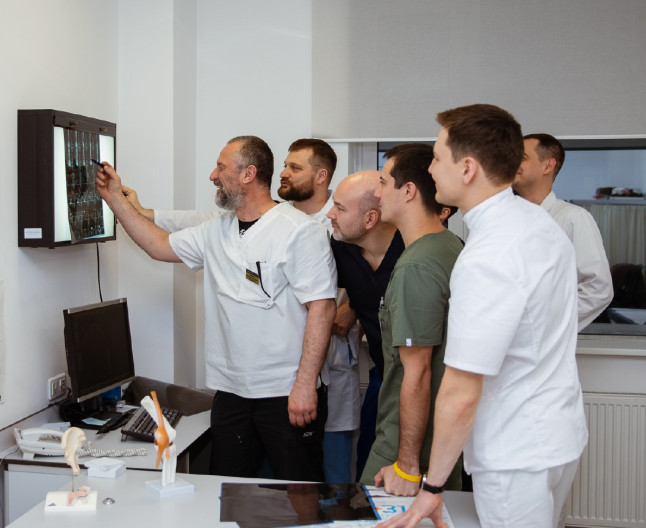
specialists

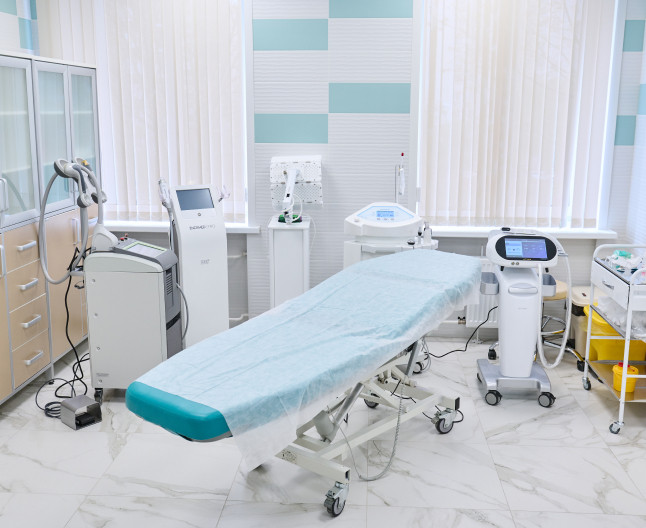
equipment

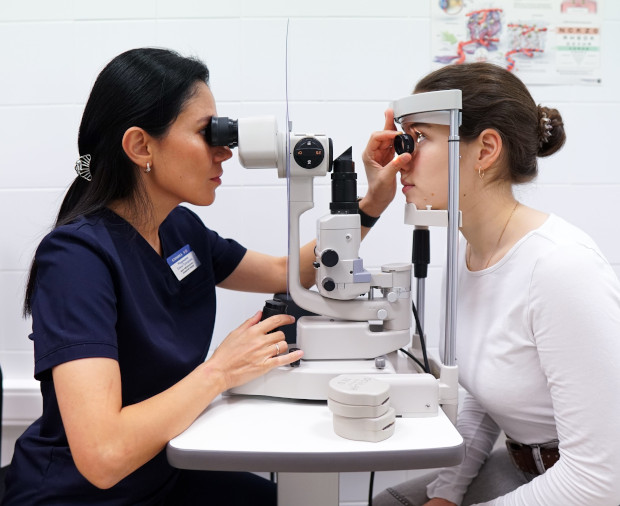
treatment



Main symptoms and methods for their relief
Shortness of Breath and Edema
Shortness of breath and edema associated with CHF are common accompaniments of heart disease. Symptoms can be reduced with:
- Regularly taking medications as prescribed (including diuretics, if prescribed)
- Monitoring weight and edema: Maintaining a consistent morning weight is simple at-home monitoring.
- Maintaining a comfortable body position: elevated back, extra pillows, adequate ventilation.
- Limiting salt and fluid intake – as recommended by your doctor, do not attempt anything unintentional.
If shortness of breath worsens, edema increases, a cough with frothy sputum, severe weakness, or chest pain develops, do not wait; seek emergency care.
Chronic Pain Syndrome
Pain can vary from angina to muscle aches. The latter occurs because a person spends most of the day in bed. In palliative care, it's important to tell your doctor about all your problems: what hurts, when it hurts, and how severe it is. The doctor will prescribe medications, calculate dosages, and explain how to take them.
Important: Strong medications (including opioids) are prescribed only by a doctor and according to the rules—self-medication is unacceptable.
Peculiarities of care for severe cardiac patients
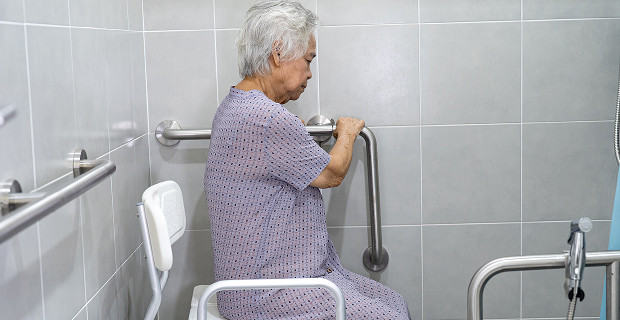
There are many "little things" here that actually solve half the problems. And yes, caring for patients with heart failure often becomes a family effort.
Organizing Your Life and Routine
The most important thing is comfort: a stool in the bathroom, grab bars, a nightlight, and a phone within easy reach. It's better to move around little by little rather than lie around all day—this reduces the risk of fluid retention in the lungs. Consider nutritional support: simple foods in small portions, enough protein (unless contraindicated), and salt control.

Medication Management
Heart medications need to be kept in order. A pillbox, a medication list on the refrigerator, alarm clocks—all of these things work. If you experience dizziness, a drop in blood pressure, confusion, or nausea, don't stop taking your medications on your own; contact your doctor. Competent care for patients with heart failure is all about safety.
Psychological Support for the Family
It's hard for everyone: the patient is scared, and so are their loved ones. Psychological support for relatives can be very simple: talk honestly but calmly, don't discount fear, share responsibilities, and give each other rest. Sometimes, families need professional help—that's normal.
Benefits of professional palliative care
Professional palliative care for heart disease typically includes a physician, a nurse, and, if needed, social support. This includes:
- Symptom management and therapy adjustments
- Family education on care and monitoring
- Selection of care products, assistance with routine and nutrition
- Organizing home care and, if necessary, hospice or palliative care
Sometimes a caregiver helps the family, but sometimes nursing care is specifically needed for CVD – when skills such as monitoring, skin care, pressure ulcer prevention, and respiratory and edema management are essential.
A professional approach to palliative care is an opportunity to experience important moments in life without pain and fear.
Differences between Active Treatment and Palliative Care
| Criteria | Active Treatment | Palliative Care |
|---|---|---|
| Goal | Slow the disease, prolong life, reduce the risk of complications | Maximize the patient's well-being and quality of life, reduce distressing symptoms |
| Methods | Cardiac therapy, procedures, hospitalizations, rehabilitation | Monitoring Pain, shortness of breath, swelling, home support, nursing, nutritional support, family support |
| Family involvement | Often "depending on the situation" | Systematic: training, action plan, care and workload distribution |
This article is for informational purposes only. Consult a specialist. Do not self-medicate, especially with strong medications (painkillers, psychotropic drugs, diuretics) – this can be dangerous.

Frequently Asked Questions
Does palliative care mean writing someone off?
When is palliative care needed?
Can you choose your own diuretics or painkillers?


This award is given to clinics with the highest ratings according to user ratings, a large number of requests from this site, and in the absence of critical violations.

This award is given to clinics with the highest ratings according to user ratings. It means that the place is known, loved, and definitely worth visiting.

The ProDoctors portal collected 500 thousand reviews, compiled a rating of doctors based on them and awarded the best. We are proud that our doctors are among those awarded.
Make an appointment at a convenient time on the nearest date
Other services

Appointment to the doctor
Reviews
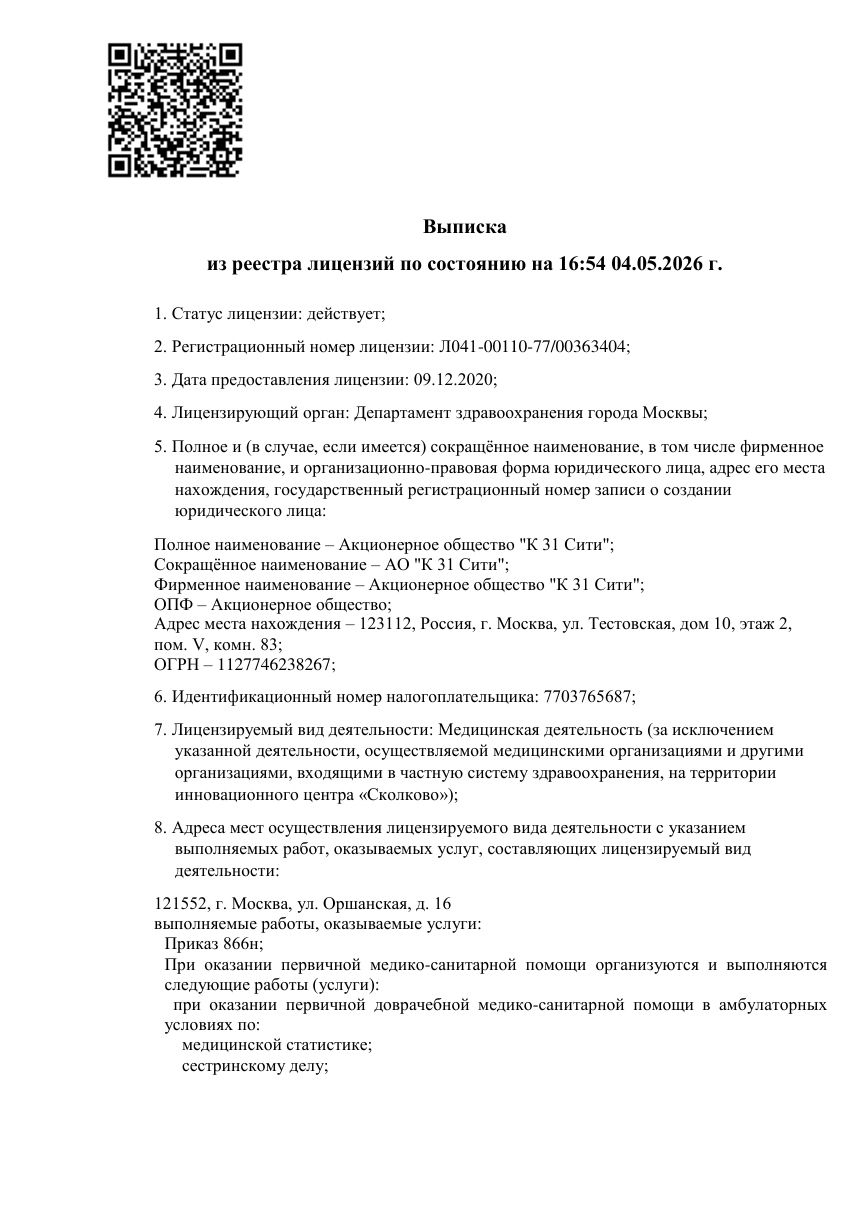
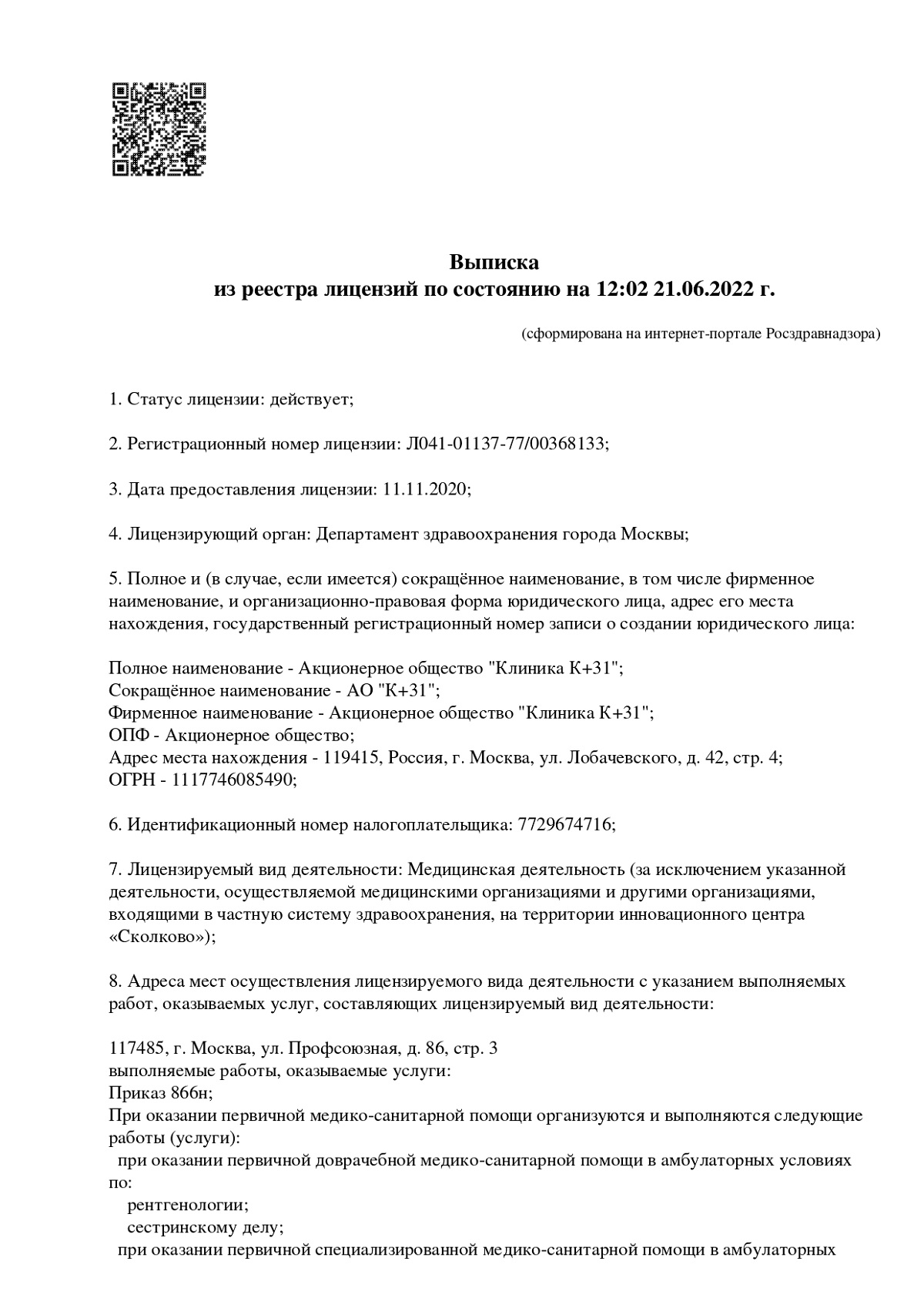
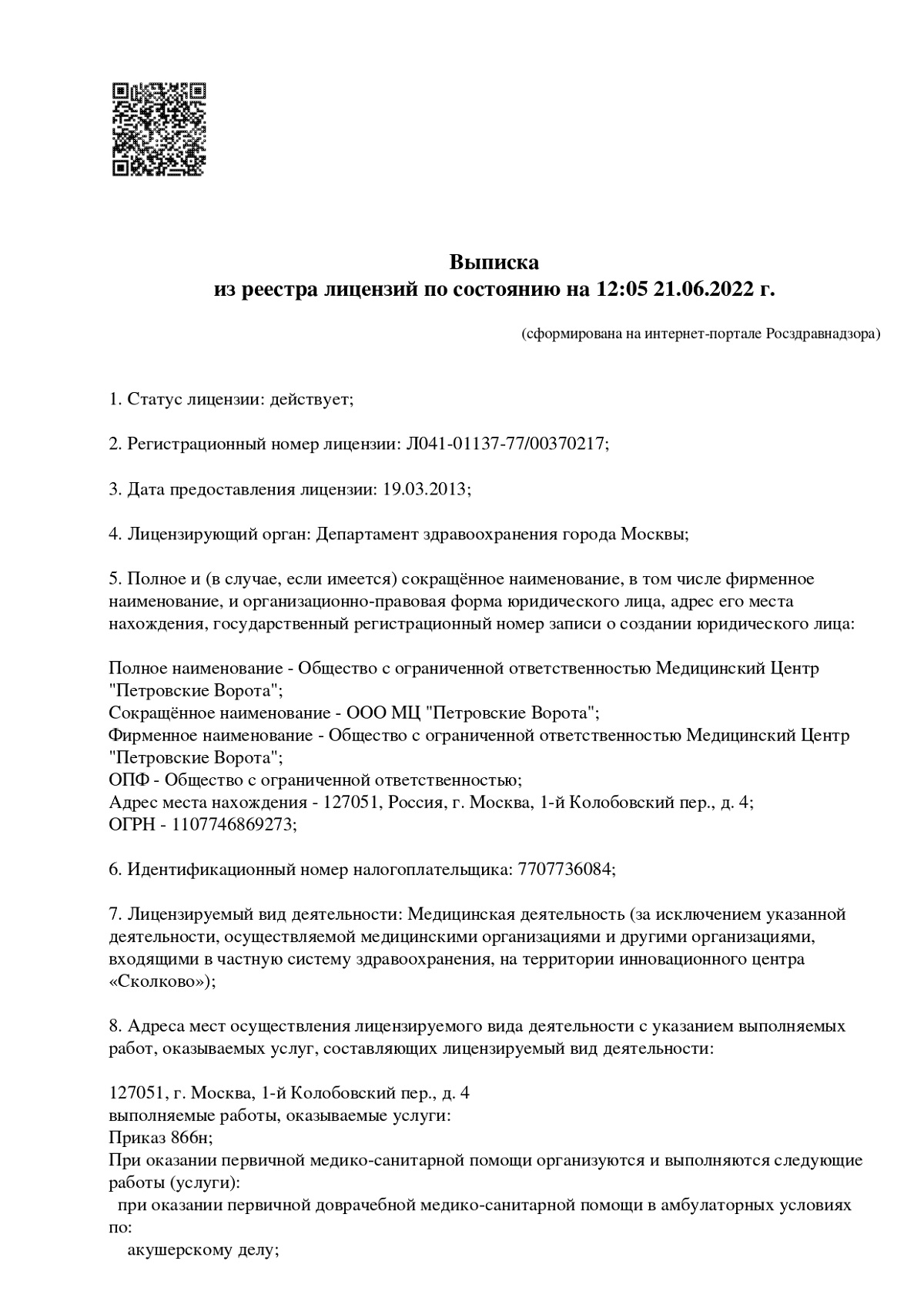
Our clinics


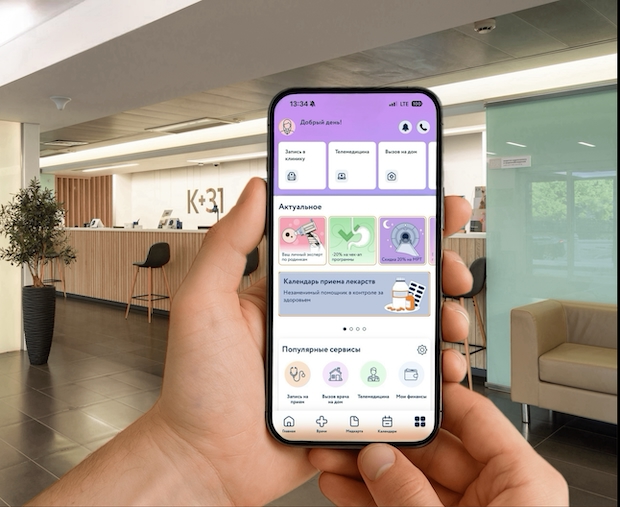
Application “Personal Account K+31”











When is a palliative approach needed in heart disease?
Palliative care is needed in the following situations:
Important: palliative care for heart disease is primarily about support, both physical and psychological.