
Palliative Care for Breast Cancer
When radical treatment options for breast cancer have been exhausted, palliative care becomes the primary goal: pain management and support for the body. Above all, this is about the comfort of the patient and their family. It is important to understand that life has changed and will never be the same. At this stage, it is important to recognize the inevitability of these changes. This is especially important when breast cancer reaches the terminal stage: to improve quality of life, pain relief and family support are essential.
Palliative care does not prolong life; it reduces symptoms and allows a person to spend the rest of their life surrounded by loved ones.

specialists

equipment

treatment






When should you contact a palliative care unit?

Palliative care is not needed in the last days of life. Typically, such care is provided when:
- The pain is unbearable
- Weakness and loss of strength prevent normal communication with loved ones
- There are complications from medication
- Metastases have spread to neighboring organs
- Terminal stage breast cancer has been confirmed
Patients with advanced cancer often require 24-hour health monitoring. If the family is unable to sit at the relative's bedside every day, it is better to contact a cancer ward or hospice.
The sooner the palliative care team is involved, the faster the pain can be relieved.
Methods of alleviating the patient's condition
Pain shouldn't be tolerated: it not only affects the patient's psychological state but can also ruin family relationships. Relatives tire of the nighttime moans and suffer from the inability to help their loved one. In this case, a palliative care physician prescribes pain medications and, if necessary, involves a psychologist.
Pain management and symptom control
Pain management in breast cancer is carried out in several stages: first, nonsteroidal anti-inflammatory drugs are used, and if they are ineffective, the doctor switches to stronger medications.
Important: Only a palliative oncologist can prescribe medications. Before prescribing, the doctor discusses the patient and their family, clarifies the patient's symptoms, and learns about any comorbidities. Dosages cannot be increased or decreased on your own.
Additionally, the doctor may prescribe:
- Antiemetics
- Medications for shortness of breath
- Medications for anxiety and insomnia
Today, doctors are able to tailor treatment to manage pain while maintaining a clear mind and ability to communicate with loved ones.
Psychological support for the patient and their loved ones
A late-stage diagnosis is accompanied by fear, a sense of loss of control, and anxiety for loved ones. Professional psychological support for oncology patients helps reduce depression, ease acceptance of the situation, and maintain emotional connection within the family.
Support is needed not only by the patient but also by relatives, who often experience emotional burnout.
Skin Care and Complication Prevention
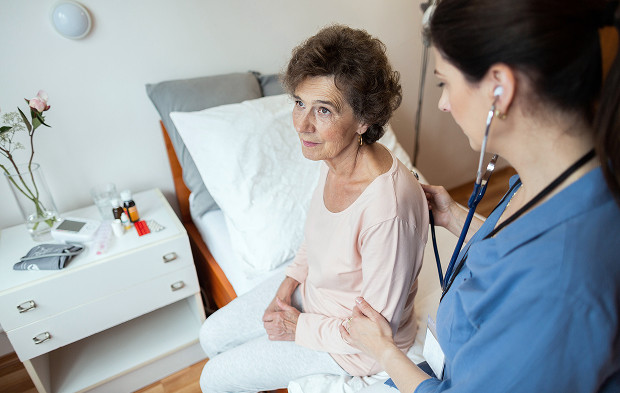
In the terminal phase, people are rarely active. A sedentary lifestyle increases the risk of pressure ulcers and infections. If you are unable to care for your relative on your own, you can enlist the help of a breast cancer nurse.
In this case, palliative care staff will:
- Explain how to use an anti-decubitus mattress
- Show you how to change body positions
- Explain how to apply barrier creams to the skin
Comprehensive care for breast cancer patients is an opportunity to live out their remaining days in a calm environment, without unnecessary stress.
Organizing Daily Living and Quality Leisure
Even in a serious condition, a person needs a familiar environment and emotional support.
The organization of the space should take into account:
- Free access to the bed
- A functional hospital bed if needed
- Comfortable lighting and ventilation
- The ability to communicate with loved ones
Music, reading, and short walks, when the condition is stable, support the quality of life of cancer patients. It's not the level of activity that matters, but the feeling of participation in life.
How to Help a Loved One: Advice for Relatives
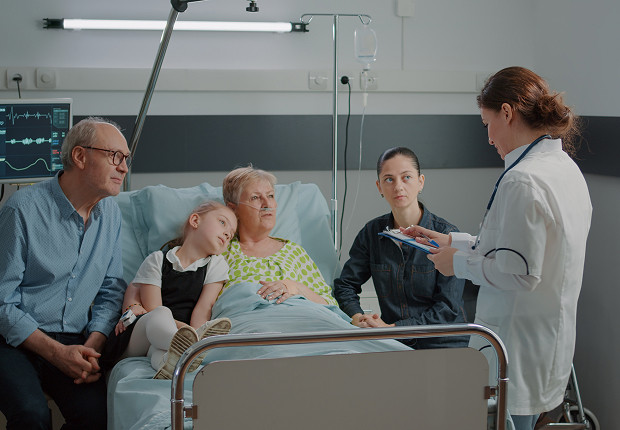
Relatives are often afraid of doing something wrong. Key recommendations:
- Don't leave pain unchecked
- Avoid questionable "folk medicine" methods, especially in the terminal stage—they can increase suffering.
- Maintain dialogue, even if conversations are difficult.
- Divide responsibilities among family members to avoid burnout.
Palliative care for breast cancer is a team effort. Caring for the patient is impossible without caring for yourself.
Benefits of professional inpatient care
Sometimes the home format becomes too complicated. Inpatient palliative care provides 24/7 monitoring and access to equipment.
| Parameter | Home Care | Inpatient Palliative Care |
|---|---|---|
| Doctor Available 24/7 | No | Yes |
| Medical Equipment | Limited | Full Range |
| Family Psychological Relief | Limited | Yes |
Inpatient care makes it easier to monitor symptoms and quickly adjust therapy. This is especially important in cases of severe pain or complications.

Frequently Asked Questions
Is it possible to receive palliative care at home?
Do doctors refuse treatment?
Does palliative care help prolong life?



This award is given to clinics with the highest ratings according to user ratings, a large number of requests from this site, and in the absence of critical violations.

This award is given to clinics with the highest ratings according to user ratings. It means that the place is known, loved, and definitely worth visiting.

The ProDoctors portal collected 500 thousand reviews, compiled a rating of doctors based on them and awarded the best. We are proud that our doctors are among those awarded.
Make an appointment at a convenient time on the nearest date
Other services

Appointment to the doctor
Reviews


















Our clinics


Application “Personal Account K+31”












Tasks of palliative care in breast cancer
Palliative care for breast cancer is aimed at maintaining a stable condition and reducing the patient's suffering. This does not mean abandoning treatment, but rather reprioritizing it.
Key objectives:
Properly organized care for breast cancer patients can improve sleep and appetite, and reduce anxiety. As a result, the quality of life of cancer patients improves, even if the disease is in a progressive phase.