
Palliative Care: Professional Care and Support for Patients with Incurable Illnesses
A terminal illness shouldn't put an end to relationships with loved ones. People facing cancer or dementia have the right to a comfortable, pain-free life and to communicate. During such periods, comfort, psychological support, and proper care become key elements in the lives of the patient and their family. A palliative care center is the bridge between medical care and personal attention.

specialists

equipment

treatment



Objectives of the multidisciplinary palliative care center
Palliative care centers employ specialists from various fields. The primary goal of such institutions is not only medical care but also ensuring the patient's safety, comfort, and emotional well-being, as well as providing support to their loved ones.
The palliative care department connects the hospital with social and community services. It has many responsibilities, and here are the main ones.
Pain relief and medical monitoring
The center's staff records improvements and deteriorations in patients' health daily, adjusts medication dosages, and monitors their body's response.
This allows for early detection of deterioration and adjustments to treatment. As a result, patients feel calmer and can live their lives at their usual pace for longer, without unnecessary pain and suffering.
Psychological support for the patient and his family
When receiving palliative care, it's also important to monitor the patient's emotions and the psychological state of their family. Hospice care also involves the work of psychologists and social workers, who teach how to cope with stress, anxiety, and helplessness.
All these actions reduce emotional stress and improve communication with doctors: the patient doesn't become withdrawn and is more comfortable sharing their experiences and pain with others.
Advantages of being in a specialized department
A patient in the palliative care unit is under continuous monitoring. This reduces the burden on the family and ensures that the patient receives 24/7 specialist attention: relatives can continue their usual activities, get enough sleep, and visit their loved one in the hospital with renewed vigor.
24-hour supervision and professional care
Any change in condition, pain, or complications is recorded and addressed immediately. All pain management methods comply with international guidelines. This approach reduces the risk of emergency situations and allows for maintaining a decent quality of life even in severe stages of the disease.
Comfortable conditions and a barrier-free environment
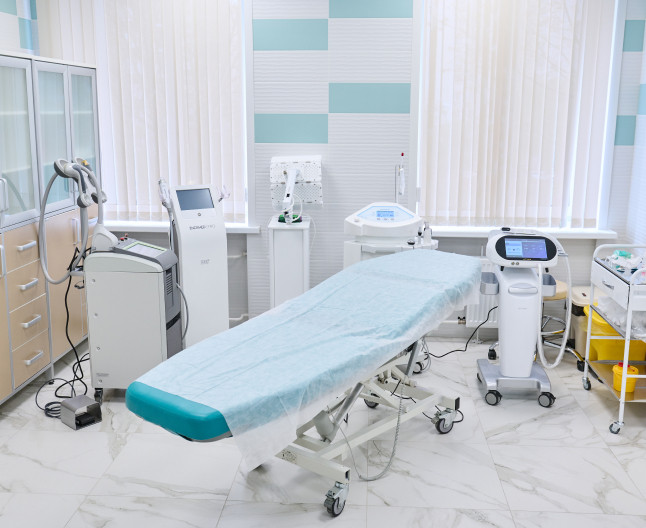
Palliative care centers utilize functional beds, lift systems, and oxygen concentrators.
A barrier-free environment minimizes falls and injuries, and specially equipped rest and hygiene areas make daily activities comfortable and safe.
Social Adaptation and Leisure
The Palliative Care Center creates conditions for maintaining social contacts and psychological well-being. Patients with dementia, oncology, and other illnesses participate in individual and group activities and can interact with volunteers and other patients.
Social activities reduce feelings of isolation and support cognitive function and emotional well-being.
Quality medical care isn't the only priority. Being in the palliative care unit reduces patients' feelings of guilt toward their families: they understand that their loved ones can show care and love without putting their personal lives on hold.
Below are the key criteria that help assess the level of support.
| Criteria | Home care | Palliative care unit |
|---|---|---|
| 24/7 doctor availability | Subject to availability | 24-hour monitoring |
| Specialized equipment | Limited | Functional beds, lifts, oxygen concentrators |
| Psychological assistance | Rare | Ongoing support |
How to admit a patient to the palliative care unit?
- The patient's palliative status is determined: in the case of oncology, by an oncologist or the attending physician; in the case of other diseases, by a medical commission.
- The decision is recorded in medical documents and the data is entered into the Palliative Care Register.
- A healthcare professional conducts an examination, assesses the condition, prescribes care, and adjusts treatment for symptoms.
Frequently Asked Questions
Is palliative care just pain relief?
No. It includes not only pain relief but also support for the person and their family: help with symptoms, nutrition, sleep, emotional well-being, and care.
Is palliative care paid for?
It can be free under the compulsory health insurance system or provided for a fee in private clinics and centers, depending on the chosen type of care.
If a relative has never worked with medical equipment, will he or she be able to care for the patient at home?
Yes, it can: the equipment is installed and configured by specialists, and relatives usually only need to follow simple maintenance instructions and monitor its operation.


This award is given to clinics with the highest ratings according to user ratings, a large number of requests from this site, and in the absence of critical violations.

This award is given to clinics with the highest ratings according to user ratings. It means that the place is known, loved, and definitely worth visiting.

The ProDoctors portal collected 500 thousand reviews, compiled a rating of doctors based on them and awarded the best. We are proud that our doctors are among those awarded.
Make an appointment at a convenient time on the nearest date
Other services

Appointment to the doctor
Reviews





Our clinics


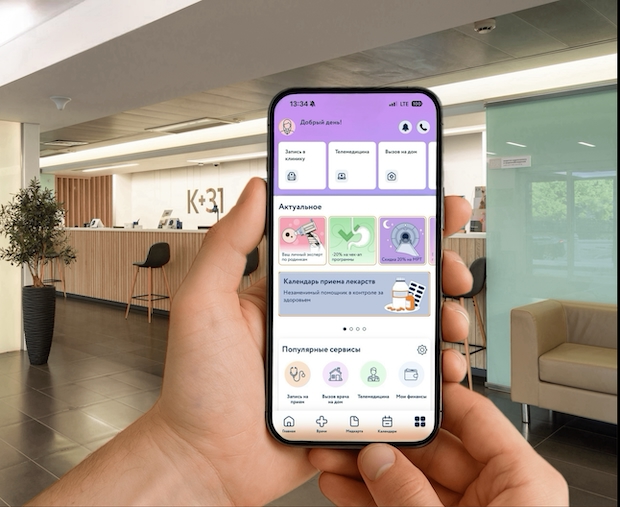
Application “Personal Account K+31”











What is palliative care and who needs it?
Palliative care isn't about curing the disease. It's about relieving symptoms: a terminally ill person who is conscious and clear-headed clearly understands their path, and at this stage, pain relief is paramount. Terminally ill patients want time to calmly communicate with loved ones.
Of course, palliative care includes medical care for terminally ill patients, as pain relief is impossible without it. But in addition to standard procedures, patients at specialized centers receive psychological support and assistance in organizing their daily lives.
The role of palliative care staff doesn't end there: if necessary, they also explain to relatives how to obtain benefits and allowances.
Palliative care isn't always provided in a hospital. If desired by the patient or their family, medical or nursing procedures can also be provided at home. In this case, doctors, psychologists, and volunteers will visit the family.
The main focus of palliative medicine is providing care to the patient and supporting relatives at all levels: physical, emotional, and social.