
Stomach Cancer: Features of Palliative Care and Patient Care
When a person is told "late-stage stomach cancer," many have one question in their mind: how will they feel next? Pain? Vomiting? Weakness? Will they be able to eat? And what should loved ones do if staying at home becomes unbearable?
If a person has stomach cancer, palliative care is needed not for treatment, but for symptom relief and family support. A palliative care physician will prescribe pain medication in the appropriate dosage, provide a prescription for anti-nausea medication, and advise on how to care for the family member at home.

specialists

equipment

treatment






The main symptoms in the late stages and ways to correct them
At stage 4, the tumor often extends beyond the stomach. This causes symptoms to become more severe, leading to limited mobility and weight loss.
Stage 4 stomach cancer symptoms typically include severe weakness, weight loss, abdominal pain, nausea and vomiting, and low hemoglobin. These patients often develop fluid accumulation in the abdomen, called ascites. This fluid causes heartburn, belching, an unpleasant taste in the mouth, and a feeling of fullness even after just a few bites.
Pain and malaise should not be tolerated. Symptoms can be reduced, but this requires medications that cannot be purchased over-the-counter. These medications require a prescription. A palliative care physician writes prescriptions, calculates dosages, and explains how and when to take medications.
The doctor also explains how to care for the patient: they will show how to adjust the bed, explain how to feed the loved one, and tell you what symptoms to look out for.
And one more thing. If nausea or vomiting worsens, or if the person is barely able to eat or drink, this is a reason to call the doctor sooner rather than wait until things get really bad.
Chronic Pain Syndrome: Modern Approaches to Pain Management
Pain can be constant or come in attacks. It usually intensifies at night or immediately after eating. Pain is a signal: the body is screaming for help.
Pain relief from cancer is possible in several ways. A step-by-step approach is used, from simple painkillers to opioids if the pain is severe.
Medications should be taken on a schedule; this way they work better. If a person cannot swallow pills, other options include patches, drops, injections, and subcutaneous infusions. A doctor should prescribe a regimen. Do not change the dosage on your own, but you can and should talk to your doctor if the pain returns or if drowsiness, nausea, or constipation occurs.
Digestive Disorders and Nutritional Support (Nutrition)
Stomach cancer often interferes with the normal passage of food. A person quickly becomes full, feels heavy, and sometimes vomits.
Meals for stomach cancer should be frequent and small. Food should be soft and warm. It's best to offer creamy soups, porridge, yogurt, omelets, cottage cheese—basically, anything that doesn't require chewing.
If weight loss is rapid, nutritional support is prescribed—special protein- and calorie-rich mixtures. These can be sipped. This helps maintain strength.
But don't force-feed. It's better to eat less, but enough to avoid bloating. Don't rely on calorie intake: your loved one is sedentary and doesn't need to eat much. Therefore, an important rule: it is better to give less than more.
Coping with Nausea, Vomiting, and Ascites
Nausea can occur for several reasons. The main one is the tumor, which is what destroys the body, eating away at it. Nausea can also be caused by medications, dehydration, and gastric obstruction.
Nausea shouldn't be tolerated. If your doctor has prescribed antiemetic medications, be sure to give them in the correct dosage.
If vomiting occurs frequently, monitor for dehydration. If you experience dry mouth, infrequent urination, weakness, or dizziness, contact your doctor; they will prescribe IV fluids and adjust your treatment.
With ascites, the abdomen becomes enlarged, a feeling of pressure develops, and bending and breathing become difficult. Fluid removal can sometimes help. This usually makes it easier for a person to sit, sleep, and eat.
Organization of everyday life and psychological comfort
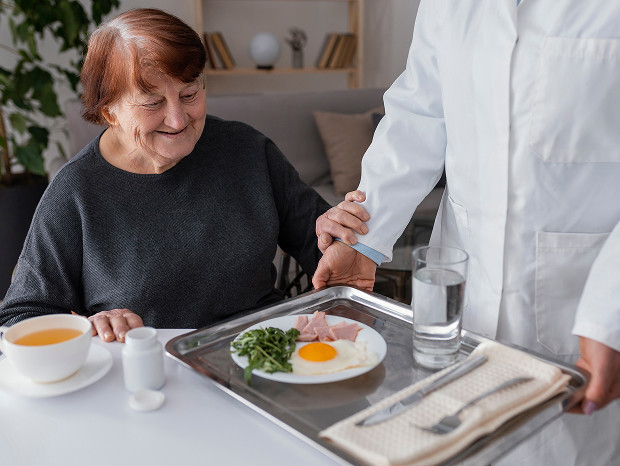
Stomach cancer care isn't just about medication. Sometimes, it's the daily routine that determines how a person gets through the day.
It's important to be comfortable lying and sitting. Pillows are essential, perhaps a functional bed or at least an elevated headboard. This reduces nausea, makes breathing easier, and reduces the risk of reflux.
Clean linens and dry skin are important. They determine comfort and the risk of bedsores. Ventilating the room is helpful, but without drafts. Soft lighting is best. Noise should be kept to a minimum.
Also, think through the logistics. Pills should be readily available. Water should be nearby. The doctor's or palliative care service's phone number should be visible. This reduces anxiety for everyone.
It's important to decide in advance who will help and how often. One person can get exhausted quickly. And that's normal. It's best to agree on shifts right away, involving relatives, friends, social services, or a caregiver, if possible. This will reduce conflict and burnout.

Psychological support for the patient and their loved ones
Terminal stomach cancer often causes severe anxiety. A person may fear pain, loneliness, become irritable, or, conversely, withdraw.
Simple things can help: be there, speak calmly, and ask what's bothering them. Don't argue with their emotions. And don't dismiss them with phrases like "hang in there" or "don't think about the bad stuff."
A psychologist or cancer specialist can support both the patient and the family. This is helpful when fatigue, fear, and guilt build up.
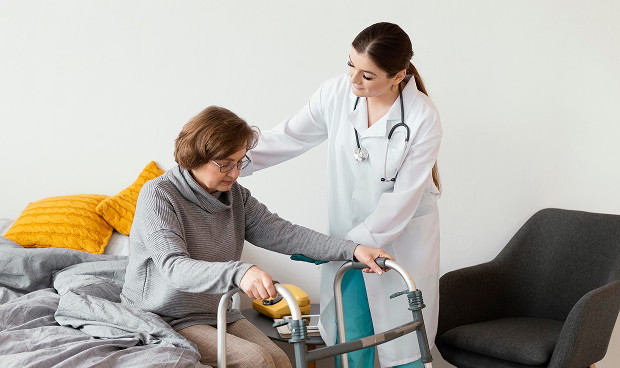
Hygienic Care for a Bedridden Patient
If a person is bedridden most of the time, care should be regular:
- Change position every 2-3 hours
- Monitor skin and treat risk areas
- Oral care
- Monitor bowel movements and urination
- Assist with washing and changing clothes
Proper care for stomach cancer reduces the risk of pressure ulcers and infections. And simply makes life more peaceful.
When should you consider hospitalization in a palliative care unit?
Sometimes it becomes difficult to cope at home. Hospitalization is necessary if:
- Pain is uncontrollable
- Vomiting is frequent, there is a risk of dehydration
- Ascites is growing, breathing is difficult
- Condition has worsened sharply
- Relatives are physically unable to cope
Palliative care for stomach cancer can be provided both at home and in the hospital. It's best to make the decision with your doctor, focusing on safety and comfort.

Frequently Asked Questions
Is it possible to completely eliminate pain?
Is hospitalization always necessary?
How long do people survive in the terminal stage?
Who provides care to cancer patients?



This award is given to clinics with the highest ratings according to user ratings, a large number of requests from this site, and in the absence of critical violations.

This award is given to clinics with the highest ratings according to user ratings. It means that the place is known, loved, and definitely worth visiting.

The ProDoctors portal collected 500 thousand reviews, compiled a rating of doctors based on them and awarded the best. We are proud that our doctors are among those awarded.
Make an appointment at a convenient time on the nearest date
Other services

Appointment to the doctor
Reviews












Our clinics


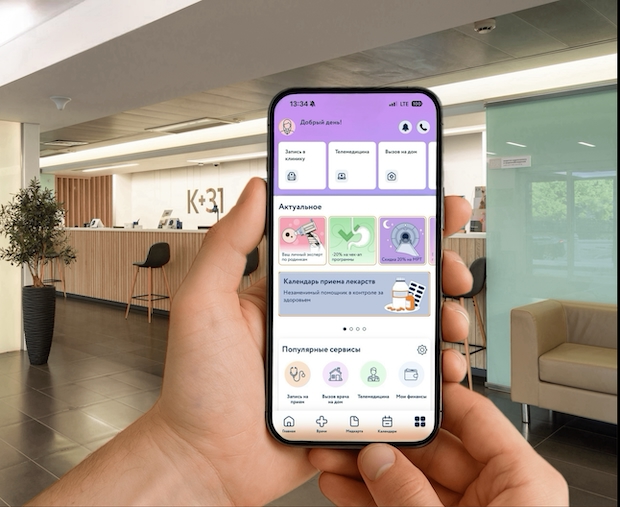
Application “Personal Account K+31”












Objectives of palliative care in gastric oncology
Palliative care is needed for:
Palliative treatment for the stomach is selected based on the patient's condition: complaints, test results, and how well they tolerate medications. Treatment plans are modified as symptoms worsen or change.
The goal is simple: maintain quality of life with cancer and eliminate unnecessary suffering.