
Progressive multiple sclerosis: how to accept the diagnosis and ensure quality of life
When a diagnosis of progressive multiple sclerosis is made, families often feel as if things will only get worse. But reaching this stage of the disease doesn't mean the end of treatment. It's a change in tactics. We no longer wait for exacerbations, but rather work with what's already there: weakness, spasticity, gait disturbances, and pelvic disorders.
Today, according to medical protocols, severe cases of MS require the involvement of several specialists: a neurologist, a rehabilitation specialist, a urologist, and a psychologist. If multiple sclerosis progresses, palliative care is an excellent option for maintaining the patient's quality of life.

specialists

equipment

treatment




Why is palliative care important at this stage?

Palliative care is initiated at the terminal stage. However, this doesn't mean that maintenance medications are discontinued. Quite the opposite: medications that improve the patient's quality of life are added to the already prescribed list.
This means that basic therapy continues, but its emphasis is on helping the patient experience less fatigue, move more safely, sleep normally, and eat and communicate without constant tension. At this stage, rehabilitation and symptom management—such as spasticity, pain, pelvic disorders, and anxiety—are especially important.
Palliative care for multiple sclerosis is needed to alleviate symptoms. A person may have problems with mobility, so doctors help choose care, organize a daily routine, and advise on diet and skin care.
Palliative care supports not only the patient but also the family. Having an action plan and a team of specialists nearby helps relatives better understand reality.
Progressive multiple sclerosis requires special care. If you're prepared for the challenges, the patient can live at home. If for any reason you can't handle all the household chores, consider inpatient care. The most important thing is to understand that any decision will be the right one. There's no need to blame yourself and make a decision that will ruin your family's life and hurt your loved one's self-esteem.
Key tasks in caring for a seriously ill patient
When rehabilitation potential declines, proper care for multiple sclerosis is especially important. It focuses on symptom management and complication prevention.
Pain and spasticity control
Spasticity is a common problem. Muscles tense, and painful spasms occur.
According to clinical guidelines, antispasticity medications and physical therapy are used. Do not change dosages on your own, as this may increase weakness or cause side effects.
Properly selected therapy can reduce pain and maintain quality of life in MS.
Prevention of secondary complications (bedsores, infections)
Sedentary patients with multiple sclerosis may develop pressure ulcers. It's crucial to care for the patient's skin: bathe them, treat folds, and keep their linens fresh.
If the patient spends most of their time in bed, be sure to turn them several times a day (it's also advisable to do this at night). An anti-pressure mattress is also recommended.
Psychological support for the family
Disability associated with MS affects not only the patient but also their loved ones. Feelings of fatigue, anxiety, and sometimes irritation are normal.
Psychological support and caregiver skills training reduce family tension and help maintain relationships.

When should you consider hospitalization in a specialized department?
If symptoms of progressive MS worsen, frequent infections occur, severe pelvic problems develop, or spasticity is difficult to manage at home, inpatient treatment should be considered.
A specialized department offers conditions as close to home as possible, but with 24-hour medical supervision.
A comprehensive approach—from adjusting pain management to training relatives in professional care skills—helps stabilize the condition and restore confidence.

Modern methods of maintaining mobility and communication
Even with severe MS, mobility support options exist: orthoses, walkers, and functional chairs. Rehabilitation is not cancelled; it is adapted to current capabilities.
For speech impairments, communicators, tablets, and specialized programs are used. This allows the person to remain involved in family life.
Nutrition support helps maintain strength, especially if there is difficulty swallowing or severe weakness.
Conclusion: Living with MS without pain and isolation
Progressive multiple sclerosis is a challenging stage. But it's not the end of the road.
With proper care for multiple sclerosis, pain can be reduced, spasticity can be alleviated, and quality of life can be maintained.
The main goal is not to isolate the person, but to maintain their participation in family life.

FAQ
Is it possible to stop the progression completely?
Should I stop taking antispasticity medications?
Is hospitalization always necessary?
Is it possible to stop the progression of MS in its late stages?
How does palliative care differ from conventional treatment?
How long can a patient stay in the palliative care unit?
Do relatives need psychological help?
This information is for informational purposes only. Consultation with a specialist is required.



This award is given to clinics with the highest ratings according to user ratings, a large number of requests from this site, and in the absence of critical violations.

This award is given to clinics with the highest ratings according to user ratings. It means that the place is known, loved, and definitely worth visiting.

The ProDoctors portal collected 500 thousand reviews, compiled a rating of doctors based on them and awarded the best. We are proud that our doctors are among those awarded.
Make an appointment at a convenient time on the nearest date
Other services

Appointment to the doctor
Reviews

















Our clinics


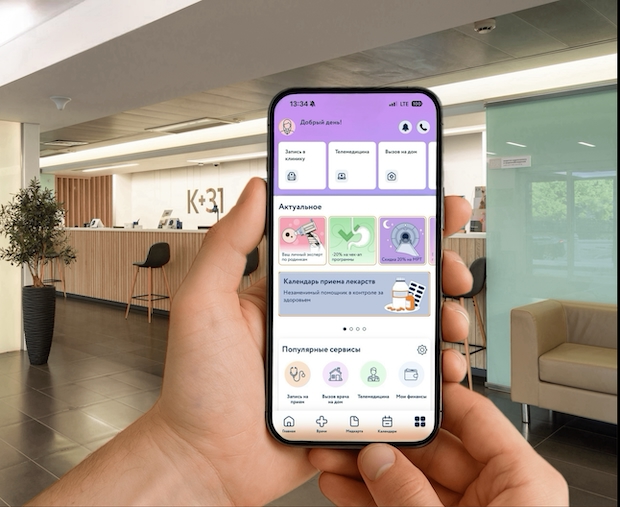
Application “Personal Account K+31”












Features of progressive forms of the disease
Progressive MS is associated with gradual demyelination and neurodegeneration. MRI images show the accumulation of lesions, but the most important is the clinical dynamics: function is lost slowly but steadily.
Primary progressive MS (PPMS)
With this form, deterioration begins from the very onset of the disease. There are no clear exacerbations or remissions—symptoms simply gradually intensify.
Most often, muscle weakness and spasticity in the legs, as well as problems with walking, are the most prominent.
Secondary progressive MS (SPMS)
Secondary progressive MS develops after a period of relapsing-remitting disease. Initially, there are exacerbations and recovery, then the disease enters a phase of slowly increasing deficits.
With this variant, disability in MS can worsen more rapidly, especially if the process remains highly active for a long time.