
Bile Duct Cancer: Options for Palliative Care and Quality Nursing
A diagnosis of bile duct cancer often comes unexpectedly. Symptoms worsen rapidly: jaundice, itching, weakness, weight loss. Families are frightened because they believe surgery is the only solution, and if doctors refuse to perform it, nothing can be done.
In fact, even in the final stages, there is a chance to live a normal life. At this stage, it is important to ensure a decent quality of life. Palliative care is an opportunity to relieve jaundice, reduce pain, and support nutrition and tranquility at home. It is not simply observation of a terminally ill person; it is care aimed at stabilizing the situation.

specialists

equipment

treatment






Relief of symptoms and improvement of quality of life
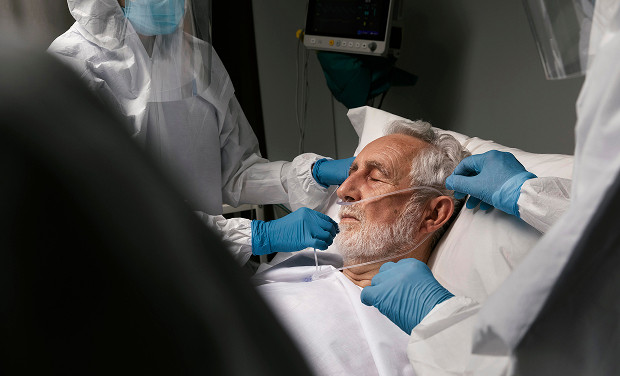
Symptoms of bile duct cancer are always associated with poor bile flow. The gallbladder is connected to the liver, and the liver is the body's main filter. If it doesn't function properly, the body begins to poison itself.
At this stage:
- Jaundice increases
- Itching begins all over the body
- Loss of appetite
- Decreased strength
Palliative care is targeted. A specialist physician addresses each individual symptom. Providing this kind of care at home is impossible.
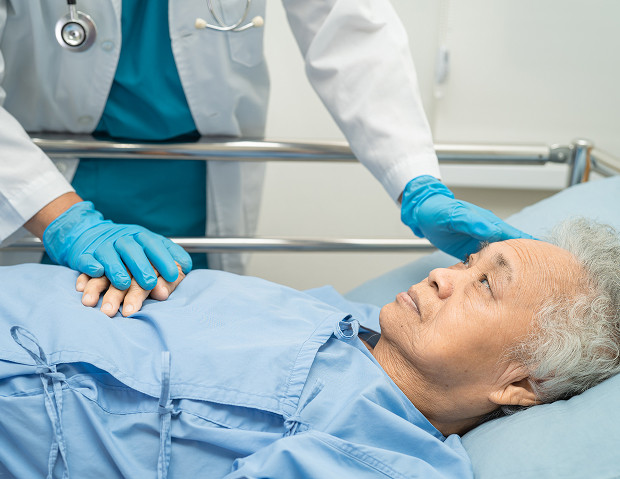
Combating mechanical jaundice and skin itching
This is the main problem with bile duct cancer. Due to poor bile drainage, the patient's bilirubin levels rise, the skin becomes even more yellow, and excruciating itching develops, which intensifies at night. This is the main cause of anxiety for the family: no one can sleep, life is ruined, and mood swings are hourly.
To improve bile flow, stenting or drainage is performed. After this, relief occurs:
- Pain in the right hypochondrium subsides
- Abdominal bloating becomes less intense
- Nausea subsides
- Stool becomes more regular
Essentially, the doctor creates a pathway for bile flow, and the patient often feels noticeably better within the first few days.
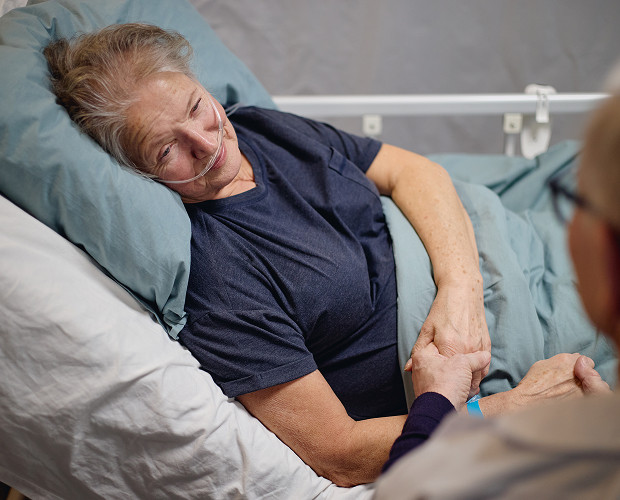
Pain Management: Modern Approaches
Pain can be related to the tumor itself, liver capsule distension, inflammation, or exacerbation of chronic diseases. Pain relief for cancer is selected according to the WHO stepwise scheme: from simple analgesics to stronger ones, if needed.
It is important to follow a schedule for pain relief for cancer. If the patient feels better, this does not mean they need to stop taking medications. It is better to manage pain every day.
Correction of Nutritional Deficiencies (Nutrition)
With cholangiocarcinoma, appetite often decreases, and the stomach feels full. The person eats less, losing weight and strength. At this stage, it is best to include nutritional support—protein shakes, which replenish energy.
Start with small portions 5-6 times a day. But in any case, you should consult a doctor before taking it.

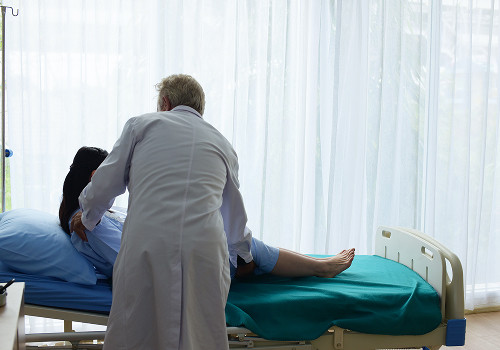
When a person becomes less mobile, caring for a cancer patient is quite challenging. It's not just about emotions, but also about preparation. Relatives need to buy a comfortable bed, an anti-bedsore mattress, and skin care products. You'll need to monitor wrinkles daily, adjust body position, and change bed linens regularly.
Keeping a diary is very helpful: record temperature, pain on a scale of 0-10, appetite, stool, urine color, and the severity of itching.
Frequently Asked Questions
If a stent is placed, will the jaundice resolve immediately?
Can severe pain be avoided in the late stages?
When should I consider hospice?
How long does palliative care last?
Table: Goals of radical and palliative treatment
| Goal | Radical treatment | Palliative treatment |
|---|---|---|
| Primary goal | Tumor removal, achieving remission | Pain relief, symptom relief, comfort |
| Methods | Surgery, chemotherapy, radiation therapy | Pain relief, stenting/drainage, nutritional support |
| Focus | Disease | People and Quality of Life |

Conclusion

When diagnosed with bile duct cancer, much depends on how quickly mechanical jaundice can be relieved, pain controlled, and nutritional support maintained. Palliative care provides a systemic approach to this, from stenting and drainage to pain relief and addressing family anxiety.
This information is for informational purposes only. Consult a specialist. Self-medication is dangerous and can lead to unpredictable consequences.



This award is given to clinics with the highest ratings according to user ratings, a large number of requests from this site, and in the absence of critical violations.

This award is given to clinics with the highest ratings according to user ratings. It means that the place is known, loved, and definitely worth visiting.

The ProDoctors portal collected 500 thousand reviews, compiled a rating of doctors based on them and awarded the best. We are proud that our doctors are among those awarded.
Make an appointment at a convenient time on the nearest date
Other services

Appointment to the doctor
Reviews





















Our clinics


Application “Personal Account K+31”












The role of palliative care in cholangiocarcinoma
Cholangiocarcinoma is a cancer of the bile ducts. It impairs bile flow, increases bilirubin, and leads to toxicity. In the later stages (when the terminal stage has arrived), the focus shifts to symptom control and safety.
Palliative care is a team effort. Doctors explain what to do with jaundice, how to manage pain, how to eat, and how to find the strength to cope.
When is it time to contact the palliative care department?
If weakness increases, itching prevents sleep, jaundice worsens, pain or nausea develops, call your doctor. Don't wait for it to get better; don't wait until your scheduled appointment.
Palliative care is needed when pain interferes with life: family members aren't getting enough sleep, the atmosphere at home is poor, or the patient has difficulty moving. It's important to understand: palliative care isn't a betrayal; it's an opportunity to spend your last days in a normal environment.