
Palliative care for pain syndrome
Pain is a constant companion of incurable diseases. It keeps patients awake at night and interferes with the patient's family's ability to live a normal life. Palliative care for pain means being able to fall asleep and wake up without painful attacks.
It's important to understand: pain can and should be treated. Federal Law No. 323-FZ enshrines the patient's right to pain relief in oncology. If severe pain persists, treatment requires revision.

specialists

equipment

treatment






Basic principles of pain relief in palliative medicine

Palliative care for pain is based on several principles: regularity, individualized dosage selection, drug combinations, and continuous assessment of the patient's response.
We don't wait until "it gets really bad." Therapy is prescribed by the attending physician, who sets the dose and adjusts it as needed.
WHO Pain Relief Ladder: From Simple to Complex
The classic WHO pain relief ladder looks like this:
- Non-narcotic analgesics for mild pain
- Weak opioids for moderate pain
- Strong opioids for severe pain
If the pain is unbearable, the doctor may immediately prescribe stronger medications. In this case, the "from least to most" rule may not apply.
Fear of opioids is a common problem. Many fear addiction, but with the correct dosage, it is virtually impossible to develop. This treatment prioritizes pain relief for cancer patients and the ability to return to a normal life.
Pain relief methods
Pain management in palliative care patients is always complex. A single injection rarely provides a lasting solution.
Drug therapy
The basis is properly selected pain therapy. The following are used:
- Extended-release tablet forms
- Transdermal therapeutic systems (TTS patches)
- Infusion solutions
- Drugs for the treatment of neuropathic pain
TTS are convenient because they provide a uniform supply of medication over several days. This reduces fluctuations in concentration and reduces the risk of breakthrough pain.
Palliative care for pain necessarily includes the management of side effects such as nausea, constipation, and drowsiness. This is part of the treatment, not an afterthought.
Non-drug methods (physiotherapy, psychology)
Sometimes the intensity of pain is aggravated by anxiety and fear. Working with a psychologist, breathing techniques, and gentle physical therapy can reduce tension.
These methods do not replace medication, but they enhance the effect and make chronic pain treatment more sustainable.
Interventional methods (blockades)
For severe pain, nerve blocks and other interventional procedures are used. They allow for temporary "disabling" of pain impulse transmission.
Pain relief in palliative patients using nerve blocks is performed strictly according to indications and under medical supervision.
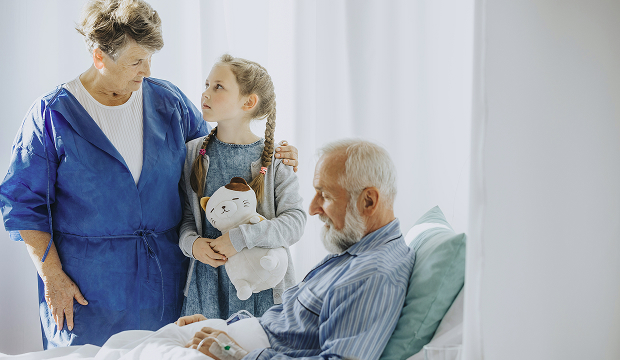
Psychological support for the patient and his family
Pain isn't just a fear for the patient. Relatives live in constant anticipation of an attack. Therefore, palliative care for pain includes essential work with the family.
We explain how the medication works, when to expect an effect, and what is considered a normal reaction.
Our goal is not just to prescribe medication, but to restore peace of mind to the home.
We help restore the joy of communication with loved ones by eliminating the fear of pain attacks through individualized therapy protocols.
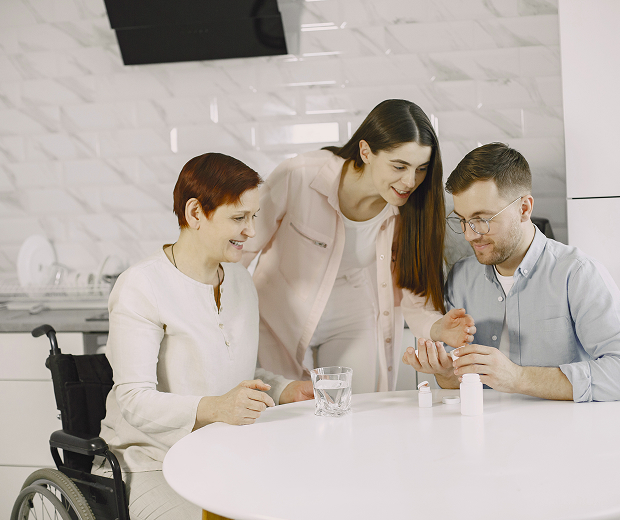
How to organize home care: advice for relatives
The home phase requires a clear plan of action:
- Follow the medication schedule on time
- Record episodes of increased pain
- Do not change the dosage on your own
- Promptly inform your doctor about side effects
Palliative care allows for pain management outside the hospital.
Proper care for terminally ill patients is especially important: preventing pressure ulcers, maintaining a comfortable body position, and monitoring nutrition and fluid intake.
Caution! Changing the dosage or substituting medications on your own may result in ineffective pain relief or severe side effects. All prescriptions must be followed by a doctor.
Self-medication is unacceptable in palliative care.
Conclusion
Today, palliative care for pain isn't just one-time injections or IVs, but comprehensive care. Modern medications, long-acting patches, interventional techniques, and psychological support make pain manageable.
If severe discomfort persists, the treatment plan requires revision. There's no need to endure it.
Properly managed pain therapy restores a person's ability to talk, eat, sleep, and feel close to loved ones—without fear of the next wave of pain.

FAQ
Is it necessary to use narcotic analgesics?
What should you do if the prescribed medications stop working?
If the pain has increased, does this mean the disease is progressing?
Is it true that strong painkillers are addictive?
Is it possible to completely eliminate pain?



This award is given to clinics with the highest ratings according to user ratings, a large number of requests from this site, and in the absence of critical violations.

This award is given to clinics with the highest ratings according to user ratings. It means that the place is known, loved, and definitely worth visiting.

The ProDoctors portal collected 500 thousand reviews, compiled a rating of doctors based on them and awarded the best. We are proud that our doctors are among those awarded.
Make an appointment at a convenient time on the nearest date
Other services

Appointment to the doctor
Reviews







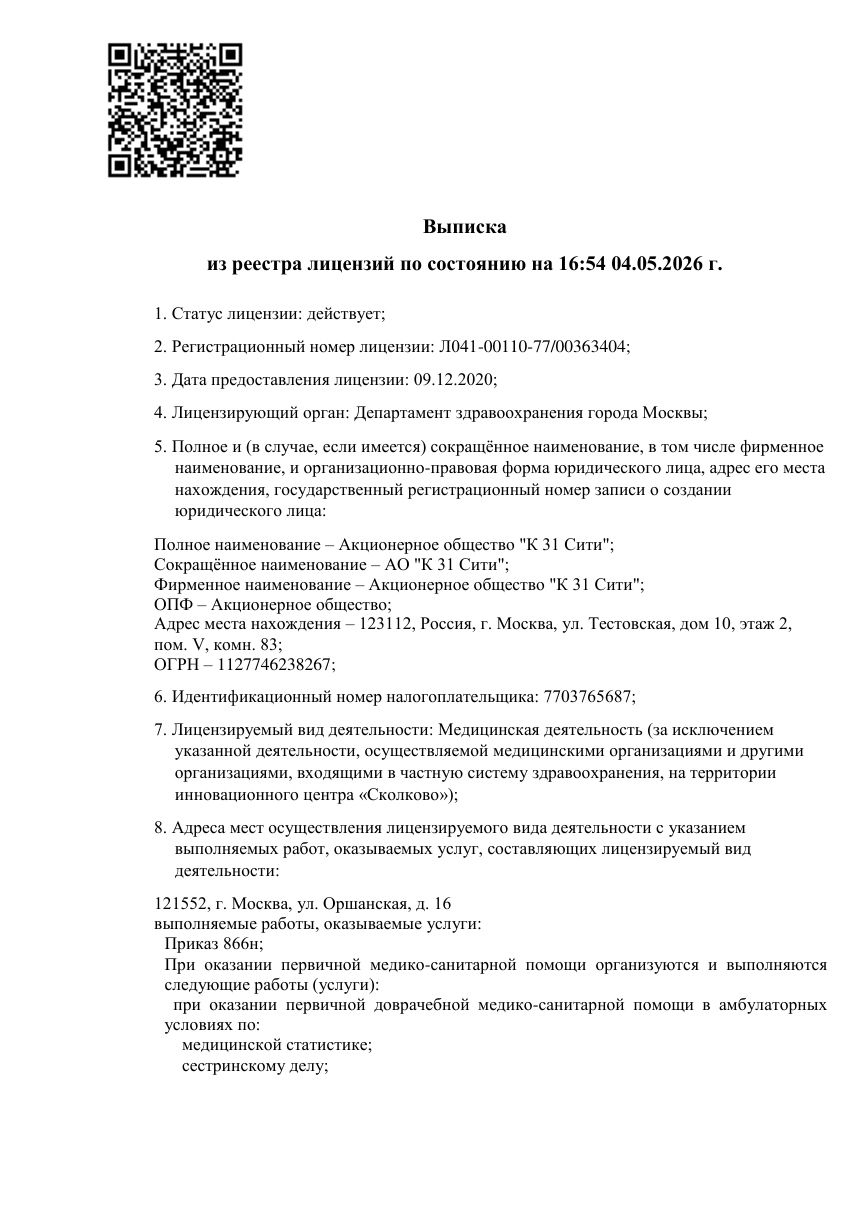

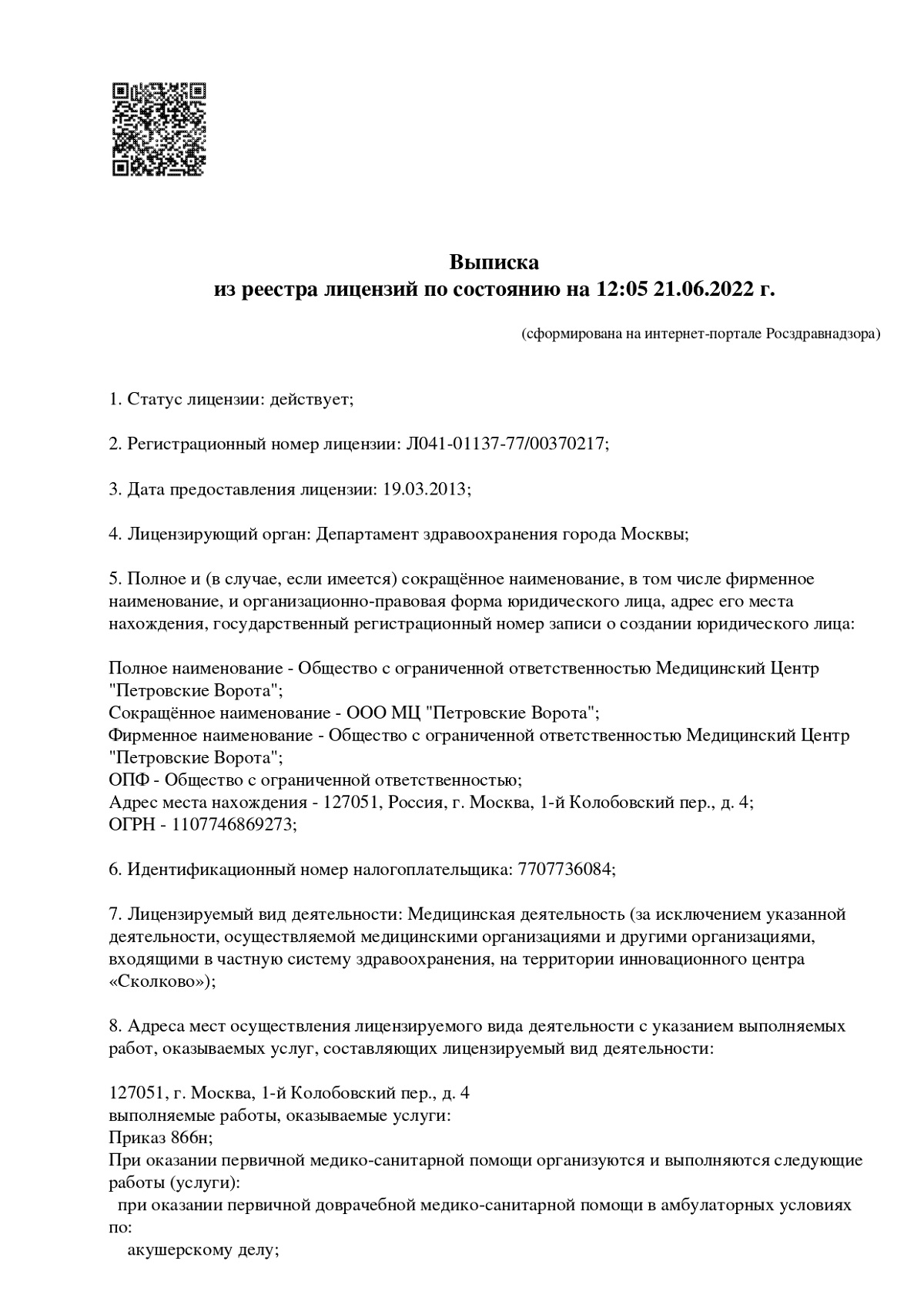
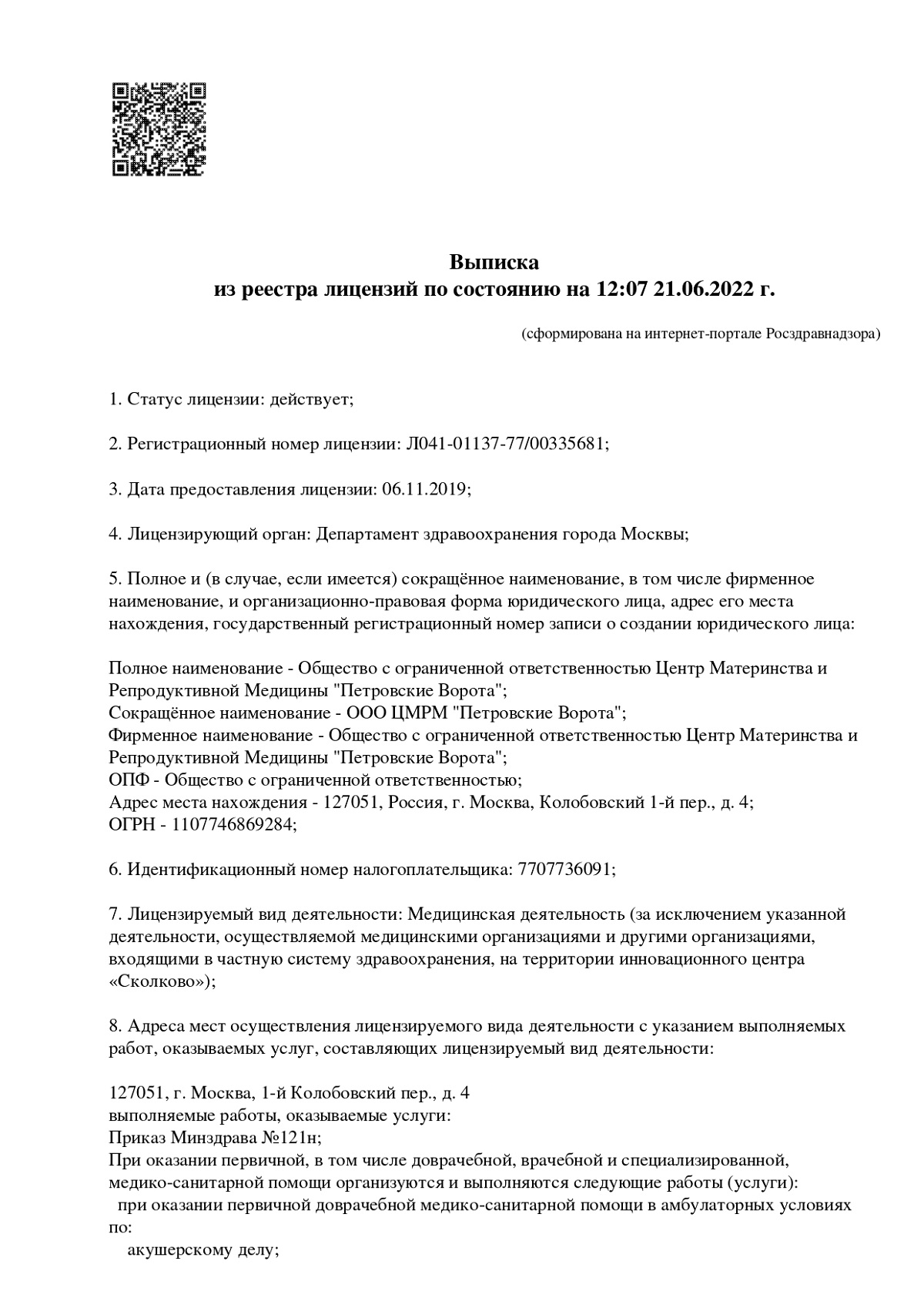


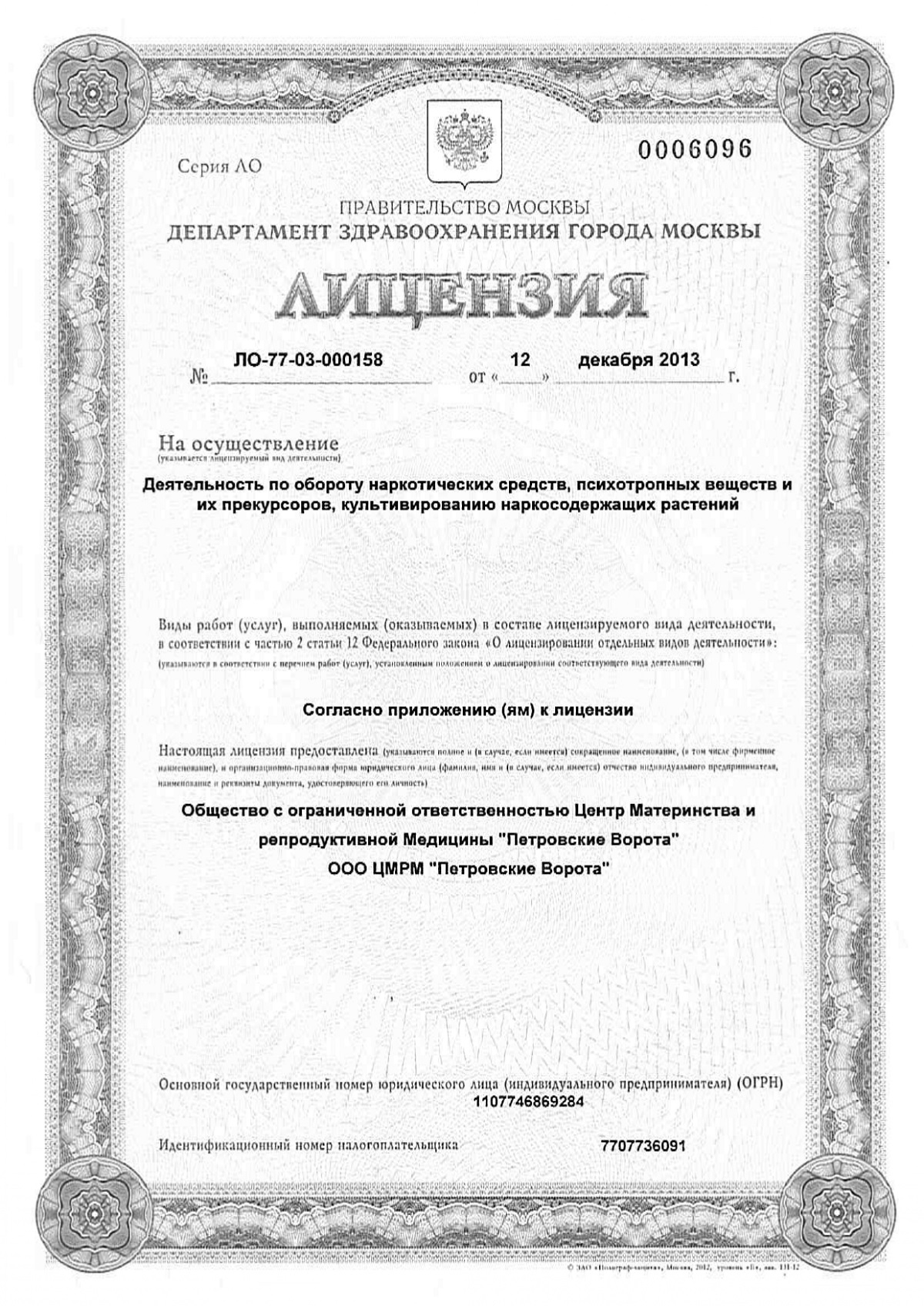
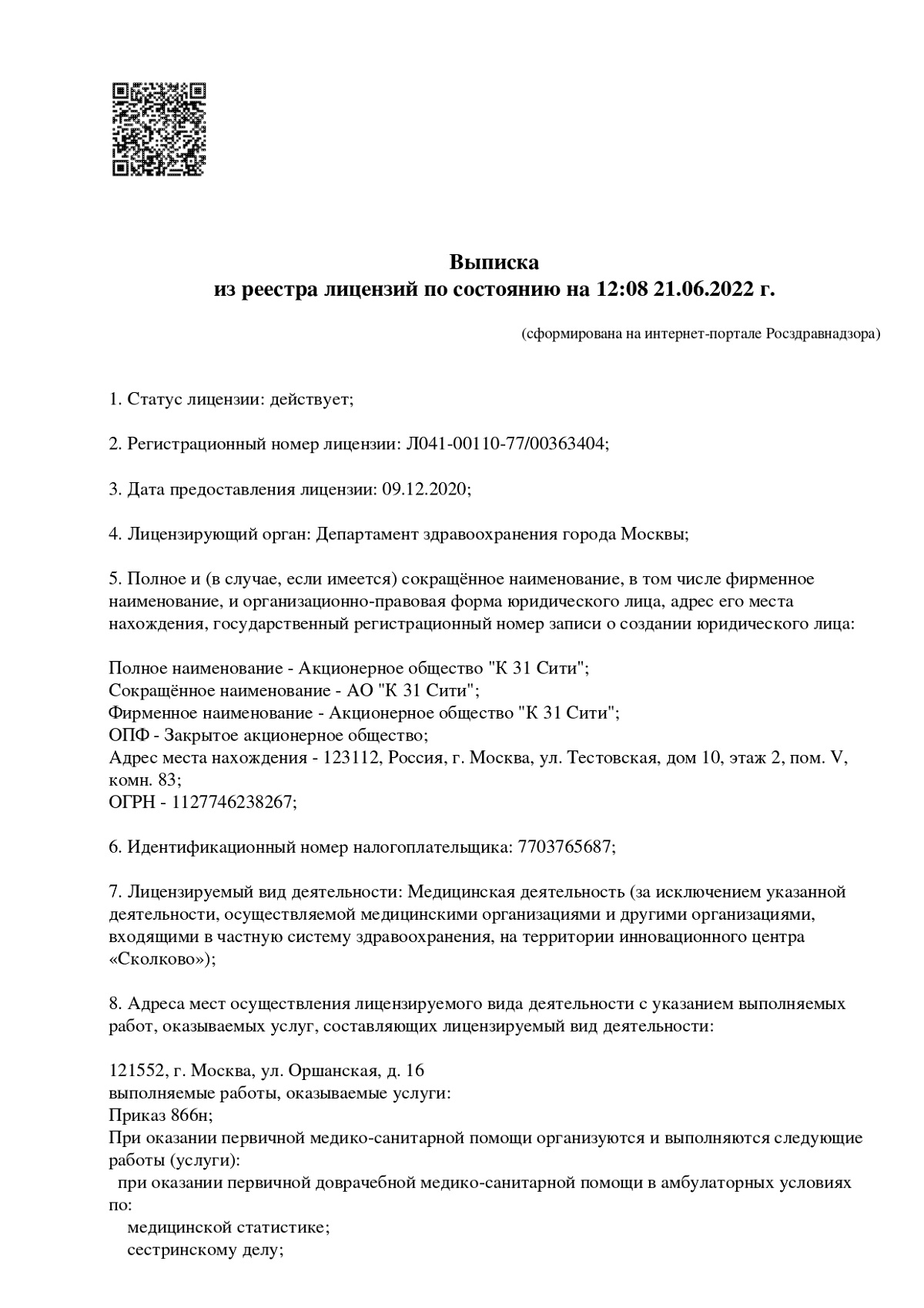




Our clinics


Application “Personal Account K+31”












Why does pain occur and why can’t you tolerate it?
Pain in cancer and other progressive diseases develops for various reasons: inflammation, damage to nerve endings, tumor pressure on tissue, and the effects of surgery or chemotherapy. Often, it is a combination of several factors.
Palliative care views pain syndrome as an independent pathological condition. Long-term pain exhausts the nervous system, disrupts sleep, increases anxiety and depression, and impairs appetite. As a result, the effectiveness of primary treatment is reduced and quality of life declines sharply.
Pain is unbearable for two reasons:
The doctor's goal is not simply to relieve the symptom, but to develop a systemic treatment for chronic pain.