
Palliative care at home: professional care and support for loved ones
When active treatment options have been exhausted, the primary goal is not fighting the disease, but caring for the person—their comfort, peace of mind, and dignity. This is precisely what home palliative care is all about.
Palliative care is not a refusal of treatment, but a transition to the next stage. We do everything we can to relieve pain, control symptoms, and maintain the patient's quality of life, providing them with maximum peace and care in the familiar home environment.
For families, this is a time of difficult decisions. Home palliative care allows you to spend this time together, surrounding your loved one with warmth, attention, and a sense of security—where they truly feel comfortable.

specialists

equipment

treatment






Palliative care at home is needed when the disease progresses and it becomes difficult for a person to travel to the hospital. This primarily applies to patients with severe oncological and neurological diseases, as well as severe cardiac or respiratory failure.
Families of the patient cannot independently request palliative care. The decision to grant palliative care status is made by a medical commission.
Benefits of home care
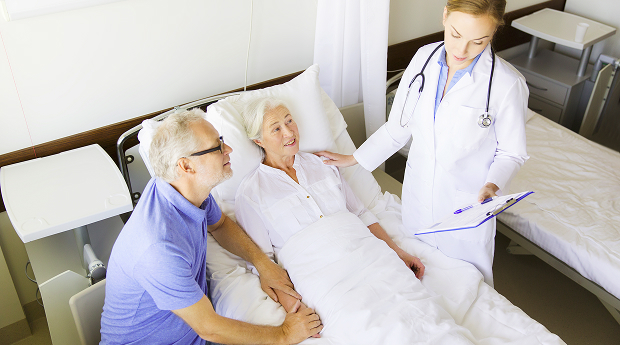
Home provides a sense of security. There are familiar people nearby, a familiar atmosphere, and relatives who can visit the patient at any time.
Providing palliative care at home isn't a matter of "leaving and leaving." It requires systematic teamwork and family training, as caring for terminally ill patients at home requires skills.
| Criteria | Inpatient | At-home |
|---|---|---|
| Environment | Hospital/Specialized | Familiar, home-like |
| Monitoring | 24-hour medical staff | Scheduled visits + family training |
| Psychological comfort | Limited visiting hours | Constant contact with family |
What are the responsibilities of the mobile team?
Outpatient palliative care service:
- Looks at the symptoms (if the pain has worsened, they can increase the dose of medication or provide pain relief at home)
- Tells the family how to care for their loved one
- Calls a psychologist and social specialist if relatives need support
Medical manipulation and pain control
Pain relief at home is prescribed by a doctor. They decide the dose. Relatives should not increase or decrease the dose—this is very dangerous, especially when using strong painkillers.
In addition to pain, doctors also address other symptoms: shortness of breath, nausea, weakness, and insomnia. Other home care options are often helpful: anti-bedsore systems, enteral feeding, and portable oxygen concentrators.
If symptoms worsen or the patient's condition changes abruptly, a palliative care physician should be dispatched.
Teaching relatives care skills
Intuitive care doesn't work here; relatives must be fully aware of their actions. The doctor and nurse demonstrate how to care safely. This greatly reduces anxiety.
Psychological and social support
Supporting relatives is an important step. Family members need to come to terms with the impending loss. This is difficult to do on your own: thoughts are frightening, and everything seems unreal. In this case, a psychologist is needed. They can help you unburden yourself of this burden.
A mobile palliative care service often helps with routing: where to obtain equipment, how to complete paperwork, and how to connect with additional services.

How to organize space for a sick person at home?
You don't need to turn your home into a ward. But living a normal life won't be possible: care for terminally ill patients must be safe.
Palliative care physicians recommend:
- Position the bed so that it can be accessed from both sides.
- Organize a place for medications and supplies so that everything is within easy reach.
- Consider pressure ulcer prevention (mattress, regular position changes).
If oxygen equipment is used at home, ventilation and the safety of wires/tubes are important.
When to call a mobile service: main indications
Contact with the team and provision of palliative care are necessary if:
- Pain has worsened or is no longer controlled by the usual regimen.
- Shortness of breath, confusion, or severe weakness have developed.
- The family has difficulty providing care; support from relatives is needed.
And yes, sometimes consultation and treatment adjustments are sufficient. But sometimes an examination is unavoidable. In this case, a visit from a palliative care physician is necessary.
Palliative care at home is a way to ensure a person has a dignified and more peaceful course of their illness. It helps manage symptoms, reduce suffering, and support their family.
This isn't about "the end of treatment." It's about ensuring life remains alive, even when the illness is serious. And ensuring that providing palliative care isn't a difficult ordeal for loved ones alone.
FAQ
Is it possible to receive care if the patient is at home, rather than in a hospice?
Yes. That's exactly what home palliative care is for.
How do you know if the service is truly needed?
If symptoms are uncontrolled or the family is struggling to cope, a mobile palliative care service can help.
Who prescribes pain relief?
Only a doctor. Home pain relief requires medical supervision and adjustments based on the patient's condition.



This award is given to clinics with the highest ratings according to user ratings, a large number of requests from this site, and in the absence of critical violations.

This award is given to clinics with the highest ratings according to user ratings. It means that the place is known, loved, and definitely worth visiting.

The ProDoctors portal collected 500 thousand reviews, compiled a rating of doctors based on them and awarded the best. We are proud that our doctors are among those awarded.
Make an appointment at a convenient time on the nearest date
Other services

Appointment to the doctor
Reviews








Our clinics


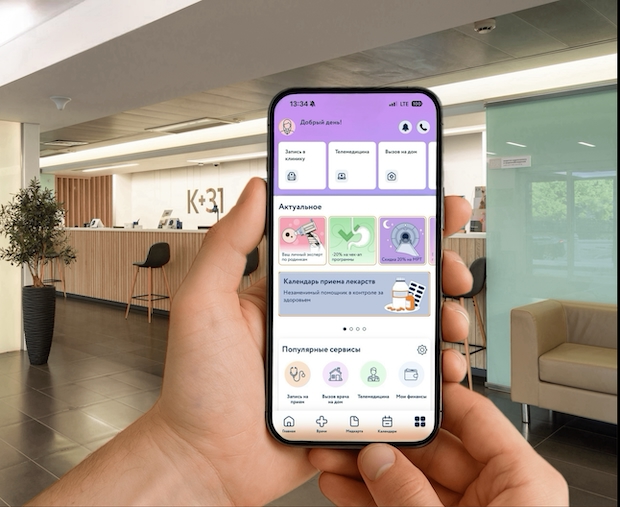
Application “Personal Account K+31”












What is a mobile palliative care service?
This is a team that monitors the patient at home. They help manage symptoms, organize care, and reduce the burden on relatives.
The team typically consists of a doctor and a nurse, and if necessary, a psychologist and social worker are involved. A visit by a palliative care physician is necessary to assess the patient's condition, adjust therapy, and determine the next steps. If palliative care status has been established, visits can become part of the family's daily routine.