
Palliative care physician: professional support during difficult times
Palliative care is not about abandoning treatment. It is about maintaining comfort, pain control, and maintaining a stable condition.
A palliative care physician becomes involved when a disease cannot be completely cured. Their goal is to preserve the patient's quality of life as much as possible.

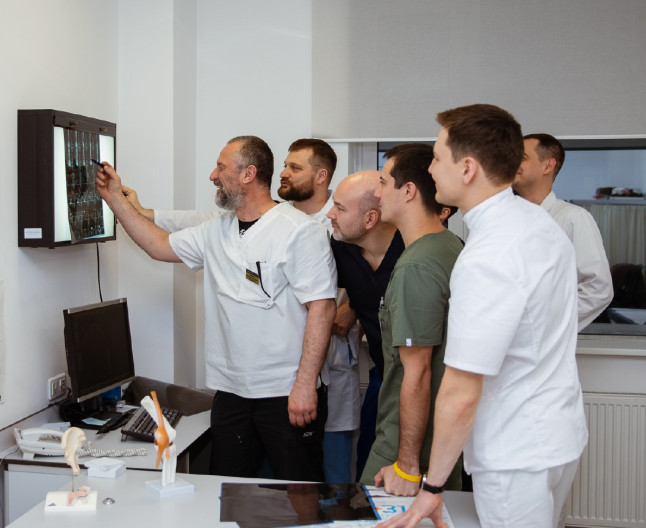
specialists

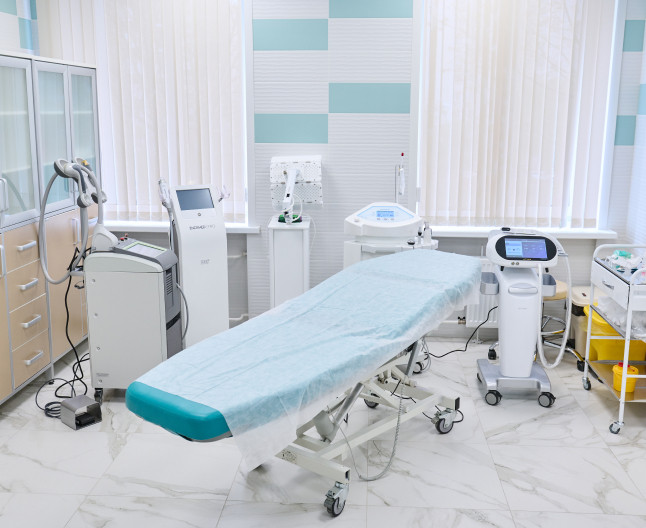
equipment

treatment






When is a specialist consultation necessary?

A palliative care consultation isn't necessary at the very end. The sooner a specialist is involved, the easier it is to manage symptoms.
You should seek medical attention if you experience at least one of the following symptoms:
- Pain persists for several days and is poorly relieved by regular medications
- Shortness of breath increases, and a fear of not breathing develops
- Nausea, vomiting, and loss of appetite lead to weight loss
- Severe weakness: the person is barely able to get up and quickly becomes exhausted
- Confusion, anxiety, insomnia, panic attacks
- Relatives are burnt out and don't understand how to organize palliative care at home
In such situations, a palliative care physician explains what to do today, what medications to keep on hand, when to call a doctor, and when it's possible to manage at home.
Directions of work of a doctor
A palliative care physician assesses the overall condition, prognosis, severity of symptoms, and family resources. Then, they develop an individualized plan.
Pain relief and symptom control
Pain is the most common cause of suffering. And it can be controlled. Pain management is carried out stepwise, from nonsteroidal drugs to opioid analgesics. Only a doctor can prescribe strong painkillers.
It's important not to tolerate pain. Constant pain exhausts the nervous system, increases anxiety, and impairs the patient's quality of life.
Psychological and social adaptation
A serious diagnosis affects more than just the body. A person loses their usual role, sense of control, and confidence. Therefore, supporting terminally ill patients also involves dealing with anxiety, fear of death, and depression.
Supporting relatives is equally important. They often live in constant tension. Talking to a specialist reduces anxiety and helps them accept what's happening without feeling guilty.
Teaching relatives about caregiving
The patient spends most of their time at home. Therefore, palliative care is impossible without family education.
The specialist demonstrates:
- How to change body position to prevent bedsores
- How to care for skin and mucous membranes
- How to feed a weakened person
- What symptoms require urgent attention
Palliative care is always a team effort. But it is the palliative care physician who coordinates it.

How does the appointment and diagnosis of the condition take place?
An initial consultation with a palliative care physician is not a diagnosis, but a symptom assessment.
The doctor clarifies:
- Underlying disease and stage
- What treatments have already been administered
- What symptoms are currently bothering the patient?
- What medications does the patient take daily?
- Are there any side effects?
- Living conditions and family resources
If necessary, additional examinations are ordered. However, unnecessary procedures are avoided. The goal is not to "examine further at any cost," but to understand how to improve the patient's quality of life.

Formats of assistance: at home and in hospital
Palliative care can be provided in various settings. The choice depends on the patient's condition, the severity of symptoms, and the family's resources.
Home Care
Home care is appropriate if the patient's condition is relatively stable and 24-hour monitoring is not necessary.
A palliative care physician comes to examine the patient, adjusts treatment, and educates the family.
Inpatient Care
Hospice is necessary if:
- Severe pain cannot be controlled at home
- Complex pain management regimens are required
- Increasing respiratory failure
- There is a risk of life-threatening complications
- The family is temporarily unable to provide care
In these circumstances, palliative care is provided around the clock. Various specialists are involved. This enhances support for terminally ill patients during difficult periods.
In both formats, the key principle remains: helping relatives. They are explained the prognosis, taught how to care, and supported during periods of emotional exhaustion.
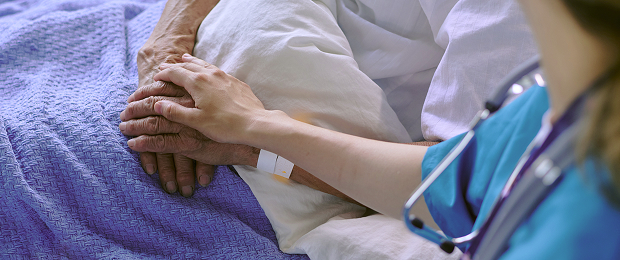
Why it is important to contact us on time
The sooner a palliative care physician is involved, the greater the opportunity to control symptoms and maintain a stable condition. Waiting for the "critical moment" almost always leads to increased pain, anxiety, and complications.
Palliative care does not interrupt primary treatment if it is ongoing.
FAQ
Is it possible to tailor pain relief so that the patient remains conscious?
Most often, yes. The regimen is adjusted gradually, with monitoring of dosages and side effects.
Is it necessary for the patient to lie down all the time and adhere to strict bed rest?
No. Movement is adjusted based on the patient's condition. Sometimes this is simply changing position in bed, sometimes it's short walks around the room.
How do you know when home care is no longer safe?
Warning signs include frequent falls, confusion, inability to eat or drink, increasing shortness of breath, severe pressure ulcers, or when the family requires 24-hour monitoring.

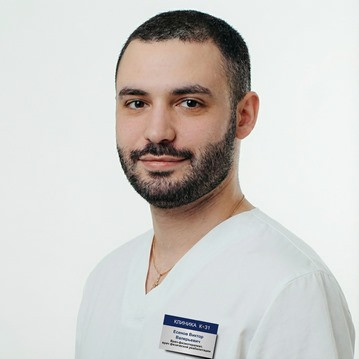

This award is given to clinics with the highest ratings according to user ratings, a large number of requests from this site, and in the absence of critical violations.

This award is given to clinics with the highest ratings according to user ratings. It means that the place is known, loved, and definitely worth visiting.

The ProDoctors portal collected 500 thousand reviews, compiled a rating of doctors based on them and awarded the best. We are proud that our doctors are among those awarded.
Make an appointment at a convenient time on the nearest date
Other services

Appointment to the doctor
Reviews


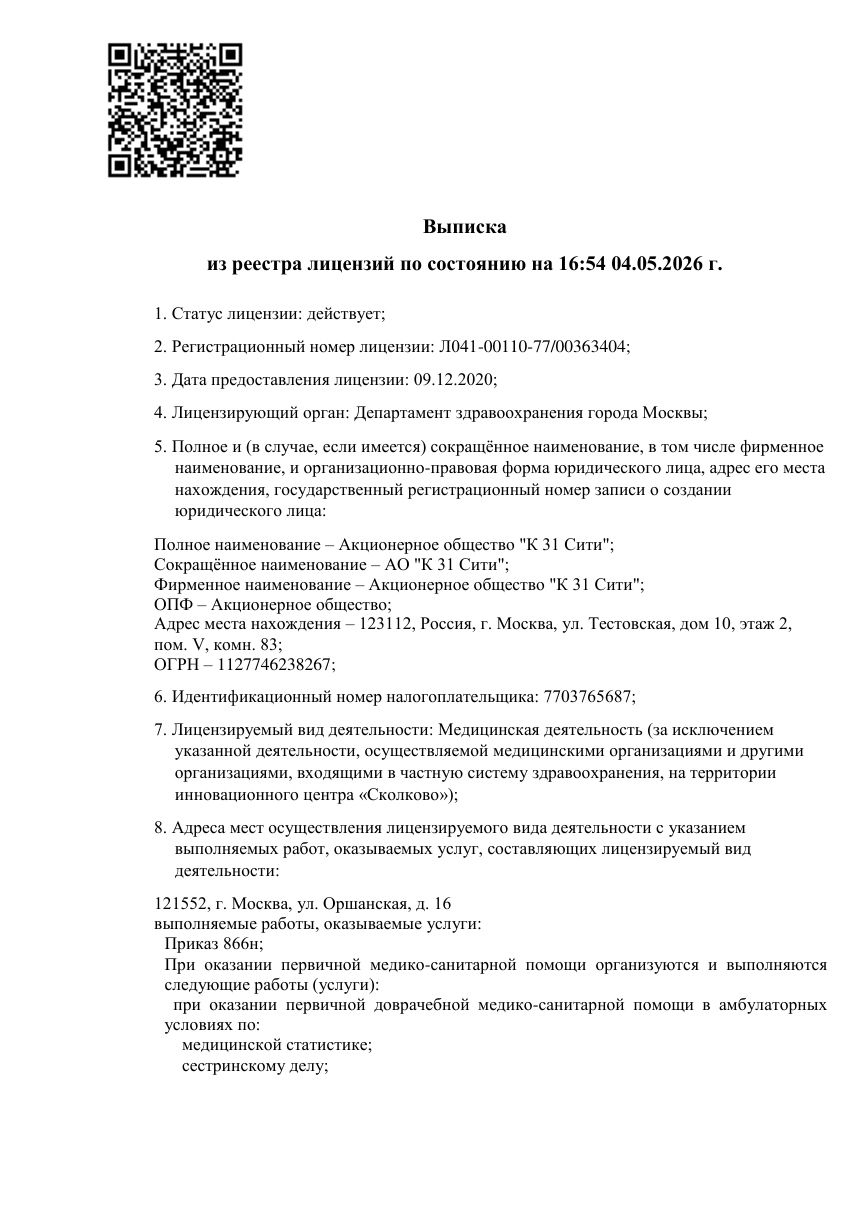
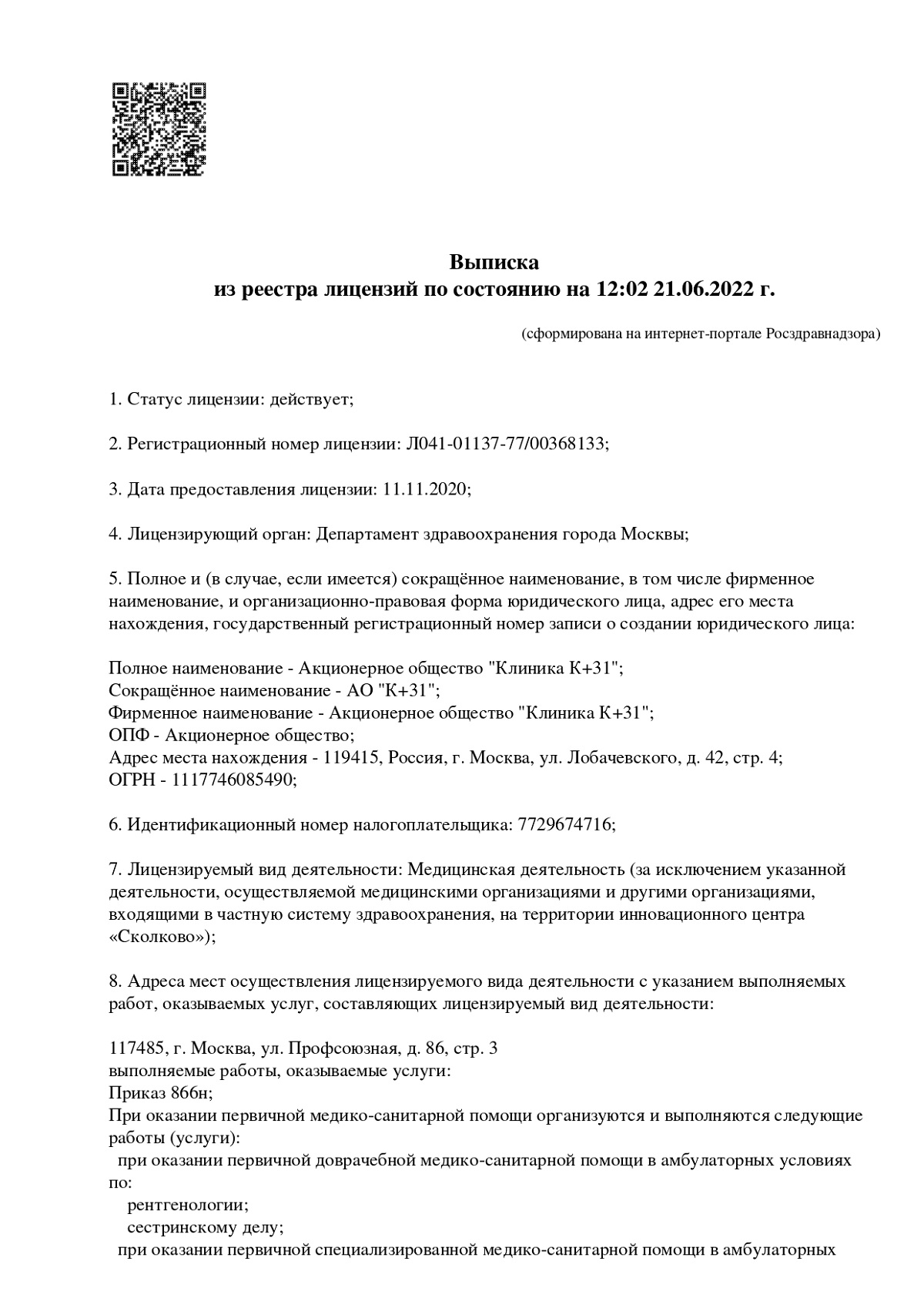
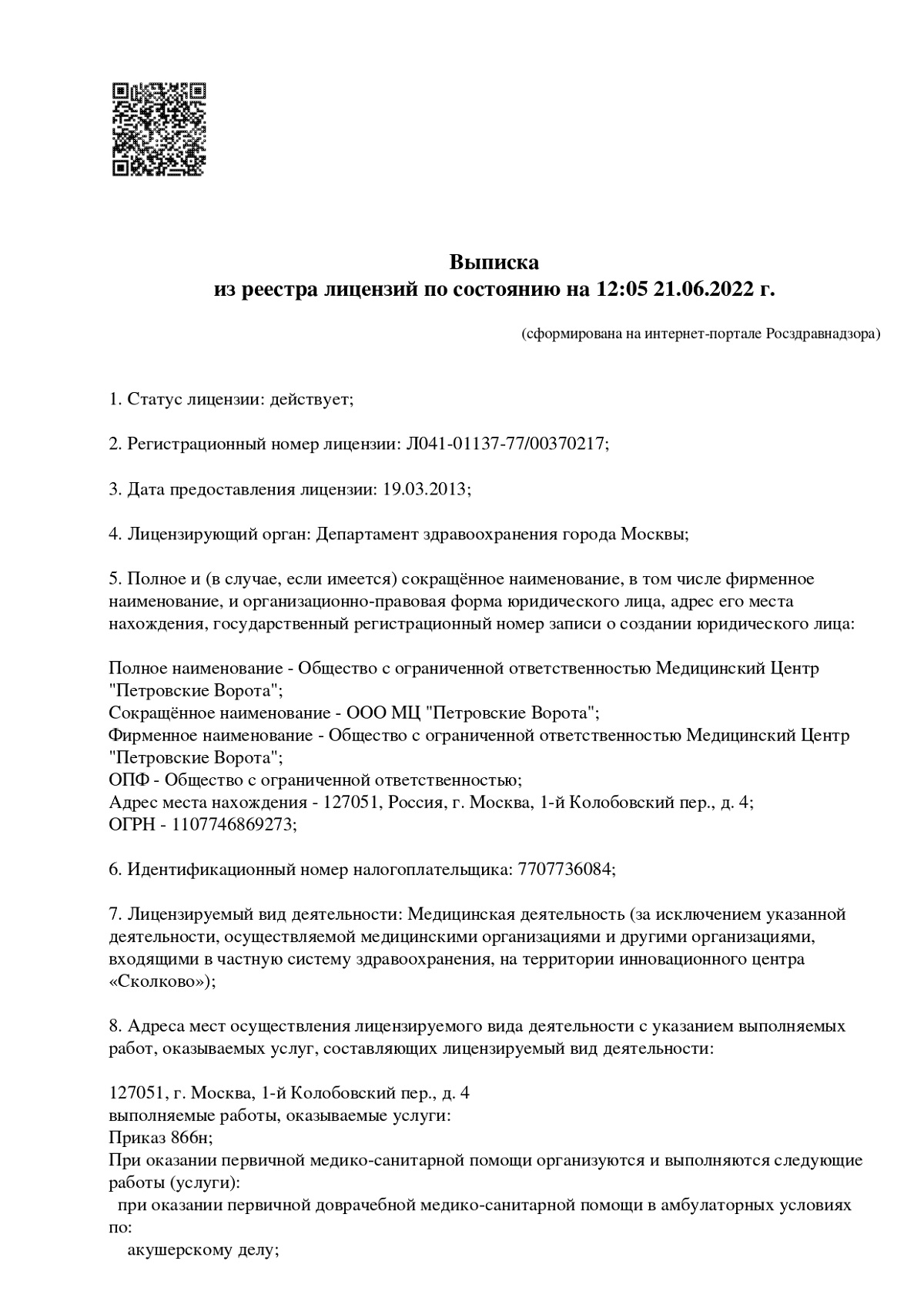
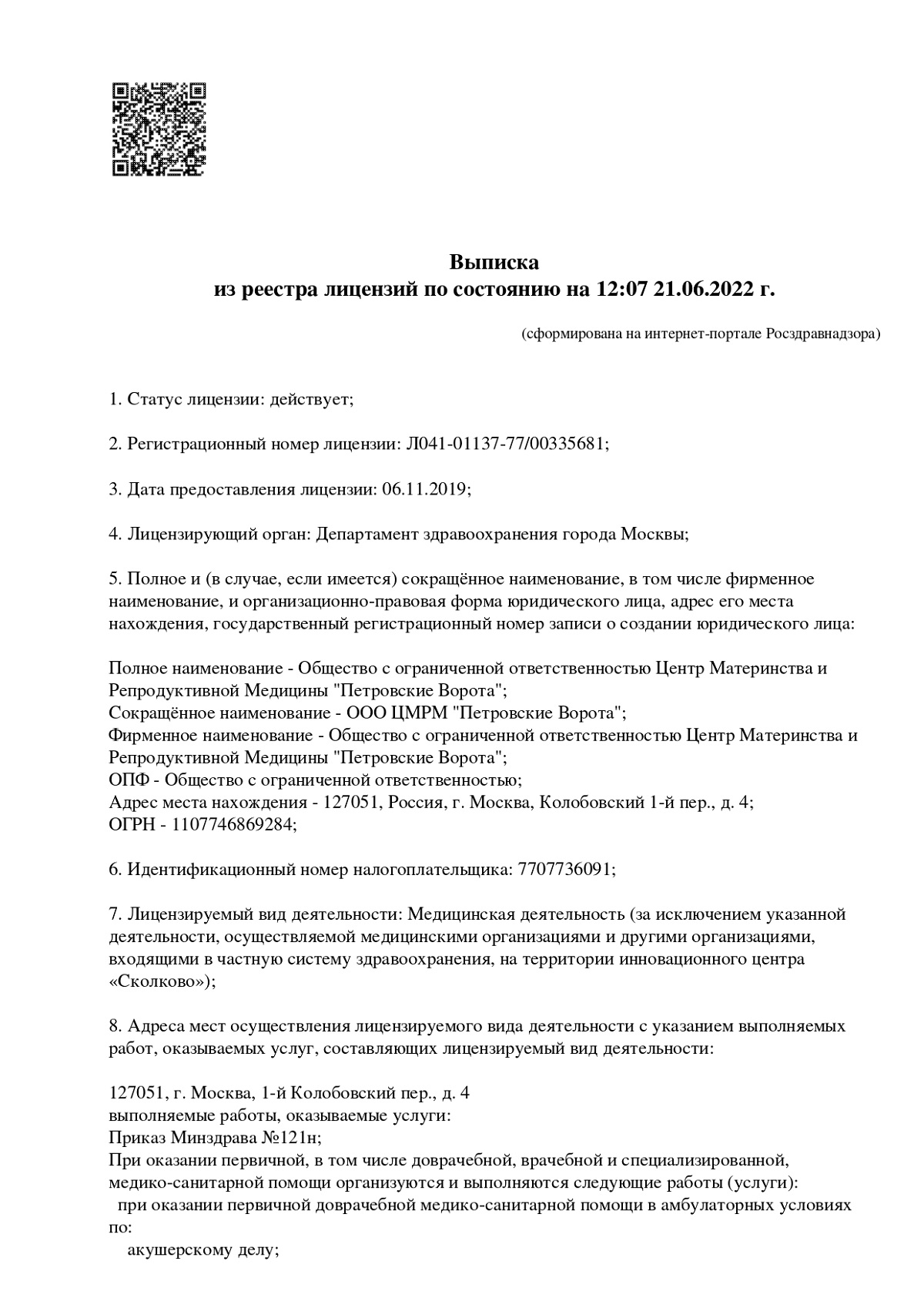
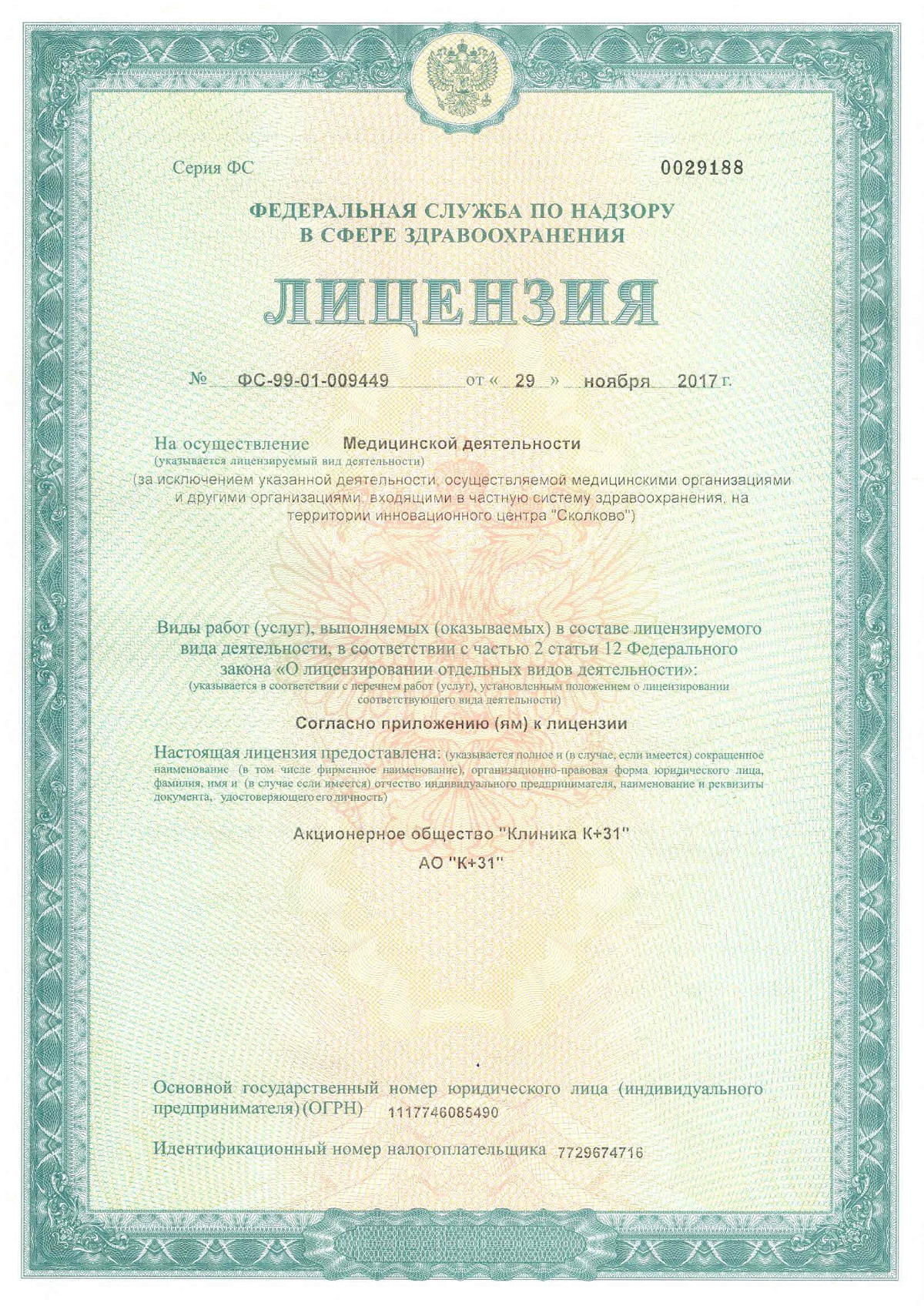
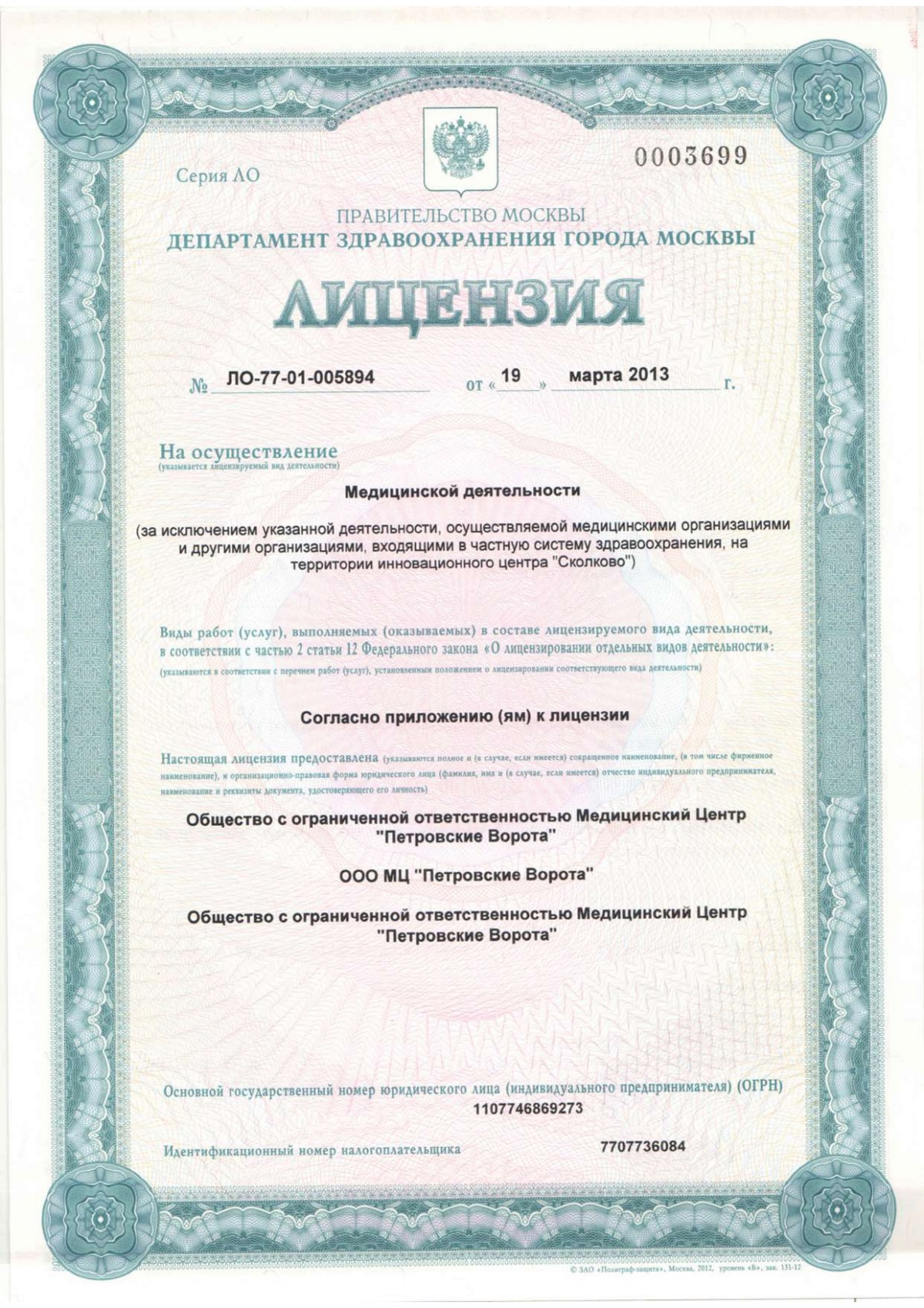

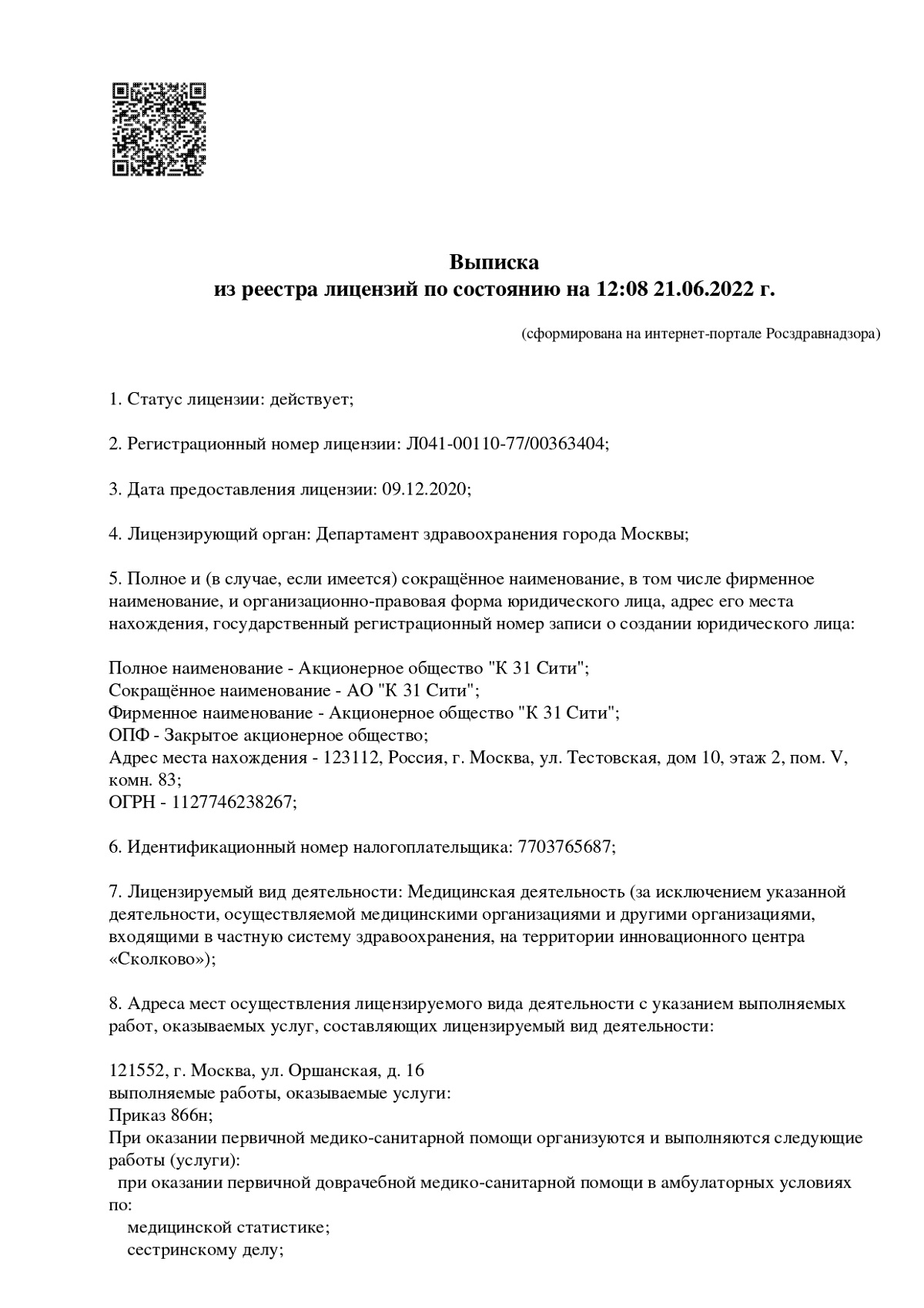
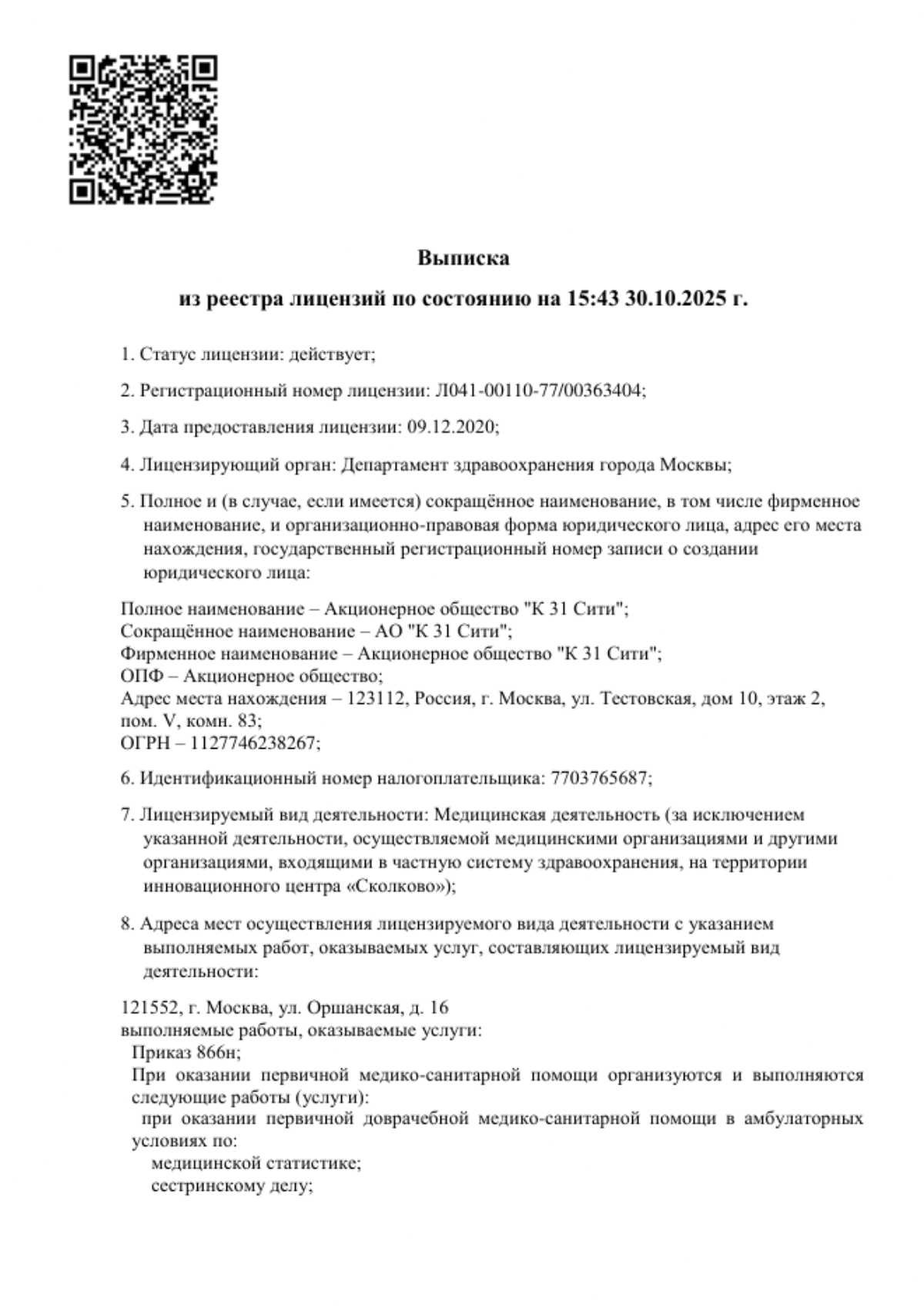
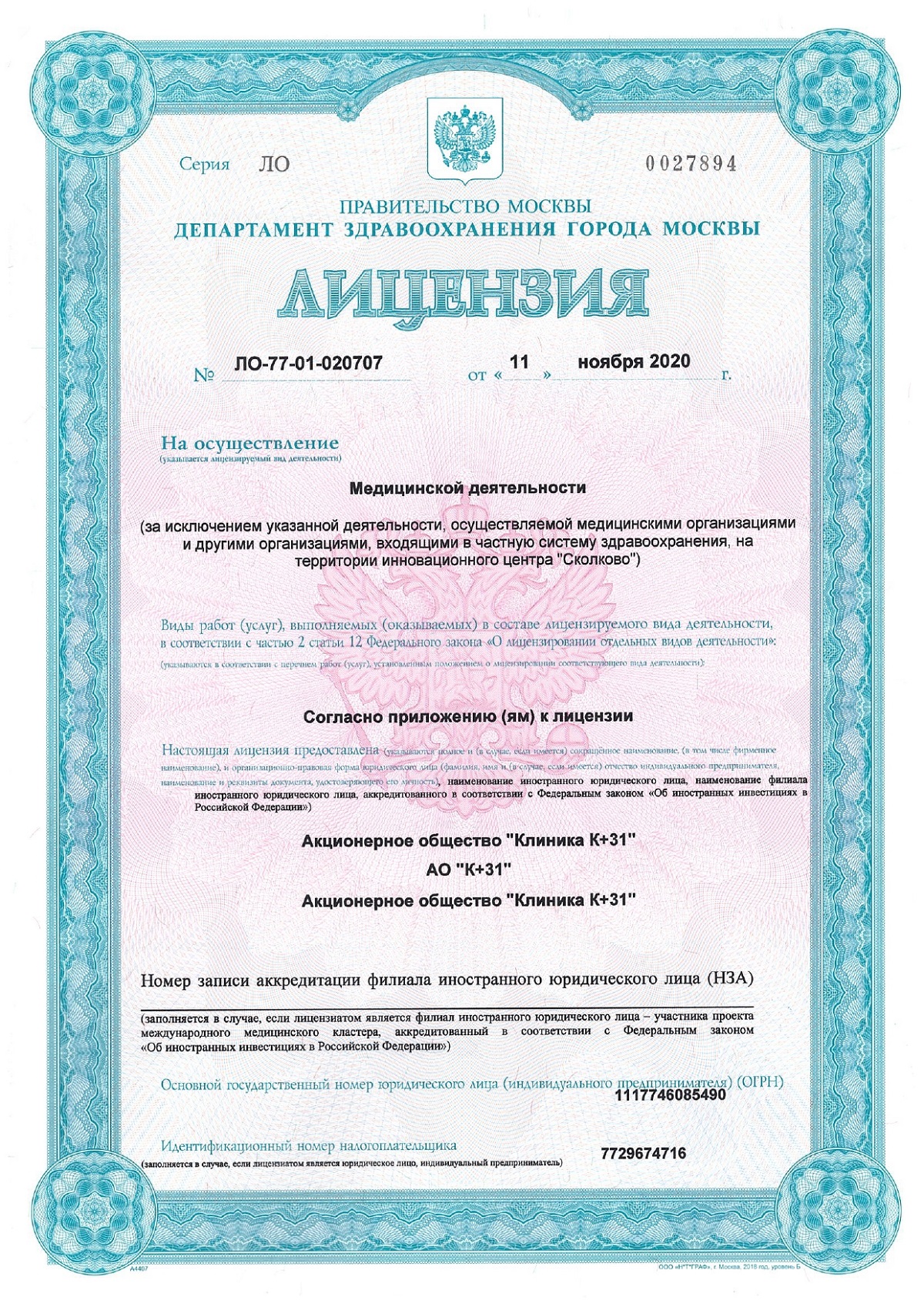
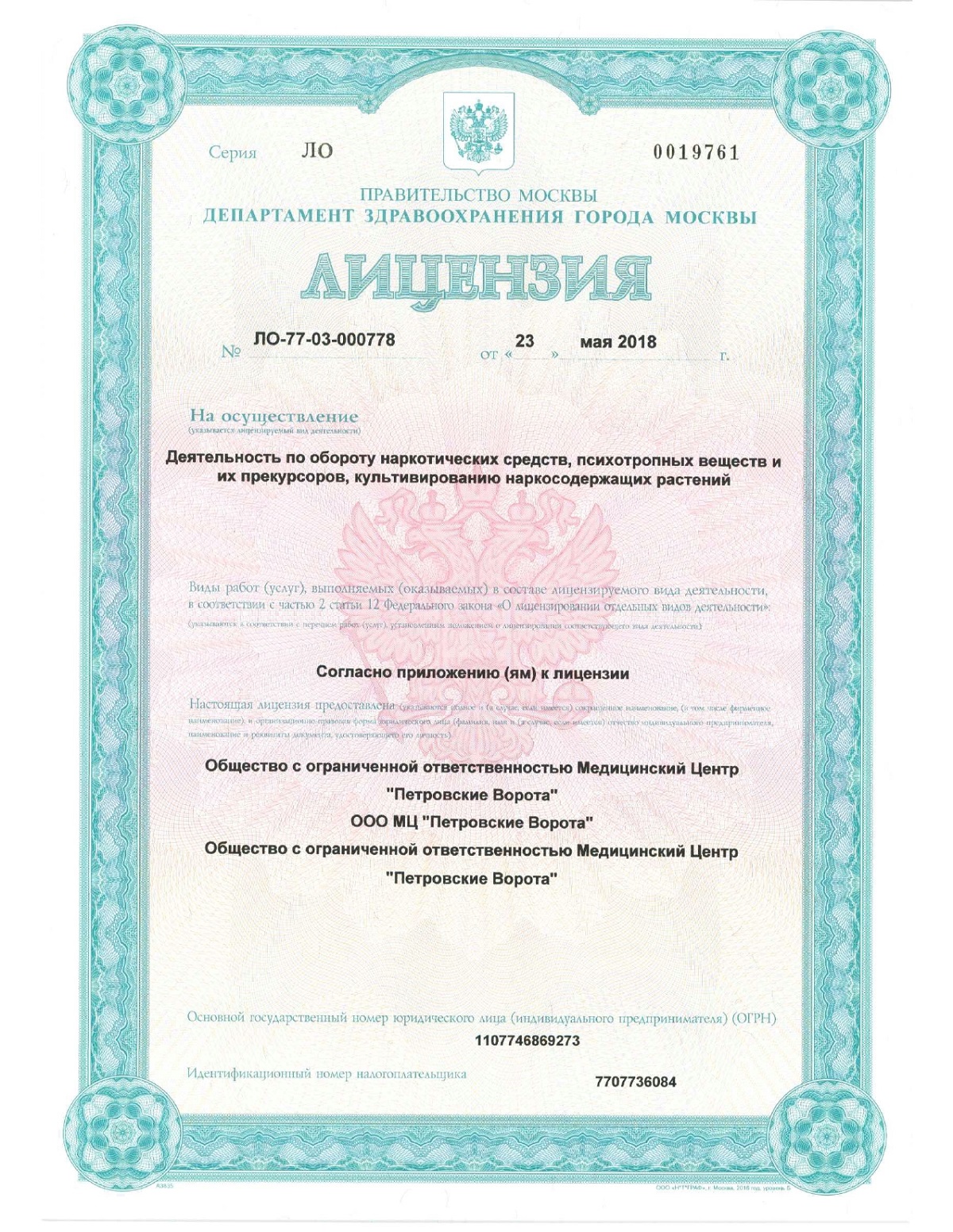
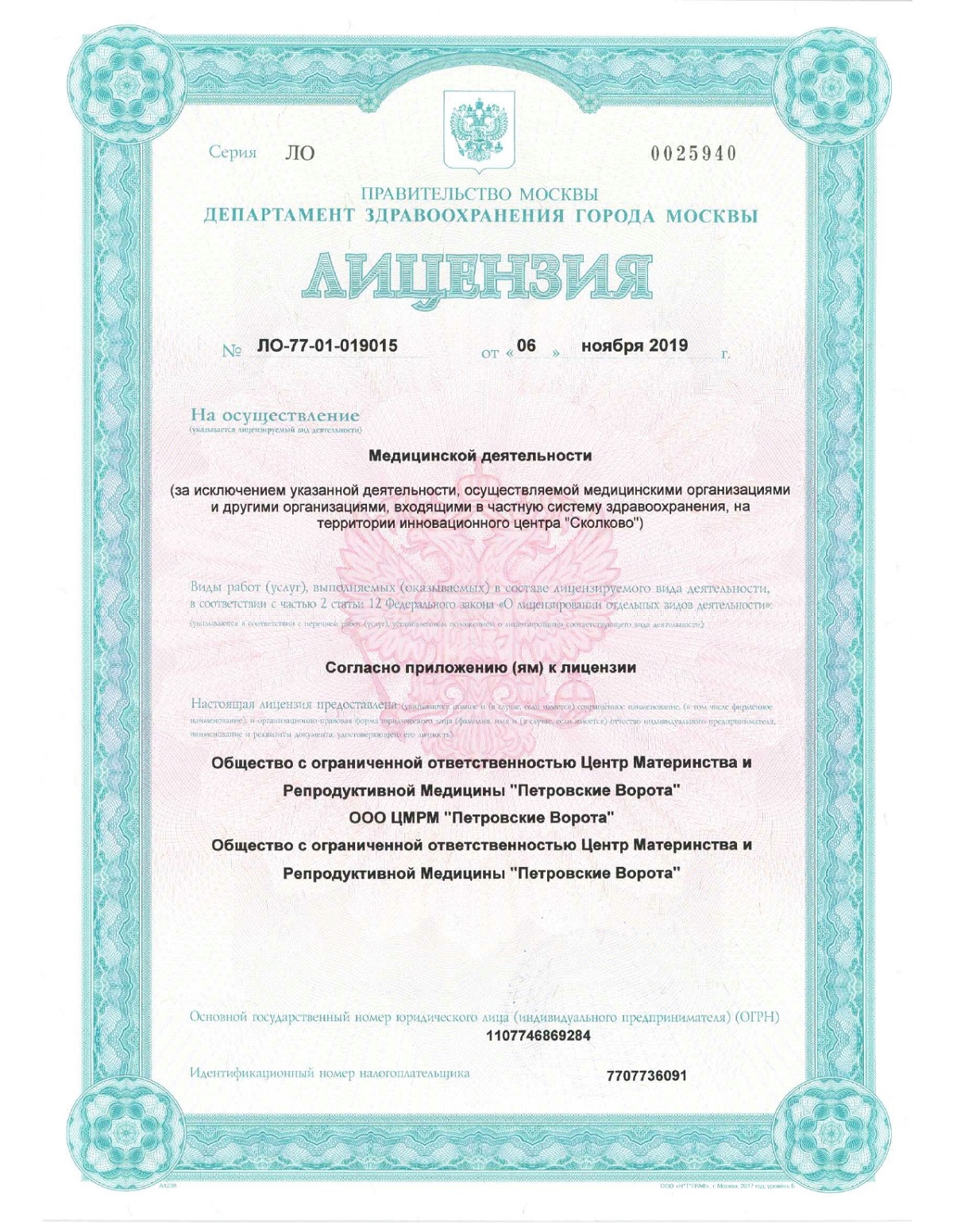
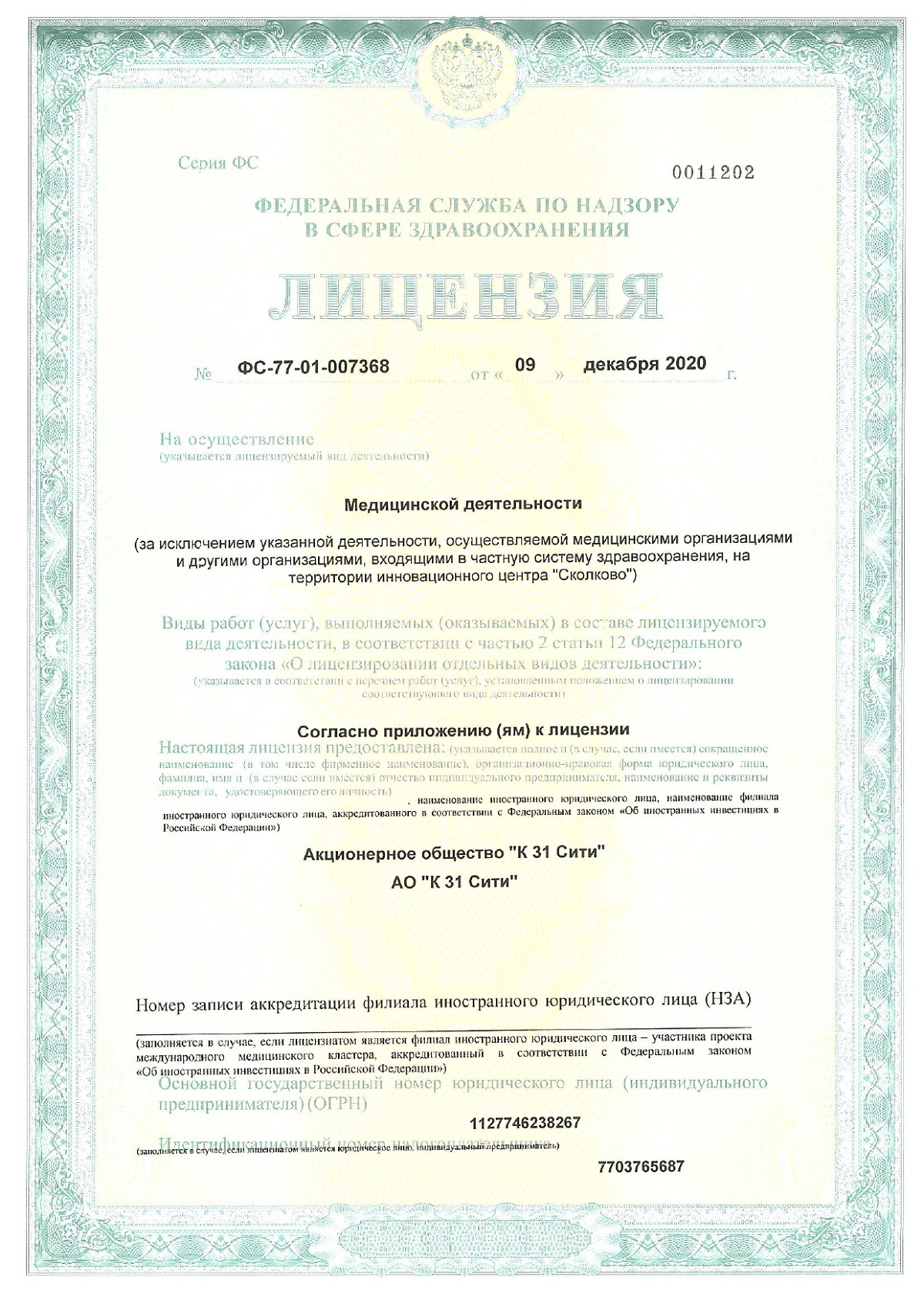
Our clinics


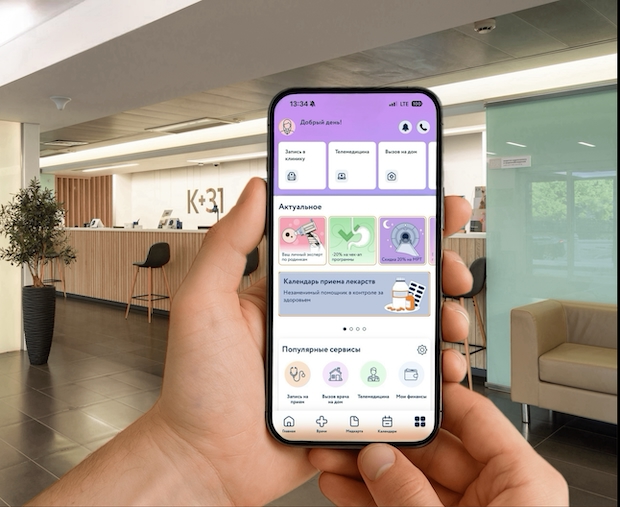
Application “Personal Account K+31”












Who is a palliative care physician and what are his main tasks?
A palliative care physician works with patients with cancer, severe heart failure, COPD, dementia, ALS, and other progressive conditions.
Primary responsibilities:
Palliative care is always aimed at a specific outcome—improving well-being here and now. If the condition changes, the physician adjusts the treatment plan.