
Labia cancer: how to ensure quality of life and professional care
Intimate diseases can cause heightened anxiety, and vulvar cancer is one of them. It's especially frightening when the symptoms are visible to the naked eye, as is the case with labia cancer. In addition to the physical symptoms, a woman may also experience a host of doubts and fears.

specialists

equipment

treatment





Palliative care goals for vulvar cancer

The goal of palliative care for cancer is not a cure, but rather to improve the quality of life of women with terminal vulvar cancer. The primary goal of specialists is to relieve the woman's suffering and prolong her active life. Palliative care for vulvar cancer consists of three main components:
- Pain relief and discomfort management
- Regular hygiene procedures and infection prevention
- Supporting psychological resilience and improving social interactions
Thanks to palliative care, a woman has the opportunity to spend her remaining time with dignity and comfort.

Effective pain relief and symptom control
Advances in medicine make it possible to effectively relieve pain associated with labia cancer. Properly selected medications provide a lasting effect, relieving the discomfort associated with labia cancer. Taking medications can improve sleep and appetite.
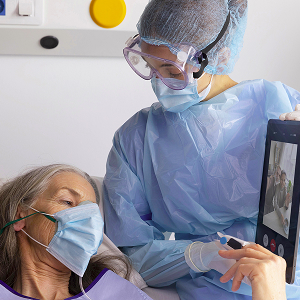
Monitoring vulvar cancer symptoms is an important component of palliative care. The doctor monitors the patient's progress, regularly inspects wounds and ulcers, changes dressings, and applies antiseptics.
Important! Early detection of new foci of inflammation provides insight into the progression of the disease and allows for appropriate interventions, so regular intimate examinations are essential.
Recommendations for hygienic care and treatment
With labia cancer, special attention should be paid to the condition of the skin and mucous membranes of the external genitalia. Avoid using irritating detergents or underwear made of harsh synthetic materials. Frequent washing with warm water and gentle intimate hygiene products is essential for labia cancer.
Care of the affected intimate skin should include thorough cleansing and moisturizing with special creams, ointments, and antiseptic solutions. The frequency of treatment depends on the individual's individual characteristics and the rate of tissue regeneration. It is very important to change bed linen and underwear at the first sign of contamination.
Skin care and complication prevention
Along with following hygiene recommendations, a special diet rich in vitamins, minerals, and antioxidants is essential. The diet is individually tailored, taking into account the patient's preferences, eating habits, and possible contraindications. The menu is selected by a nutritionist and the attending physician.
To prevent pressure ulcers and ulcerative skin lesions, proper body positioning, proper mattress and bed selection, and the use of soft pads and dressings are essential. Physical activity, which stimulates circulation and metabolism, is also important.
Psychological support for the patient and loved ones
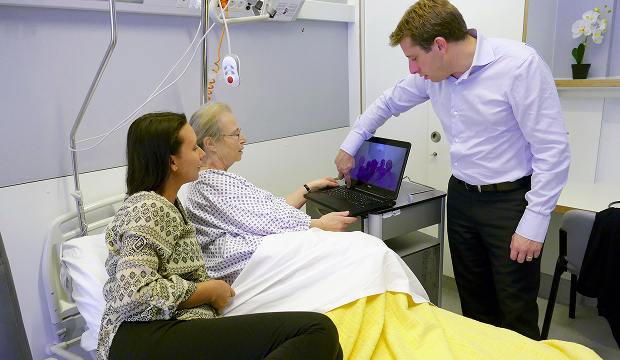
Support from loved ones and friends is one of the most important factors in a woman's successful adaptation to her new situation. A psychotherapist conducts individual discussions and group sessions aimed at accepting the inevitability of what is happening. Families receive psychological consultations and take courses to prepare for cancer care.
Family gatherings and communication with women in a similar situation are especially helpful. Visiting churches and participating in volunteer programs can also improve mental well-being. Feeling cared for by others, a woman gains the strength to continue her struggle.

Social and spiritual assistance
Social support includes benefits, allowances, tax exemptions, and the creation of favorable working and living conditions. The state guarantees free medications, equipment, transportation, and payment for caregivers and nurses. Organizations providing legal protection, material, and moral support play a significant role.
A separate area is spiritual support. Clergy visit the sick, conduct services, pray with them, and provide support to religious families. This interaction creates an atmosphere of peace and tranquility and inspires hope for a better future.

When to contact the palliative care department
It is advisable to seek treatment at specialized cancer care facilities immediately after diagnosis. Hospitalization is typically based on indications determined by the oncologist. The main factors indicating the need for hospitalization include:
- Progressive deterioration of general condition
- A sharp increase in vulvar cancer symptoms
- The need for specific treatment procedures (blood transfusion, chemotherapy)
- The development of severe complications (tissue necrosis, bleeding, sepsis)
By seeking help promptly, a woman can avoid many undesirable consequences and maximize her quality of life.
Differences between curative (therapeutic) and palliative approaches to vulvar cancer (table)
| Criteria | Curative approach | Palliative approach |
|---|---|---|
| Goal | Tumor elimination, remission | Symptom relief, comfort |
| Methods | Surgery, chemotherapy, radiation therapy | Pain relief, supportive care, nursing care |
| When used | If radical treatment is possible | If a cure is impossible or the disease is advanced |
| Result | Tumor control or cure | Improved quality of life |
Conclusion
Only the combined efforts of medical professionals, social services, and family and friends can help a woman with cancer feel protected and confident about the future.
The material provided is for informational purposes only and does not replace a visit to the clinic. Taking medications and undergoing any medical procedures is permitted only with a doctor's prescription.

FAQ
Is it possible to completely cure vulvar cancer?
Is palliative care necessary for labia cancer?
Should she continue to fight the disease in its final stages?
What are the most prominent symptoms of labia cancer in the late stages?
Is it possible to manage severe pain at home?
What does care involve when a tumor disintegrates?
How can I provide psychological support to a loved one?



This award is given to clinics with the highest ratings according to user ratings, a large number of requests from this site, and in the absence of critical violations.

This award is given to clinics with the highest ratings according to user ratings. It means that the place is known, loved, and definitely worth visiting.

The ProDoctors portal collected 500 thousand reviews, compiled a rating of doctors based on them and awarded the best. We are proud that our doctors are among those awarded.
Make an appointment at a convenient time on the nearest date
Other services

Appointment to the doctor
Reviews















Our clinics


Application “Personal Account K+31”












Features of the course of the disease in the late stages
The terminal stage of vulvar cancer is characterized by tumor spread beyond the initial site, as well as the development of metastases. Women experience severe pain and suffer from constant discharge, which has an extremely negative impact on their overall health and quality of life.
Pronounced symptoms of labia cancer include bleeding from the tumors, itching, and inflammation of the skin and mucous membranes. Women with this type of cancer often experience lower abdominal and lower back pain, as well as difficulty urinating and defecating.
In addition to the obvious physical complications, patients experience significant psychological consequences: women become withdrawn, feel abandoned, and suffer from depression and apathy. All of this impacts the progression of the disease.