
Skin Melanoma: Palliative Care Options and Care Principles
When skin melanoma progresses to the final stage, families fear that their loved one will suffer in pain. For many, palliative care simply means stopping treatment. In reality, this isn't a cessation of treatment; it's a change of focus.
If the disease can no longer be controlled, palliative care physicians focus on ensuring the patient's quality of life, with an emphasis on pain relief.
Palliative care for melanoma is about symptom management and family support.

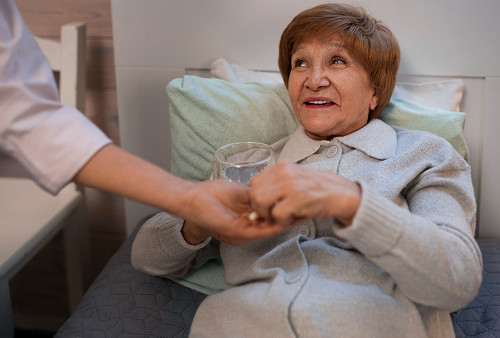
specialists

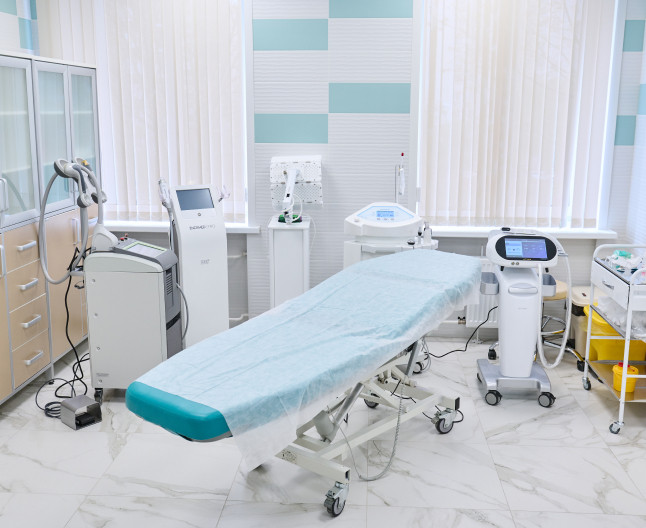
equipment

treatment



Symptom Control and Relief
In the later stages of the disease, pain can be constant. It is almost always associated with tumor spread and bone damage.
Symptomatic treatment involves the selection of analgesics, anti-inflammatory drugs, and medications to manage anxiety and sleep. A patient's right to pain relief is enshrined in law, and pain relief for skin cancer should always be effective. If the situation persists, consult a doctor to increase the dosage.
Methods of Pain Relief and Management of Associated Symptoms
The pain management regimen is as follows:
- Extended-release analgesics
- Transdermal patches
- Medications for the treatment of neuropathic pain
- Medications for the treatment of nausea, shortness of breath, and anxiety
If pain intensifies, the regimen is revised. Do not tolerate or adjust the dosage on your own.
With appropriate therapy, palliative care for melanoma stabilizes the condition and restores a sense of control over life.
Specifics of Skin Lesion Treatment in Metastatic Melanoma
Late-stage skin melanoma can be accompanied by ulceration, bleeding, and an unpleasant odor. This can be difficult for both the patient and family.
Modern dressings with absorbent and antiseptic properties are used. Dressings are individually selected to avoid tissue trauma.
Regular care for melanoma patients includes gentle skin care, control of discharge, and infection prevention. This is not only a medical task but also a way to preserve a person's dignity.
Organization of everyday life and psychological comfort
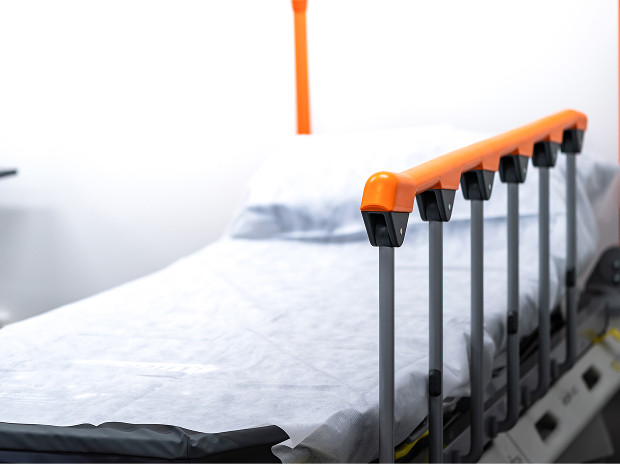
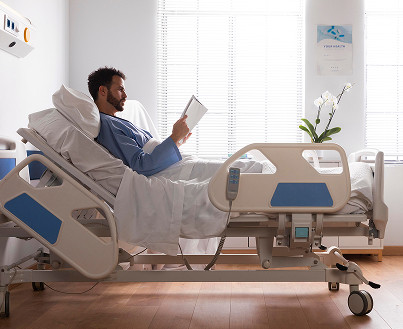
As the disease progresses, it's not only painful for a person to walk, but even turning over from one side to the other can be difficult. Therefore, loved ones need to plan their daily routine in advance: install a functional bed, an anti-decubitus mattress, and convenient access to a toilet and water.
Nutrition support plays a major role. Even with a decreased appetite, meals should be small and calorie-rich. This maintains strength and reduces the severity of weakness.
How to support a loved one: advice from a psychologist
Don't look for the right words; there aren't any. Your presence, the opportunity to communicate, and the feeling that loved ones are upbeat are more important to the patient.
Maintain familiar rituals—wish them good morning, have tea together, talk before bed. This strengthens their psychological resources and reduces anxiety.
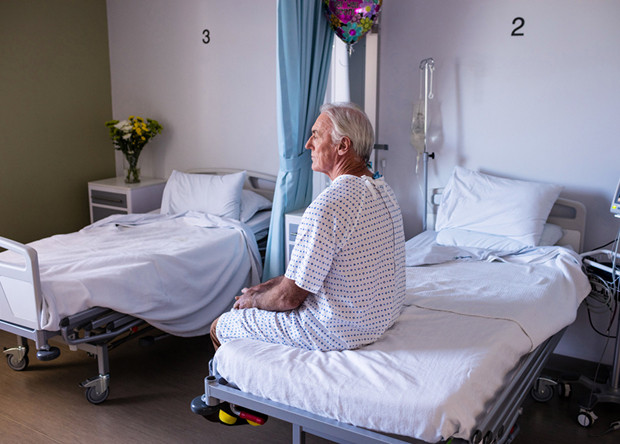
Families also need psychological support. Talk about your feelings, don't isolate yourself. If you feel you're struggling, consult a psychologist.
Nutrition and Hygiene for Patients with Limited Mobility
If a person spends most of their time in bed, it's necessary to:
- Bath them daily
- Prevent bedsores
- Monitor the condition of dressings
- Change linens twice a week
Proper care for patients with melanoma increases comfort and maintains the patient's quality of life, even with advanced metastases.
The role of professional care in a hospice or palliative care unit
Sometimes it is difficult for a family to cope on its own. In this case, referral to a specialized department or hospice may be possible.
A professional team provides 24-hour monitoring, rapid therapy adjustments, and ongoing psychological support.
| Criteria | Home Care | Specialized Department |
|---|---|---|
| Pain Control | On a schedule, under the supervision of loved ones | 24-hour monitoring and rapid adjustments |
| Specialized Bed | Whenever possible | Functional Beds and Anti-Depressant Mattresses |
| Psychological support | Visiting specialist | Constant availability of a multidisciplinary team |
| Emergency care | On call | Immediate response from staff |
Inpatient palliative care for melanoma can provide support not only to the patient but also to the family.
We not only help cope with physical pain but also create a space where the patient and their family can spend time together in peace and comfort.
Frequently Asked Questions
Does this mean treatment is completely stopped?
Can I stay at home?
What should I do if the pain worsens?



This award is given to clinics with the highest ratings according to user ratings, a large number of requests from this site, and in the absence of critical violations.

This award is given to clinics with the highest ratings according to user ratings. It means that the place is known, loved, and definitely worth visiting.

The ProDoctors portal collected 500 thousand reviews, compiled a rating of doctors based on them and awarded the best. We are proud that our doctors are among those awarded.
Make an appointment at a convenient time on the nearest date
Other services

Appointment to the doctor
Reviews









Our clinics


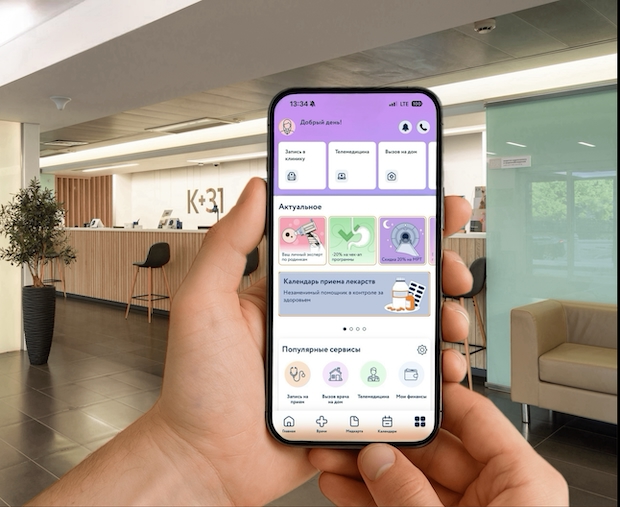
Application “Personal Account K+31”











Palliative care goals for advanced melanoma
If melanoma has already reached stage four, metastases have likely spread to the lymph nodes, bones, liver, and brain. At this stage, severe pain, weakness, weight loss, and skin defects appear.
Pain is unbearable. It not only destroys the patient's psyche but also affects family relationships: relatives don't get enough sleep, they argue frequently, and experience fear and despair. Therefore, if a patient is classified as incurable, treatment will be aimed not at recovery, but at prolonging life and relieving pain.
The main goals of palliative care are:
Palliative care for melanoma is always individual. For one patient, pain is the primary concern, for another, skin problems or severe weakness. For a third, it's the shame of having to care for them at the expense of their own lives.