
Emphysema: How to improve quality of life in the late stages
One of the most serious chronic diseases affecting people worldwide is pulmonary emphysema. It is characterized by a constant feeling of shortness of breath, severe weakness, and a critical deterioration in quality of life. Although the diagnosis is quite frightening, alleviating the patient's condition is a feasible task for palliative care specialists.

specialists

equipment

treatment



Main symptoms requiring professional supervision
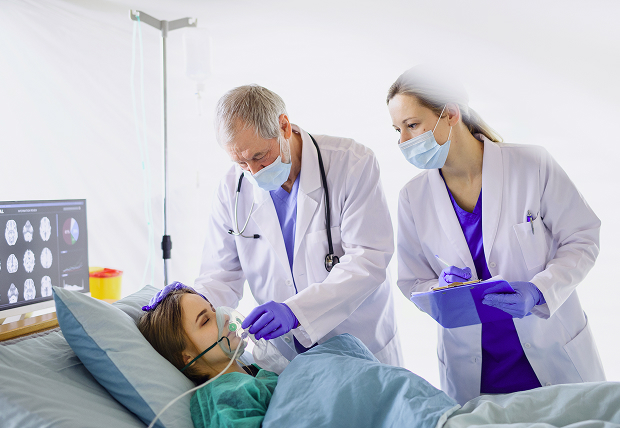
Despite the slow progression of pulmonary emphysema, its symptoms in the late stages can cause significant physical and psychological discomfort. Understanding the signs that require medical attention is crucial for providing quality care to a patient with palliative care.
Shortness of breath and "Respiratory panic"
One of the most common manifestations of emphysema is progressive shortness of breath, which contributes to anxiety ("respiratory panic"). This is due to the destruction of alveolar walls and loss of lung tissue elasticity, which makes normal breathing difficult.
An effective symptom management strategy includes a range of measures aimed at reducing respiratory failure and alleviating emotional stress.
Methods for alleviating the patient's condition
The destructive changes in the lungs associated with emphysema lead to increasing breathing problems, severe fatigue, and general nervous tension. However, there are proven methods that can significantly improve patients' well-being even in the late stages of the disease.
Oxygen support and non-invasive ventilation
Portable oxygen concentrators have become an important tool for supporting patients with severe emphysema. This technique increases blood oxygen saturation, reducing the workload on the heart.
Important! Self-medication for severe respiratory failure is unacceptable. Oxygen therapy should only be administered under medical supervision, as improper oxygen delivery can lead to complications such as hypercapnia.
Drug therapy for symptom relief
Short- and long-acting bronchodilators, mucolytics, and corticosteroids are used to reduce discomfort. The goal of drug therapy is to minimize the frequency of exacerbations and alleviate the severity of respiratory failure. Current practice recommends the use of new-generation combination medications with prolonged action and fewer side effects.
Respiratory rehabilitation and positional drainage
A respiratory rehabilitation program helps patients adapt to changes in respiratory function and improves their ability to tolerate physical activity. Regular exercise helps strengthen the chest and diaphragm muscles. Positional drainage also helps remove mucus from the lower bronchi, preventing infections.
Psychological adaptation and support for relatives
The patient's mental state significantly influences their perception of their condition. Experts say that support from loved ones is no less important than basic care for emphysema. Doctors conduct special programs for those who interact with patients, which develop the ability to respond appropriately to crisis situations.
Collaboration between doctors from various specialties, including psychologists, provides comprehensive support to the patient and their family. Let's consider the comparative approaches of active and palliative care.
| Criteria | Active treatment | Palliative care |
|---|---|---|
| Primary goal | Treat the underlying cause | Symptom relief |
| Focus | Dynamic monitoring, complication prevention | Improve comfort, eliminate pain and anxiety |
| Intervention type | Antibiotics, surgery | Oxygen therapy, nutritional support with specialized food, psychosocial support |
When should you consider a palliative care unit?
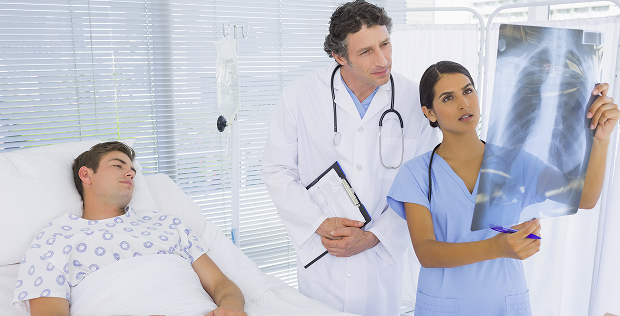
Transition to palliative care for emphysema is appropriate when traditional treatments are no longer effective and the incurable lung disease is steadily progressing. A palliative care unit can provide 24-hour monitoring of patients' condition, timely medication administration, and necessary procedures, including non-invasive ventilation.
Modern units provide a comprehensive approach, combining medical care, psychological support, and training for family members in caring for the patient.
Conclusion
Palliative care is not about waiting for death, but about improving life. With the right approach, it is possible to significantly alleviate a patient's suffering even in the late stages of a disease. It is important to understand that the role of healthcare professionals extends far beyond routine monitoring and diagnosis – they become part of the team supporting each patient and their family.
This material is for informational purposes only. Medications and any medical procedures should be administered only as prescribed by a physician.

FAQ
Is it possible to restore normal lung structure in advanced emphysema?
Should a patient with end-stage emphysema wear a mask at home?
Is it true that music makes breathing easier for people with emphysema?
Is it possible to completely cure late-stage emphysema?
How does palliative care differ from standard inpatient treatment?
Does an oxygen concentrator help with emphysema?
How can you help a loved one during an attack of severe shortness of breath?


This award is given to clinics with the highest ratings according to user ratings, a large number of requests from this site, and in the absence of critical violations.

This award is given to clinics with the highest ratings according to user ratings. It means that the place is known, loved, and definitely worth visiting.

The ProDoctors portal collected 500 thousand reviews, compiled a rating of doctors based on them and awarded the best. We are proud that our doctors are among those awarded.
Make an appointment at a convenient time on the nearest date
Other services

Appointment to the doctor
Reviews



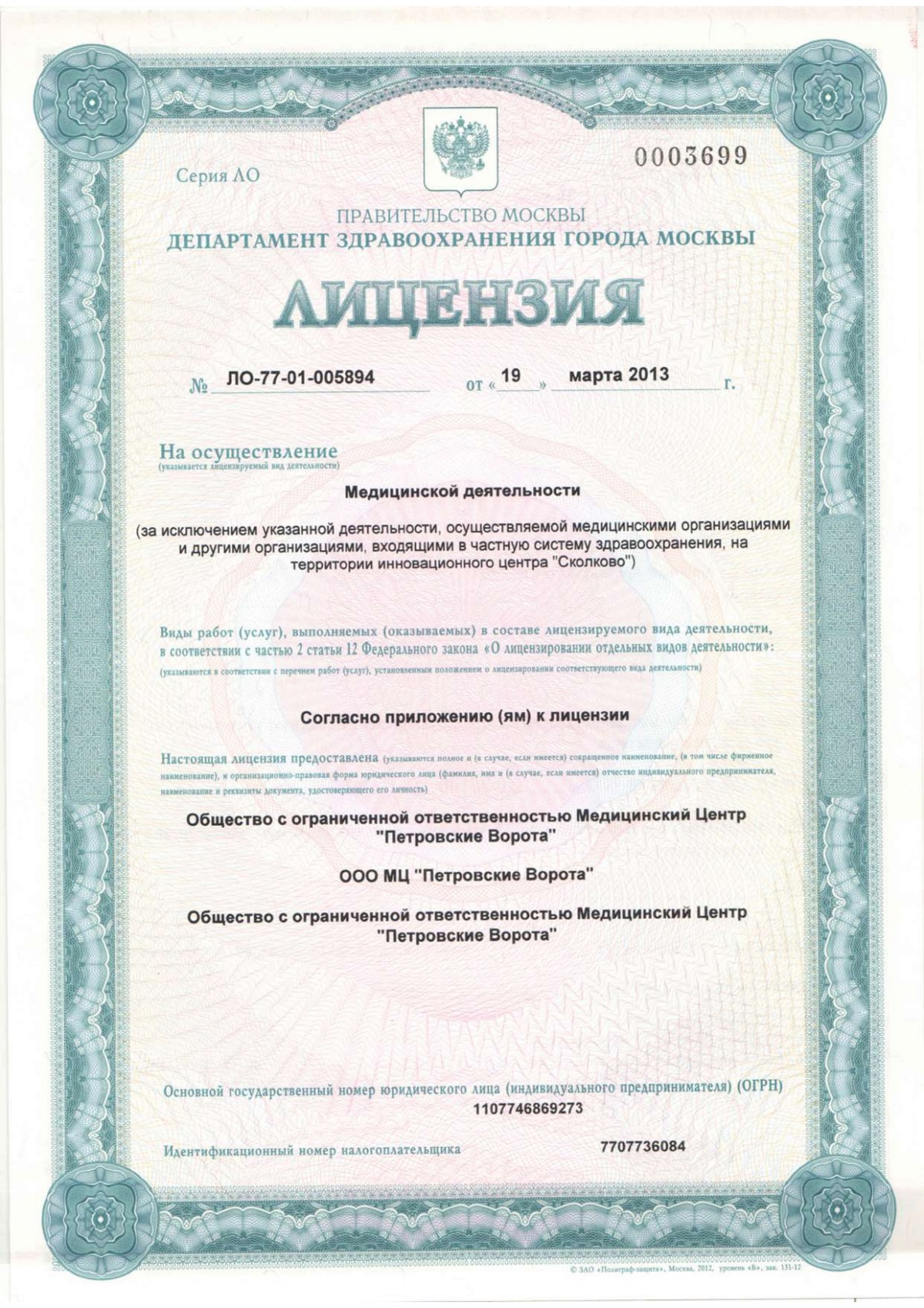
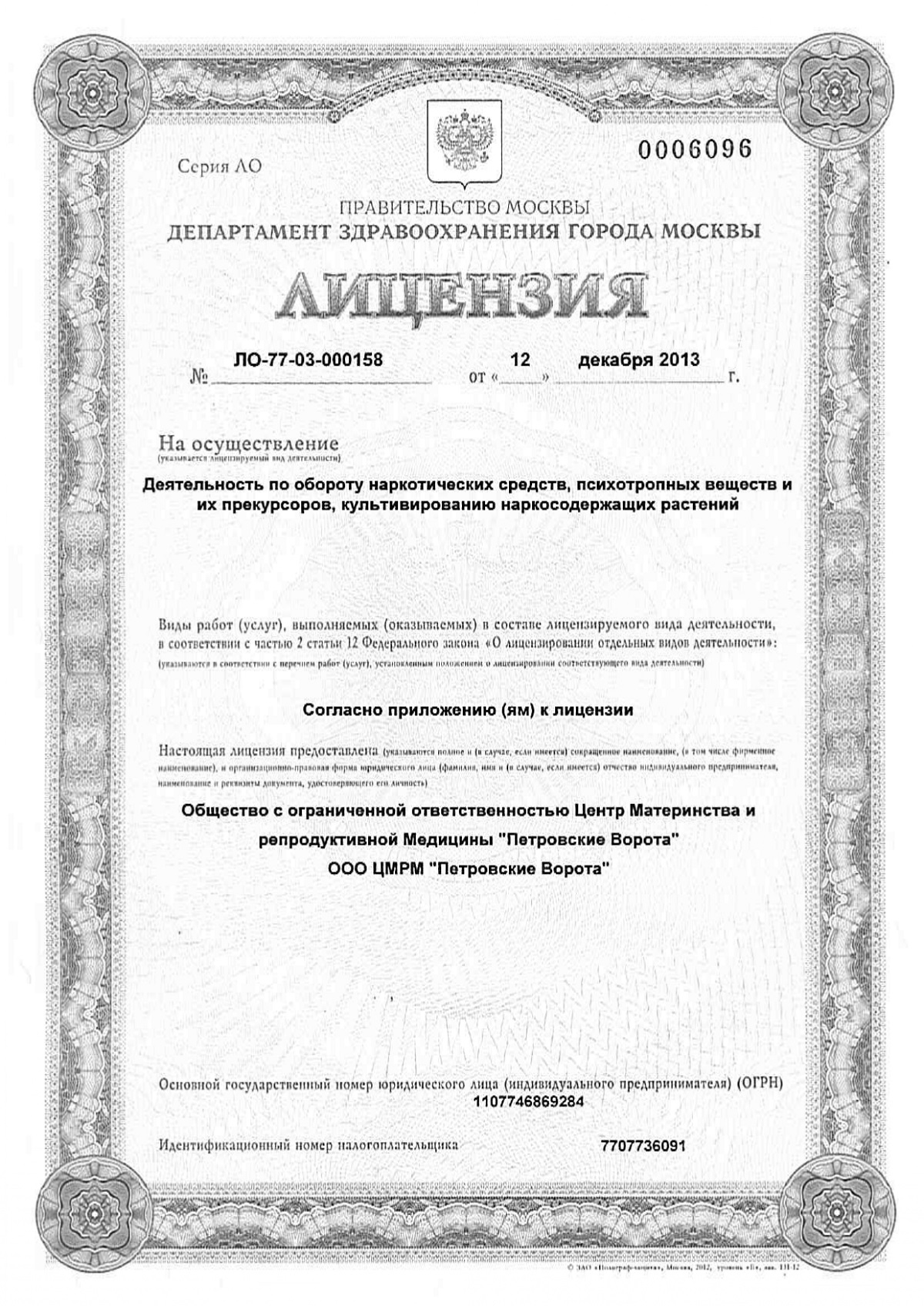
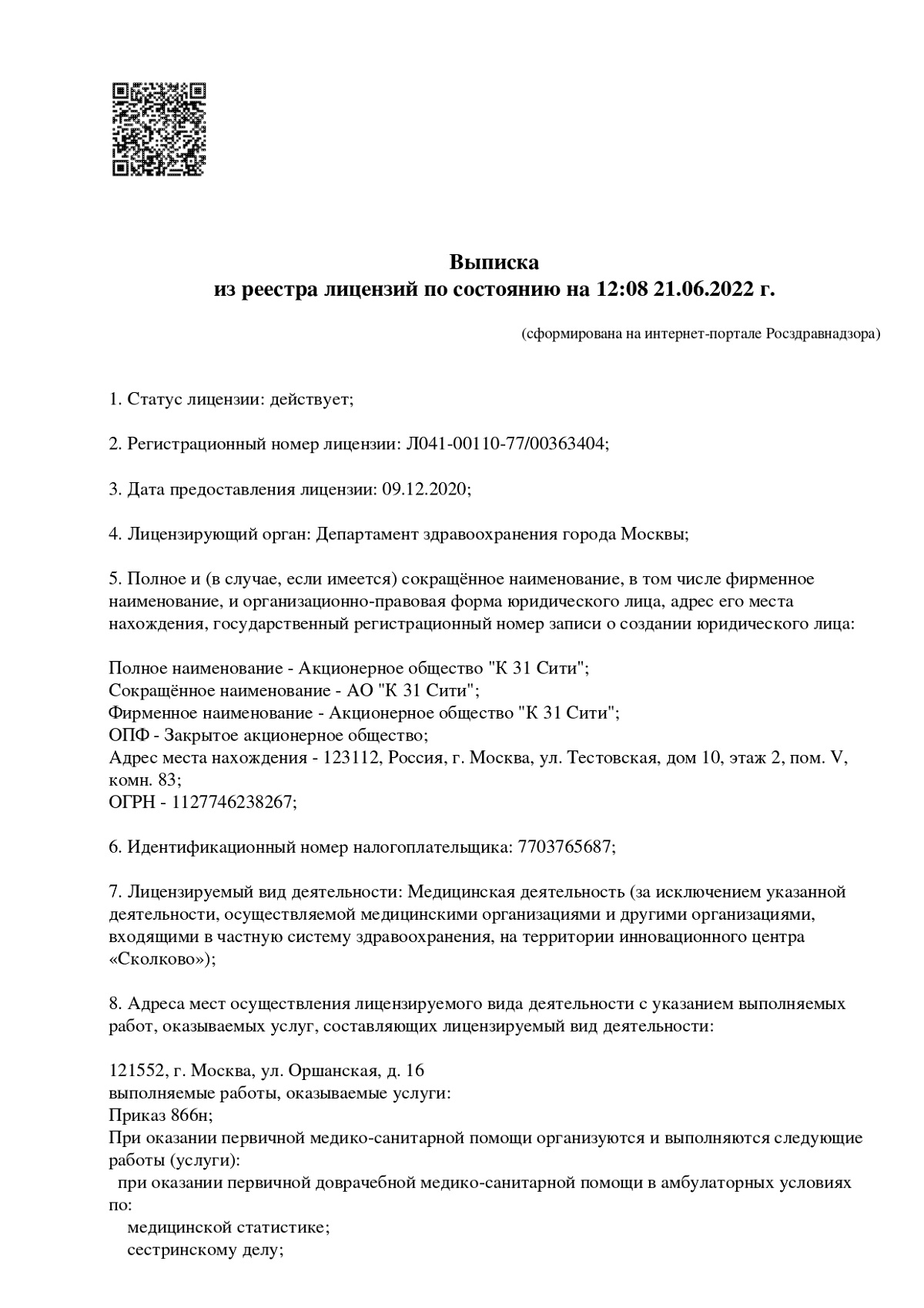
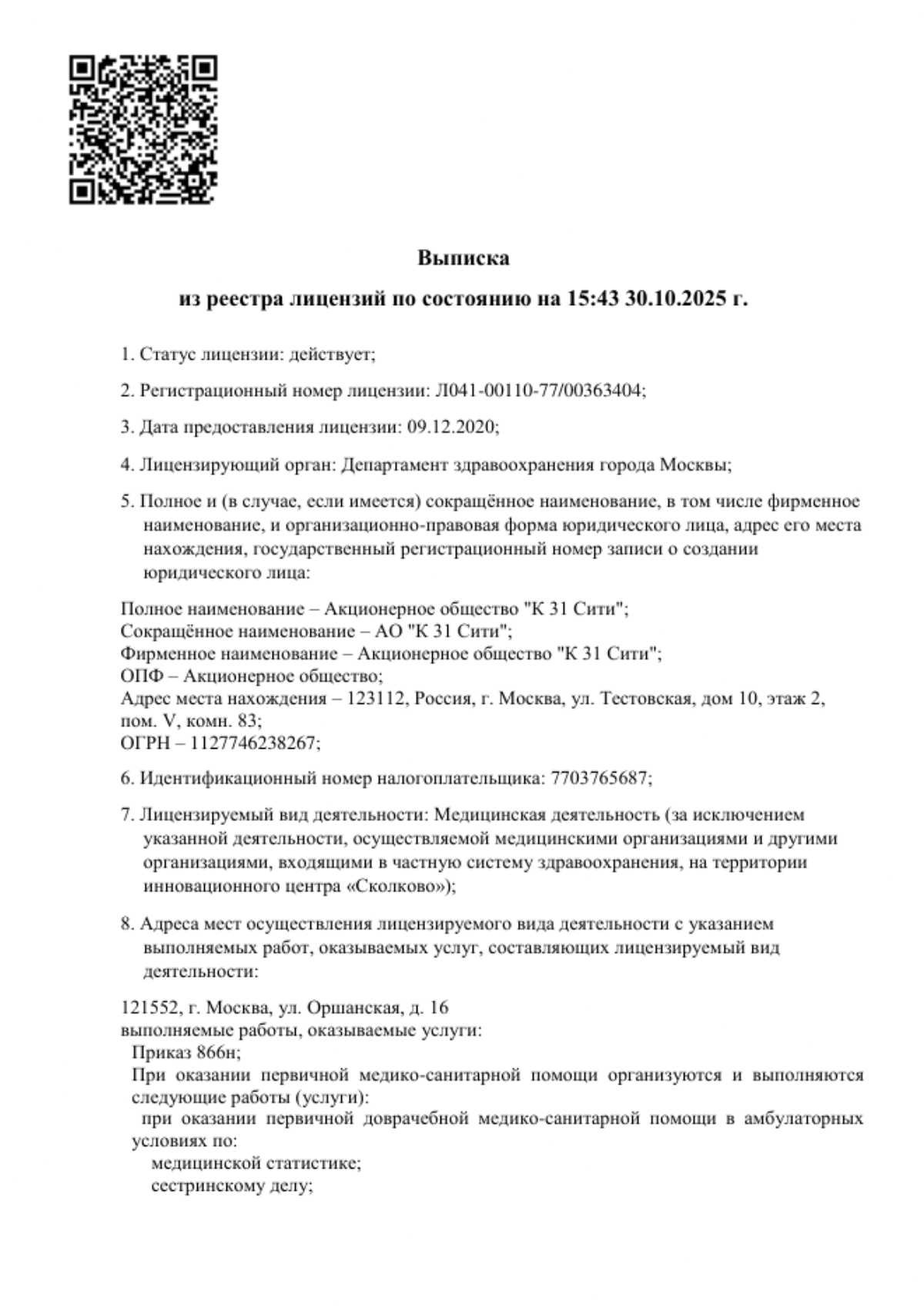
Our clinics


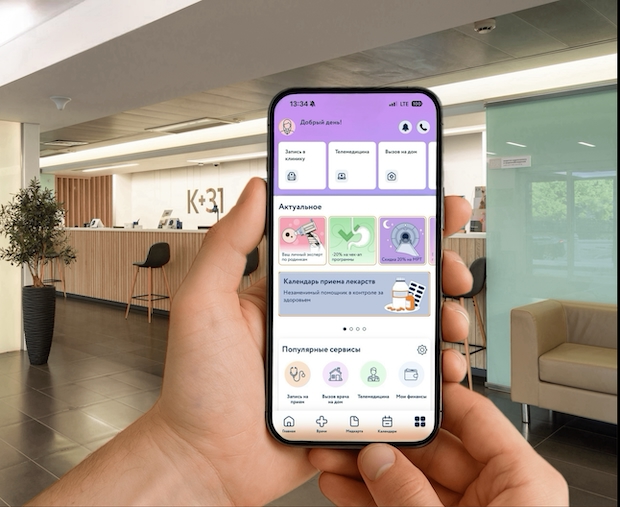
Application “Personal Account K+31”











The role of palliative care in destructive changes of the lungs
In the terminal stage of emphysema, patients experience insurmountable pathological changes leading to a significant reduction in vital capacity and the development of chronic hypoxia. It is during this period that palliative care aimed at maintaining a comfortable life for patients with severe forms of COPD and emphysema becomes especially important.
According to current GOLD guidelines, treatment for late-stage emphysema should be administered by a pulmonologist in conjunction with a palliative care specialist. The primary goal at this stage is not only symptom relief but also improving quality of life by improving oxygen saturation and relieving shortness of breath and anxiety.