
Palliative Care for Liver Cancer: How to Improve a Patient's Quality of Life
When liver disease doesn't respond to standard treatment protocols, families have many questions: what to do next, how to alleviate the condition, and how to ensure their loved one doesn't suffer from pain. Liver cancer and palliative care offer a different level of support. We're not talking about recovery here.
Proper nutrition, skin care, and psychological support for the family are actions that improve relationships between relatives and create a decent quality of life for those with cancer, even if the disease is in its late stages.

specialists

equipment

treatment






Main symptoms and ways to relieve them
Symptoms of late-stage liver cancer vary: weakness, pain, abdominal distension due to ascites, jaundice, and severe intoxication. Sometimes, itching, loss of appetite, and rapid weight loss occur.
Palliative care physicians also treat these symptoms.
Pain Management
Pain from liver damage can be constant or worsen with movement.
Pain relief from liver cancer is achieved through a stepwise approach. Analgesics are selected, and sometimes extended-release forms are used.
The main goal is to achieve stable pain control so that the patient can rest, talk, and sleep soundly.
Ascites (Abdominal Edema) Management
Ascites is a buildup of fluid in the abdominal cavity. It causes abdominal distension, a feeling of heaviness, and difficulty breathing.
Diuretics, fluid management, and sometimes catheterization are used to alleviate the condition. This helps relieve abdominal pressure and improve well-being.
Removing Toxins and Itching
The liver is the human body's main filter. If it is damaged, the body cannot cleanse itself as it once did, eventually leading to toxins.
Main symptoms of toxins:
- Weakness
- Nausea
- Poor appetite
- Pale skin
Detoxification therapy and nutritional support are prescribed. For jaundice and itching, the doctor will prescribe medications that reduce discomfort.
Psychological support for the patient and his family

A difficult diagnosis affects not only the body but also the emotional state. A person may experience fear, anxiety, and sometimes depression.
Psychological support for cancer patients helps reduce internal stress and maintain a sense of support. It is crucial that the family is not left alone.
How to talk to a loved one about the diagnosis
You need to be honest and calm. Ignoring the patient's fears and trying to hide the diagnosis only increases anxiety: the patient senses that something is wrong, but is left alone with their own guesses. Speak openly, but try not to use medical jargon. Explain that the chances of recovery are slim, but they still exist. Tell them that the doctors are doing everything they can in this situation.
But don't share everything right away. Leave room for questions. You know your loved one best, so it's up to you to decide what to say and what's best kept secret.

A simple principle works well: tell the truth, but little by little. It's not necessary to discuss every possible prognosis at once—sometimes it's enough to discuss the next stage of treatment and how to alleviate the condition. It's helpful to ask the patient what they need now: more information, help with everyday tasks, or simply being there. Such calm, respectful communication helps maintain trust and reduces anxiety for both the patient and their family.
Preventing Caregiver Burnout
Caring for someone with liver cancer is a significant burden. Relatives often forget about their own rest and quickly become burnt out.
Support from specialists, help from caregivers, or a temporary stay in hospice is not a betrayal. It's an opportunity to recuperate, get a good night's sleep, and visit a loved one in a good mood.

Liver cancer care can be provided both in the hospital and at home. The latter option is possible if the patient's condition is stable. Pain that is not relieved by painkillers, family burnout, or the patient's depression are all reasons to go to the hospital.
For home care, you will need:
- A functional bed
- Skin treatments
- Anti-decubitus systems
A diet for liver cancer is usually gentle: small portions, light foods, and sufficient fluid intake as recommended by your doctor.
When is hospitalization necessary?
Sometimes the condition changes rapidly: pain intensifies, ascites increases, and signs of severe intoxication appear.
In such cases, it's best to seek hospitalization without delay. There, 24-hour monitoring, detoxification therapy, and rapid treatment adjustments are available.
A hospice or palliative care unit can provide professional care and family support.
Table: Home Care or Inpatient Care
| Criteria | Home Care | Inpatient Care |
|---|---|---|
| Medical Equipment | Limited | Full Access |
| Condition Monitoring | Based on Doctor's Visits | 24-Hour Monitoring |
| Psychological Environment | Familiar Home Environment | Support Specialists |
| Visiting relatives | Unlimited | Visiting is possible |

Conclusion

Liver cancer palliative care is aimed at ensuring that patients are not left alone with pain and severe symptoms.
Modern medicine can manage pain, reduce toxicity, and support the body's strength.
We not only relieve physical pain but also help families find peace during the most difficult times, providing professional care 24/7.
Frequently Asked Questions
Attention! This information is for informational purposes only. Any medications, especially analgesics, should be prescribed strictly by a physician. Do not self-medicate if your condition worsens.
How do you know when your pain management needs to be adjusted?
What should you do if ascites and abdominal distension are increasing?
How can you help a loved one with jaundice, itching, and severe weakness?



This award is given to clinics with the highest ratings according to user ratings, a large number of requests from this site, and in the absence of critical violations.

This award is given to clinics with the highest ratings according to user ratings. It means that the place is known, loved, and definitely worth visiting.

The ProDoctors portal collected 500 thousand reviews, compiled a rating of doctors based on them and awarded the best. We are proud that our doctors are among those awarded.
Make an appointment at a convenient time on the nearest date
Other services

Appointment to the doctor
Reviews




















Our clinics


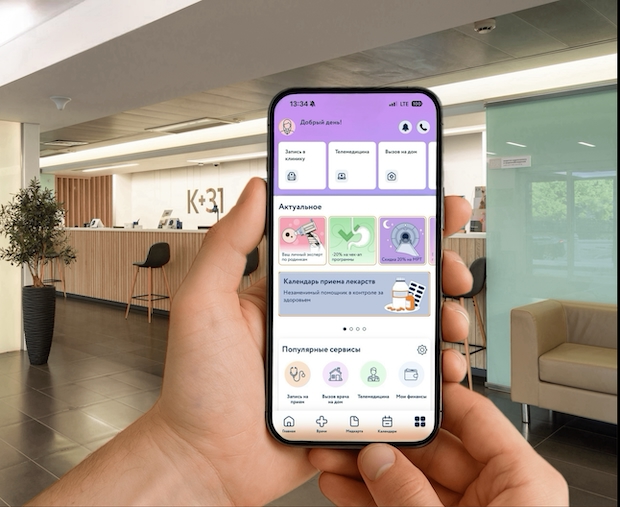
Application “Personal Account K+31”












Tasks of palliative care in late stages
Oncology is difficult to detect in its early stages. It's often a matter of chance: a person comes in for a routine checkup or medical examination, and based on their tests, the doctor gives them a devastating diagnosis. Therefore, the majority of palliative care patients are people with late-stage cancer. But even when the disease has progressed to stage 4, it is possible to achieve a decent quality of life.
Palliative care for liver cancer includes:
The palliative care team always includes specialized doctors, as oncology is often accompanied by comorbidities (depression, high blood pressure, skin problems).
A palliatologist, together with the attending physician, assesses the patient's overall condition and develops an individualized care plan.