
Alzheimer's Disease: How to Organize Life and Care for a Loved One
Alzheimer's disease changes the life of a person and everyone around them. Habits, plans, and daily routines change. Essentially, loved ones face the situation of caring for a child in an adult's body.
The patient gradually loses their usual cues, and their family takes on increasingly more responsibilities.
It's important to know two things. First, dementia is incurable, and over time, memory impairment and behavioral changes will become increasingly noticeable. Second, even with this condition, respect, safety, and a decent quality of life can be maintained—if care is organized correctly.

specialists

equipment

treatment






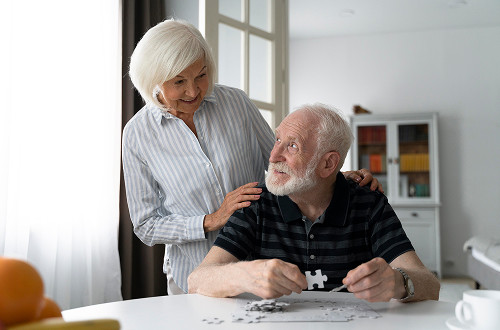
Alzheimer's Disease Stages and Changing Patient Needs
The type of support a person receives depends on the stage of dementia. The more advanced the disease, the more physical and emotional support they need.
Early and Middle Stages: Maintaining Independence
In the early and middle stages, a person can manage independently. They can dress, eat, and walk along a familiar route. With this form of Alzheimer's, care is minimal: sometimes it's just a matter of reminding a loved one to do something, pointing out where a specific item is, or providing a clear daily routine.
Along with medication, validation therapy and reminiscence therapy work well at this stage. Remind your loved one that you're there for them, look through photo albums together and call people in the pictures by name, play relaxing music, and talk about the past more often.
Late Stage: When Palliative Care Is Needed
In the late stages of dementia, a person becomes less mobile, barely speaks, has difficulty swallowing, and falls frequently. Bedridden patients develop pressure sores.
At this stage, palliative care for Alzheimer's is introduced. Palliative care physicians manage pain and work with nutrition and the family's emotional state.
Palliative care for Alzheimer's is needed not because life is gradually approaching its end, but because caring for a family member with limited mobility is draining.

Creating a Safe Home Environment
Remove rugs and cords, install a nightlight, and restrict access to gas and hazardous household items. Lock doors and windows, especially when leaving the house for short periods: if a person with dementia goes outside alone, they may get lost.
Organize your home simply: keep everything in its place, minimize unnecessary items, and wear comfortable, unfastened clothing. The fewer opportunities for mistakes, the less aggression and panic.
Psychological Support for Relatives: How to Avoid Burnout
Caregivers are also human, and their abilities are limited. If you're sleep-deprived, crying often, or constantly thinking negative thoughts, caring for your loved one can become a burden. Don't feel ashamed of your inability to cope. Remember that support for the relatives of Alzheimer's patients is just as necessary as support for the patient.
Share responsibilities, involve a caregiver, reach out to the hospital staff, and ask for support from family and friends—it's normal.
Benefits of Professional Palliative Care
Medical monitoring and symptom management
Palliative care physicians:
- Assess the patient's physical condition
- Help manage pain and insomnia
- Develop a menu suitable for people with swallowing problems
- Accompany the patient on walks
Pain is a common symptom of Alzheimer's disease. However, people with dementia can't always explain where exactly it hurts. This is where doctors' help is needed: they will conduct a diagnosis and prescribe treatment if necessary.
Psychological Comfort and Socialization
It's easier to organize your day in a hospital. Everything is scheduled: waking up, feeding, walks, activities, and sleep. This routine helps relieve anxiety and aggression.
Also, don't forget about communication: palliative care patients can talk to each other. This has a positive effect on their psychological well-being.
Family Support: A Respite
Respite is a chance for families to catch their breath. Sometimes even a few days of professional care can save the relationship and health of a caregiver, because nothing lifts spirits like a chance to get some sleep.
When you know someone who might harm themselves is sleeping in the next room, your sleep becomes shallow. Fatigue builds, and eventually you snap at the person you so desperately want to protect.
Supporting relatives of Alzheimer's patients is one of the most effective ways to prevent burnout.
Chart: Home care vs. professional palliative care
| Criteria | Home care | Professional help |
|---|---|---|
| Safety | Dependent on home adaptation | Specialized safe environment |
| Medical supervision | Occasional, on-call | 24-hour, regular |
| Leisure activities | As per capabilities Families | Activities, socialization, routine |
| Family burden | High, risk of burnout | Some of the burden is shared by the team |
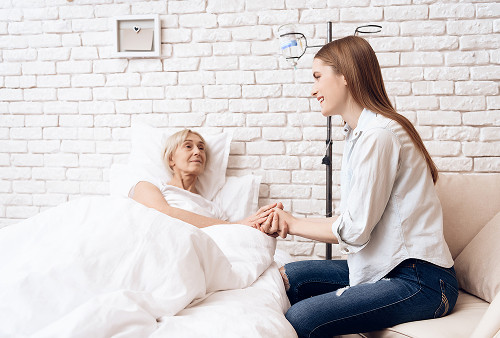

Alzheimer's care is, first and foremost, caring for a loved one. When you realize things won't be the same, you need to prioritize quality of life. Be there, smile often, and try not to react aggressively if your loved one forgets your name.
Palliative care for Alzheimer's helps manage symptoms in the late stages and protects the family from exhaustion. We don't simply hospitalize the person; we create an atmosphere of respect and safety for them.
Frequently Asked Questions
Important! This information is for informational purposes only. Self-medication for dementia is dangerous. Any medications, including sedatives, should only be prescribed by a psychiatrist or neurologist.
How should you react if a loved one is telling a lie or misrepresenting the situation?
What should you do if you have insomnia and anxiety at night?
When should palliative care be considered?



This award is given to clinics with the highest ratings according to user ratings, a large number of requests from this site, and in the absence of critical violations.

This award is given to clinics with the highest ratings according to user ratings. It means that the place is known, loved, and definitely worth visiting.

The ProDoctors portal collected 500 thousand reviews, compiled a rating of doctors based on them and awarded the best. We are proud that our doctors are among those awarded.
Make an appointment at a convenient time on the nearest date
Other services

Appointment to the doctor
Reviews

















Our clinics


Application “Personal Account K+31”











Features of the disease: what you need to be prepared for
The signs of Alzheimer's disease are familiar to many. This topic is actively discussed in society today. Forgetfulness begins. A person forgets some words, then gets lost in the area where they've lived most of their life. Over time, cognitive changes occur: attention, speech, and the ability to plan. Disorientation sets in—the person confuses time and place, and may not recognize familiar people.
Some become aggressive. But it's important not to blame a loved one for experiencing anger. It's not a personality trait; it's an emotion they can't cope with on their own.
People diagnosed with Alzheimer's disease need care. And we're not just talking about hygiene and medication. Relatives need to learn how to communicate with their sick family member, try to smooth over conflicts, and be tolerant of forgetfulness.