Blood Transfusion for Anemia: How Blood Transfusion Helps Palliative Care Patients

Anemia is a common problem in patients with serious illnesses. Decreased hemoglobin levels result in tissues receiving less oxygen. Weakness, shortness of breath, dizziness, and increased hypoxia occur. The patient tires quickly, and it becomes difficult to speak, eat, or even simply turn over.

Blood transfusion for anemia solves this problem. Palliative care does not aim to cure the patient at any cost. The priority is to improve their quality of life and make life more comfortable.

Best specialists
Best
specialists
Expert equipment
Expert
equipment
Advanced diagnostic treatment
Advanced diagnostic
treatment
Sign up
Fill out the entry form on the page and we will call you back
Sign up Позвонить
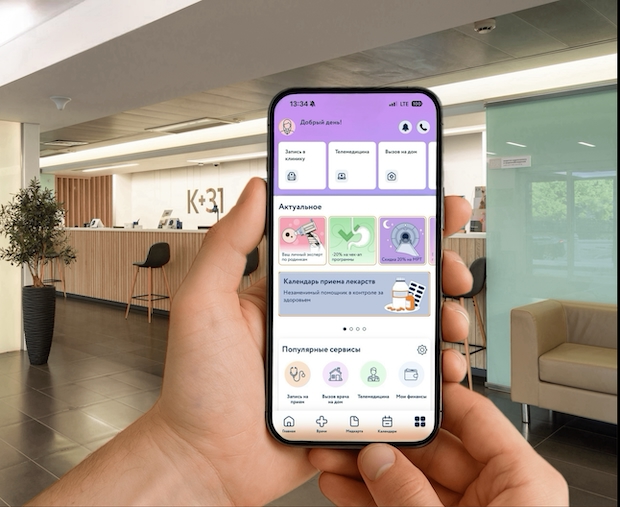
Download the application “Personal Account K+31”
Everything about your health in one click!
Subscribe to social networks K+31
To keep up to date with current offers and receive useful advice about your health.

Why does anemia occur in seriously ill patients?

There are several causes. In cancer patients, anemia can develop due to the tumor itself, blood loss, chemotherapy, or chronic inflammation.

Symptoms of anemia in bedridden patients include extreme fatigue, pale skin, rapid heartbeat, and shortness of breath.

If hemoglobin levels drop to critical levels, treatment must be modified. Simple iron supplements are no longer effective; a blood transfusion is necessary for anemia.

Why does anemia occur in seriously ill patients?

The Role of Blood Transfusion in Palliative Care

The main goal of palliative medicine is to reduce patient suffering and maintain their activity as much as possible.

Palliative care for anemia is needed in situations where a person lacks the strength to live a normal life. If iron levels in the blood are below normal, a doctor may prescribe a blood transfusion for low hemoglobin.

Most often, red blood cells (RBCs)—a concentrate of red blood cells that quickly increases iron levels—are transfused, not whole blood.
When the procedure is necessary: ​​main indications

Low hemoglobin is a serious symptom. However, it is not a reason for the procedure. Doctors evaluate a person's overall condition, specifically the presence of:

  • Weakness and shortness of breath
  • Frequent fainting
  • Nausea
  • Poor coordination
  • Irregular menstruation in women
  • Depression (sometimes unexplained depression)
  • Feeling unwell, inability to live a normal life

A blood transfusion for low hemoglobin stabilizes the condition and helps raise iron levels.

How is a blood transfusion performed?

The blood transfusion procedure is supervised by doctors. In most cases, it is performed in a hospital, where it is done in a sterile environment and monitored by doctors and nurses.

The procedure is prescribed when certain symptoms are present. The decision on its appropriateness is made by a transfusion specialist, who ensures that the transfusion is carried out according to protocol.

Preparation and Compatibility Check

Before the procedure, the patient's blood type and Rh factor are determined. Donor blood undergoes a multi-stage infection screening process.

An additional compatibility test is performed—a short test that determines whether the donor red blood cell mass is suitable for a specific patient. Sometimes, individual selection based on red blood cell phenotype is used.

The process of administering blood components

After the check, the blood transfusion procedure itself begins.

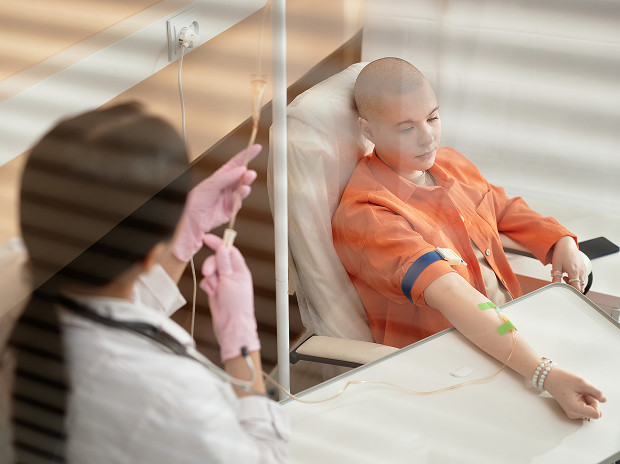
Red blood cells are slowly infused through a venous catheter. The procedure takes several hours: the exact duration is determined by the doctor.

Post-procedure monitoring

You cannot go home immediately after the transfusion. The body is weakened, and the patient may faint at any moment. Therefore, the ideal option is to remain in the hospital under the supervision of doctors, who will monitor your pulse, blood pressure, and overall well-being.

Expected results and improvement in quality of life

Increasing hemoglobin levels usually leads to noticeable changes. Hypoxia decreases, and breathing and movement become easier.

For many patients, a blood transfusion for anemia means being able to communicate with loved ones, eat normally, and spend time as desired. Quality of life also improves, and blood pressure normalizes.

Symptoms before and after transfusion

Criteria Home care Inpatient care
Medical equipment Limited Full access
Condition monitoring Upon doctor's visits 24-hour monitoring
Psychological environment A familiar home environment Specialist support
Visiting relatives Unlimited Visiting opportunities
Expected results and improvement in quality of life

Safety and possible risks

Safety and possible risks

Blood transfusions for anemia are supervised by palliative care physicians. Donated blood is screened for infections (such as HIV or hepatitis).

It seems simple at first glance, but a blood transfusion for low hemoglobin is a serious intervention. Only a physician can prescribe this procedure, based on test results. They evaluate the benefits and possible risks, including the strain on the heart and the body's response. A decision is made only after blood tests and an assessment of the patient's overall condition.

Frequently Asked Questions

When is a blood transfusion prescribed for anemia?

When hemoglobin levels drop significantly. However, accompanying symptoms such as weakness, shortness of breath, and suffocation are also important.

How safe is a blood transfusion?

A blood transfusion is completely safe, provided it is performed in a hospital. Donor blood is tested for viruses, so infection is excluded.

How long does the effect of a transfusion last?

It all depends on the cause of the anemia. If hemoglobin levels drop again, a repeat transfusion is performed.

Can a transfusion be replaced with diet?

No, even iron supplements don't always help. A blood transfusion for anemia is the best way to manage the disease.

Our doctors

Tatarenko Alena Igorevna
Experience 10 years
Make an appointment
Tatarenko
Alena Igorevna
Leading neurologist, Parkinson specialist, psychiatrist
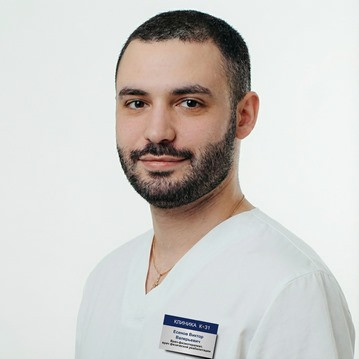
Esenov Viktor Valerievich
Experience 5 years
Make an appointment
Esenov
Viktor Valerievich
Physiotherapist, physical rehabilitation doctor
All specialists
2GIS Award
2GIS Award

This award is given to clinics with the highest ratings according to user ratings, a large number of requests from this site, and in the absence of critical violations.

«Good place» according to Yandex

This award is given to clinics with the highest ratings according to user ratings. It means that the place is known, loved, and definitely worth visiting.

Our doctors are laureates of the ProDoctors Award

The ProDoctors portal collected 500 thousand reviews, compiled a rating of doctors based on them and awarded the best. We are proud that our doctors are among those awarded.

Make an appointment at a convenient time on the nearest date

Other services

Palliative hospice Oncology hospice Palliative surgery Palliative chemotherapy Palliative radiotherapy Palliative care after stroke Palliative care for the elderly Palliative care for dementia Palliative care for lung cancer Palliative care in neurology Palliative psychology Emergency oncological care Palliative care Palliative surgery Помощь пациентам с неизлечимыми заболеваниями Palliative Care for Breast Cancer Stomach Cancer: Palliative Care and Patient Care Features Palliative care physician: professional support during difficult times Palliative Care in Oncology: When Medicine Focuses on Quality of Life Palliative psychologist: how to find support during the most difficult period Palliative care at home: professional care and support for loved ones Palliative care for colorectal cancer: how to ease the burden of a loved one Skin melanoma: palliative care options and principles of care Palliative care for leukemia: how to ease the burden of a loved one Palliative care for lymphomas Palliative care for chronic kidney disease (CKD) Living with chronic heart failure: challenges of palliative care Chronic respiratory failure: how to help a loved one and improve quality of life Features of palliative care for liver cirrhosis Palliative care for severe cardiovascular diseases Neurodegenerative diseases: how to ensure a decent quality of life? Emphysema: How to improve quality of life in the late stages Amyotrophic lateral sclerosis: how palliative care helps people live with ALS Progressive multiple sclerosis: how to accept the diagnosis and ensure quality of life Hepatocellular carcinoma: how palliative care helps Palliative care for severe Parkinson's disease Palliative care for hepatocellular carcinoma (HCC) Bile duct cancer: opportunities for palliative care and quality care Labia cancer: how to ensure quality of life and professional care Palliative care for vaginal cancer: how to alleviate the patient's condition Palliative care for liver cancer: how to improve a patient's quality of life Palliative care for kidney cancer: how to improve a patient's quality of life Palliative care for uterine cancer: how to improve quality of life Peritoneal mesothelioma: how to recognize the disease and organize care for a loved one Palliative care for rectal cancer: how to improve quality of life Cervical cancer: opportunities for palliative care and support Palliative care for bladder cancer Hemodialysis in the structure of palliative care: gentle support of the body Palliative care for pancreatic cancer Day palliative care hospital: opportunities and advantages Palliative care for pain syndrome Ascites in palliative care: how to alleviate the condition of a loved one Sepsis in oncology: What is important for the patient's relatives to know? Alzheimer's Disease: How to Organize Life and Care for a Loved One Hydrothorax: how to ease breathing and improve the patient's quality of life Cancer Metastases: How to Alleviate a Patient's Condition and Maintain Quality of Life Life without pain: the possibilities of modern palliative care Tracheostomy: Features of care and patient life in the palliative care unit
Make an appointment

Appointment to the doctor

Fill out the form, our managers will contact you within 15 minutes

Reviews

I really liked the clinic. I had an appointment with neurologist Tatarenko Alena Igorevna, an excellent specialist, I recommend her. And when conducting pulse therapy, I want to express special gratitude to the nurse Andreeva Marina Mikhailovna, she set up the IV perfectly, I have never seen such an approach.
08.08.2025
Anonymously

About doctor:

Tatarenko Alena Igorevna

Ценю комфорт и стараюсь экономить своё время, поэтому уже почти год наблюдаюсь в клинике К+31. Работают ежедневно, и всегда можно подобрать удобное время для приёма. Оборудование новейшее, так что в результатах нет сомнений. Весь персонал клиники всегда отзывчив и добродушен, что для меня очень важно. Хотела бы выразить отдельную благодарность врачу-онкологу Кузнецовой Юлии Владимировне за профессионализм в разработке схемы обследования.
08.03.2025
Татьяна Т.
Юлия Владимировна Кузнецова оказалась очень внимательным специалистом. Она спокойно и подробно объяснила мне методы лечения и необходимые процедуры. В процессе лечения возникали некоторые сложности, но доктор всегда находила способы их решения без лишних комментариев и нареканий. В целом, я полностью доволен её профессиональным подходом.
06.03.2025
Роман К.
Алёна Игоревна — мой лечащий врач. Подтверждение диагноза "рассеянный склероз" стало настоящим шоком. Паника, страх, непонимание — эти чувства переживает каждый, столкнувшийся с тяжёлой болезнью. Алёна Игоревна смогла успокоить меня, нашла правильные слова и очень грамотно, развёрнуто ответила на все мои, порой истеричные и глупые, вопросы. От неё выходишь с внутренним спокойствием и уверенностью, что всё будет хорошо. Назначенное лечение даёт свои результаты, и я уверена, что наступивший период ремиссии будет продолжительным. Мой любимый доктор с большой буквы. Огромное человеческое спасибо ей за всё, что она делает, и за помощь в преодолении тяжёлых диагнозов.
26.02.2025
Ева Е.

About doctor:

Tatarenko Alena Igorevna

Наблюдаюсь у этого доктора, и именно она настояла на наиболее эффективном лечении во время консилиума, которое дало положительный результат. Доктор очень приятная, вежливая и профессиональная. Среди её пациентов нет тех, кто остался бы недоволен её работой. Она умеет не только использовать традиционные методы лечения, но и предлагает дополнительные виды терапии и реабилитации. К сожалению, среди неврологов таких специалистов сейчас довольно мало. Хотелось бы, чтобы их было больше.
23.01.2025
Александр К.

About doctor:

Tatarenko Alena Igorevna

Мне очень понравилось общение с врачом-онкологом Кузнецовой Юлией Владимировной. Она не назначает мне лишние таблетки, если в этом нет необходимости. Когда я захожу в её кабинет, она всегда улыбается, и я тоже ухожу с улыбкой. Юлия Владимировна объясняет, что моё заболевание не страшное и не смертельное, и что всё будет хорошо. Её оптимизм и вера в благоприятный исход лечения для меня очень важны. Когда мы, пациенты, приходим к врачу, испытываем страх и неопределённость, именно такое отношение – понимание, внимание, лечение и настрой на хороший результат – нам и нужно. Я не посетила много врачей, но мне есть с кем сравнить, и я с уверенностью могу рекомендовать именно Кузнецову Юлию Владимировну.
20.01.2025
Татьяна С.
Я обращалась к Алене Игоревне несколько раз в год по основному диагнозу. Она всегда внимательно изучает мои анализы и исследования, отвечает на все вопросы, дает рекомендации по дополнительным обследованиям и назначениям. Лечение всегда проводится вовремя, без лишней траты времени и нервов, что для меня очень важно. За время лечения я восстановила зрение, чувствительность в конечностях и способность обслуживать себя. В 2022 году, благодаря внимательности и тщательной подготовке Алены Игоревны, я смогла родить, несмотря на мои опасения. Благодарю Вас, Алена Игоревна, за всё!
12.01.2025
Ариана П.

About doctor:

Tatarenko Alena Igorevna

Более 10 лет меня беспокоили головные боли, тревога и напряжение в мышцах. Я прошла множество неврологов в Москве, потратила много времени и денег, но только Алена Игоревна смогла мне помочь. Её компетентность, грамотный подход, чуткость и внимательность ко всем деталям быстро решили проблему. Назначенная терапия дала результат уже через месяц, а спустя ещё пару месяцев проблема ушла почти совсем. Однозначно рекомендую этого доктора!
29.12.2024
Анастасия К.

About doctor:

Tatarenko Alena Igorevna

I would like to express my gratitude to my attending physician - the wonderful otorhinolaryngologist Anastasia Vladimirovna Varvyanskaya for his professionalism, attentiveness and kindness! And also to all employees of the K+31 West clinic who took part in the operation and the pre/postoperative period, these are: head of the ENT department Zalina Muratovna Tetsoeva, anesthesiologist Kristina Inalovna Siukaeva, head of the anesthesiology and resuscitation department Zarina Igorevna Sypkova, all nurses, secondary and to the junior medical staff, Alexander, who drove me to the operating room and back, hospitalization managers, administrators and everyone, everyone, everyone! I had surgery on March 14, 2024 for a deviated nasal septum and hypertrophied nasal turbinates (septoplasty + osteoconchotomy). I have been suffering from difficulty breathing through my nose for a long time. I got an appointment with Dr. A.V. Varvyanskaya. I immediately realized that I was ready for surgery with this specialist. The surgery and recovery went flawlessly. Finally, after many years of torment, my nose could breathe freely. Thank you!
01.05.2024
Gorlachev Pavel Dmitrievich
Почему К+31?
К + 31 — full-cycle multidisciplinary medical centers, including the possibility of providing medical services of European quality level.
К + 31 — are leading doctors and diagnostics using high-tech equipment from world manufacturers (Karl Storz, Olympus, Siemens, Toshiba, Bausch&Lomb, Technolas, Zeiss, Topcon).
К + 31 — is ethical. The staff of K+31 clinics maintain open relationships with patients and partners. An individual approach to each patient is the basis of our service standards.
К + 31 — is modernity. On call 24/7: call center operators will answer your questions at any time and book you an appointment with doctors. Contact us by phone, through the feedback form on the website and Max.

Our clinics

K+31 West

Orshanskaya, 16/2; Ak. Pavlova, 22

74999993131

Subway
3
Molodezhnaya
By a car
Moving along Orshanskaya street, we turn to the barrier with the guard post K+31. You do not need to order a pass, they will open it for you
Opening hours
Mon-Fri: 08:00 – 21:00
Sat-Sun: 09:00 – 18:00
Didn't find the service you were looking for?

Экстренная помощь