
Ascites in palliative care: How to ease the condition of a loved one
Ascites is a complication of late-stage cancer. Fluid accumulates in the abdomen, causing it to swell, shortness of breath develops, and the patient has difficulty moving, turning over, and even lying down.
Ascites in oncology is a common complication of liver, ovarian, stomach, and pancreatic cancer. For the patient's family, this situation is always distressing: a loved one is suffering from pain, and you don't know how to help. To maintain a normal quality of life, palliative care is initiated.

specialists

equipment

treatment




Symptoms you shouldn't ignore

Ascites rarely develops suddenly. Typically, the condition worsens gradually, but loved ones may notice characteristic signs.
Physical discomfort and shortness of breath
The main symptoms of ascites in bedridden patients:
- The abdomen becomes tense
- The skin becomes taut
- Difficulty turning over
- After eating, a feeling of heaviness develops, despite no stomach problems.
Shortness of breath develops even with the slightest movement: getting out of bed becomes more difficult, swelling increases, and a feeling of intestinal fullness develops.
The patient's psychological state
Physical discomfort increases anxiety. The patient has difficulty eating, sleeping, and communicating with loved ones. Some people develop a fear of suffocation due to increasing shortness of breath.
Explanation of the situation, prognosis, and timely relief from ascites significantly reduce anxiety.
Methods of care in the palliative care unit
When ascites becomes severe, doctors seek treatments to help reduce abdominal pressure and improve the patient's well-being. Palliative care for ascites may involve several approaches.
Laparocentesis (fluid removal)
Laparocentesis for cancer is a puncture of the abdominal cavity to remove accumulated fluid. Through a small puncture, the doctor gently removes some of the fluid.
Removing the fluid from the abdominal cavity usually brings rapid relief. The abdomen shrinks, breathing becomes easier, and pressure on internal organs decreases.
Drug support and diuretics
Sometimes doctors prescribe diuretics—medications that help the body eliminate excess fluid. This is a longer treatment process and is not suitable for all patients. However, the final decision is always made by a doctor.
You should not self-prescribe diuretics. Mistaking the wrong dosage can cause harm. Uncontrolled use of the medications can disrupt fluid balance and lead to kidney failure.
Installation of drainage systems
If fluid accumulates frequently, palliative care physicians insert drainage catheters to gradually remove the fluid. Additional abdominal punctures are not necessary in this case.
The presence of fluid is not a reason to stay in the hospital permanently. Treatment can be done at home. However, in this case, any worsening of the condition should prompt a call to the doctor.
Comparison of relief methods
| Method | Advantages | Application features |
|---|---|---|
| Diuretics | Non-invasive method, can be used at home | Requires monitoring of kidney function, may be ineffective in cases of severe ascites |
| Laparocentesis | Rapid relief, reduction of abdominal volume and shortness of breath | Invasive procedure, performed in a hospital; repeated fluid collection is possible. |
| Drainage systems | Possibility of regular fluid removal without repeated punctures. | Requires catheter care and infection risk monitoring. |
Care for a patient with ascites at home and in the hospital
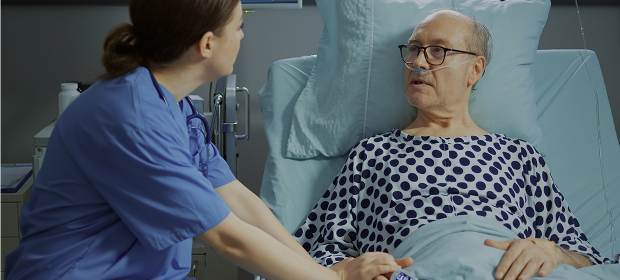
Caring for a patient with ascites is a tiring process. If the patient is having difficulty breathing, ventilate the room more often and raise the pillow: have them spend most of the day in a semi-sitting position.
Inpatient care for a patient with ascites involves 24-hour symptom monitoring. Doctors monitor the patient's condition, take tests, and adjust medication dosages if necessary.

When is urgent specialist help needed?
Sometimes, the condition can worsen rapidly. A sudden increase in abdominal size, severe shortness of breath, severe weakness, or pain are reasons to urgently seek medical attention.
Ascites treatment in the palliative care setting is carried out under the supervision of an oncologist. No medications should be taken on your own.
Conclusion: Quality of life comes first
Ascites in cancer is a serious condition. But it can be controlled. Proper treatment can relieve abdominal pressure, reduce shortness of breath, and give the patient a sense of freedom: they can breathe normally, speak, and spend time with family.
The primary goal of palliative care is caring for the patient. Treatment is, of course, the priority, but it's also important to restore the patient's will to live.
FAQ
Is it possible to completely cure ascites in late-stage cancer?
Is laparocentesis painful?
How much fluid can be drained at one time?
Does diet help with terminal ascites?
Why does ascites occur with cancer?
How can you tell if ascites is getting worse?
Does laparocentesis provide long-term relief?
Is it possible to treat ascites at home?
Can I take diuretics on my own?



This award is given to clinics with the highest ratings according to user ratings, a large number of requests from this site, and in the absence of critical violations.

This award is given to clinics with the highest ratings according to user ratings. It means that the place is known, loved, and definitely worth visiting.

The ProDoctors portal collected 500 thousand reviews, compiled a rating of doctors based on them and awarded the best. We are proud that our doctors are among those awarded.
Make an appointment at a convenient time on the nearest date
Other services

Appointment to the doctor
Reviews






Our clinics


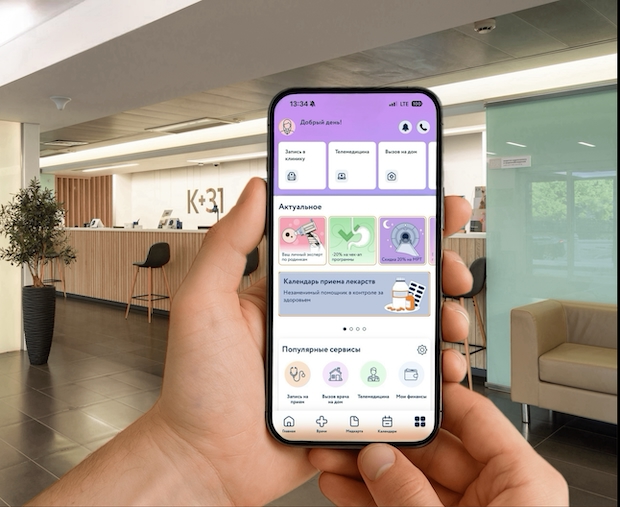
Application “Personal Account K+31”












What is ascites and why does it occur in the later stages?
Normal fluid in the abdomen is present. It is needed to ensure the smooth movement of the organs. This accumulation does not cause any discomfort. Problems arise when the amount of serous fluid increases.
In severe cancer, this balance is disrupted. Ascitic fluid begins to be produced faster than it is eliminated. There are several reasons:
Ascites in cancer gradually increases intra-abdominal pressure. As a result, the organs become closer together, the diaphragm rises, and the person finds it difficult to breathe, resulting in shortness of breath.
Palliative treatment of ascites is aimed primarily at facilitating breathing and reducing discomfort.