
Palliative Care for Vaginal Cancer: How to Ease the Patient's Condition
Last-stage cancer not only affects a woman's health. The disease also impacts her lifestyle. Swelling, bleeding, fear, and despair appear. At such moments, both the patient and her family give up.
When the disease cannot be cured, palliative care specialists should be involved. Their job is to maintain calm, relieve pain, and support the woman and her loved ones. Vaginal cancer and palliative care are about respect for the individual and support, both physical and psychological.

specialists

equipment

treatment




Main symptoms and methods of their correction
Symptoms of stage 4 vaginal cancer include:
- Pain (can be constant or intermittent)
- Bleeding
- Foul odor due to tumor breakdown
- Severe swelling of the legs
- Problems with urination and bowel movements
Palliative care physicians address each symptom individually. This is why teamwork is essential. If there is an issue that cannot be resolved with standard treatment, it is important to consult with specialized specialists.
Combating Lymphedema and Edema
Lymphostasis most often manifests as leg swelling, heaviness, pain, and difficulty walking normally. Compression stockings, proper leg positioning, gentle exercise, and skin care to prevent cracks and inflammation can help. Light lymphatic drainage massage can also be done, but it's best to consult a doctor before beginning a course.
Managing complications in adjacent organs (bladder, intestines)
The tumor can spread to the bladder and intestines. This can lead to pain during urination, urinary retention, frequent infections, constipation, or signs of obstruction.
Sometimes a catheter is required, and if urinary or stool drainage is persistent, a stoma may be created. This is not a deterioration, but a way to make the condition more manageable and reduce suffering.
Care for Tumor Disintegration and Bleeding
Tumor disintegration is often accompanied by discharge, odor, and pain. Dressings and wound care are necessary. Use soft materials to avoid damaging the already weakened skin.
Bleeding is a warning sign. A doctor will prescribe hemostatic therapy, and if blood loss increases, hospital care may be necessary. Self-medication and "folk remedies" are dangerous in this situation.

Psychological and Nutritional Support
In the later stages, appetite often decreases. Due to a lack of vitamins and minerals, the body loses strength. A loss of energy and exhaustion sets in.
If a woman has difficulty getting out of bed, consider nutritional support and add protein shakes to the menu. Drink them in small portions, don't push or insist: if you don't feel like eating, it's better to wait and try again later.
Emotionally, it's also difficult. Depression and anxiety are common, and they're not a "character trait" but a reaction to the illness. A psychologist can help reduce fear, and the family can help structure the conversation so that tension is reduced at home.

The Role of Relatives in Caring for the Patient
Vaginal cancer care is a daily task. Relatives need to:
- Administer medications on time
- Bath the woman every day
- Monitor discharge (odor and volume)
- Monitor skin condition
In this situation, loved ones are the woman's main support. But this doesn't mean they should forget about themselves. This is a dead-end road: the family atmosphere deteriorates, the woman feels guilty, and she lacks the strength to correct the situation.
Try to maintain a balance: care for the patient and don't forget to live your own life. If you can't manage it, seek palliative care.
Doctors will tell you how to change dressings, how to use absorbent garments, and how to spot any deterioration early.
When should you contact a hospice or palliative care unit?
If pain cannot be relieved, bleeding recurrs, weakness increases, or safe care cannot be provided at home, inpatient care should be considered.
Hospice provides 24-hour monitoring, equipment, and family support. It's not a last resort; it's a way to maintain healthy relationships between family members.
| Criteria | Home care | Inpatient (hospice) |
|---|---|---|
| Pain relief for pelvic cancer | As prescribed by a doctor, with family monitoring | 24-hour monitoring, quick adjustments to the treatment plan |
| Medical assistance | On call | Always available |
| Psychological support for relatives | Family atmosphere, but possible isolation | Oncopsychologist, family support |
| Equipment | Limited | Functional beds, consumables, care |
We help not only the patient but also their family, teaching them the skills of caring and psychological resilience.

Frequently Asked Questions
Important: This information is for informational purposes only. Consult a specialist. Self-medication for cancer can be life-threatening.
Is it possible to completely eliminate the pain of stage 4 vaginal cancer?
What should I do if I experience severe leg swelling (lymphostasis)?
How should I feed a patient with loss of appetite?
How long does the palliative stage last?



This award is given to clinics with the highest ratings according to user ratings, a large number of requests from this site, and in the absence of critical violations.

This award is given to clinics with the highest ratings according to user ratings. It means that the place is known, loved, and definitely worth visiting.

The ProDoctors portal collected 500 thousand reviews, compiled a rating of doctors based on them and awarded the best. We are proud that our doctors are among those awarded.
Make an appointment at a convenient time on the nearest date
Other services

Appointment to the doctor
Reviews














Our clinics


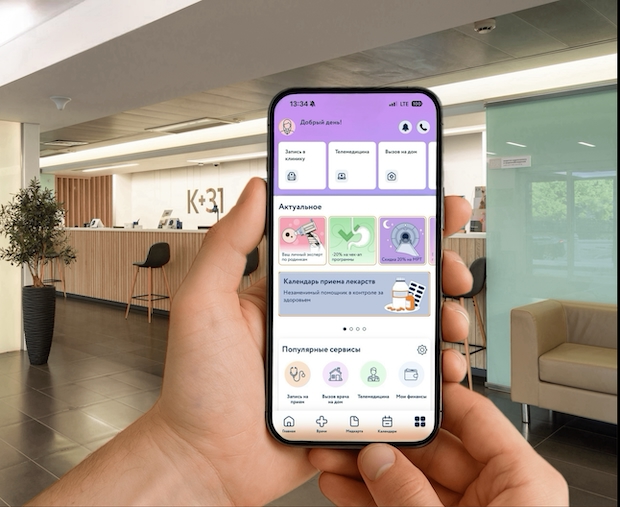
Application “Personal Account K+31”












Tasks of palliative care in late stages
In the later stages, when metastases have spread to neighboring organs or bones, women experience severe pain. The role of a palliative care physician is to select the appropriate treatment. It's important to remember that palliative care is not the end of the fight against cancer. Women continue treatment, but new procedures are added:
Vaginal cancer care is a team effort. Yes, relatives can cope on their own. But it's important to understand that it's difficult and exhausting, both physically and emotionally. If you can't cope, seek help.
Pain Management
Pain from cancer can be either constant or intermittent. Pain relief for pelvic oncology is determined based on the degree of discomfort. Doctors always start with low doses of mild analgesics. If these are ineffective, they move on to stronger medications.
Pain medications should be given on a schedule, not occasionally. In certain situations, when pain and anxiety become unbearable and other measures are ineffective, the doctor may discuss sedation as a way to relieve suffering while maintaining safety.