Gastrostomy Tube Placement in Palliative Care: What Patients and Their Families Need to Know

When a person is seriously ill, one of the most pressing issues for families is nutrition. Some people stop swallowing, others choke even on water, and still others simply eat everything but can't gain weight. Gastrostomy tube placement is a procedure that addresses these issues: it reduces the risk of choking, and feeding becomes a routine rather than a complicated process.

Best specialists
Best
specialists
Expert equipment
Expert
equipment
Advanced diagnostic treatment
Advanced diagnostic
treatment
Sign up
Fill out the entry form on the page and we will call you back
Sign up Позвонить
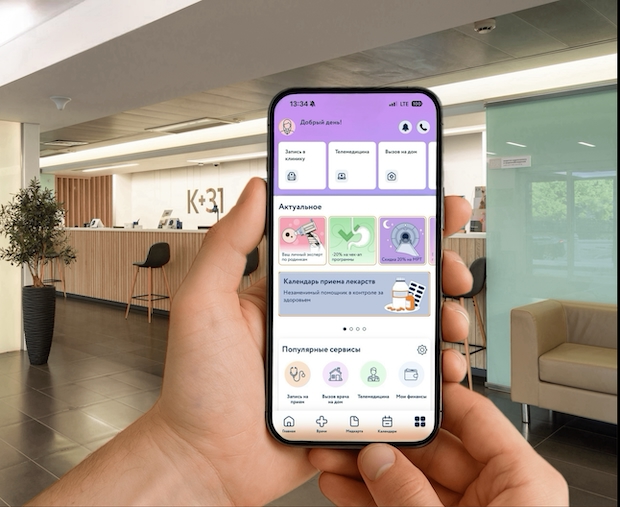
Download the application “Personal Account K+31”
Everything about your health in one click!
Subscribe to social networks K+31
To keep up to date with current offers and receive useful advice about your health.

What is a gastrostomy and why is it needed?

A gastrostomy is an opening (essentially a controlled fistula) through which a feeding tube is inserted into the stomach. It's practically invisible under clothing, so there's no need to worry about your loved one's appearance or self-esteem.

The main goal is nutritional support. The primary task facing relatives and palliative care physicians is to ensure the person receives their daily calorie intake. In other words, you don't need to feed them at any cost, but rather help the body cope with the disease.

What is a gastrostomy and why is it needed?
Indications for the procedure: when is it time to think about gastrostomy?

Indications for the procedure: when is it time to think about gastrostomy?

The decision is always made by a doctor, but a gastrostomy is usually placed when oral feeding is impossible. This is especially important in situations where the patient is rapidly losing weight, and attempts to feed them even a little food result in vomiting or choking.

Swallowing difficulty (Dysphagia)

Dysphagia is when a person chokes, coughs, or swallows saliva. If food gets into the wrong throat, the patient can simply choke. But even without considering the most tragic outcome, aspiration pneumonia can occur.

A gastrostomy for a bedridden patient in such cases is much better than a feeding tube because it reduces the risk of aspiration compared to a nasogastric tube.

Inability to adequately eat orally

Many patients can swallow, but due to severe weakness, spread of metastases, or nausea, they are unable to eat normally. Systemic malnutrition is a direct path to dramatic weight loss. In this case, the body simply has no strength left to fight the disease: wounds heal more slowly, and muscle and joint pain increases.

A gastrostomy tube for oncology is a way to support the body and enable a person to live a normal life.
Types of gastrostomy: why is PEG (endoscopy) better?

Types of gastrostomy: why is PEG (endoscopy) better?

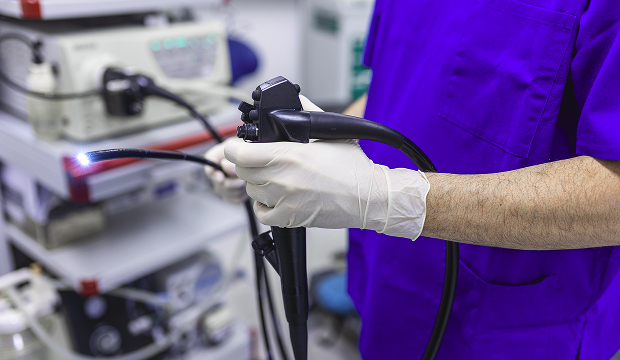
Endoscopic gastrostomy (PEG, percutaneous endoscopic gastrostomy) is a way to place a feeding tube directly into the stomach without a full-blown operation. The doctor performs this procedure using an endoscope: a thin, flexible tube with a camera is inserted through the mouth, the stomach is examined from the inside, and the gastrostomy tube is precisely positioned.

This option is usually easier to tolerate because it is less traumatic, and recovery is quicker. For long-term feeding, this is generally a convenient solution. In some cases, the doctor may choose a Pezzer catheter, depending on the patient's condition, diagnosis, and overall treatment plan.
How the installation process works: stages and preparation

How the installation process works: stages and preparation

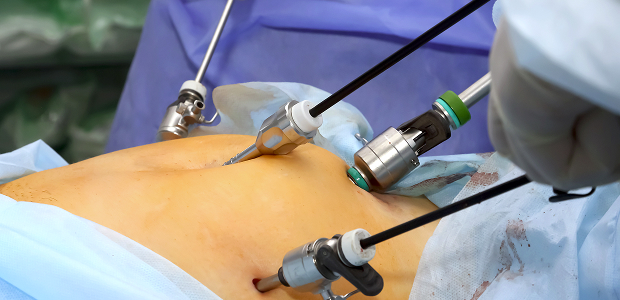
First, the patient is examined, risks are assessed, and tests are completed. Then, the surgery is performed. General anesthesia is not required; sedation or local anesthesia is used.

After the tube is inserted and secured, the doctor explains basic care to the patient and their family. They also explain how to feed with the tube, how to care for the wound, and what symptoms require calling a doctor.

Life and care after the procedure

Gastrostomy placement is a procedure that simplifies patient care and makes life more comfortable for the patient and their family. Fear is alleviated for relatives, and panic is eliminated for the patient. They no longer fear that any careless movement could result in choking or vomiting.

But for everything to go smoothly, it's important to learn how to properly care for the stoma. The doctor will explain everything during the consultation, but relatives must strictly follow their recommendations, without any self-initiated efforts.

Hygiene rules around the stoma

The patient's family should monitor the gastrostomy opening. This should be done daily: the wound should be dry, free of redness, odor, and pain. Simple care: treat it with an antiseptic twice a day, but the doctor will provide more precise recommendations.

Small granulations are common, but if they grow, bleed, or become wet, this is a reason to consult a doctor to prevent a stoma infection.

Features of the introduction of nutrition and medications

Feeding through a gastrostomy is introduced gradually. It is not necessary to administer the full daily volume from the very beginning.

Feeding formulas are usually used. The consistency, volume, and content are determined by the doctor.

Particular attention should be paid to taking pills. People with swallowing difficulties cannot take medications orally. These are also administered through the gastrostomy, but it is important to note that not all pills can be crushed. Therefore, it is not possible to add or stop medications on your own: the dosage and administration format are determined by the doctor.

After each administration, the system is flushed to reduce the risk of blockage. And no matter what you administered—food or medication—the stoma must be clean.

Prevention of complications

What problems can arise when feeding through a gastrostomy tube? Most common problems include leakage of stomach contents, skin irritation, tube blockage, and infection. To prevent these problems, always flush the stoma and secure it without tension on the skin.

If you experience pain, fever, purulent discharge, or a strong odor, consult a doctor immediately.

Psychological aspect: how to make a decision?

Psychological aspect: how to make a decision?

People often fear that a gastrostomy is a "point of no return." In practice, palliative care gastrostomy is often about freedom: the patient suffers less, and the family no longer lives in constant fear of aspiration.

Sometimes it's helpful to ask yourself a simple question: what's more important now—continuing to struggle with every spoonful or providing the body with nutrition safely?

Table: Tube or gastrostomy

Parameter Nasal tube Gastrostomy
Duration Short-term (up to 4 weeks) Long-term (6–12 months and longer depending on the situation)
Comfort Discomfort in Nasopharynx, may prolapse In the stomach, usually barely felt
Aesthetics Visible on the face Hidden under clothing
Risk of injury Higher (nose, esophagus) Low with proper care
Risk of aspiration Increased Decreased
Care Often more difficult Keep in place Requires skin care, but is stable

Conclusion

Gastrostomy placement solves more than just nutritional issues. This procedure simplifies patient care and allows families to live their lives free from fear, constant panic, and insomnia.

Gastrostomy placement for oncology patients is the best way to maintain strength and reduce the risk of aspiration.

We provide a full cycle of support: from safe placement to educating the family on how to cope with the new circumstances.

Conclusion

FAQ

Is the implantation procedure painful?

The procedure is performed under sedation or local anesthesia, so the patient feels no pain. After the procedure, some minor discomfort in the puncture area is possible, but can be relieved with regular analgesics.

Can I continue eating orally after a tube is inserted?

Yes, if partial swallowing function is preserved and there is no risk of aspiration (food entering the lungs), a gastrostomy does not interfere with normal enjoyable eating.

How often should the tube itself be changed?

Modern silicone gastrostomy tubes (PEG) last from 6 to 12 months. Balloon tubes are replaced on an outpatient basis and do not require a repeat surgery.

Is a gastrostomy tube visible under clothing?

No, modern tubes are compact, have a retaining disc, and can be easily concealed under regular loose clothing.

Is a gastrostomy permanent for a bedridden patient?

It all depends on the patient's condition. If the condition is treatable, a gastrostomy is placed until the patient is able to chew, swallow, and eat independently.

How is a PEG tube better than a standard tube?

An endoscopic gastrostomy tube is more convenient to use. It's easier to insert and maintain.

When should you see a doctor?

If you experience redness, swelling, or leakage of stomach contents. You should also seek medical attention if you experience severe pain, fever, or foul-smelling discharge.

Important: This article is for informational purposes only. Only a doctor can make all decisions. You should not change your diet, consistency, or volume on your own.
Our doctors

Tatarenko Alena Igorevna
Experience 10 years
Make an appointment
Tatarenko
Alena Igorevna
Leading neurologist, Parkinson specialist, psychiatrist
Esenov Viktor Valerievich
Experience 5 years
Make an appointment
Esenov
Viktor Valerievich
Physiotherapist, physical rehabilitation doctor
All specialists
2GIS Award
2GIS Award

This award is given to clinics with the highest ratings according to user ratings, a large number of requests from this site, and in the absence of critical violations.

«Good place» according to Yandex

This award is given to clinics with the highest ratings according to user ratings. It means that the place is known, loved, and definitely worth visiting.

Our doctors are laureates of the ProDoctors Award

The ProDoctors portal collected 500 thousand reviews, compiled a rating of doctors based on them and awarded the best. We are proud that our doctors are among those awarded.

Make an appointment at a convenient time on the nearest date

Other services

Palliative hospice Oncology hospice Palliative surgery Palliative chemotherapy Palliative radiotherapy Palliative care after stroke Palliative care for the elderly Palliative care for dementia Palliative care for lung cancer Palliative care in neurology Palliative psychology Emergency oncological care Palliative care Palliative surgery Помощь пациентам с неизлечимыми заболеваниями Palliative Care for Breast Cancer Stomach Cancer: Palliative Care and Patient Care Features Palliative care physician: professional support during difficult times Palliative Care in Oncology: When Medicine Focuses on Quality of Life Palliative psychologist: how to find support during the most difficult period Palliative care at home: professional care and support for loved ones Palliative care for colorectal cancer: how to ease the burden of a loved one Skin melanoma: palliative care options and principles of care Palliative care for leukemia: how to ease the burden of a loved one Palliative care for lymphomas Palliative care for chronic kidney disease (CKD) Living with chronic heart failure: challenges of palliative care Chronic respiratory failure: how to help a loved one and improve quality of life Features of palliative care for liver cirrhosis Palliative care for severe cardiovascular diseases Neurodegenerative diseases: how to ensure a decent quality of life? Emphysema: How to improve quality of life in the late stages Amyotrophic lateral sclerosis: how palliative care helps people live with ALS Progressive multiple sclerosis: how to accept the diagnosis and ensure quality of life Hepatocellular carcinoma: how palliative care helps Palliative care for severe Parkinson's disease Palliative care for hepatocellular carcinoma (HCC) Bile duct cancer: opportunities for palliative care and quality care Labia cancer: how to ensure quality of life and professional care Palliative care for vaginal cancer: how to alleviate the patient's condition Palliative care for liver cancer: how to improve a patient's quality of life Palliative care for kidney cancer: how to improve a patient's quality of life Palliative care for uterine cancer: how to improve quality of life Peritoneal mesothelioma: how to recognize the disease and organize care for a loved one Advanced melanoma: palliative care options Palliative care for rectal cancer: how to improve quality of life Cervical cancer: opportunities for palliative care and support Palliative care for bladder cancer Palliative care for ovarian cancer: how to help a loved one Hemodialysis in the structure of palliative care: gentle support of the body Palliative care for pancreatic cancer Day palliative care hospital: opportunities and advantages Palliative care for pain syndrome Ascites in palliative care: how to alleviate the condition of a loved one Sepsis in oncology: What is important for the patient's relatives to know? Alzheimer's Disease: How to Organize Life and Care for a Loved One Hydrothorax: how to ease breathing and improve the patient's quality of life Cancer Metastases: How to Alleviate a Patient's Condition and Maintain Quality of Life Blood Transfusion for Anemia: How Blood Transfusion Helps Palliative Patients Life without pain: the possibilities of modern palliative care Chronic heart failure: possibilities of palliative care Tracheostomy: Features of care and patient life in the palliative care unit Pathological fractures: how to recognize them and how to help a loved one Renal failure: palliative care and patient support Cachexia: How to Help a Loved One with Pathological Weight Loss
Make an appointment

Appointment to the doctor

Fill out the form, our managers will contact you within 15 minutes

Reviews

I really liked the clinic. I had an appointment with neurologist Tatarenko Alena Igorevna, an excellent specialist, I recommend her. And when conducting pulse therapy, I want to express special gratitude to the nurse Andreeva Marina Mikhailovna, she set up the IV perfectly, I have never seen such an approach.
08.08.2025
Anonymously

About doctor:

Tatarenko Alena Igorevna

Ценю комфорт и стараюсь экономить своё время, поэтому уже почти год наблюдаюсь в клинике К+31. Работают ежедневно, и всегда можно подобрать удобное время для приёма. Оборудование новейшее, так что в результатах нет сомнений. Весь персонал клиники всегда отзывчив и добродушен, что для меня очень важно. Хотела бы выразить отдельную благодарность врачу-онкологу Кузнецовой Юлии Владимировне за профессионализм в разработке схемы обследования.
08.03.2025
Татьяна Т.
Юлия Владимировна Кузнецова оказалась очень внимательным специалистом. Она спокойно и подробно объяснила мне методы лечения и необходимые процедуры. В процессе лечения возникали некоторые сложности, но доктор всегда находила способы их решения без лишних комментариев и нареканий. В целом, я полностью доволен её профессиональным подходом.
06.03.2025
Роман К.
Алёна Игоревна — мой лечащий врач. Подтверждение диагноза "рассеянный склероз" стало настоящим шоком. Паника, страх, непонимание — эти чувства переживает каждый, столкнувшийся с тяжёлой болезнью. Алёна Игоревна смогла успокоить меня, нашла правильные слова и очень грамотно, развёрнуто ответила на все мои, порой истеричные и глупые, вопросы. От неё выходишь с внутренним спокойствием и уверенностью, что всё будет хорошо. Назначенное лечение даёт свои результаты, и я уверена, что наступивший период ремиссии будет продолжительным. Мой любимый доктор с большой буквы. Огромное человеческое спасибо ей за всё, что она делает, и за помощь в преодолении тяжёлых диагнозов.
26.02.2025
Ева Е.

About doctor:

Tatarenko Alena Igorevna

Наблюдаюсь у этого доктора, и именно она настояла на наиболее эффективном лечении во время консилиума, которое дало положительный результат. Доктор очень приятная, вежливая и профессиональная. Среди её пациентов нет тех, кто остался бы недоволен её работой. Она умеет не только использовать традиционные методы лечения, но и предлагает дополнительные виды терапии и реабилитации. К сожалению, среди неврологов таких специалистов сейчас довольно мало. Хотелось бы, чтобы их было больше.
23.01.2025
Александр К.

About doctor:

Tatarenko Alena Igorevna

Мне очень понравилось общение с врачом-онкологом Кузнецовой Юлией Владимировной. Она не назначает мне лишние таблетки, если в этом нет необходимости. Когда я захожу в её кабинет, она всегда улыбается, и я тоже ухожу с улыбкой. Юлия Владимировна объясняет, что моё заболевание не страшное и не смертельное, и что всё будет хорошо. Её оптимизм и вера в благоприятный исход лечения для меня очень важны. Когда мы, пациенты, приходим к врачу, испытываем страх и неопределённость, именно такое отношение – понимание, внимание, лечение и настрой на хороший результат – нам и нужно. Я не посетила много врачей, но мне есть с кем сравнить, и я с уверенностью могу рекомендовать именно Кузнецову Юлию Владимировну.
20.01.2025
Татьяна С.
Я обращалась к Алене Игоревне несколько раз в год по основному диагнозу. Она всегда внимательно изучает мои анализы и исследования, отвечает на все вопросы, дает рекомендации по дополнительным обследованиям и назначениям. Лечение всегда проводится вовремя, без лишней траты времени и нервов, что для меня очень важно. За время лечения я восстановила зрение, чувствительность в конечностях и способность обслуживать себя. В 2022 году, благодаря внимательности и тщательной подготовке Алены Игоревны, я смогла родить, несмотря на мои опасения. Благодарю Вас, Алена Игоревна, за всё!
12.01.2025
Ариана П.

About doctor:

Tatarenko Alena Igorevna

Более 10 лет меня беспокоили головные боли, тревога и напряжение в мышцах. Я прошла множество неврологов в Москве, потратила много времени и денег, но только Алена Игоревна смогла мне помочь. Её компетентность, грамотный подход, чуткость и внимательность ко всем деталям быстро решили проблему. Назначенная терапия дала результат уже через месяц, а спустя ещё пару месяцев проблема ушла почти совсем. Однозначно рекомендую этого доктора!
29.12.2024
Анастасия К.

About doctor:

Tatarenko Alena Igorevna

I would like to express my gratitude to my attending physician - the wonderful otorhinolaryngologist Anastasia Vladimirovna Varvyanskaya for his professionalism, attentiveness and kindness! And also to all employees of the K+31 West clinic who took part in the operation and the pre/postoperative period, these are: head of the ENT department Zalina Muratovna Tetsoeva, anesthesiologist Kristina Inalovna Siukaeva, head of the anesthesiology and resuscitation department Zarina Igorevna Sypkova, all nurses, secondary and to the junior medical staff, Alexander, who drove me to the operating room and back, hospitalization managers, administrators and everyone, everyone, everyone! I had surgery on March 14, 2024 for a deviated nasal septum and hypertrophied nasal turbinates (septoplasty + osteoconchotomy). I have been suffering from difficulty breathing through my nose for a long time. I got an appointment with Dr. A.V. Varvyanskaya. I immediately realized that I was ready for surgery with this specialist. The surgery and recovery went flawlessly. Finally, after many years of torment, my nose could breathe freely. Thank you!
01.05.2024
Gorlachev Pavel Dmitrievich
Почему К+31?
К + 31 — full-cycle multidisciplinary medical centers, including the possibility of providing medical services of European quality level.
К + 31 — are leading doctors and diagnostics using high-tech equipment from world manufacturers (Karl Storz, Olympus, Siemens, Toshiba, Bausch&Lomb, Technolas, Zeiss, Topcon).
К + 31 — is ethical. The staff of K+31 clinics maintain open relationships with patients and partners. An individual approach to each patient is the basis of our service standards.
К + 31 — is modernity. On call 24/7: call center operators will answer your questions at any time and book you an appointment with doctors. Contact us by phone, through the feedback form on the website and Max.

Our clinics

K+31 West

Orshanskaya, 16/2; Ak. Pavlova, 22

74999993131

Subway
3
Molodezhnaya
By a car
Moving along Orshanskaya street, we turn to the barrier with the guard post K+31. You do not need to order a pass, they will open it for you
Opening hours
Mon-Fri: 08:00 – 21:00
Sat-Sun: 09:00 – 18:00
Didn't find the service you were looking for?

Экстренная помощь