Chronic respiratory failure: how to help a loved one and improve quality of life

Chronic respiratory failure is a condition in which the lungs can no longer function normally: a person is unable to breathe, and experiences weakness, fear, and confusion.

The disease can develop over years, and in the early stages, the patient may not even be aware of the condition: they will attribute their poor health to fatigue or the effects of a recent virus.

In severe forms of chronic respiratory failure, the focus is no longer on recovery, but on maintaining the patient's quality of life.

Best
specialists
Expert
equipment
Advanced diagnostic
treatment
Sign up
Fill out the entry form on the page and we will call you back
Sign up Позвонить
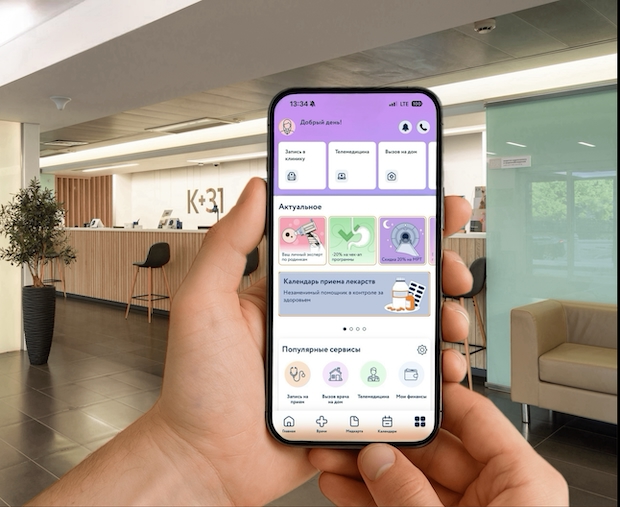
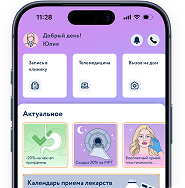
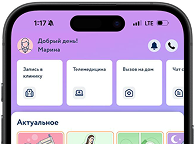
Download the application “Personal Account K+31”
Everything about your health in one click!
Subscribe to social networks K+31
To keep up to date with current offers and receive useful advice about your health.

What is chronic kidney disease and why does it occur?

Chronic respiratory failure (CRF) is a condition in which oxygen levels in the blood drop. This process is called hypoxia. The condition is diagnosed through blood gas analysis.

The causes vary:

  • COPD
  • Pulmonary fibrosis
  • Consequences of severe COVID-19
  • Neuromuscular diseases, including ALS

However, the underlying cause is always damage to lung tissue or respiratory muscles.

People diagnosed with CRF should monitor their oxygen saturation. If the patient is too weak, relatives or hospital staff can monitor blood oxygen saturation. Saturation is measured with a pulse oximeter.

What is chronic kidney disease and why does it occur?

Stages and symptoms of the disease

The condition is assessed based on the severity of shortness of breath and oxygen saturation. The degree of respiratory failure helps determine the amount of care needed.
Degree Manifestations Saturation levels (SpO₂)
I Dyspnea with exertion 90–94%
II Dyspnea with minimal activity 85–89%
III Shortness of breath at rest, cyanosis below 85%

What to look for: early signs

Decreased endurance, frequent fatigue, rapid breathing, bluish lips. If oxygen saturation is below normal, consult a doctor.

Symptoms of chronic respiratory failure can worsen gradually, so monitoring is important.

When does the condition become critical?

If shortness of breath at rest, severe weakness, confusion, or a sharp drop in oxygen saturation occur, urgent medical attention is needed.

In the later stages, chronic respiratory failure requires not only therapy but also palliative care.

Methods of respiratory support at home and in hospital
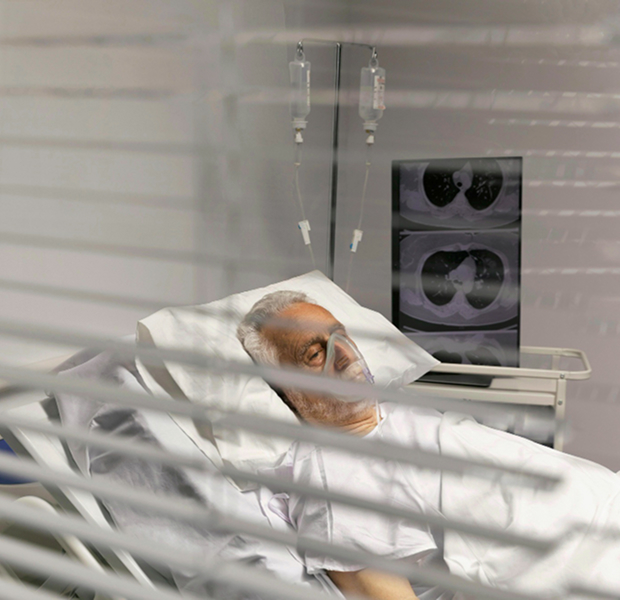
No matter the patient's treatment conditions, their comfort and safety are always our top priorities.

Oxygen therapy and concentrators

Oxygen support is the foundation of care. An oxygen concentrator, which extracts oxygen from the air, is used to maintain normal functioning.

Patients with chronic respiratory failure are not required to remain at home all the time. Portable oxygen concentrators are now widely used: they can go outside, meet with family and friends, and be completely mobile and independent. This is important for maintaining the patient's quality of life and emotional well-being.

With regular therapy, the severity of hypoxia decreases, reducing the strain on the heart.

NIV (Non-invasive ventilation)

For more severe forms, NIVL is used—a mask that delivers air under pressure. This helps relieve the feeling of suffocation and reduce hypercapnia.

Clinical guidelines confirm that timely initiation of NIV improves prognosis and reduces the frequency of hospitalizations.

The role of palliative care in chronic kidney disease

Palliative care for chronic kidney disease isn't about "the end." It's about symptom management and family support.

Relief of distressing symptoms (shortness of breath and fear of suffocation)

Shortness of breath in lung diseases is often accompanied by panic. Fear intensifies the feeling of shortness of breath.

Palliative care for chronic respiratory failure alleviates this problem. Treatment includes not only oxygen and non-invasive ventilation, but also medications that relieve anxiety.

We don't just support breathing—we restore the person's ability to communicate with loved ones without pain and fear.

Psychological support for the family

Living with someone who is suffocating is emotionally difficult. Loved ones constantly fear for their well-being. But the greatest fear comes at night: relatives are forced to wake up and check the patient's breathing.

The psychologist's job in this situation is to relieve tension in the family. Palliative care specialists explain how to use equipment, how to set it up, how to administer medications, and how to care for the patient.

How to organize the daily life of a patient with respiratory failure
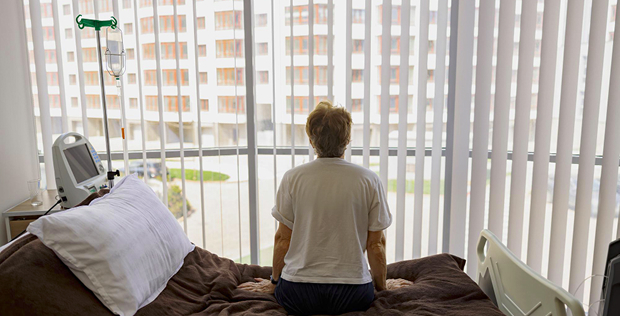
The room where the patient spends most of the day must be regularly ventilated. Drafts should be avoided: you need to protect your loved one from infections and colds.

Choose a bed with an elevated headboard.

If the patient is unable to walk extensively, it is important to follow bedridden care guidelines: preventing bedsores, regularly changing body position, and monitoring nutrition and hydration.

Rehabilitation—breathing exercises and gentle physical activity—help maintain residual lung function.

Conclusion

Chronic respiratory failure is a serious condition. But with proper treatment, such patients can lead normal lives: taking care of themselves, walking, and performing small household chores.

Modern medications and oxygen equipment help control hypoxia, reduce shortness of breath, and maintain activity.

The main goal is to maintain the patient's quality of life.

Conclusion

FAQ

Is it possible to live at home with oxygen support?

Yes, with proper equipment setup and regular medical monitoring.

Is hospitalization always necessary?

No. Many patients receive care on an outpatient basis.

Is it dangerous to change the oxygen flow rate on your own?

Changing oxygen flow settings on your own can be dangerous. Excess oxygen can suppress the respiratory center in some patients.

This article is for informational purposes only. Any changes to therapy should be discussed with your doctor.

Our doctors

Sypkova Zarina Igorevna
Experience 17 years
Make an appointment
Sypkova
Zarina Igorevna
Deputy chief physician for inpatient care, anesthesiologist-resuscitator, palliative medicine physician
Tatarenko Alena Igorevna
Experience 10 years
Make an appointment
Tatarenko
Alena Igorevna
Leading neurologist, Parkinson specialist, psychiatrist
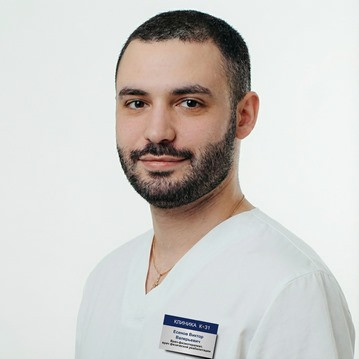
Esenov Viktor Valerievich
Experience 5 years
Make an appointment
Esenov
Viktor Valerievich
Physiotherapist, physical rehabilitation doctor
All specialists
2GIS Award
2GIS Award

This award is given to clinics with the highest ratings according to user ratings, a large number of requests from this site, and in the absence of critical violations.

«Good place» according to Yandex

This award is given to clinics with the highest ratings according to user ratings. It means that the place is known, loved, and definitely worth visiting.

Our doctors are laureates of the ProDoctors Award

The ProDoctors portal collected 500 thousand reviews, compiled a rating of doctors based on them and awarded the best. We are proud that our doctors are among those awarded.

Make an appointment at a convenient time on the nearest date

Appointment to the doctor

Fill out the form, our managers will contact you within 15 minutes

Reviews

I would like to express my gratitude and appreciation to the kind and caring Doctors Ksenia Andreevna and Zarina Igorevna, and to the entire staff of the therapy department, for the palliative care they provided! Thank you! Your help and care have helped and supported our family, my mother, and me!
18.02.2026
D. Vladimirovich

About doctor:

Sypkova Zarina Igorevna, Dibrivnaya Ksenia Andreevna

Zarina Igorevna is not only a highly skilled professional, a competent specialist, and an organizer of the intensive care unit, but also an extraordinary person who surrounds every patient with attention and care. Thank you for your kindness and warmth, for pouring your heart into each patient!
22.01.2026
K. Natalia Grigorievna

About doctor:

Sypkova Zarina Igorevna

I would like to express my deepest gratitude to the Deputy Chief Physician and Head of the Palliative Care Department, Zarina Igorevna Sypkova, and to palliative care physician Ksenia Andreevna Dibrovna. Thanks to their sensitivity, kindness, and high level of professionalism, my niece Galina passed away peacefully and painlessly. My deepest gratitude to the entire medical staff of the palliative care department. Sincerely, Irina Mikhailovna Zh.
04.12.2025
J. Irina Mikhailovna

About doctor:

Sypkova Zarina Igorevna, Dibrivnaya Ksenia Andreevna

I really liked the clinic. I had an appointment with neurologist Tatarenko Alena Igorevna, an excellent specialist, I recommend her. And when conducting pulse therapy, I want to express special gratitude to the nurse Andreeva Marina Mikhailovna, she set up the IV perfectly, I have never seen such an approach.
08.08.2025
Anonymously

About doctor:

Tatarenko Alena Igorevna

Ценю комфорт и стараюсь экономить своё время, поэтому уже почти год наблюдаюсь в клинике К+31. Работают ежедневно, и всегда можно подобрать удобное время для приёма. Оборудование новейшее, так что в результатах нет сомнений. Весь персонал клиники всегда отзывчив и добродушен, что для меня очень важно. Хотела бы выразить отдельную благодарность врачу-онкологу Кузнецовой Юлии Владимировне за профессионализм в разработке схемы обследования.
08.03.2025
Татьяна Т.
Юлия Владимировна Кузнецова оказалась очень внимательным специалистом. Она спокойно и подробно объяснила мне методы лечения и необходимые процедуры. В процессе лечения возникали некоторые сложности, но доктор всегда находила способы их решения без лишних комментариев и нареканий. В целом, я полностью доволен её профессиональным подходом.
06.03.2025
Роман К.
Алёна Игоревна — мой лечащий врач. Подтверждение диагноза "рассеянный склероз" стало настоящим шоком. Паника, страх, непонимание — эти чувства переживает каждый, столкнувшийся с тяжёлой болезнью. Алёна Игоревна смогла успокоить меня, нашла правильные слова и очень грамотно, развёрнуто ответила на все мои, порой истеричные и глупые, вопросы. От неё выходишь с внутренним спокойствием и уверенностью, что всё будет хорошо. Назначенное лечение даёт свои результаты, и я уверена, что наступивший период ремиссии будет продолжительным. Мой любимый доктор с большой буквы. Огромное человеческое спасибо ей за всё, что она делает, и за помощь в преодолении тяжёлых диагнозов.
26.02.2025
Ева Е.

About doctor:

Tatarenko Alena Igorevna

Наблюдаюсь у этого доктора, и именно она настояла на наиболее эффективном лечении во время консилиума, которое дало положительный результат. Доктор очень приятная, вежливая и профессиональная. Среди её пациентов нет тех, кто остался бы недоволен её работой. Она умеет не только использовать традиционные методы лечения, но и предлагает дополнительные виды терапии и реабилитации. К сожалению, среди неврологов таких специалистов сейчас довольно мало. Хотелось бы, чтобы их было больше.
23.01.2025
Александр К.

About doctor:

Tatarenko Alena Igorevna

Почему К+31?
К + 31 — full-cycle multidisciplinary medical centers, including the possibility of providing medical services of European quality level.
К + 31 — are leading doctors and diagnostics using high-tech equipment from world manufacturers (Karl Storz, Olympus, Siemens, Toshiba, Bausch&Lomb, Technolas, Zeiss, Topcon).
К + 31 — is ethical. The staff of K+31 clinics maintain open relationships with patients and partners. An individual approach to each patient is the basis of our service standards.
К + 31 — is modernity. On call 24/7: call center operators will answer your questions at any time and book you an appointment with doctors. Contact us by phone, through the feedback form on the website and Max.

Our clinics

K+31 West

Orshanskaya, 16/2; Ak. Pavlova, 22

74999993131

Subway
3
Molodezhnaya
By a car
Moving along Orshanskaya street, we turn to the barrier with the guard post K+31. You do not need to order a pass, they will open it for you
Opening hours
Mon-Fri: 08:00 – 21:00
Sat-Sun: 09:00 – 18:00
Didn't find the service you were looking for?

Экстренная помощь