
Hemodialysis in Palliative Care: Gentle Support for the Body
When kidney function is poor, the blood cannot be properly purified: harmful substances accumulate in the body, and the fluid and electrolyte balance is disrupted. This causes severe weakness, nausea, lethargy, or confusion.
If there is kidney failure, signs of intoxication must be eliminated, so hemodialysis becomes part of palliative care for incurable diseases. This type of care is not about saving lives. It is a different approach, focused on pain relief and combating fears and burnout.

specialists

equipment

treatment






When is hemodialysis prescribed for palliative patients?

The decision is made by a nephrologist in conjunction with specialized physicians. The decision is based on test results, the amount of edema, the level of intoxication, and the patient's overall condition.
Hemodialysis is needed if:
- Renal failure has worsened
- Intoxication is interfering with normal functioning
- Heart rhythm is irregular, and the pulse rate increases without cause
- There is swelling that cannot be relieved with medications
In palliative care, the emphasis is on whether hemodialysis will provide real relief from suffering and improve well-being.
Features of the procedure in the emergency department
Blood purification cannot be performed at home; the procedure is performed in a hospital or palliative care center where the patient is admitted. This isn't just a simple connection to a machine—it requires a systematic approach and attentive patient care.
An arteriovenous fistula or catheter is used to access the vascular bed. The method used depends on the condition of the blood vessels and the duration of the procedure.
Preparation and Monitoring
Before treatment, blood pressure, pulse, and oxygen levels are measured. During the session, the doctor monitors your vital signs. Modern artificial kidney machines automatically regulate filtration and the volume of fluid removed, reducing the risk of complications.
During hemodialysis, it is very important to monitor how much water the patient drinks. If you drink too much, too much fluid accumulates between treatments, which must be quickly removed during dialysis. This can cause blood pressure fluctuations, dizziness, and weakness.
Patient Psychological Comfort
Palliative care also includes support from a psychologist, therapist, and attentive staff. Each step of the procedure is explained to the patient, and help is provided to help them cope with anxiety, fears, and stress.
Painless and Safe Process
Hemodialysis is a painless procedure. It typically lasts 3 to 5 hours. During this time, the patient can read, talk, and rest. If you follow your doctor's recommendations, the risk of complications is minimal.

For a person on dialysis, family support is paramount. If you have the opportunity to sit with your loved one during the procedure, be sure to do so: don't leave a seriously ill relative alone with their thoughts.
Nursing care is a topic that requires special attention. Recommended:
- Monitor salt and fluid intake
- Prevent weight loss or gain
- Monitor blood pressure and pulse
- Keep in touch with your nephrologist
Once the condition stabilizes, partial rehabilitation is possible, returning to normal activities in a gentle manner. The main thing is not to ignore signs of deterioration.
Expected effect of therapy
| Condition | Before the procedure | After the blood purification procedure |
|---|---|---|
| General well-being | Drowsiness, weakness | Stabilization, reduction of discomfort |
| Specific symptoms | Nausea, swelling, itching | Reduction or disappearance of symptoms |
Regular hemodialysis helps reduce severe symptoms of intoxication, maintain fluid and electrolyte balance, and improve overall health.

Conclusion

Hemodialysis in palliative care is more than just mechanical support. It's a way to maintain clarity of consciousness, reduce symptoms of intoxication, and support a patient's quality of life.
We provide not only medical support but also compassionate nursing care, ensuring every minute of the patient's life is filled with peace and freedom from pain.
Frequently Asked Questions
Is the blood purification procedure painful?
Can dialysis be abandoned in a palliative care setting?
How often is hemodialysis performed?



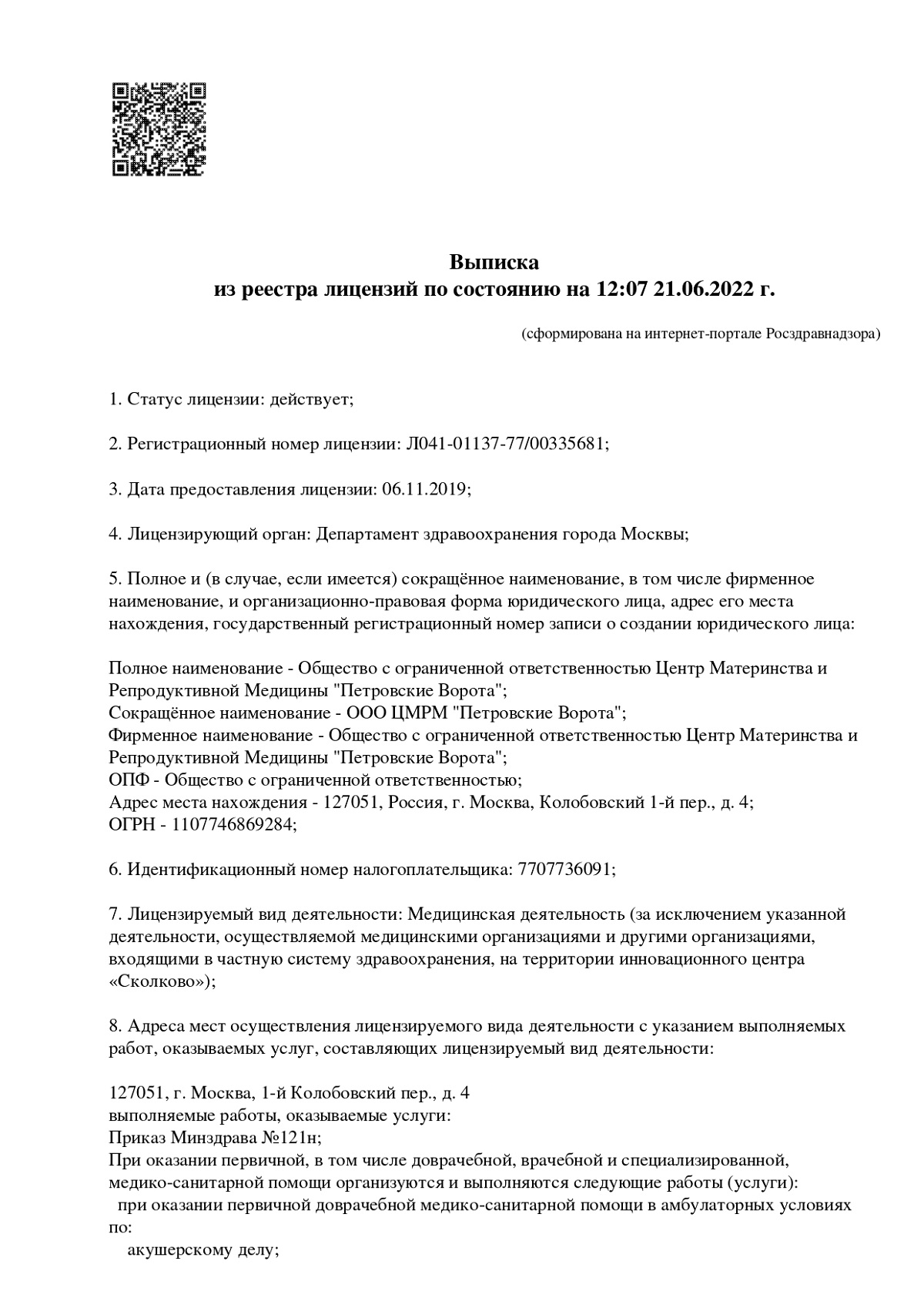
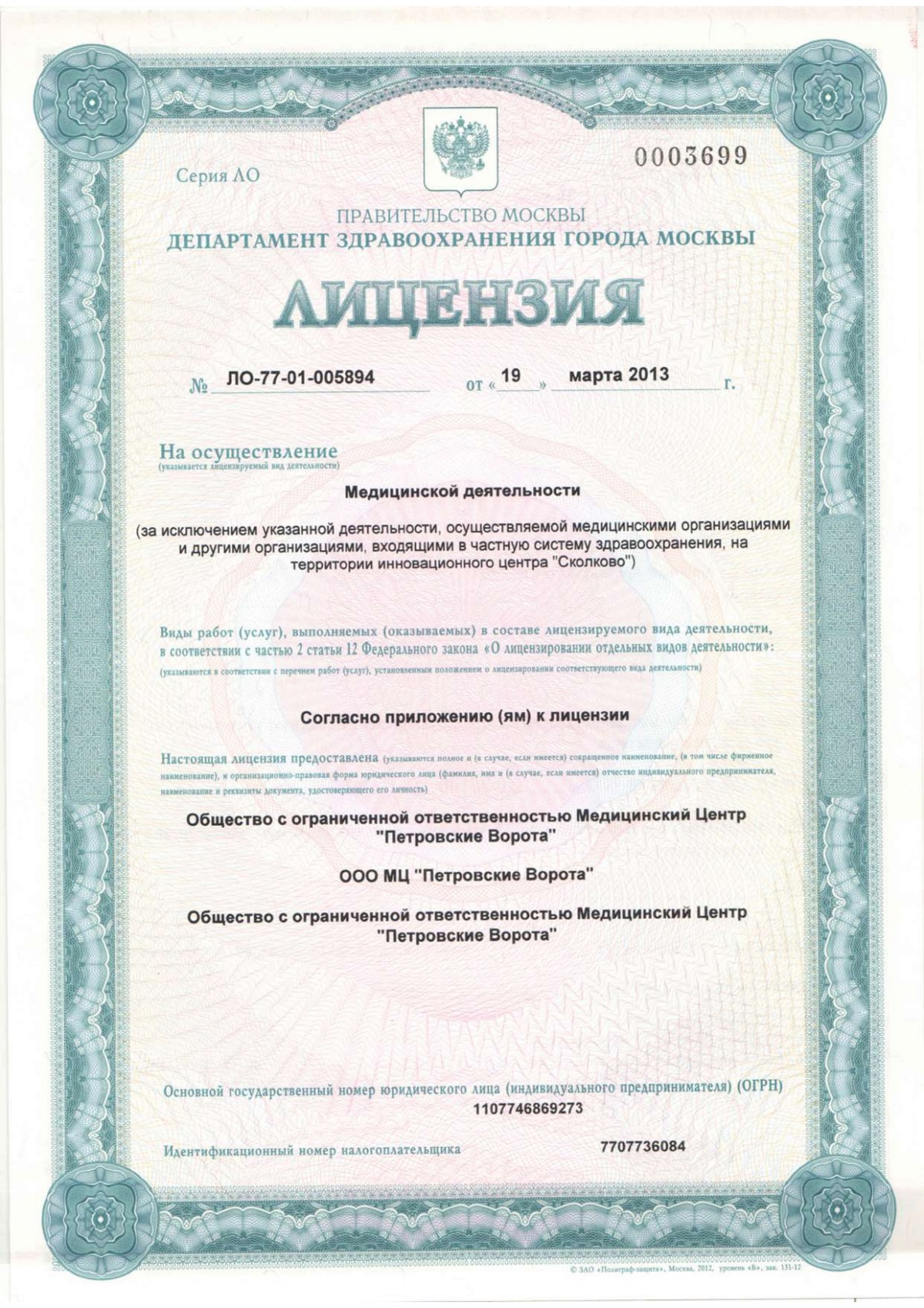
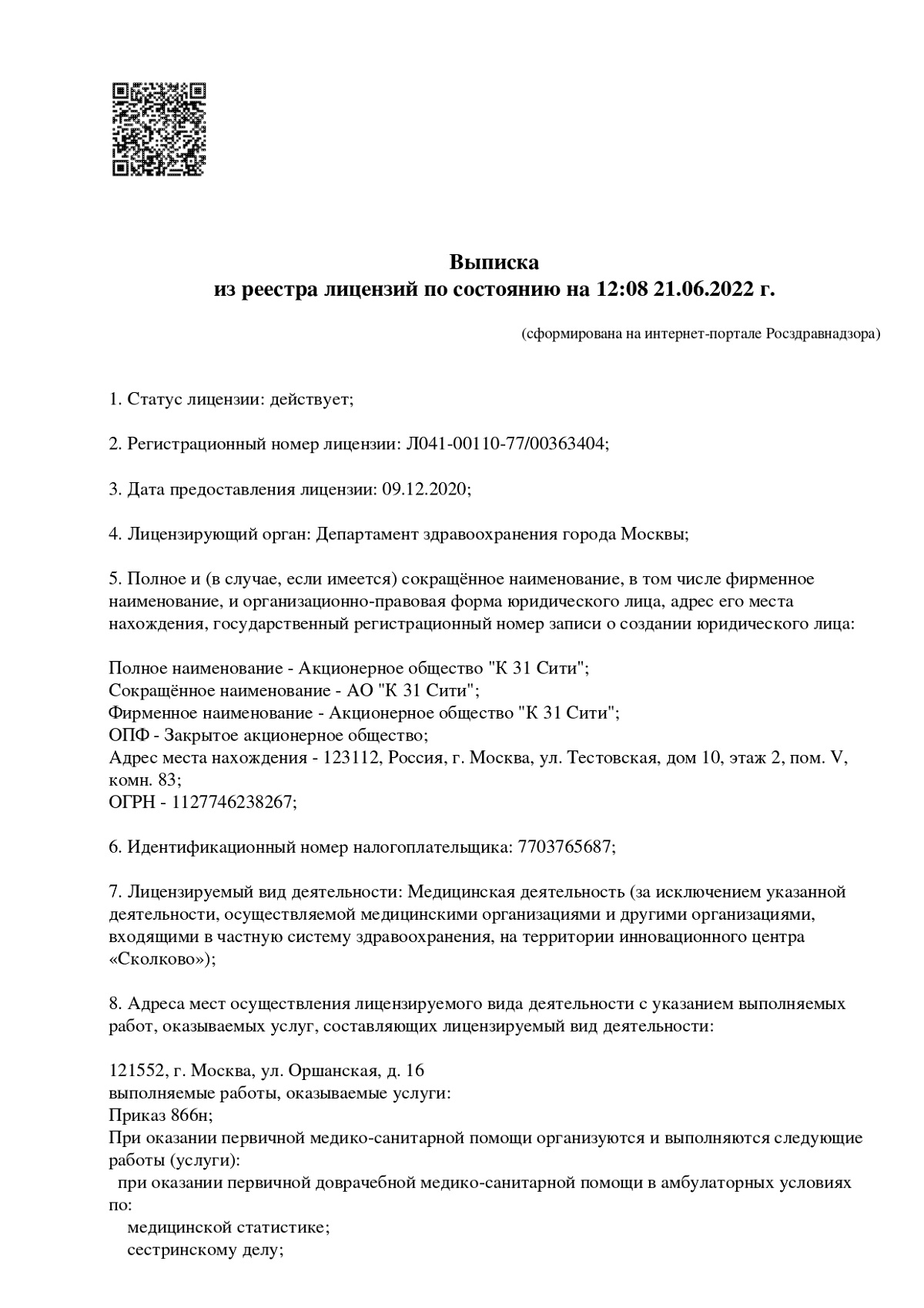
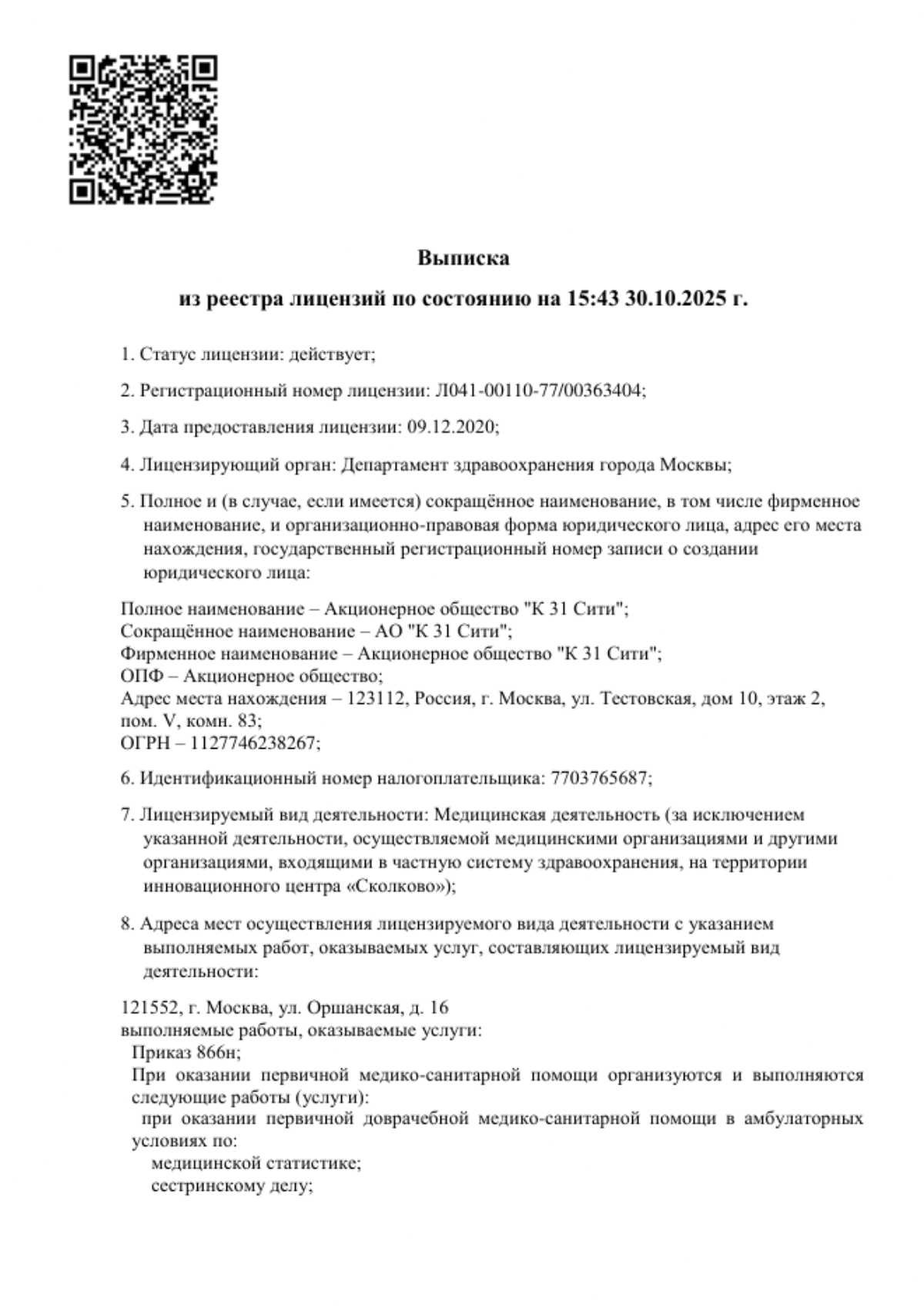
This award is given to clinics with the highest ratings according to user ratings, a large number of requests from this site, and in the absence of critical violations.

This award is given to clinics with the highest ratings according to user ratings. It means that the place is known, loved, and definitely worth visiting.

The ProDoctors portal collected 500 thousand reviews, compiled a rating of doctors based on them and awarded the best. We are proud that our doctors are among those awarded.
Make an appointment at a convenient time on the nearest date
Other services

Appointment to the doctor
Reviews






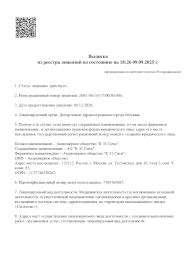
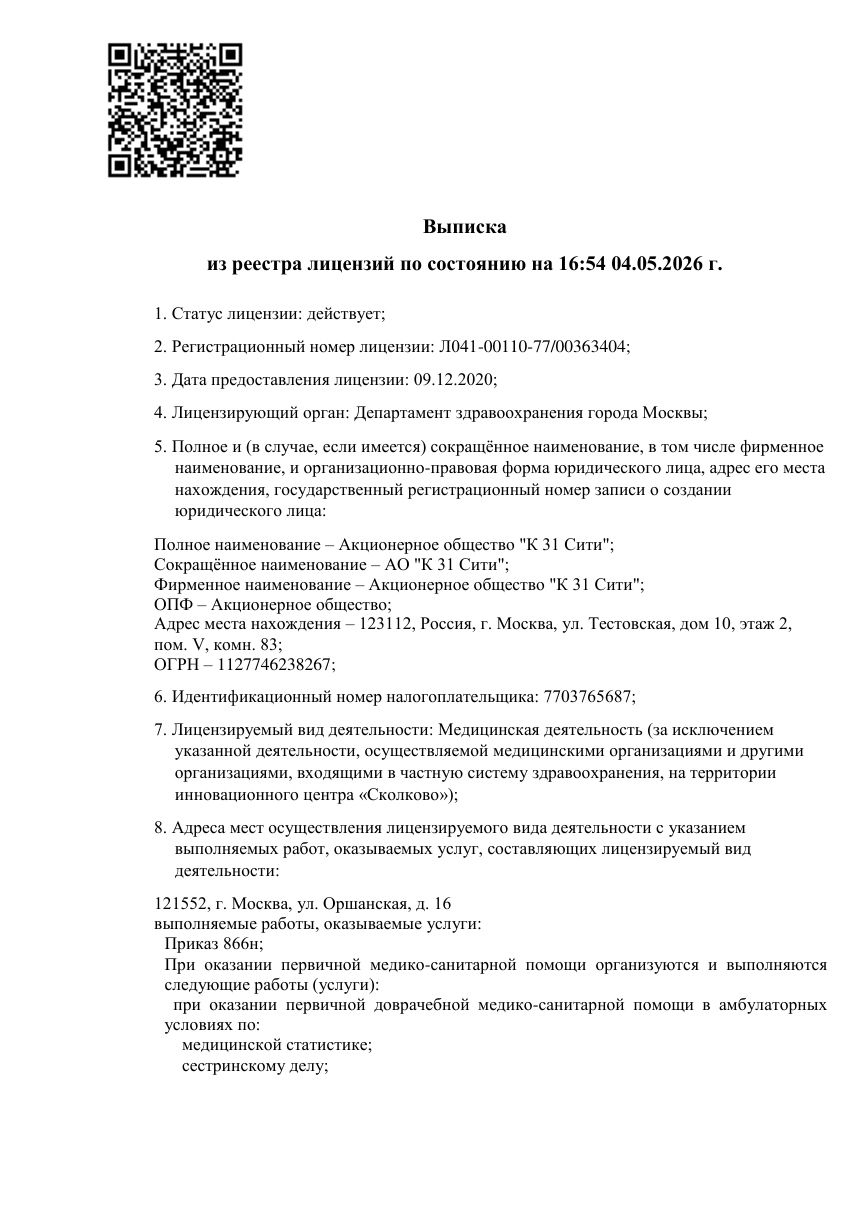

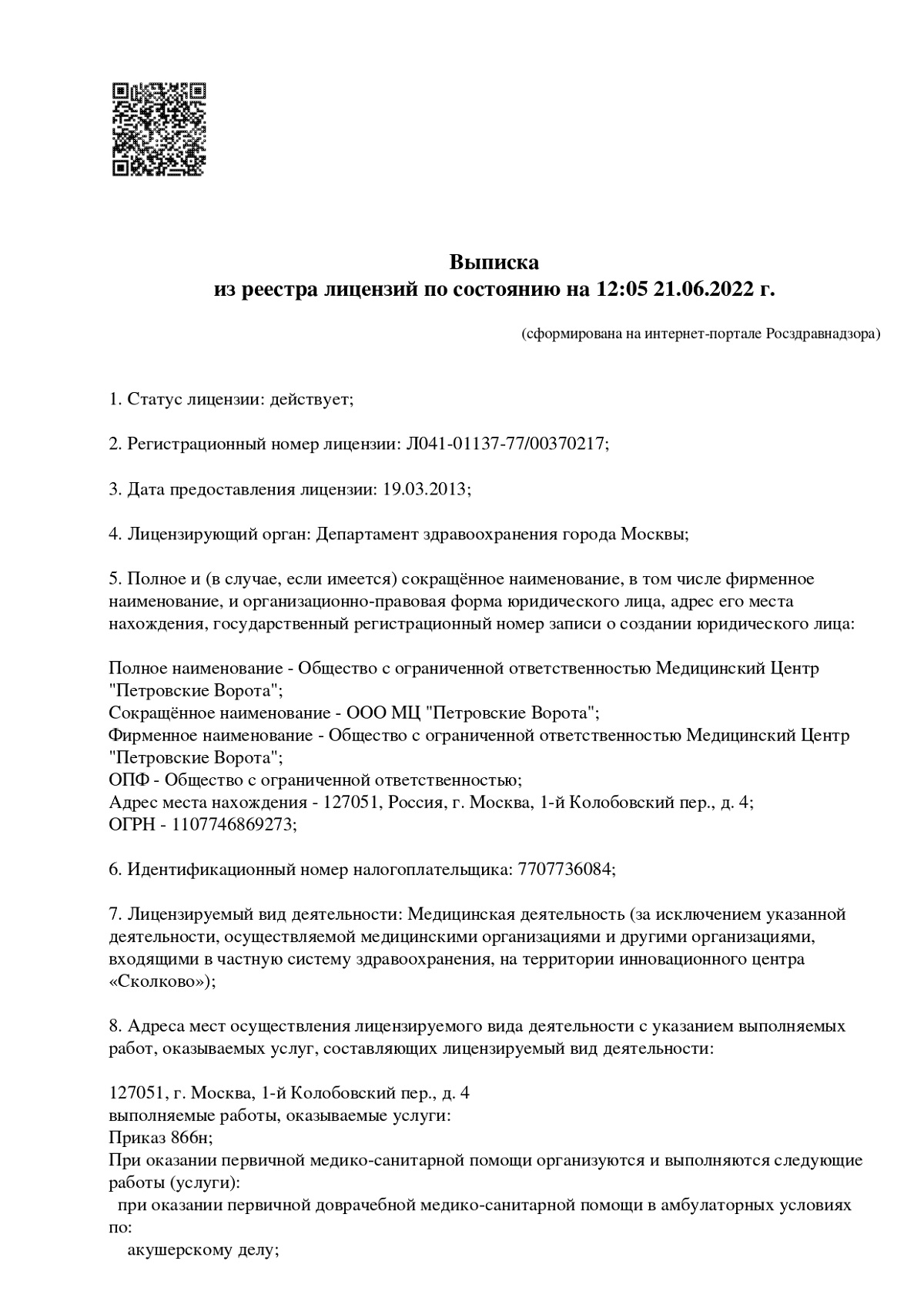




Our clinics


Application “Personal Account K+31”












The role of hemodialysis in severe conditions
With severe renal failure, the body cannot cleanse itself on its own. A person's creatinine and urea levels increase, swelling occurs, and the heart and kidneys work at maximum capacity.
Hemodialysis essentially takes over the kidneys' work when they can no longer cope. The machine passes blood through a special filter, cleanses it of harmful substances, and returns it to the body.
Modern devices monitor blood pressure and the amount of fluid that needs to be removed. This helps gently remove excess water and toxins without sudden changes in well-being or blood pressure spikes.
In palliative care, this is especially important because it's not just about test results. The most important thing is for the person to feel better: less weakness, less nausea, a clearer head, and more energy for everyday tasks.
How the procedure alleviates the symptoms of kidney failure
After the session, the level of toxins decreases, swelling is reduced, headaches, itchy skin, and severe drowsiness disappear.
This is why hemodialysis is considered a way to control the symptoms of intoxication, which in severe kidney failure impair the patient's quality of life.