
Daytime Palliative Care: Options and Benefits
This information is for informational purposes only. A specialist consultation is required.
When a seriously ill person enters the family, everyone's life changes. Often, relatives hear the word "palliative care" and perceive it as a refusal of treatment. This is incorrect. Daytime palliative care is a form of medical support that helps manage symptoms, alleviate suffering, and maintain a normal lifestyle.
Its goal is to ensure a decent quality of life for the patient at any stage of the disease.

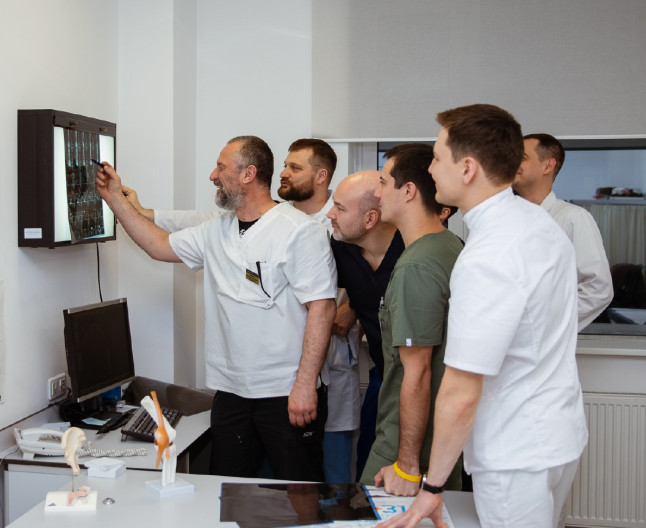
specialists

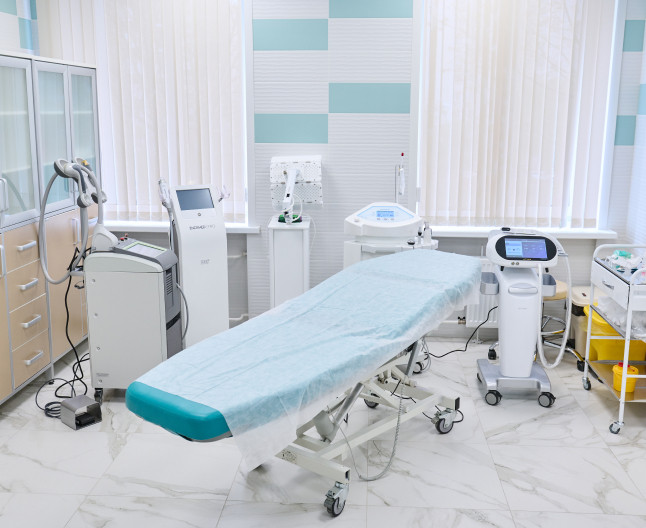
equipment

treatment



Tasks and services of the department
Pain Relief and Symptomatic Therapy
The main goal is to relieve pain and control other symptoms: shortness of breath, weakness, nausea, anxiety, and sleep disturbances.
Patients come to the palliative care unit for:
- Selection and adjustment of pain medication
- Administration of infusions
- Dressings and treatment of pressure ulcers
- Monitoring of side effects of treatment
Symptomatic therapy is carried out under constant medical supervision. This is especially important when dose adjustments of potent medications are required. The right to pain relief is enshrined in law, and competent pain management is one of the key tasks of palliative care.
Psychological and Social Adaptation
A serious illness affects more than just the body. It also affects the emotional well-being of the patient and their loved ones. Palliative care in a day hospital involves a team of people: a doctor, a nurse, a psychologist, and, if necessary, a social worker.
Support for families is not a formality here. We explain how to properly organize care for terminally ill patients, how to respond to changes in their condition, and how to avoid emotional burnout.
We don't just treat symptoms—we help families become families again, not just caregivers.
How is the hospital stay organized?
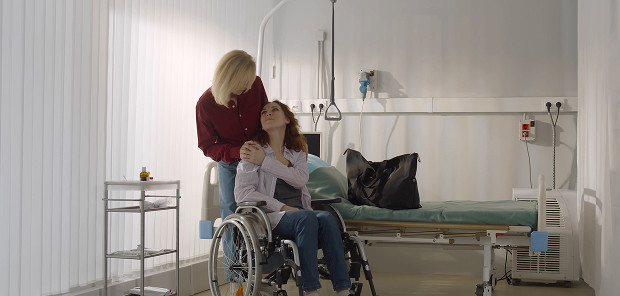
You don't have to stay in the hospital all day. The doctor determines the exact number of hours. During the visit, the patient undergoes procedures, undergoes tests, and receives consultations with doctors. During this time, the patient's family can also consult with a psychologist.
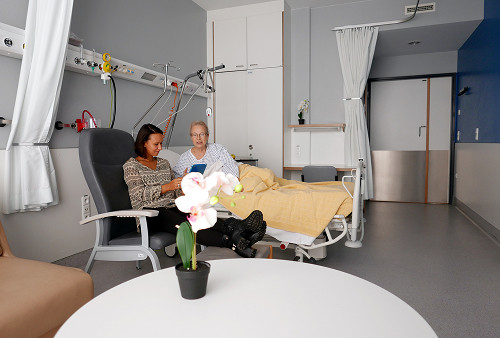
Day hospitalization offers the opportunity to live in a familiar environment: a person doesn't have to leave their loved ones, spends time with family, and sees friends. At such times, everything matters: from the dishes they eat from to the water temperature they shower at. All these seemingly small details impact the patient's quality of life.
Advantages of the daytime format over the 24-hour format
Day care is the best option between hospitalization and home care.
Maintaining a familiar home environment
Home is a sense of security. Even with a serious illness, the ability to sleep in your own room reduces anxiety and improves overall well-being.
Teaching family members care skills
When you bring a sick relative to the hospital, you can contact a doctor or psychologist for help. If you are unsure how to care for your loved one, specialists can teach the family basic skills, such as preventing bedsores, managing symptoms, and managing nutrition.
Below is a comparison of day care and independent care.
| Parameter | Day hospital | Self-care |
|---|---|---|
| Pain control | Professional, using modern medications | Dependent on the knowledge and capabilities of relatives |
| Doctor availability | Regular monitoring and therapy adjustments | Occasional visits, including home health care |
| Patient socialization | Communication with staff and other patients | Often isolation |
| Burden on loved ones | Reduced through the involvement of specialists | Falls entirely on the family |

Frequently Asked Questions
Does this mean treatment is stopped?
Can I refuse treatment?
Will it get better?



This award is given to clinics with the highest ratings according to user ratings, a large number of requests from this site, and in the absence of critical violations.

This award is given to clinics with the highest ratings according to user ratings. It means that the place is known, loved, and definitely worth visiting.

The ProDoctors portal collected 500 thousand reviews, compiled a rating of doctors based on them and awarded the best. We are proud that our doctors are among those awarded.
Make an appointment at a convenient time on the nearest date
Other services

Appointment to the doctor
Reviews














Our clinics


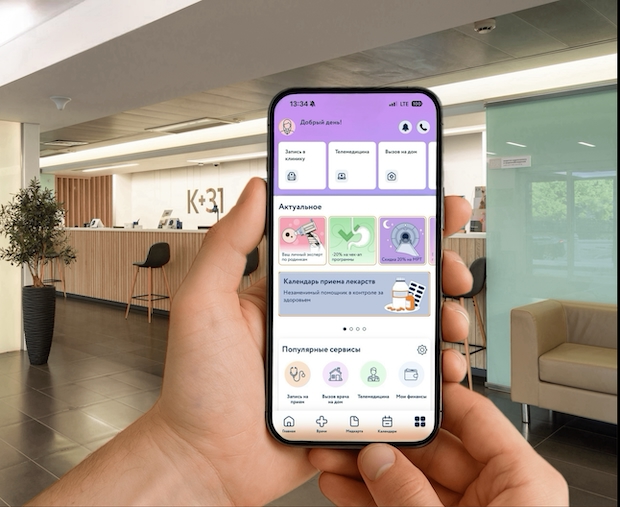
Application “Personal Account K+31”











What is a day palliative hospital and who is it suitable for?
Palliative care and day hospitalization are needed when a person is receiving treatment at home. These patients come to the hospital for a few hours a day for procedures and doctor's consultations.
This option is suitable for:
It is important to understand: palliative care does not replace primary treatment, if it is ongoing. It complements it, focusing on the person's well-being.