
Palliative Care for Leukemia: How to Ease the Condition of a Loved One
When leukemia treatment stops working, families are at a loss. It feels like all that's left is waiting for things to get worse. In reality, leukemia and palliative care are active medical interventions. It's not a rejection, but a shift in focus: instead of a cure, we focus on maintaining comfort, reducing pain, and supporting the dignity of the person and their loved ones.
We don't just relieve symptoms – we create a space where the patient's life is filled with care, warmth, and a freedom from pain.

specialists

equipment

treatment



Objectives of palliative care in blood cancer

Leukemia palliative care focuses on three key goals: pain control, complication prevention, and family support.
This isn't just medical procedures. It's systemic symptomatic treatment of leukemia, where every step is coordinated and understood by relatives.
Pain and Discomfort Management
Pain from bone marrow damage can be intense. Modern pain management for leukemia includes long-acting analgesics, transdermal patches, and medications for neuropathic pain.
If necessary, opioids are used safely and under a doctor's supervision. There's no need to be afraid of them: the goal is to alleviate the condition, not to develop addiction.
Symptoms of intoxication, shortness of breath, and nausea are always treated. This is complete symptomatic treatment for leukemia, helping to stabilize the patient's condition.
Organization of living conditions and medical supervision
The home care phase requires attention to detail. Caring for patients with blood cancer carries an increased risk of infection and bleeding.
Anti-decubitus mattresses, soft positioning systems, and special hygiene products are used. Nutritional support is essential—the diet should be gentle but calorie-dense.
Prevention of Complications and Infections
With thrombocytopenia, it is important to avoid trauma, hard toothbrushes, and unindicated intramuscular injections.
Temperature monitoring should be done daily. Any increase requires consultation with a doctor, as the risk of sepsis in these patients is high.
Acute leukemia and palliative care require constant assessment of the patient's condition and rapid response to changes.
Blood Count Monitoring and Symptomatic Therapy
Even in a palliative setting, laboratory monitoring continues. In cases of severe anemia, blood transfusions may be administered to alleviate weakness and shortness of breath.
If terminal leukemia develops, the primary focus is on comfort. Regular pain relief and management of side effects can help maintain relative stability.
Psychological Support for the Patient and Their Family
It's important for people to feel like they're not a burden. Therefore, psychological support for leukemia is essential. Discussing fears, the future, and how to manage their energy is part of the treatment.
Families also need support. Caring for cancer patients is emotionally draining. Palliative care helps distribute the burden and doesn't leave the family alone.
When should you consider specialized help?
If pain becomes difficult to control, weakness increases, frequent infections or severe intoxication develops, this is a reason to discuss expanding palliative care with your doctor.
Sometimes the optimal solution is a hospice or specialized inpatient facility, where care is available 24/7.
Leukemia: Palliative care in these settings ensures safety and ongoing monitoring.
| Parameter | Inpatient care | Home care |
|---|---|---|
| Doctor availability | 24/7, always available | On call, during visits |
| Psychological Comfort | Alien Environment, Procedures | Familiar, Cozy Atmosphere |
| Emergency Care | Immediate | Depends on the team's arrival time |
| Test Monitoring | Regularly, on-site | By appointment and referral |

The Role of Relatives in the Palliative Period
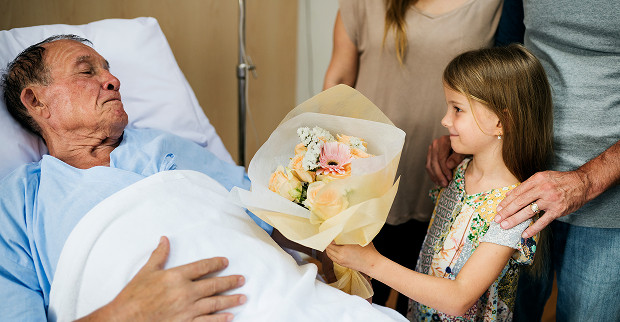
When the disease is not amenable to curative treatment, family becomes the most important resource. It's important to follow doctor's orders, not change the treatment plan on your own, and not be shy about asking questions.
Leukemia palliative care is a collaborative effort between specialists and family. Support, a calm tone, and a close presence are often more important than words.
This is how quality of life is maintained in patients with blood cancer, even if the disease progresses.

Conclusion
When terminal leukemia approaches, it's especially important not to be alone. Palliative care is about caring, professional supervision, and respect for the individual.
Even in the most difficult situations, pain can be reduced, suffering can be alleviated, and every day can be calmer.
This material is for informational purposes only. Any medical procedures or medications should only be administered as prescribed by the attending physician.
Frequently Asked Questions
Does this mean treatment is completely stopped?
Can I stay at home?
Is hospitalization always necessary?



This award is given to clinics with the highest ratings according to user ratings, a large number of requests from this site, and in the absence of critical violations.

This award is given to clinics with the highest ratings according to user ratings. It means that the place is known, loved, and definitely worth visiting.

The ProDoctors portal collected 500 thousand reviews, compiled a rating of doctors based on them and awarded the best. We are proud that our doctors are among those awarded.
Make an appointment at a convenient time on the nearest date
Other services

Appointment to the doctor
Reviews

















Our clinics


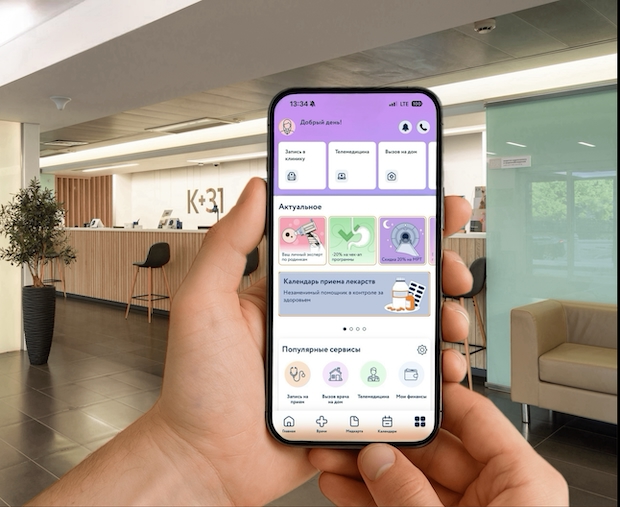
Application “Personal Account K+31”












Features of the course of leukemia in the late stages
In the late stages, the disease manifests itself differently than in the early stages. Terminal leukemia is accompanied by severe weakness, loss of appetite, fever, and bone pain. Anemia and thrombocytopenia almost always develop, leading to shortness of breath, pallor, and bleeding.
The body becomes vulnerable to infections. Even a common cold can lead to severe complications, including sepsis. Intoxication increases, leading to nausea, drowsiness, and confusion.
In acute leukemia, care is important because the condition can change rapidly.