
Peritoneal mesothelioma: how to recognize the disease and organize care for a loved one
Peritoneal mesothelioma is a rare disease. This is the main reason why most patients seek medical attention when the disease has already progressed to its final stages.
But even in this situation, the emphasis is on the individual: they should not suffer from pain. Today, medicine can monitor the condition and maintain a decent quality of life for patients.

specialists

equipment

treatment






Main symptoms and manifestations of the disease
Pain is a consequence, not a symptom. Therefore, the patient and their family need to pay attention not only to discomfort but also to changes in the patient's behavior.
Abdominal pain and ascites
Peritoneal mesothelioma has its own symptoms. Most often, these include constant dull pain, a feeling of heaviness, and an increase in abdominal size.
Ascites in cancer occurs due to the accumulation of fluid in the abdominal cavity. The abdomen becomes tense, shortness of breath occurs, and appetite decreases.
Symptoms may long be mistaken for intestinal or liver problems, so prompt examination is important.
Digestive disorders
Nausea, rapid satiety, and weight loss are all signs of tumor spread to the peritoneum. Bowel obstruction can sometimes occur. At this stage, it's important not only to discuss peritoneal mesothelioma treatment with your doctor but also to follow a gentle diet.
Important: A diet doesn't mean the patient should eat less than usual. It does mean eating small meals, and consuming soft foods, such as steamed or baked ones.
Stages of the disease and their characteristics
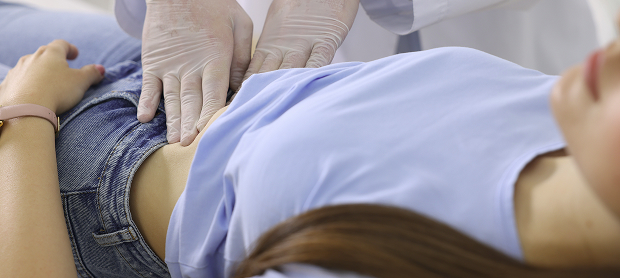
In the early stages, surgery and chemotherapy are possible. In some cases, targeted therapy—drugs that affect specific molecular mechanisms of the tumor—is used.
If the cancer has spread to other organs, the patient is considered palliative. This means that symptom control and quality of life are prioritized over a cure.
Diagnostics of mesothelioma: modern methods
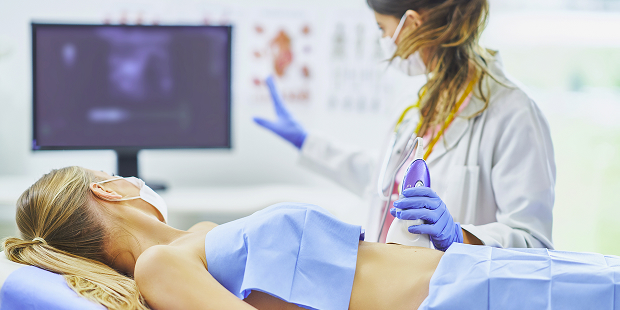
CT, MRI, and abdominal ultrasound remain the mainstays of diagnosis. A definitive diagnosis is confirmed by biopsy.
The oncologist assesses the extent of the tumor and only then decides how to treat the patient.
It's important to understand: early diagnosis increases the likelihood of active treatment, but even with late detection, palliative care remains available.
Palliative care for peritoneal mesothelioma
Palliative care for cancer is a set of measures aimed at alleviating suffering.
With this diagnosis, it often becomes the primary strategy.
Pain relief
Pain associated with cancer can be unbearable. However, pain relief in palliative care is always administered in a stepwise fashion: from nonsteroidal drugs to opioid analgesics if needed (that is, from lesser to greater).
A properly selected regimen makes pain manageable. Pain relief in palliative care is not a "last resort," but a standard of care.
Laparocentesis: combating fluid accumulation
If severe ascites develops, laparocentesis—removal of fluid from the abdominal cavity—is performed. This facilitates breathing and reduces pain and the feeling of distension.
If the symptom returns after a while, the procedure is repeated.
This is how palliative care for cancer helps restore relative comfort to a person.
Psychological support for the patient and family
The diagnosis is difficult, and fear is a natural reaction. A psychologist helps manage anxiety and helps the family accept the changes.
Support reduces tension and helps maintain contact between loved ones.
The role of nutritional support (nutrition)
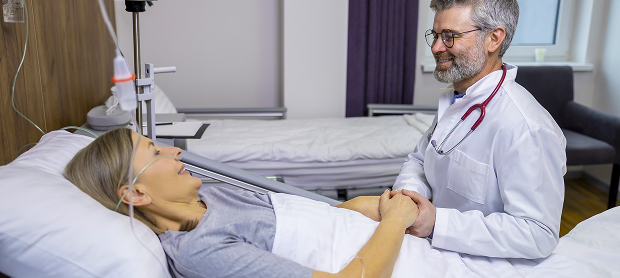
Mesothelioma often causes malnutrition. Nutritional support includes special sipping mixtures—small, high-calorie drinks. These drinks should not completely replace meals; they are a supplement to the main diet.
Start small: a few sips 2-3 times a day. Drinking more will increase the feeling of fullness and bloating.

Home care recommendations
Oncology always takes a toll on your energy. Therefore, it's important for family members to ensure their living space is as safe as possible:
- Remove rugs and cords
- Adjust lighting
- Place water, tissues, and a telephone near the bed.
Bedridden patients should be especially cared for. They should change their position every 2-3 hours (unless the doctor has restricted their movement). Monitor their skin: inspect the lumbar region, heels, and shoulder blades daily for pressure sores.
Bathe your family member slowly, using warm water. Change bed linens as often as possible.
It's important to maintain a healthy diet: small meals 5-6 times a day are usually easier to tolerate, especially if there is ascites associated with cancer and a feeling of fullness. If your appetite decreases, discuss nutritional support with your doctor, including sipping formulas.
Monitor your fluid intake. If pain increases, your abdomen distends, you experience shortness of breath, fever, or sudden weakness, call your doctor immediately.
Differences between radical and palliative treatment
| Criteria | Radical treatment | Palliative treatment of peritoneal mesothelioma |
|---|---|---|
| Goal | Complete cure | Symptom control, quality of life |
| Methods | Surgery, chemotherapy, targeted therapy | Pain relief in palliative care, laparocentesis, psychological support |
| Focus of attention | Tumor removal | Patient comfort and support |
Conclusion
Peritoneal mesothelioma is a very difficult disease to manage. However, with proper care, it's possible to ensure a good quality of life for the patient and make family life more peaceful and orderly.

FAQ
Is it possible to completely cure peritoneal mesothelioma?
Is hospice care mandatory?
What should you do if your pain suddenly worsens?
How long can people live with peritoneal mesothelioma?
How can I relieve mesothelioma pain at home?
What should you do if your abdomen is rapidly growing?
Is it possible to cure mesothelioma at stage 4?



This award is given to clinics with the highest ratings according to user ratings, a large number of requests from this site, and in the absence of critical violations.

This award is given to clinics with the highest ratings according to user ratings. It means that the place is known, loved, and definitely worth visiting.

The ProDoctors portal collected 500 thousand reviews, compiled a rating of doctors based on them and awarded the best. We are proud that our doctors are among those awarded.
Make an appointment at a convenient time on the nearest date
Other services

Appointment to the doctor
Reviews







Our clinics


Application “Personal Account K+31”












What is peritoneal mesothelioma?
Peritoneal mesothelioma is a malignant tumor that grows from the membrane lining the abdominal cavity. It is most often associated with prolonged exposure to asbestos. A similar tumor can also occur in the pleura, the membrane surrounding the lungs, but in this case, it is the peritoneum that is affected.
The tumor can spread across the peritoneum, causing carcinomatosis and fluid accumulation. The disease progresses gradually, but symptoms worsen quite rapidly.