
Amyotrophic lateral sclerosis: how palliative care helps people live with ALS
A diagnosis of amyotrophic lateral sclerosis is frightening. Both the patient and their family feel as if life will never be the same. While this is certainly true, with the right care, good results can be achieved: palliative care supports people so they can communicate, better manage ALS symptoms, and maintain dignity.
Palliative care for ALS is not a refusal of treatment. It is proactive care designed to ensure patients maintain the highest possible quality of life at any stage of the disease.

specialists

equipment

treatment




The main tasks of palliative care in Lou Gehrig's disease
When Lou Gehrig's disease is confirmed, it is important to understand that palliative care will be aimed specifically at maintaining functions that are gradually fading.
Care for amyotrophic lateral sclerosis is built around three key areas: breathing, nutrition, and symptom control.
Control of physical symptoms and pain
While amyotrophic lateral sclerosis doesn't always cause severe pain, muscle spasms, stiffness, and contractures can be painful.
Palliative care for ALS includes medication adjustments, posture management, and regular rehabilitation. This alone will help a person remain independent in everyday life for as long as possible.
Respiratory support and care for breathing disorders
The disease affects more than just the muscles of the arms, legs, or core. The respiratory muscles also weaken. This leads to shortness of breath, decreased oxygen saturation, and the development of pneumonia.
Respiratory support for ALS most often includes NIV (non-invasive ventilation) through a mask. This helps relieve the strain on the respiratory muscles and improve sleep.
In the palliative care unit, doctors set up NIV. However, if family members decide to treat the patient at home, they will be trained in how to use the equipment and, if necessary, will be given cough assist devices.
Nutrition support: solving swallowing problems
Swallowing problems (dysphagia) are common in ALS. This can lead to choking. Rapid weight loss also occurs because eating becomes difficult.
Typically, treatment begins with simple changes to the diet—making foods soft and pureed, choosing a safe consistency. If swallowing becomes dangerous, a gastrostomy tube is inserted, allowing for nutrition without the risk of choking.
This helps maintain strength and significantly improves the patient's quality of life.
Psychological and social adaptation of the family

Amyotrophic lateral sclerosis truly changes everything. The hardest part is when a person understands everything, remains conscious, but gradually loses the ability to speak, move, and care for themselves. This is a powerful psychological blow. A feeling of dependence arises, along with the fear of becoming a "burden," and anxiety for loved ones. At this point, palliative care for ALS is especially important—not only as medical support, but also as a support for inner balance.
Palliative care for ALS also includes working with a psychologist. Talking with a psychologist helps to address fears, reduce anxiety, and cope with depression. Maintaining a sense of control is crucial:
- Ability to make decisions
- Participate in family discussions
- Use a communicator or eye tracker for communication
Even the simple ability to express one's thoughts directly impacts the patient's quality of life.
Family support is equally important. Relatives often live under constant stress and try to be "strong," ignoring their own fatigue. Palliative care helps distribute the burden and teaches caregiving skills. This comprehensive approach helps maintain not only physical stability but also human relationships within the family.
Advantages of inpatient and mobile palliative care
| Areas of care | Routine home care | Palliative care unit |
|---|---|---|
| Breathing | Pulse oximeter monitoring | Setting up NIVL, using cough suppressants |
| Nutrition | Routine Food (risk of aspiration) | Nutritional therapy, gastrostomy |
| Psychologist | Find a specialist | Ongoing support |
| Equipment | Purchased separately | Provided by the clinic |
If muscle weakness increases, breathing difficulties, or significant swallowing difficulties develop, don't wait for things to get worse.
Palliative care for ALS begins when symptoms begin to impact daily life. The sooner you begin, the calmer and safer your journey will be.
FAQ
Is it possible to slow the progression of ALS?
Is it necessary to connect NIV?
Should everyone have a gastrostomy tube inserted?
Can ALS be treated in a palliative care unit?
When is it time to contact palliative care specialists?
How do you organize nutrition if a patient has difficulty swallowing?
Does palliative care help relatives?



This award is given to clinics with the highest ratings according to user ratings, a large number of requests from this site, and in the absence of critical violations.

This award is given to clinics with the highest ratings according to user ratings. It means that the place is known, loved, and definitely worth visiting.

The ProDoctors portal collected 500 thousand reviews, compiled a rating of doctors based on them and awarded the best. We are proud that our doctors are among those awarded.
Make an appointment at a convenient time on the nearest date
Other services

Appointment to the doctor
Reviews



















Our clinics


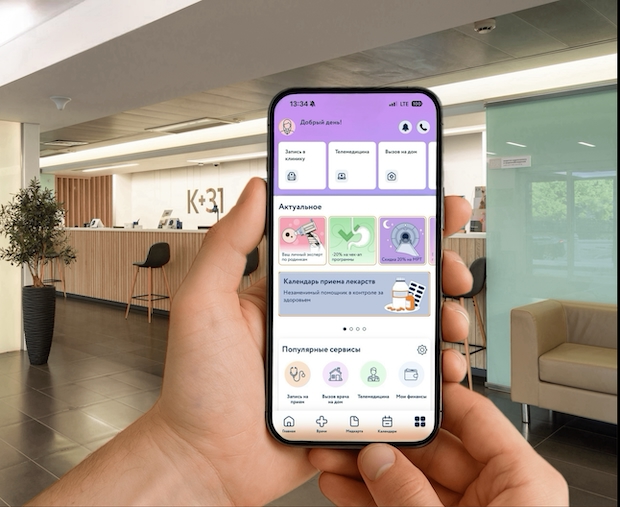
Application “Personal Account K+31”












What is ALS and why is early palliative care important?
Amyotrophic lateral sclerosis (ICD-10: G12.2), also known as Lou Gehrig's disease, gradually deactivates the nerve cells that control muscles (motor neurons). This initially causes muscle weakness, then muscle atrophy, making movement, speaking, and swallowing more difficult.
ALS symptoms develop differently in different people. Some experience speech impairment earlier, while others experience breathing or hand problems. Therefore, it is important to initiate palliative care for ALS early: this way, you can prepare for the situation and avoid waiting for it to worsen dramatically.
Palliative care is not the end of life. This is the stage at which specialized doctors, nurses, psychologists, and rehabilitation specialists join the neurologist's work.