
Sepsis in oncology: What is important for the patient's relatives to know?
Cancer saps a person's energy. The body struggles to fight disease, so any bacterial infection can cause irreparable damage. Sepsis in oncology is a common comorbidity. This condition occurs when the infection spreads throughout the body, causing severe inflammation.
This condition is also known as cancer blood poisoning. The process is quite simple: bacteria or their toxins trigger systemic inflammation, disrupt organ function, and lead to severe intoxication and multiple organ failure.
Palliative care for sepsis is needed when the disease has become incurable. The main goal of palliative care is to improve the patient's quality of life.

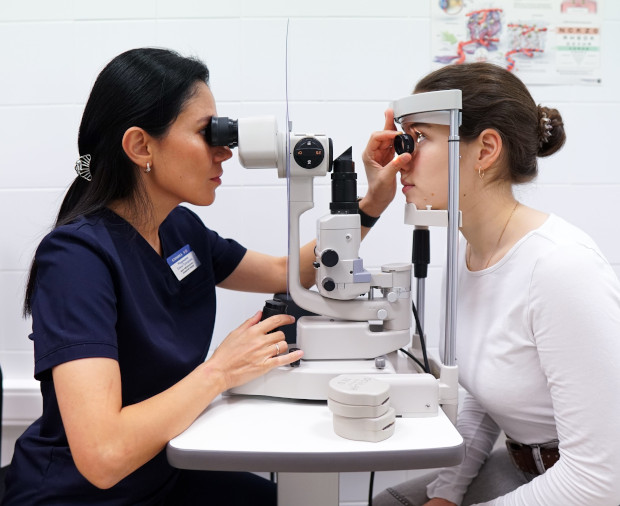
specialists

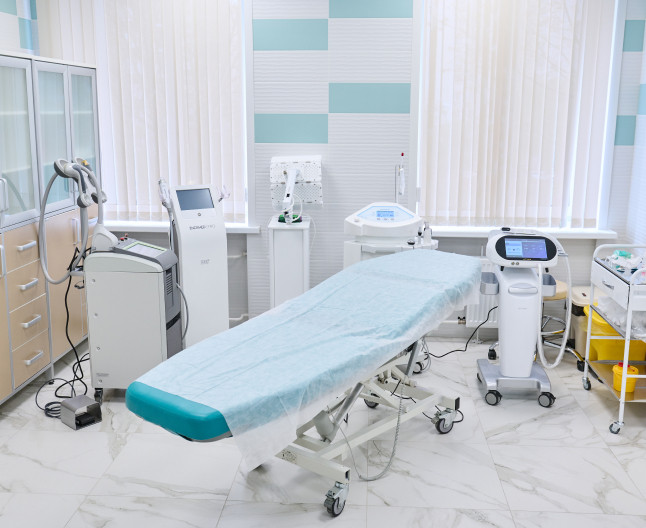
equipment

treatment




How to recognize sepsis: alarming symptoms
The first signs resemble a common infection. However, in cancer patients, the condition can worsen within a few hours.
The most typical symptoms of sepsis in cancer patients are:
- High fever or, conversely, a sharp drop in temperature
- Severe weakness and pronounced intoxication
- Rapid breathing and heartbeat
- Drop in blood pressure
- Confusion
- Cold, clammy skin
If you notice at least two of these symptoms in a loved one, contact a doctor—this is a reason to go to the hospital. Please note that sepsis in cancer can progress over the course of several hours.

Characteristics of the course of infection in palliative patients
In patients with severe forms of cancer, infections often progress differently than in other people. Symptoms may be subtle, and the fever may be low, but the condition quickly worsens.
Make sure the bedridden patient does not have pressure ulcers or inflammation near the catheter. These injuries can initiate sepsis. Any infectious complications in oncology should be monitored in the hospital.
If the disease affects multiple organs, this is called multiple organ failure.
Diagnostics and patient management tactics
If blood poisoning due to cancer is suspected, it's important to act quickly. The sooner treatment is started, the better the chances of success.
The patient is usually sent to the hospital, and in severe cases, to the intensive care unit.
Laboratory research
Diagnostics include:
- Blood tests for inflammatory markers
- Blood cultures to detect bacteria
- Monitoring white blood cell counts and signs of neutropenia
- Organ function assessment
These tests help confirm sepsis in cancer and select the appropriate treatment.
Maintenance therapy
Antibiotic therapy is the only treatment that can cure sepsis. The doctor may also prescribe solutions for skin care and medications for high blood pressure.
If sepsis progresses too quickly, the patient is transferred to the intensive care unit for stabilization and ongoing symptom monitoring.

The role of palliative care in severe infections
When it comes to severe stages of the disease, the patient's quality of life comes first. In such situations, palliative care for sepsis plays a crucial role.
Russian hospices and palliative care units employ teams of doctors, nurses, and psychologists. Their goal is to alleviate the patient's condition and support their family.
Pain management
Sepsis is always accompanied by a fever. The body tries to cope on its own, but after chemotherapy, this isn't always possible. Weakness and severe pain develop. In this case, the doctor prescribes painkillers and anti-inflammatory medications (necessary to relieve intoxication).
Psychological support for the family
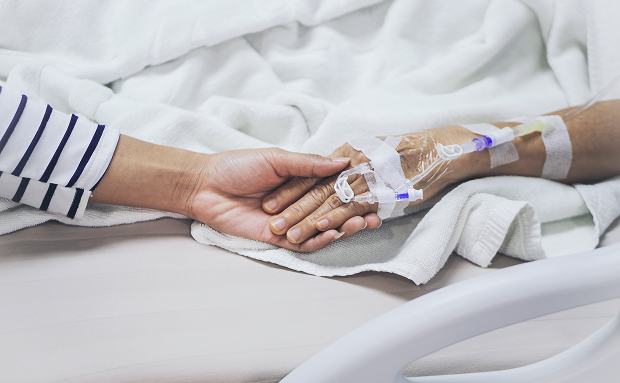
A severe infection is a serious challenge for loved ones. Palliative care specialists explain what is happening to the patient and help the family make difficult decisions.
Palliative care for sepsis involves not only medical support but also emotional support.
Prevention of infectious complications
The risk of infection cannot be completely eliminated, but complications can be minimized.
Important:
- Regular cleaning of catheters
- Attentive care of bedridden cancer patients
- Prevention of pressure ulcers
- Temperature and general condition monitoring
- Timely treatment of any infections
These measures help reduce the risk of infectious complications in oncology developing into sepsis.
The difference between a common infection and sepsis
| Parameter | Common infection | Sepsis |
|---|---|---|
| Temperature | Elevated, stable | Sharp fluctuations – high or low |
| Blood pressure | Usually normal | Decreasing |
| Consciousness | Clear | Confusion may occur |
| Rate of progression | Gradual | May worsen over hours |
Conclusion
Sepsis in cancer is the most dangerous complication. You need to act quickly: an hour waiting for help can cost your life.
The prognosis for sepsis depends on the stage of the disease, the state of the immune system, and how quickly doctors start administering antibiotics.
Important: This material is for informational purposes only. If you suspect a sharp deterioration in your condition, call an ambulance immediately.

FAQ
What is the survival rate for sepsis in stage 4 cancer?
Can sepsis be treated at home?
What are the first signs of sepsis after chemotherapy?
Is sepsis contagious?
How dangerous is sepsis in cancer patients?
Can sepsis associated with cancer be cured?
What signs should relatives be alerted to?
What is the prognosis for sepsis in cancer patients?



This award is given to clinics with the highest ratings according to user ratings, a large number of requests from this site, and in the absence of critical violations.

This award is given to clinics with the highest ratings according to user ratings. It means that the place is known, loved, and definitely worth visiting.

The ProDoctors portal collected 500 thousand reviews, compiled a rating of doctors based on them and awarded the best. We are proud that our doctors are among those awarded.
Make an appointment at a convenient time on the nearest date
Other services

Appointment to the doctor
Reviews











Our clinics


Application “Personal Account K+31”












Why are cancer patients at risk for sepsis?
Chemotherapy kills not only cancer cells but also the immune system. The body can't fight off a common virus or bacteria, so the infection spreads more quickly.
Sepsis treatment must be started immediately. There's no time to waste. It's best to treat this condition in a hospital.
The effect of chemotherapy and immunosuppression
After treatment courses, neutropenia often develops—a condition in which the number of protective blood cells decreases sharply. During this period, even a minor bacterial infection can quickly develop into cancer sepsis.
The situation is exacerbated by the fact that immunity recovers gradually after chemotherapy. Therefore, doctors must closely monitor the patient's condition and prescribe antibiotic therapy.
If the immune system is severely weakened, cancer patients are placed in special isolation wards where the risk of contracting a new virus is minimal.