
Palliative care for kidney cancer: how to improve a patient's quality of life
When the disease progresses and metastases appear, the word "palliative" sounds like a death sentence for the family. It seems as if nothing will happen. But kidney cancer and palliative care aren't giving up the fight. They're a shift in focus.
When radical intervention against the tumor is no longer possible, doctors focus on something else: they need to relieve pain, reduce suffering, and preserve the patient's dignity.

specialists

equipment

treatment






Main symptoms and methods of their relief
Symptoms of kidney cancer in the late stages include a combination of pain, weakness, urinary problems, and loss of appetite. Therefore, palliative care is always comprehensive: we don't just treat a single symptom; we address both the patient's physical and psychological well-being.
Chronic pain syndrome: modern approaches to pain relief
Pain can be related to both the tumor itself and bone metastases.
Pain relief for kidney cancer is carried out in a stepwise manner: from non-narcotic medications to opioid analgesics if necessary.
Medications must be taken regularly, according to the doctor's prescription. Just because you feel better today doesn't mean you can stop pain relief for kidney cancer tomorrow.
The primary goal is to stabilize the patient's condition, not provide immediate relief.
Problems with the urinary system (hematuria, urinary retention)
Symptoms of kidney cancer in the late stages often include blood in the urine, painful urination, and a feeling of incomplete urination.
Sometimes a catheter is required. This helps:
- Reduce blood pressure
- Reduce pain
- Prevent complications
This is not a worsening of the condition, but a way to regain control and improve the condition.
Palliative care for kidney cancer includes regular blood test monitoring and timely intervention if complications arise.
Intoxication and general weakness
Weakness, weight loss, and loss of appetite are common symptoms of the disease. Intoxication increases fatigue and affects mood.
Palliative care includes:
- Infusion therapy
- Anemia correction
- Nutrition support
Special nutrition is not a replacement for regular food, but a supplement if a person is unable to eat enough and is losing weight. This helps maintain strength and support the body.
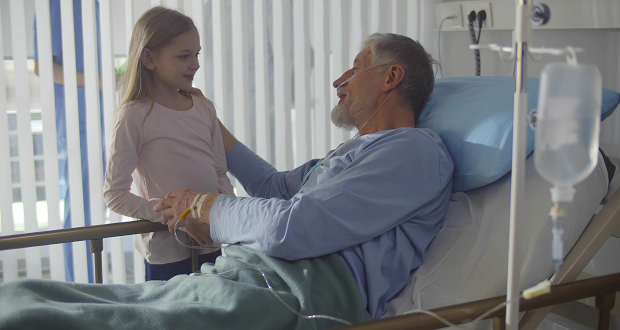
Psychological support for the patient and his relatives
A diagnosis changes not only the body but also the internal state. A person may fear pain, addiction, and the future.
Psychological support for relatives is just as important as support for the patient. Families often live in constant tension. Talking to a specialist reduces anxiety and helps them learn to react calmly to situations.
Family support is part of therapy. Without it, it is impossible to maintain emotional balance in the home.

How to organize a comfortable space at home
Home remains the best place if the patient's condition is stable and under medical supervision.
Hygienic care and pressure sore prevention
If a person spends most of their time in bed, relatives should examine the patient's skin more often. It is important to prevent the development of pressure sores.
If necessary, care for stage 4 kidney cancer is organized with the participation of a nursing service.
Nutrition in severe renal failure
The diet is individualized, taking into account kidney function and creatinine levels.
Poor appetite reduces quality of life in oncology patients: they lose strength, their iron levels drop, drowsiness, shortness of breath, and a rapid pulse appear. If the patient's condition interferes with normal eating, nutritional support should be considered.
When is hospice or palliative care necessary?
| Criteria | Home care | Inpatient care |
|---|---|---|
| Medical monitoring | Regular doctor visits | 24-hour monitoring |
| Equipment availability | Limited | Full range of equipment and monitoring |
| Psychological comfort | Familiar environment | Professional Team Support |
The hospice team includes a doctor, nurse, psychologist, and social worker. This reduces the burden on loved ones and ensures constant monitoring.
We don't add days to life; we add life to the days remaining, providing professional medical monitoring 24/7.
Conclusion
Kidney cancer and palliative care are about compassion, symptom control, and maintaining dignity.
Even with advanced disease, pain can be reduced, the condition stabilized, and the person supported physically and emotionally.
The main goal is not just treatment, but maintaining peace of mind and quality of life.

FAQ
Does this mean treatment is stopped?
Can you stay home?
Is pain always manageable?
How long can you live with stage 4 kidney cancer?
Is it possible to treat kidney cancer at home?
How to manage severe pain when regular medications don't help?
What should you do if a patient experiences blood in the urine (hematuria)?



This award is given to clinics with the highest ratings according to user ratings, a large number of requests from this site, and in the absence of critical violations.

This award is given to clinics with the highest ratings according to user ratings. It means that the place is known, loved, and definitely worth visiting.

The ProDoctors portal collected 500 thousand reviews, compiled a rating of doctors based on them and awarded the best. We are proud that our doctors are among those awarded.
Make an appointment at a convenient time on the nearest date
Other services

Appointment to the doctor
Reviews



















Our clinics


Application “Personal Account K+31”












Palliative care goals in advanced kidney cancer
When it comes to nephroma with distant metastases, treatment is primarily aimed at controlling symptoms.
Palliative care for kidney cancer is aimed at reducing pain. Doctors also try to improve urinary dysfunction and reduce toxicity: when the kidneys are not functioning properly, the body cannot cleanse itself.
Care for stage 4 kidney cancer is aimed at stabilizing the patient's overall condition. When primary treatment has failed, the patient must be given the opportunity to live the rest of their life without sudden pain attacks.