
Palliative Care for Hepatocellular Carcinoma (HCC)
Hepatocellular liver cancer changes the life of the entire family. In the late stages, people often fear pain, jaundice, sudden weakness, and the feeling of being powerless to change anything. To stay relatively healthy, you need a clear action plan and a team of doctors who are always available.
With oncology, the attitude of the patient's family is also important. Palliative care specialists help share the burden and explain how to cope during the most difficult period of life.
Palliative care for liver cancer is not only about treating the underlying diagnosis. It also includes combating depression. The patient and his family are not expecting anything bad to happen; they live out their remaining days in maximum peace and harmony.

specialists

equipment

treatment




Tasks of palliative care in HCC
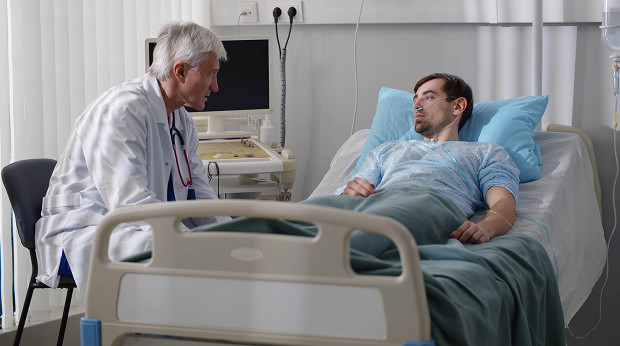
Palliative care does not mean stopping treatment. At this stage, the goal shifts: now the priority is not only the patient's physical condition but also their mental state.
If a person suffers from pain all day long, life becomes unbearable: the patient becomes depressed, moody, and their relationships with loved ones worsen.
Palliative care for liver cancer includes pain management, detoxification, ascites management, nutritional support, and psychological support for the family. This is teamwork: not only the oncologist but also a psychologist, nutritionist, and nurses provide family support.
Pain Management
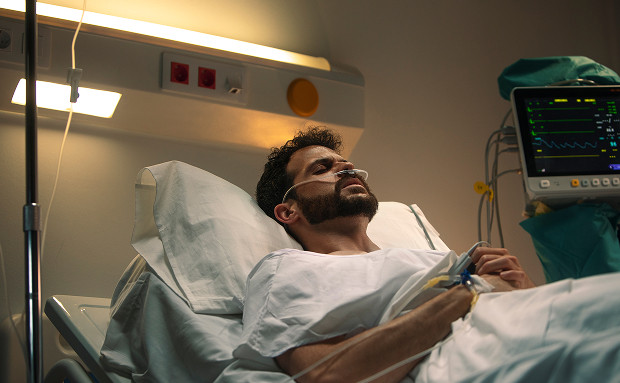
Pain associated with HCC can be constant or come in attacks. Pain management is selected using a stepwise approach, as recommended by the WHO: from simple analgesics to stronger ones, if needed.
Today, prolonged-release forms and patches are used in palliative care. This is an ideal option for home use. Families do not need to learn how to administer injections or calculate dosages.
Pain relief associated with HCC occurs only with the correct use of painkillers. Stopping medications on your own is prohibited, and increasing the dosage is not recommended: the decision to change treatment tactics is made only by a doctor.
Main symptoms and methods of their relief
Combating nutritional deficiencies (weight loss)
Weight loss is a common problem. Nutritional support helps maintain strength and reduce exhaustion, thereby improving the quality of life for cancer patients.
It's best to offer small meals 5-6 times a day, without pressure. If regular food isn't enough, your doctor may recommend NutriDrink: high-protein shakes.
Ascites and Edema Treatment
Ascites is a common condition in liver cancer. Fluid accumulates in the abdomen. This results in a feeling of bloating and heaviness, shortness of breath, and weakness. Ascites can also lead to decreased appetite. At this stage, it's important to understand that overfeeding is not the best option: it won't provide any benefit, but it can easily induce vomiting.
If ascites is interfering with your daily life, your doctor will prescribe diuretics and monitor your fluid intake and salt intake. Fluid removal (aspiration) is sometimes necessary—this can provide significant relief, especially when breathing is difficult or sleep is impossible.
Help with liver encephalopathy
With severe liver dysfunction, encephalopathy can develop: drowsiness, confusion, and behavioral changes. It's important not to argue or "educate" the patient, but rather to ensure a calm environment and consult a doctor.
Treatment is prescribed to reduce intoxication and detoxify the patient, and medications, diet, and regimen are reviewed.

Organization of care: hospital or home?
Care for a patient with liver cancer is possible at home if the patient's condition is relatively stable and there is contact with a doctor. It's important to consider daily living arrangements: a comfortable bed, skin monitoring, fall prevention, and monitoring of pain and bowel movements to prevent further toxicity.
If symptoms are difficult to control or the family is experiencing distress, hospice/palliative care is considered. These units offer 24-hour monitoring, equipment, and rapid treatment adjustments.
| Criteria | Home Care | Hospice/Palliative Care Unit |
|---|---|---|
| Medical Monitoring | Limited | 24/7 |
| Equipment Access | Limited | Full |
| Therapy Adjustments | By Visit/On-Call | Quickly, on-site |
| Psychological support | Whenever possible | Built-in help |
Frequently Asked Questions
Attention! This information is for informational purposes only. Consult a specialist. If your liver function is impaired, any medications should only be prescribed by your doctor, as the organ cannot effectively process toxins. Self-medication for cancer can be life-threatening.
What should I do if jaundice intensifies and the itching prevents me from sleeping?
Why can't I "cleanse the liver" with herbs and supplements?
How do I know when it's time to intensify my care?



This award is given to clinics with the highest ratings according to user ratings, a large number of requests from this site, and in the absence of critical violations.

This award is given to clinics with the highest ratings according to user ratings. It means that the place is known, loved, and definitely worth visiting.

The ProDoctors portal collected 500 thousand reviews, compiled a rating of doctors based on them and awarded the best. We are proud that our doctors are among those awarded.
Make an appointment at a convenient time on the nearest date
Other services

Appointment to the doctor
Reviews



















Our clinics


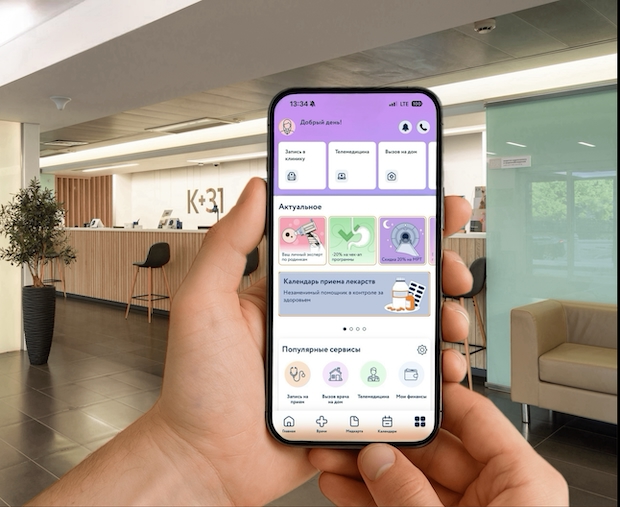
Application “Personal Account K+31”












Features of the course of liver cancer in the late stages
In the later stages, the liver's function deteriorates. Bilirubin levels rise, jaundice appears, and toxicity worsens, including weakness, nausea, and loss of appetite. Ascites—fluid in the abdomen that makes breathing and movement difficult—often increases with liver cancer.
The symptoms of late-stage liver cancer vary from person to person. Some experience minimal pain, while others are unable to sleep at night and suffer from severe discomfort.