
Palliative Care for Lymphomas
When the disease returns after remission or stops responding to chemotherapy, families often hear the word "palliative" as if it were a death sentence. In fact, palliative care for lymphomas isn't giving up the fight. It's a shift in goal: not destroying the tumor at any cost, but making the patient's life as calm and manageable as possible.

specialists

equipment

treatment






Key Tasks for Supporting Patients with Lymphoma
The palliative care team addresses several key issues: pain management, detoxification, anemia correction, and nutritional and emotional support.
Symptomatic therapy for lymphoma is tailored to the individual. One patient may suffer from pain in enlarged lymph nodes, while another may suffer from weakness and shortness of breath.
Pain and Physical Discomfort Management
Pain from lymph node or bone marrow involvement can be severe. Stepped pain management is used, ranging from nonsteroidal medications to opioids if needed.
Stage 4 lymphoma and palliative care are interrelated. However, this does not mean the patient should endure pain and discomfort. The goal of palliative care is to improve the patient's quality of life, so pain relief from lymph node cancer is achieved through analgesics. These should be taken according to the doctor's prescription, not on demand.
Combating intoxication and associated complications
Fever, weakness, and weight loss are signs of systemic intoxication. Fluid therapy is initiated, nutritional status is adjusted, and, if necessary, blood transfusions are administered for anemia.
Symptomatic therapy for lymphoma includes respiratory support for dyspnea and correction of electrolyte imbalances. All of this is part of the team's daily work.
Psychological and social support

Lymphoma is not only a diagnosis but also an emotional burden. A person experiences fear, disappointment, and a sense of loss of control.
Palliative care for lymphoma necessarily includes the work of a psychologist.
Working with the patient's psychoemotional state
Talking about fears, the future, and family helps reduce anxiety. It is important to maintain psychological comfort, even if the disease progresses.
Support allows a person to feel like an individual, not just a "case."
Helping Relatives: How to Cope with Stress
Supporting the relatives of cancer patients is a separate task. Constant tension, insomnia, and guilt are debilitating.
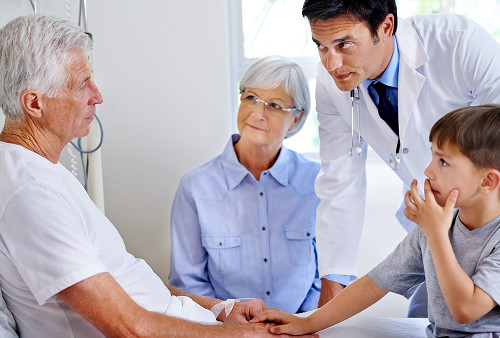
Families should not be left alone with their fears and doubts. The team explains how to properly organize care for patients with lymphoma, how to distribute responsibilities, and when to ask for help.
Organization of care: hospital or home?
Many patients prefer to remain at home. This is possible if their condition is stable and they have specialist support.
In more complex cases, hospice care or a palliative care unit is considered.
| Criteria | Active specific treatment | Palliative support |
|---|---|---|
| Goal | Achieving remission, tumor control | Maximizing quality of life, symptom relief |
| Methods | Chemotherapy, targeted therapy | Pain relief, nutritional support, psychotherapy |
| Venue | Oncology hospital | Home, palliative care unit, hospice |
| Family participation | Limited to hospital settings | Active participation, caregiving education |
Palliative care for lymphoma does not eliminate family care, but rather makes it informed and safe.

Conclusion

Even if the disease doesn't respond to chemotherapy and has reached an advanced stage, life isn't limited to waiting for the worst.
Palliative care for lymphoma is caring for the body and soul, and it's an opportunity to preserve human dignity.
The main goal is to support the patient and their loved ones so that each day can be lived without excruciating pain and unnecessary fear.
Frequently Asked Questions
Does this mean treatment is stopped completely?
Can I stay at home?
Can pain always be controlled?



This award is given to clinics with the highest ratings according to user ratings, a large number of requests from this site, and in the absence of critical violations.

This award is given to clinics with the highest ratings according to user ratings. It means that the place is known, loved, and definitely worth visiting.

The ProDoctors portal collected 500 thousand reviews, compiled a rating of doctors based on them and awarded the best. We are proud that our doctors are among those awarded.
Make an appointment at a convenient time on the nearest date
Other services

Appointment to the doctor
Reviews



















Our clinics


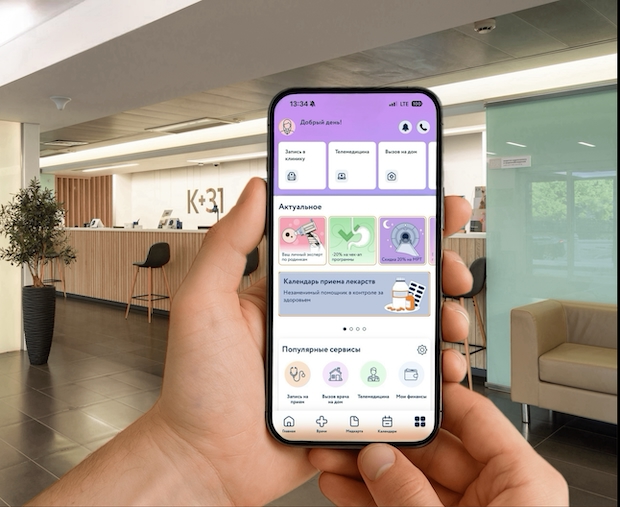
Application “Personal Account K+31”












The role of palliative care at different stages of the disease
Lymphoma affects the lymph nodes, alters lymphocyte levels, and impacts the entire body. In the later stages, weakness, anemia, shortness of breath, and severe intoxication occur. At this point, not only oncology treatment but also competent support is essential.
We provide a comprehensive approach where the patient's dignity and comfort come first.
Palliative care for lymphoma can be initiated at any stage, even in parallel with active treatment. If a relapse occurs or the disease reaches the terminal stage, the scope of support increases.
Stage 4 lymphoma is dangerous, and palliative care in this case is aimed at controlling symptoms and maintaining strength. This does not replace infusion therapy or other supportive methods if they help stabilize the condition.
Even with severe progression, it is possible to maintain an acceptable quality of life for cancer patients.