
Pathological Fractures: How to Recognize and Help a Loved One
When a person has a severe chronic illness, even minor stress can cause a fracture. And it's not just a loss of calcium that's at play. Completely different processes are at play. A pathological fracture is a bone injury that occurs not as a result of a strong blow, but as a result of illness.
However, any pain can be managed, and palliative care plays a vital role. Of course, palliative care doctors can't completely cure the disease, but they can improve quality of life.

specialists

equipment

treatment






The main causes of occurrence in palliative practice
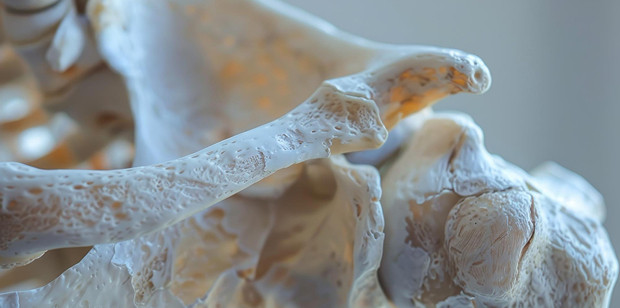
In palliative medicine, fractures are most often associated with long-term illnesses. They alter bone structure and make them vulnerable.
Bone Metastases in Cancer
In many types of cancer, tumor cells spread to the bones. This leads to the formation of metastases, which slowly destroy bone structure.
A pathological fracture in cancer can occur even without trauma. The spine, ribs, and femur are most often affected.
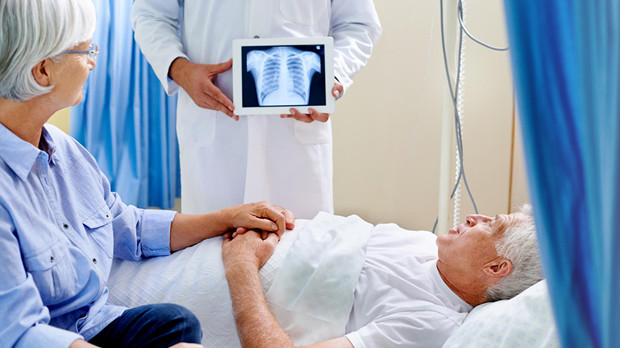
For treatment, a doctor may prescribe bisphosphonates, which slow bone loss. Surgical bone strengthening, such as osteosynthesis, is sometimes considered if the patient's overall condition allows.
Osteoporosis in the Elderly and Bedridden Patients
Older people develop severe bone fragility. Prolonged immobility can weaken bones even further.
Osteoporosis is a common cause of pathological fractures in older patients. When a joint is difficult to move, a slight twist can cause a fracture.
Symptoms and warning signs
A pathological fracture is not associated with sharp pain. Discomfort builds gradually: sometimes several days or weeks may pass between the first symptoms and the actual injury.
You should be wary if the following symptoms appear:
- Sharp pain in the limb or spine
- Inability to bear weight on the leg or raise the arm
- Deformity of the limb
- Increased pain with movement
- Sudden decrease in mobility
If you suspect a pathological fracture due to cancer, consult a doctor. Do not attempt to reset, move, or fix the bone on your own.
Features of palliative care for pathological fractures
Pain Management
The main goal is effective pain relief.
According to clinical guidelines, the so-called WHO pain relief ladder is used. Pain relief always begins with milder medications. If pain intensifies or the dosage needs to be continually increased, opioid medications are used.
This step-by-step pain relief helps control pain and avoid unnecessary suffering.
Gentle Immobilization and Fixation
It's impossible to force a person to sit still all day. To enable them to walk and care for themselves independently, the risk of fractures must be reduced.
Commonly used methods include:
- Lightweight Splints
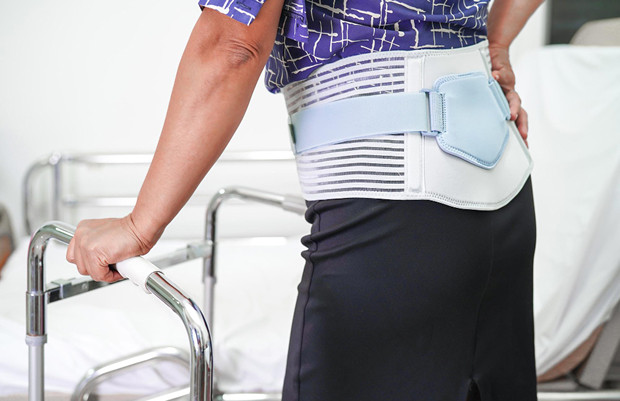
- Orthoses
- Corsets
They hold the bone in the correct position and allow the patient to move safely.
Psychological Support and Quality of Life
A person who was active just yesterday finds it very difficult to cope with a sedentary period in their life. The fear of becoming a burden intensifies, and a feeling of helplessness grows. Therefore, palliative care is not only about managing fear but also about providing emotional support.
The team's goal is to preserve the patient's dignity and support their mobility as much as possible.
How to organize daily life and care at home
Proper care for pathological fractures can reduce pain and make a patient's life easier and more comfortable.
Several important recommendations:
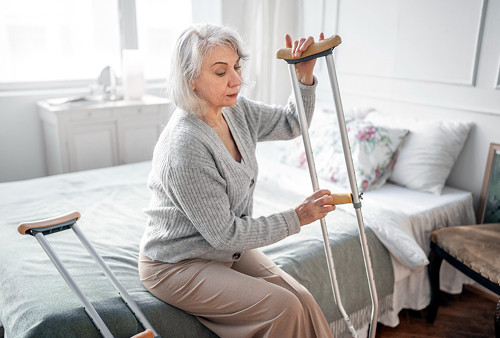
- Ensure that the patient walks only with support.
- Use orthoses and braces as prescribed by a doctor.
- Maintain correct body position.
- Regularly change the position of a patient who is immobile.
Fracture prevention is especially important in bedridden patients. Care for pathological fractures should be extremely careful. All actions should be coordinated with a medical professional.
Frequently Asked Questions
Can a fracture be treated at home?
Is surgery always necessary?
Can the risk of recurrent fractures be reduced?
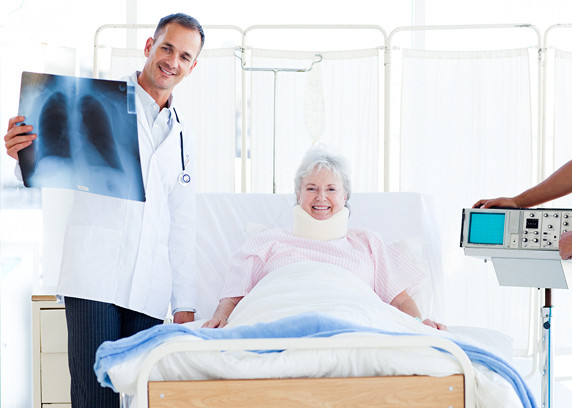
A pathological fracture is a difficult situation for the patient and their family. However, it is important to remember that modern medicine can manage pain and support people even with severe illnesses.
Comprehensive palliative care includes medical treatment, family support, and competent care management.
The goal of the palliative care team is to provide care and create a comfortable environment for the patient. This principle is observed both in the hospital and during home treatment.
Disclaimer: This article is for informational purposes only. If you suspect a fracture, you should immediately contact your doctor.



This award is given to clinics with the highest ratings according to user ratings, a large number of requests from this site, and in the absence of critical violations.

This award is given to clinics with the highest ratings according to user ratings. It means that the place is known, loved, and definitely worth visiting.

The ProDoctors portal collected 500 thousand reviews, compiled a rating of doctors based on them and awarded the best. We are proud that our doctors are among those awarded.
Make an appointment at a convenient time on the nearest date
Other services

Appointment to the doctor
Reviews









Our clinics


Application “Personal Account K+31”












What is a pathological fracture and how does it differ from a normal fracture?
A pathological fracture occurs when the body is weakened. You don't need to run fast to cause a serious injury. Sometimes, a simple movement, turning in bed, or a slight fall is enough.
The main causes of pathological fractures are diseases that gradually destroy the bone or make it very brittle.