
Cachexia: How to Help a Loved One with Pathological Weight Loss
When a person loses weight rapidly, the family tries to feed them. They begin to plead, change their usual diet, feel resentful, and feel guilty.
Cachexia in cancer is a condition associated with metabolic disorders, systemic inflammation, and intoxication. In other words, the body loses weight because it expends all its energy fighting the disease. Therefore, in this situation, you should avoid trying to feed your loved one fatty foods or increasing their portion sizes. This will lead to nausea, vomiting, and gastrointestinal problems.

specialists

equipment

treatment






Features of care for cachexia in the palliative care unit
In a hospital or palliative care unit, a team works together: a therapist, an oncologist, a nutritionist, and a psychologist. This is important because one person can't solve everything at once—the whole picture needs to be put together: addressing nutrition, relieving pain, improving sleep, improving bowel function, and lifting mood.
Below are the main areas that typically comprise cachexia treatment.
Nutrition Support (Therapeutic Nutrition)
Meals are selected to be calorie-dense and easily digestible. Therapeutic nutrition often includes small, ready-made, high-protein formulas—when a person lacks the strength to hold a fork or spoon, it's better to offer them a drinkable snack.
If the person can swallow normally, tube feeding is started. In rare cases, when the intestines cannot cope, parenteral nutrition (intravenous) is considered. However, this is only possible in a hospital setting and under constant medical supervision.
Drug Therapy
Persuading someone to eat another spoonful doesn't always work. In such situations, medications are used to stimulate appetite, reduce nausea, and control pain and inflammation.
The point isn't to whet your appetite. Doctors want to help a person recover, and that requires strength, and nutrition is essential.
Psychological support and comfort
Cachexia is often accompanied by feelings of helplessness and shame: "I can't eat, I'm tormenting you." A psychologist helps relieve tension and restore calm communication within the family.
Comfort is also a cure: when a person is less anxious, they sleep better and sometimes eat more readily.
The role of relatives in patient care

Loved ones can help a person gain weight, but don't put pressure on them. Don't threaten, blackmail, or manipulate. The patient isn't trying to hurt you; their body may simply not process food.
Therefore, caring for the seriously ill is primarily about patience.
How to offer food correctly?
Follow the principle: more often, but less often. Two or three meals every half hour is better than large portions every four or five hours.
If a doctor has recommended therapeutic nutrition, give it strictly according to the prescribed doses. Do not increase or decrease the amount.

Creating a Supportive Environment
Eating should be associated with a pleasant event. Keep medications out of sight. If the person can walk, try to eat in the kitchen or living room.
The room should be free of strong odors: even delicious-smelling foods can be off-putting. Food should be warm and soft.
Stay hydrated: drink water in small sips, and tea and other beverages only with a doctor's approval. Avoid dehydration—the body cannot cope with intoxication without fluids.

Table: Regular nutrition and specialized support
| Parameter | Regular diet | Specialized nutritional support |
|---|---|---|
| Calories per 100 ml | Low or medium | High |
| Digestibility | Dependent on gastrointestinal health | High, easily digestible |
| Vitamins/minerals | Not always balanced | Balanced composition |

Conclusion

Cachexia in cancer is not a "poor appetite," but rather the body's inability to provide itself with the required amount of calories. Treatment for cachexia includes nutritional support, symptom management, and mental health care. All of this is necessary to maintain strength and quality of life.
Palliative care for cachexia helps families stop fighting with food and begin supporting the patient with care and professionalism.
Frequently Asked Questions
Important: This article is for informational purposes only. Self-medication and force-feeding are unacceptable, as they may cause aspiration or increase the patient's suffering. Decisions regarding nutrition and medications should be made in consultation with a palliative care physician.
Should I force them to eat?
If a person barely eats, does this mean treatment is no longer working?
When are tube or parenteral nutrition needed?



This award is given to clinics with the highest ratings according to user ratings, a large number of requests from this site, and in the absence of critical violations.

This award is given to clinics with the highest ratings according to user ratings. It means that the place is known, loved, and definitely worth visiting.

The ProDoctors portal collected 500 thousand reviews, compiled a rating of doctors based on them and awarded the best. We are proud that our doctors are among those awarded.
Make an appointment at a convenient time on the nearest date
Other services

Appointment to the doctor
Reviews
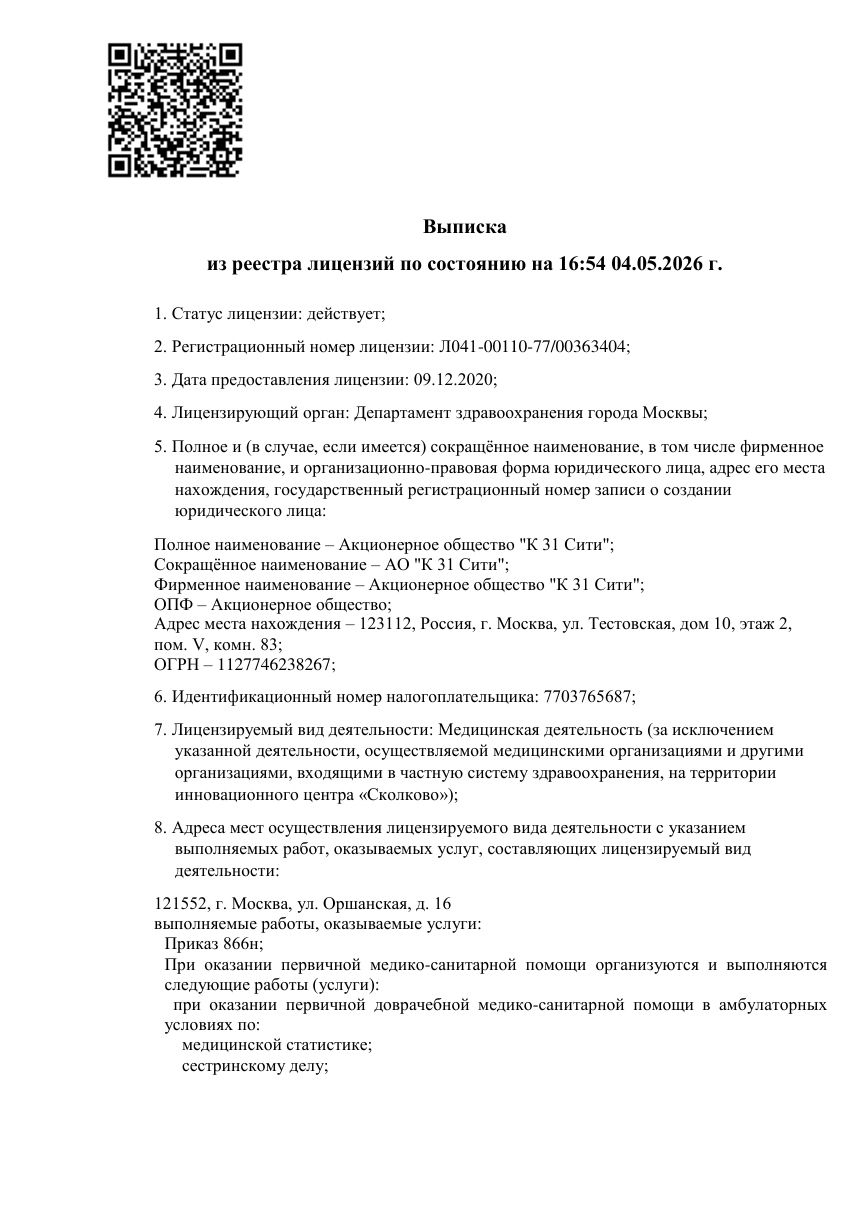
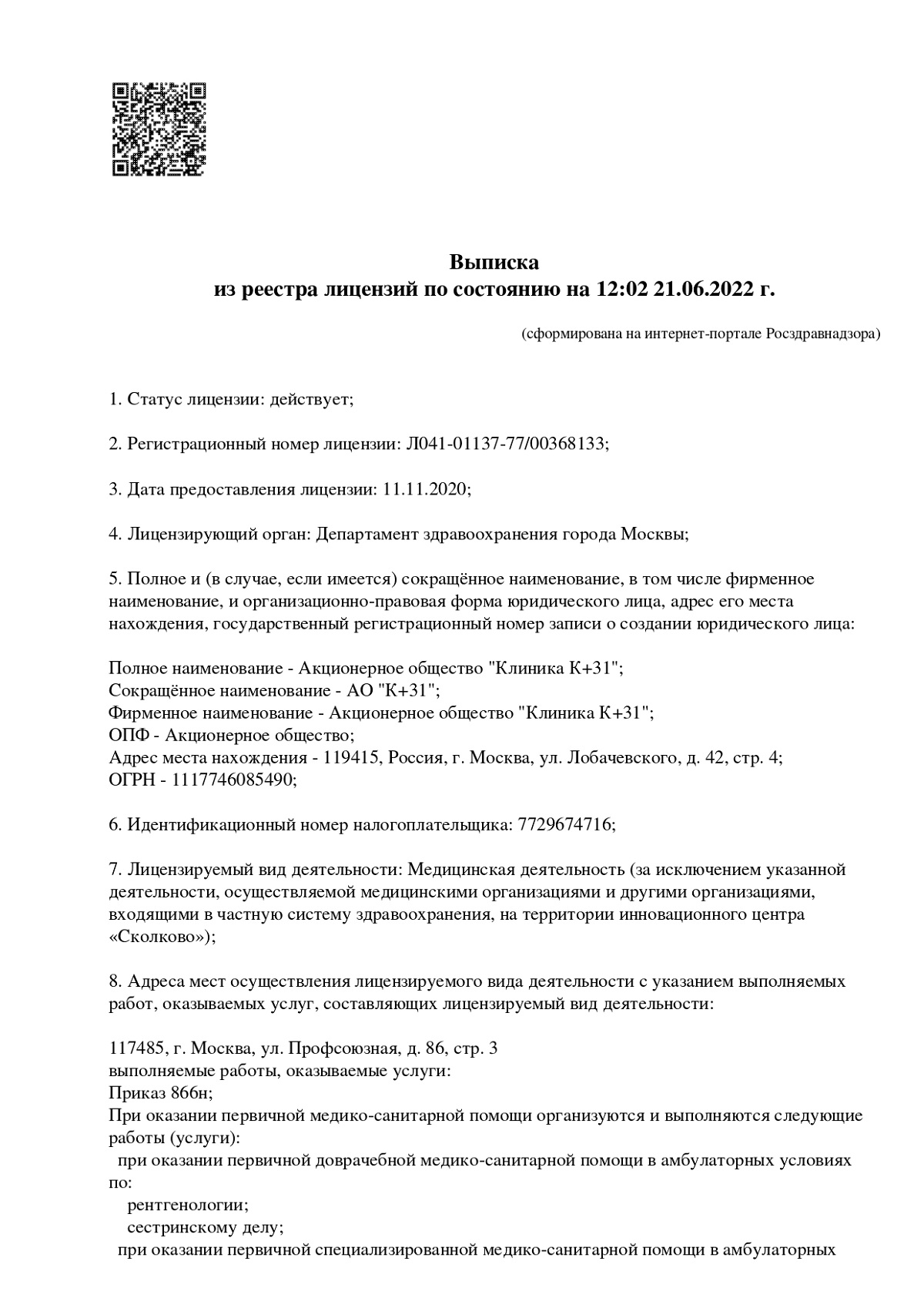
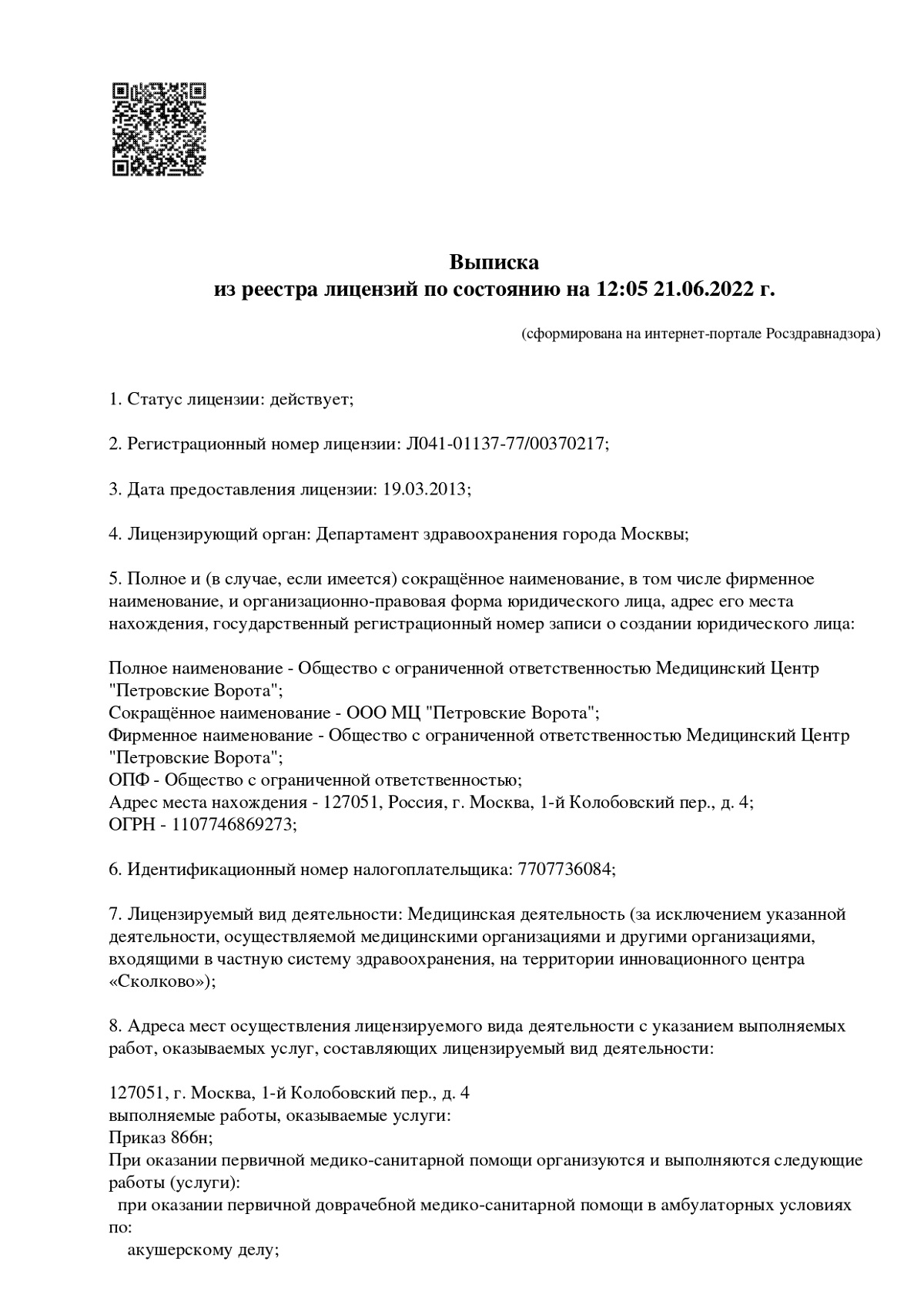
Our clinics


Application “Personal Account K+31”












What is cachexia and why does it occur?
Cachexia is a syndrome that not only causes fat loss but also muscle atrophy. A person moves less, which leads to rapid fatigue and protein-energy malnutrition: the body doesn't receive or absorb what it needs, even if food is available.
There are usually several causes: intoxication, decreased appetite, digestive problems, pain, depression, and side effects of treatment. Therefore, cachexia treatment focuses on metabolic correction and body support, not just "calories."