
УЗИ (ультразвуковая диагностика)
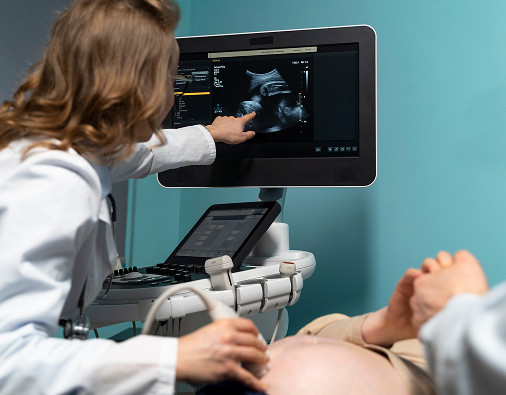
Отделение ультразвуковой диагностики К+31 работает в трёх клиниках в Москве и объединяет специалистов с экспертизой в кардиологии, гепатологии, акушерстве, онкологии и сосудистой патологии. Здесь нет «просто УЗИ» — каждое исследование проводит врач, специализирующийся именно в той области, которая касается вашей проблемы, и сразу готов ответить на клинические вопросы.
Урология
- УЗИ почек, мочевого пузыря, мочеточников
- ТРУЗИ предстательной железы с возможностью биопсии под контролем УЗИ
- УЗИ органов мошонки с допплерографией
Сердечно-сосудистая система
- Эхокардиография (ЭхоКГ): стандартная, стресс-ЭхоКГ, чреспищеводная
- Дуплексное сканирование сонных и позвоночных артерий, вен и артерий верхних и нижних конечностей
- Транскраниальная допплерография (ТКДГ)
- Допплерография пенильных артерий
- УЗИ сосудов органов брюшной полости (воротная вена, почечные артерии, брюшная аорта)
Эндокринология
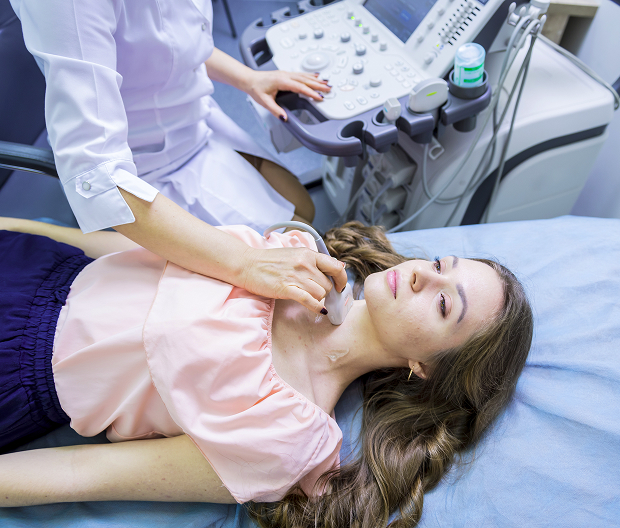
- УЗИ щитовидной железы и паращитовидных желёз
- УЗИ надпочечников
Маммология
- УЗИ молочных желез с допплерографией
- Совместный протокол с маммологом — при выявлении изменений немедленная консультация онколога-маммолога К+31
Опорно-двигательный аппарат
- УЗИ суставов, мягких тканей, сухожилий и связок
- УЗИ-навигация при внутрисуставных инъекциях
Специальные исследования
- Эластография печени сдвиговой волной (SWE) — неинвазивная оценка фиброза по шкале METAVIR
- Биопсия под контролем УЗИ (печень, щитовидная железа, молочная железа, простата)
- УЗИ плевральных полостей
- УЗИ лимфатических узлов
- Нейросонография новорожденных
- УЗИ на дому — выезд мобильной бригады
По мнению международного общества ультразвуковой диагностики в акушерстве и гинекологии (ISUOG) лучшей ультразвуковой диагностической системой для проведения УЗИ при беременности во всех триместрах является General Electric Voluson E10, чем также располагает наша клиника.
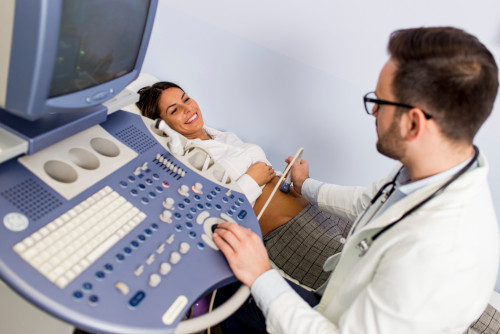
Будущим мамам мы предлагаем ультразвуковое исследование плода в различные сроки беременности. При помощи нашего оборудование возможно проводить скрининг для оценивания внутриутробного развития.
Ультразвуковая допплерография маточно-плацентарного и плодового кровотока имеет важное диагностическое значение в группе беременных высокого перинатального риска.
УЗИ достаточно информативно при многоплодной беременности, при различных патологиях, поздней беременности. Метод исследования позволяет выявить патологические изменения и аномалии в развитии плода.
Своевременное выявление нарушений позволяет предупредить развитие тяжелых осложнений беременности и выработать тактику ведения беременной.
Показания к УЗИ
УЗИ назначают тогда, когда нужно точно выяснить причину проблем со здоровьем. Например, если у вас появились боли в животе, врач порекомендует пройти обследование, чтобы исключить серьезные болезни вроде камней в почках или воспалительного процесса.
Также УЗИ актуально, например, при подозрении на опухоль — можно провести осмотр, чтобы опровергнуть или подтвердить наличие образования, определить его размер и расположение.
Еще одно важное показание для ультразвукового исследования — беременность. Будущим мамам регулярно проводят УЗИ, чтобы убедиться, что малыш развивается нормально и нет никаких угроз.
При проблемах с сердцем и сосудами тоже часто прибегают к этому исследованию, ведь оно позволяет увидеть тромбы, утолщение стенок или нарушения кровообращения.
Жалобы со стороны эндокринной системы — также повод прийти на прием к специалисту. Если возникли подозрения на нарушение функций щитовидной железы, лучше сразу сделать УЗИ, чтобы вовремя начать лечение. Итак, основным показанием к УЗИ служит необходимость точной диагностики состояния здоровья пациента.
ПОДГОТОВКА К УЗИ
УЗИ органов брюшной полости, сосудов почек, сосудов брюшной полости
(брюшная аорта и её висцеральные ветви, воротная вена и её ветви, нижняя полая вена и её ветви, подвздошные артерии и вены).
Подготовка: за сутки до исследования исключите из рациона свежие фрукты и овощи, газированные напитки и соки, бобовые, кондитерские изделия, молоко, чёрный хлеб. На исследование приходить строго натощак (не есть и не пить). Желательно не курить за 2 часа до исследования. Такие диагностические процедуры, как гастроскопия, колоноскопия и исследования ЖКТ с барием нельзя проводить перед УЗИ органов брюшной полости (их выполняют только после УЗИ).
УЗИ органов брюшной полости с желчегонным завтраком
Подготовка аналогична подготовке к стандартному УЗИ органов брюшной полости, плюс необходимо принести с собой желчегонный завтрак, который нужно будет съесть после первого осмотра.
Желчегонный завтрак (варианты):
- Сметана 20%: 200–250 г (жирность не менее 20%)
- Йогурт 10%: 200–250 мл (жирность не менее 10%)
- Сливки 20%: 200–250 мл (жирность не менее 20%)
УЗИ мочевого пузыря, предстательной железы (трансабдоминально), органов малого таза у женщин (трансабдоминально)
УЗИ выполняется при наполненном мочевом пузыре — на момент исследования должен ощущаться позыв к мочеиспусканию.
Чтобы быстро наполнить мочевой пузырь: сначала выпейте кофе или зелёный чай, затем 3–4 стакана воды — мочевой пузырь обычно наполнится через 20–30 минут.
УЗИ органов малого таза у женщин (трансвагинальный доступ)
УЗИ выполняется при опорожнённом мочевом пузыре — необходимо помочиться перед исследованием.
УЗИ сосудов нижних конечностей (артерий или вен)
Исследование выполняется от паховой области. В день исследования наденьте удобное «тянущееся» нижнее бельё.
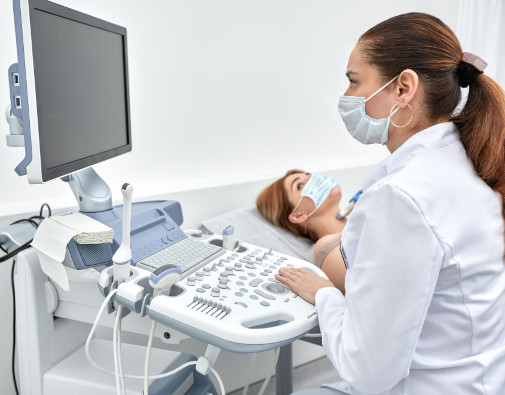
На ультразвуковом аппарате экспертного класса Philips Affinity 70 в клинике выполняют эластометрию печени сдвиговой волной. Диффузные заболевания печени являются одной из самых больших проблем в мире. Этиология такого рода заболеваний разнообразна:
- Вирусный гепатит (гепатит В или С).
- Жировая инфильтрация печени алкогольного и неалкогольного происхождения.
- Аутоиммунный гепатит.
- Осложнения, связанные с приемом лекарственных средств.
- Первичный билиарный цирроз и другие менее распространенные патологические состояния и заболевания.
В нашей клинике используют рекомендации, разработанные Российской Ассоциацией Специалистов Ультразвуковой диагностики в Медицине и кафедрой ультразвуковой диагностики Университета Павии (Италия) для оценки жесткости печени преимущественно на фоне вирусного гепатита С. Точечная эластография сдвиговой волной основана на измерении скорости распространения сдвиговой волны и позволяет специалисту получить цифровое значение жесткости печени, которое может быть соотнесенно с различными оценочными шкалами, в том числе со шкалой METAVIR.
Общая информация
Как проходит исследование
- Запись и консультация — при записи онлайн или по телефону администратор уточняет цель исследования и при необходимости направляет к нужному специалисту УЗД
- Подготовка — индивидуальна для каждого вида исследования (см. раздел «Подготовка»)
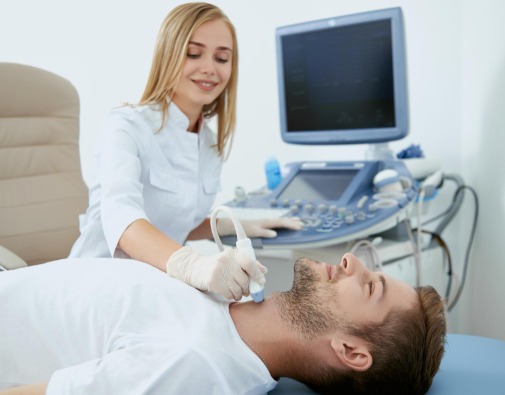
- Процедура — пациент удобно располагается на кушетке, врач наносит акустический гель и перемещает датчик; занимает 15–40 минут в зависимости от объема исследования
- Заключение — выдаётся сразу по завершении или в течение 30 минут при сложных случаях; доступно в личном кабинете на сайте
- Консультация по результатам — врач объясняет выявленные изменения и при необходимости организует маршрут к профильному специалисту

Ответы на популярные вопросы
Какие технологии для УЗИ применяют врачи К+31?
Клиника К+31 располагает стационарными и портативными ультразвуковыми приборами экспертного класса ведущих фирм-производителей ультразвукового оборудования (Toshiba, General Electric, Philips, Hitachi):
- Широкий спектр диагностических возможностей
- Отличная степень визуализации структуры органов и тканей
- Программы допплеровского исследования
- Панорамное сканирование
- Построение объемного изображения в реальном масштабе времени
Установленные в клинике ультразвуковые приборы премиум класса Canon i800, Toshiba Artida, Toshiba Aplio 500 включают в себя инновационные технологии визуализации в ультразвуке, обладают рядом уникальных возможностей, позволяющих получать серошкальные изображения беспрецедентного качества с исключительно детальной проработкой тканевых и органных структур.
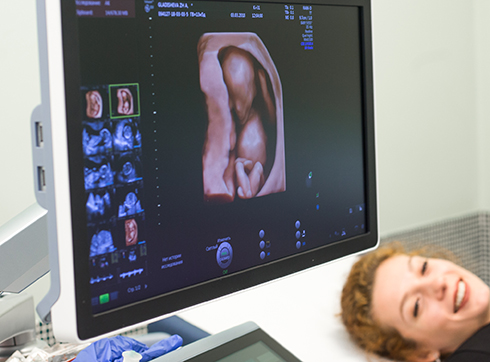
Новые возможности компьютерной обработки ультразвукового изображения в трехмерном (3Д-4Д) режиме на аппаратах последнего поколения позволяют создавать пространственную картину структуры органа, сосуда, патологического очага.
С помощью нашего современного оборудования можно диагностировать патологии органов мочевыделительной системы и репродуктивной системы.
Какие органы и системы можно проверить на УЗИ в К+31?
В К+31 проводятся практически все существующие на сегодняшний день ультразвуковые методы исследования:
- Головного мозга
- Органов брюшной полости
- Почек и области надпочечников
- Печени
- Щитовидной железы
- Молочных желез
- Слюнных желез
- Лимфоузлов
- Легких
- Плевральных полостей
- Орбиты глаза и глазниц
- Органов малого таза у мужчин и женщин
- Мочевого пузыря
- Органов мошонки
- Предстательной железы (простаты)
- Мягких тканей и суставов
- Брюшной полости
- Желчного пузыря
- Забрюшинного пространства
- Поджелудочной железы
- Селезенки
- Нижних конечностей
- Верхних конечностей
- Сердца (ЭхоКГ)
- Сосудов
- Триплексное и дуплексное сканирование магистральных сосудов и вен, артерий внутренних органов
- Сканирование брахиоцефальных артерий (с цветным допплеровским картированием кровотока, с проведением ротационных проб)
- Допплерэхокардиография и стресс-эхокардиография, чреспищеводная эхокардиография
- Допплерография транскраниальная (ТКДГ)
- Ультразвуковая диагностика при беременности во всех триместрах
- Трансвагинальное обследование в первом триместре матки, шейки матки
- Допплерография маточно-плацентарного и плодового кровотока
- Построение объемного изображения плода
- Нейросонография с первого дня рождения
- Ультразвуковое исследование наведение при малоинвазивных вмешательствах
Какие УЗИ бывают?
Лечащий врач в зависимости от заболеваний, назначает следующие виды УЗИ:
- Денситометрия - это метод диагностики, в процессе которого проводят просвечивание костей ультразвуковыми и рентгеновскими лучами. В последнее время данное обследование актуально для пациентов, переболевших ковидом. Денситометрию назначают в сочетании с другими анализами.
- Допплерография - это обследование состояния кровотока. Врач УЗИ оценивает вены и артерии нижних и верхних конечностей, головного мозга, органов малого таза. Также назначается при беременности для определения сердечно-сосудистых патологий плода.
- Сонография - это менее распространенное название УЗДГ.
- 3D УЗИ - это диагностика, которая дает более точную картину состояния внутренних тканей, органов. Медицинское обследование позволяет увидеть в трехмерной форме, облегчает диагностику заболеваний и назначение лечения. Часто 3D и 4D УЗИ назначают при беременности.
- Дуплексное сканирование - это УЗИ диагностика сосудов шеи и головного мозга, вен нижних конечностей. Метод включает в себя не только допплерографию, но и В-режим. С его помощью визуализируются вены и артерии, расположенные рядом мягкие ткани.
Как расшифровать УЗИ?
Чем УЗИ в К+31 отличается от обычной районной поликлиники?
Три ключевых отличия. Первое — оборудование: аппараты экспертного класса GE, Philips, Canon против стандартных аппаратов среднего уровня. Второе — квалификация врачей: в К+31 специалисты УЗД имеют профильную медицинскую специализацию и ведут исследования только по своему профилю. Третье — клиническая интеграция: выявленная патология сразу включается в маршрут пациента внутри клиники, без необходимости повторно записываться и объяснять ситуацию с нуля.
Нужно ли направление от врача для записи на УЗИ?
Нет. Вы можете записаться самостоятельно, без направления. Если вы не уверены, какой вид исследования вам нужен, администратор или дежурный врач-консультант К+31 поможет определиться.
Как быстро будут готовы результаты?
Протокол исследования выдается сразу по завершении процедуры — как правило, в течение 15–30 минут. В сложных случаях (например, при обнаружении нетипичного образования) врач может проконсультироваться с коллегой — результат будет готов в тот же день. Заключение доступно в личном кабинете на сайте или в приложении К+31.
Можно ли сделать несколько видов УЗИ за один визит?
Да. При записи сообщите администратору, что вам нужно несколько исследований — специалист скоординирует время и при необходимости подготовку. Некоторые комбинации (например, УЗИ брюшной полости + УЗИ почек + щитовидная железа) можно выполнить за один сеанс.
Проводится ли УЗИ детям?
Да. Нейросонография новорожденных, УЗИ органов брюшной полости и малого таза детей любого возраста, ЭхоКГ — всё это доступно в К+31. Для исследований у девочек и подростков в гинекологии применяется только трансабдоминальный метод.
Работает ли отделение в выходные?
Да. Клиники К+31 работают в субботу и воскресенье с 9:00 до 18:00–19:00 (зависит от филиала). Часть экстренных исследований доступна круглосуточно. Уточняйте расписание конкретного филиала при записи.
Что такое эластография печени и чем она отличается от обычного УЗИ?
Обычное УЗИ печени оценивает структуру и размеры органа, выявляет очаговые изменения. Эластография дополнительно измеряет жёсткость ткани — механический показатель, отражающий степень фиброза. Это позволяет неинвазивно (без биопсии) стадировать фиброз по шкале METAVIR: от F0 (норма) до F4 (цирроз). Особенно ценно для мониторинга хронических гепатитов и контроля лечения.
Можно ли получить результаты УЗИ онлайн?
Да. Протокол и изображения сохраняются в вашей электронной медицинской карте в К+31 и доступны через личный кабинет на сайте k31.ru. При необходимости результаты могут быть направлены на e-mail или через мессенджер.
Отзывы
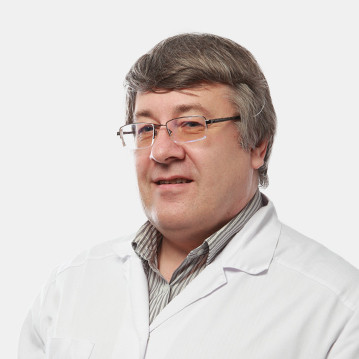
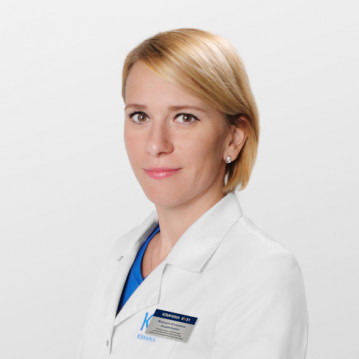
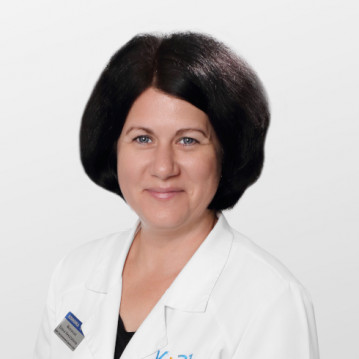
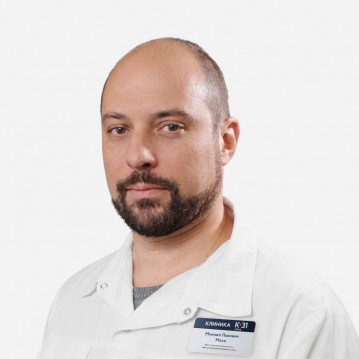
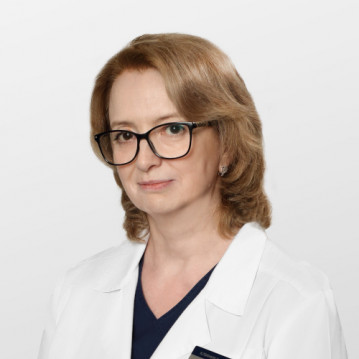
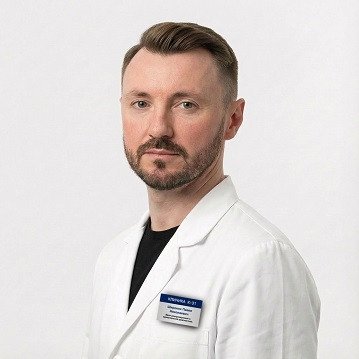
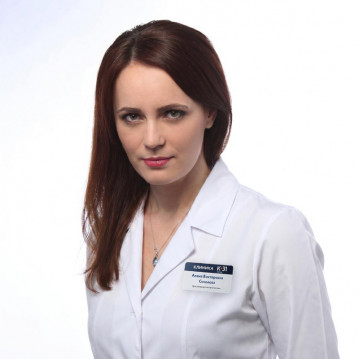
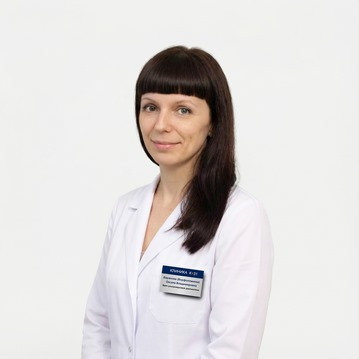
Наши врачи


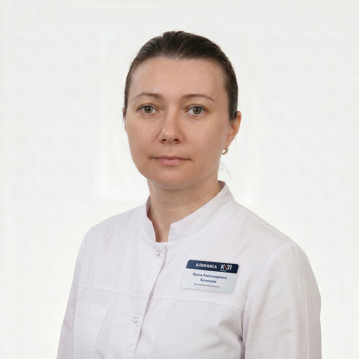
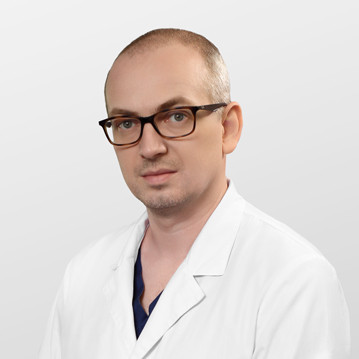
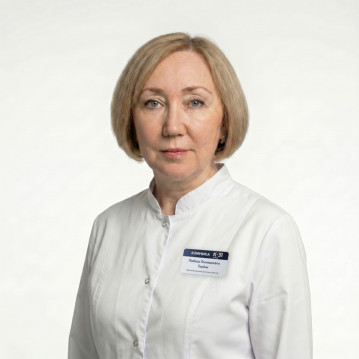
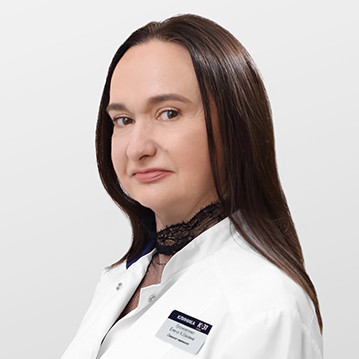
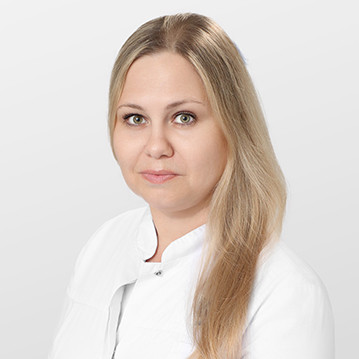

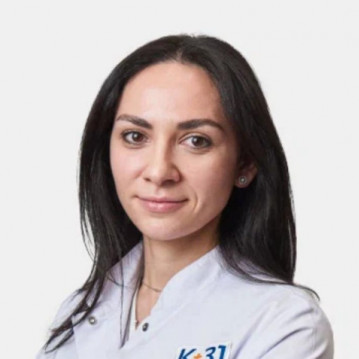
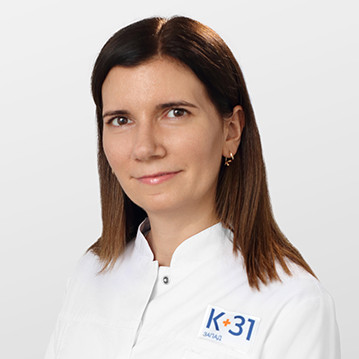
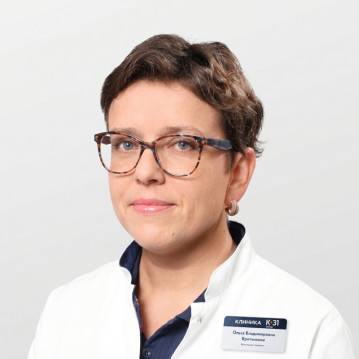

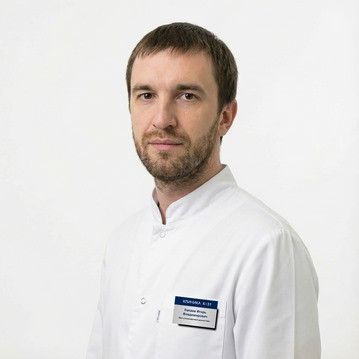

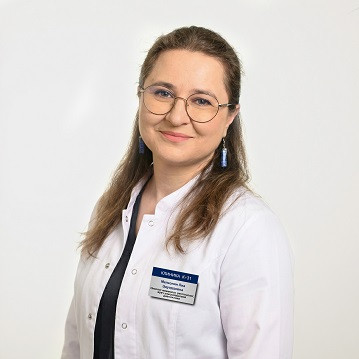
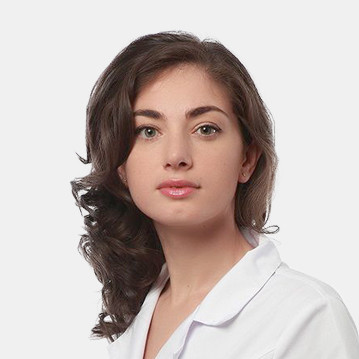
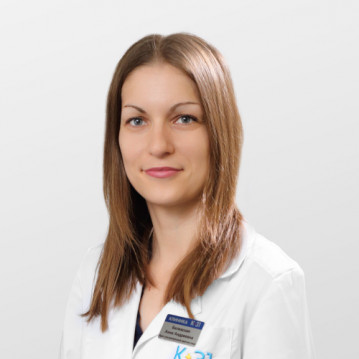

Такая награда выдаётся клиникам с самым высоким рейтингом по оценкам пользователей, большим количеством обращений с данной площадки, при отсутствии критичных нарушений.

Такая награда выдается клиникам с самым высоким рейтингом по оценкам пользователей. Она означает, что место знают, любят и сюда точно нужно зайти.

Портал ПроДокторов собрал 500 тысяч отзывов, составил по ним рейтинг врачей и наградил лучших. Гордимся, что среди награжденных есть наши врачи.
Запишитесь на прием в удобное время на ближайшую дату
Стоимость

Получить консультацию




Наши клиники


Приложение «Личный кабинет К+31»












Возможности отделения
Широкий спектр исследований
В К+31 выполняются все актуальные виды ультразвуковой диагностики — от рутинного исследования органов брюшной полости до сложных интервенционных манипуляций под контролем УЗИ:
Органы брюшной полости и забрюшинного пространства
Гинекология и акушерство