
Pediatric Orthopedic Traumatologist
Musculoskeletal disorders are quite common in children. There are two main reasons for this. First, the high risk of developing pathologies even before birth. Second, a high level of activity, focused on exploring the world around them and their environment, and a tendency to be careless.

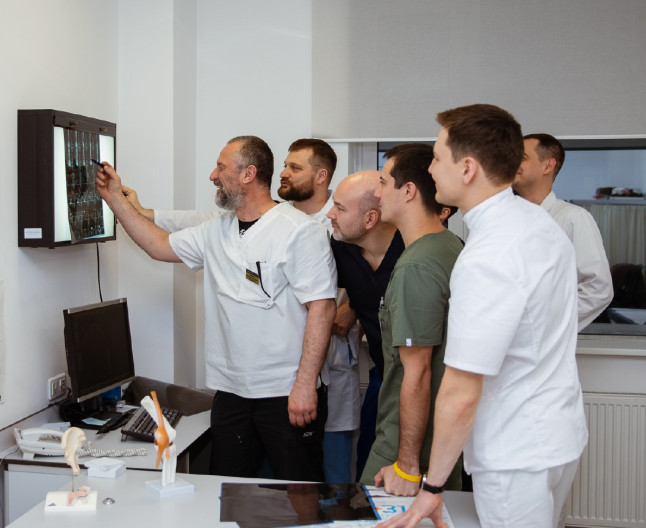
specialists

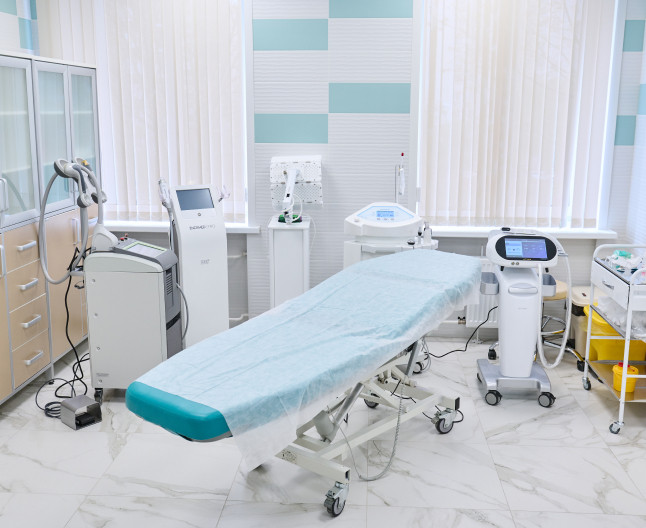
equipment

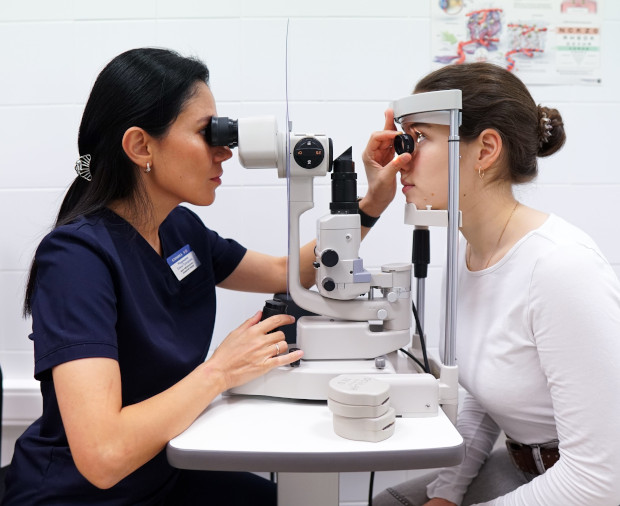
treatment



Symptoms that require medical attention
Contact a specialist immediately if signs of developmental disorders or diseases of the musculoskeletal system appear.
The main symptoms that require a consultation with a pediatric orthopedist:
- The child tires quickly when walking or playing
- Complains of pain in the joints or bones
- The legs become X- or O-shaped
- One leg or arm is shorter than the other
- Notable posture changes – slouching, crooked shoulders
- Limping or an unsteady gait appears
- The feet are turned inward or outward, shoes wear out quickly
If any of these symptoms occur, it's worth making an appointment with a pediatric orthopedist – a timely consultation with a doctor helps avoid serious complications and maintain the child's health.
Timely correction of orthopedic pathologies in children is extremely important, as the musculoskeletal system in the first years of life is highly flexible and responds well to treatment.
An equally important group are acquired pathological conditions of the musculoskeletal system due to exposure to various environmental factors and trauma.
Bruises are the most common. Although they don't pose a significant threat to health, they can mask more serious injuries. They manifest as pain, swelling, and, if the skin is broken, abrasions, redness, and minor capillary bleeding. Typically, the function of the limb (or other injured part) is not impaired. Otherwise, there is a high risk of a bone fracture, so serious injuries require seeking medical attention at a specialized trauma center.
Fractures are accompanied by severe localized pain, abnormal mobility (where it shouldn't be), loss of motion in the affected segment, and crepitus at the fractured surfaces. Open fractures are accompanied by a skin wound. This is relatively rare in children due to the massive and elastic periosteum. Sometimes, it is not damaged at all, holding the bone fragments together (a "greenstick" defect). A definitive diagnosis can only be made after an X-ray.
Dislocations are a no less common traumatic problem, accompanied by limited mobility in the affected joint, swelling, and severe pain.
A specialist consultation is required if swelling or pain in the extremities or spine is present, even if not related to a history of trauma. It is important to remember that only timely interventions can completely eliminate the pathology and restore functional changes.
The K+31 Clinic employs highly qualified pediatric traumatologists and orthopedists who provide comprehensive medical care to children with the above-mentioned musculoskeletal disorders, as well as other, more severe and complex situations requiring a multidisciplinary approach.
Congenital and hereditary diseases account for a significant share of the problems in orthopedics. Some of them are detected during the intrauterine development of the child, the second - immediately after birth or during the process of monitoring the child's development, most often in the first year of life.
Prenatal diagnosis using fetal ultrasound can detect abnormalities such as:
- Complete absence of arms or legs (intrauterine amputations)
- Partial underdevelopment of individual segments or joints
- False articular surfaces
- Severe degrees of hip dysplasia
Immediately after birth, the following are detected:
- Amniotic bands
- Clubfoot
- Torticollis
- Hip dislocation
- Abnormal position of the feet
Subsequently Additional diagnostics are performed to clarify minor details, identify minor changes, and assess developmental dynamics, which can detect delayed or excessive bone growth, progression or improvement of previously diagnosed disorders, and the emergence of new ones, such as scoliosis, lordosis, kyphosis, and flat feet.
To identify orthopedic pathologies, preventive and routine examinations of the child by an orthopedic traumatologist are recommended, starting from the first month of life and even earlier, if necessary. In the absence of any doubts, periodic monitoring is still necessary due to the possible development of orthopedic deviations in the future.
General information
Diagnosis of Diseases
Modern diagnostics of musculoskeletal disorders in children requires high precision and a comprehensive approach. An orthopedist uses both traditional and innovative diagnostic methods to identify even hidden developmental disorders of bones, joints, and ligaments.
The clinic conducts an examination, gait and posture analysis, and functional tests to assess joint mobility. In addition to ultrasound and radiography, modern instrumental techniques are actively used:
- Magnetic resonance imaging (MRI) – to assess the condition of soft tissues, cartilage, ligaments, and joint capsules
- Computer tomography (CT) – when detailed visualization of bone structures and complex injuries is required
- Plantography – a painless method for determining the degree of flatfoot and the distribution of load on the foot
All examinations are performed at a medical center equipped with modern, expert-class diagnostic equipment. This allows the specialist to obtain a complete picture of the child's musculoskeletal system and select the optimal treatment within a single department.

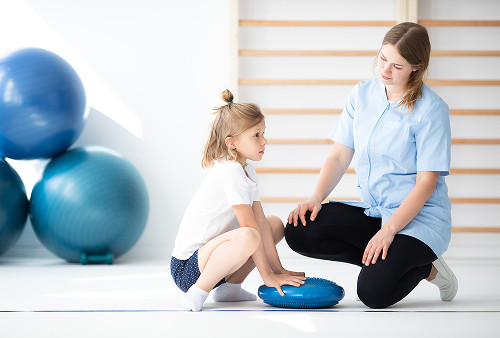
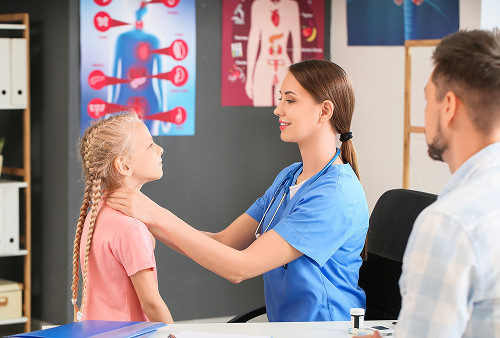
If you're looking for a good pediatric orthopedist in Moscow, the K+31 clinic is your best choice. Our experienced specialists are proficient in modern diagnostic and treatment methods for musculoskeletal disorders in children.
The clinic is equipped with cutting-edge equipment, allowing us to conduct examinations and procedures on par with leading European medical centers. The advantage of K+31 is its multidisciplinary approach: if necessary, the orthopedist consults with other specialists to ensure an accurate diagnosis and optimal treatment.
The department has a comfortable, friendly atmosphere – children feel calm and confident. Parents note this in numerous reviews of the clinic.
Don't put off your child's health – schedule an appointment with a private pediatric orthopedist at K+31 today!
Prices for pediatric traumatologist-orthopedist services in Moscow
The cost of an appointment and diagnostics at the K+31 clinic depends on the type of consultation and the specialist's level. All services are provided for a fee, and prices are provided for informational purposes only – they may vary depending on the doctor and Moscow branch you choose.
Main services and prices:
- Initial consultation with a pediatric traumatologist-orthopedist – from 8,190 rubles.
- Follow-up appointment – from 7,035 rubles.
- Home visit with a pediatric traumatologist-orthopedist (within the Moscow Ring Road) – from 12,760 rubles.
- Online consultation using telemedicine technologies – from 8,190 rubles.
- Hip ultrasound – upon request, please check with the operator.
Prices are for informational purposes only. Please check the exact cost of services with the clinic administrators when making an appointment.
Answers to Questions (FAQ)
If you have any questions or would like to clarify the cost of an appointment, schedule a consultation with a pediatric orthopedist at the clinic. Our specialists will provide detailed information on treatment and prevention options.
At what age should a child have a preventive examination with a pediatric orthopedist?
How often should a child see an orthopedist during the first year of life?
What should I bring to the initial appointment?
Are additional procedures included in the price of the appointment?
Does the clinic treat scoliosis and postural disorders?
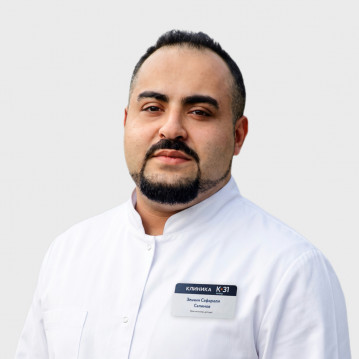
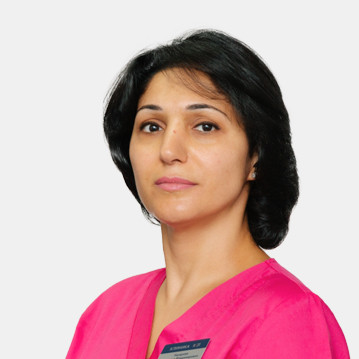
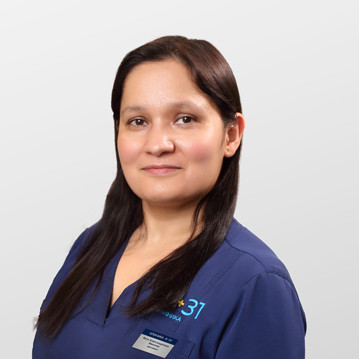
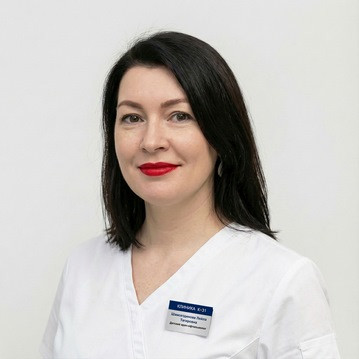
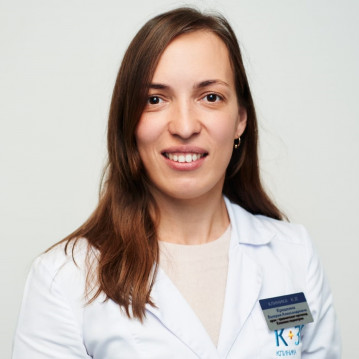
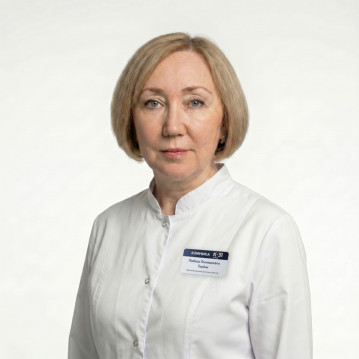
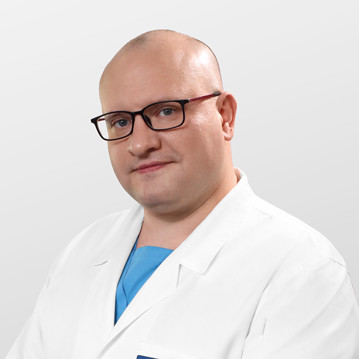
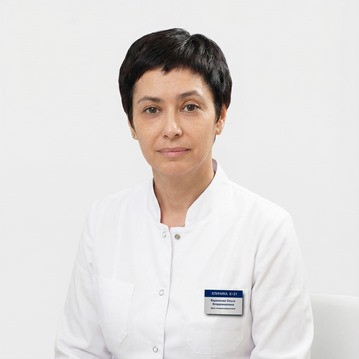
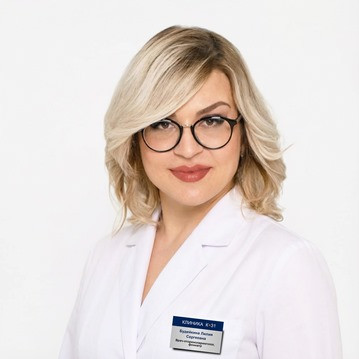
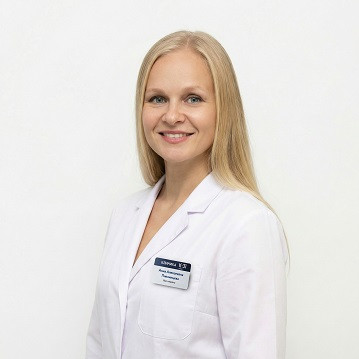
Our doctors






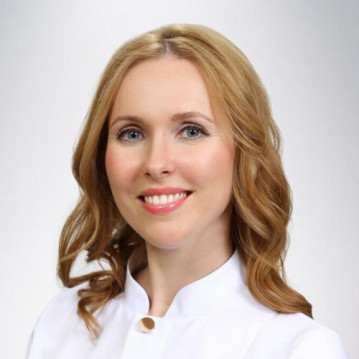
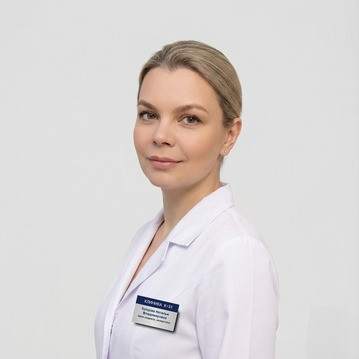
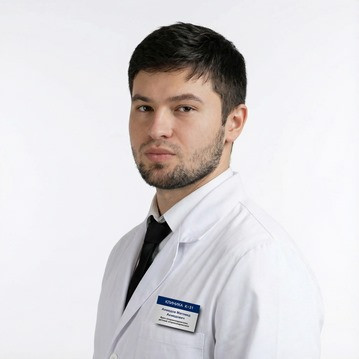

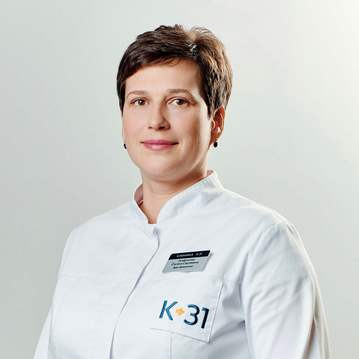
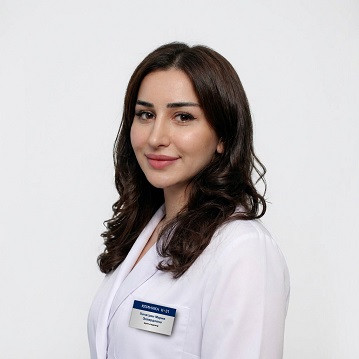
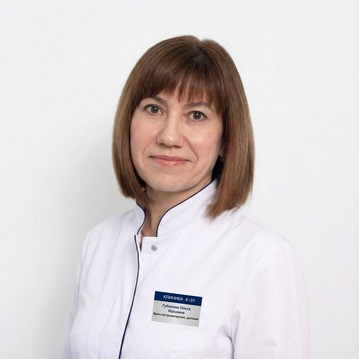
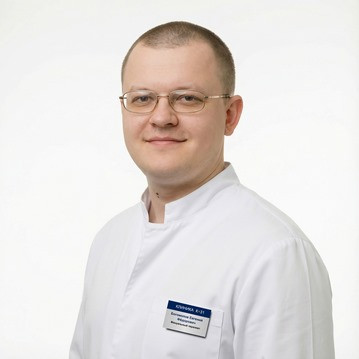

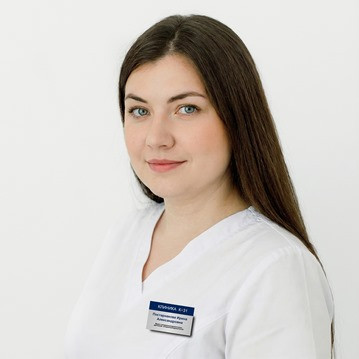


This award is given to clinics with the highest ratings according to user ratings, a large number of requests from this site, and in the absence of critical violations.

This award is given to clinics with the highest ratings according to user ratings. It means that the place is known, loved, and definitely worth visiting.

The ProDoctors portal collected 500 thousand reviews, compiled a rating of doctors based on them and awarded the best. We are proud that our doctors are among those awarded.
Make an appointment at a convenient time on the nearest date
Price
Other services

Appointment to the doctor
Reviews
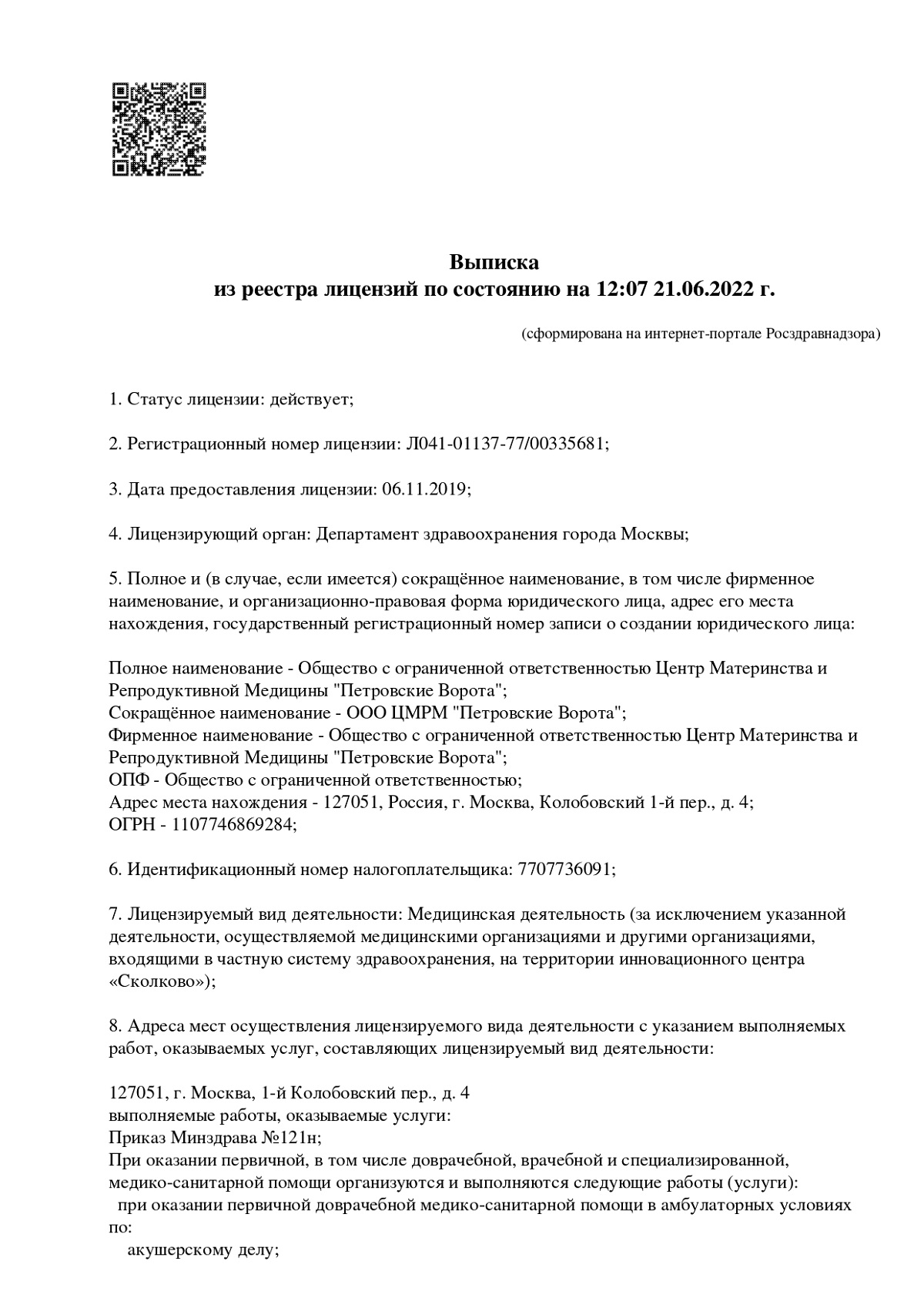
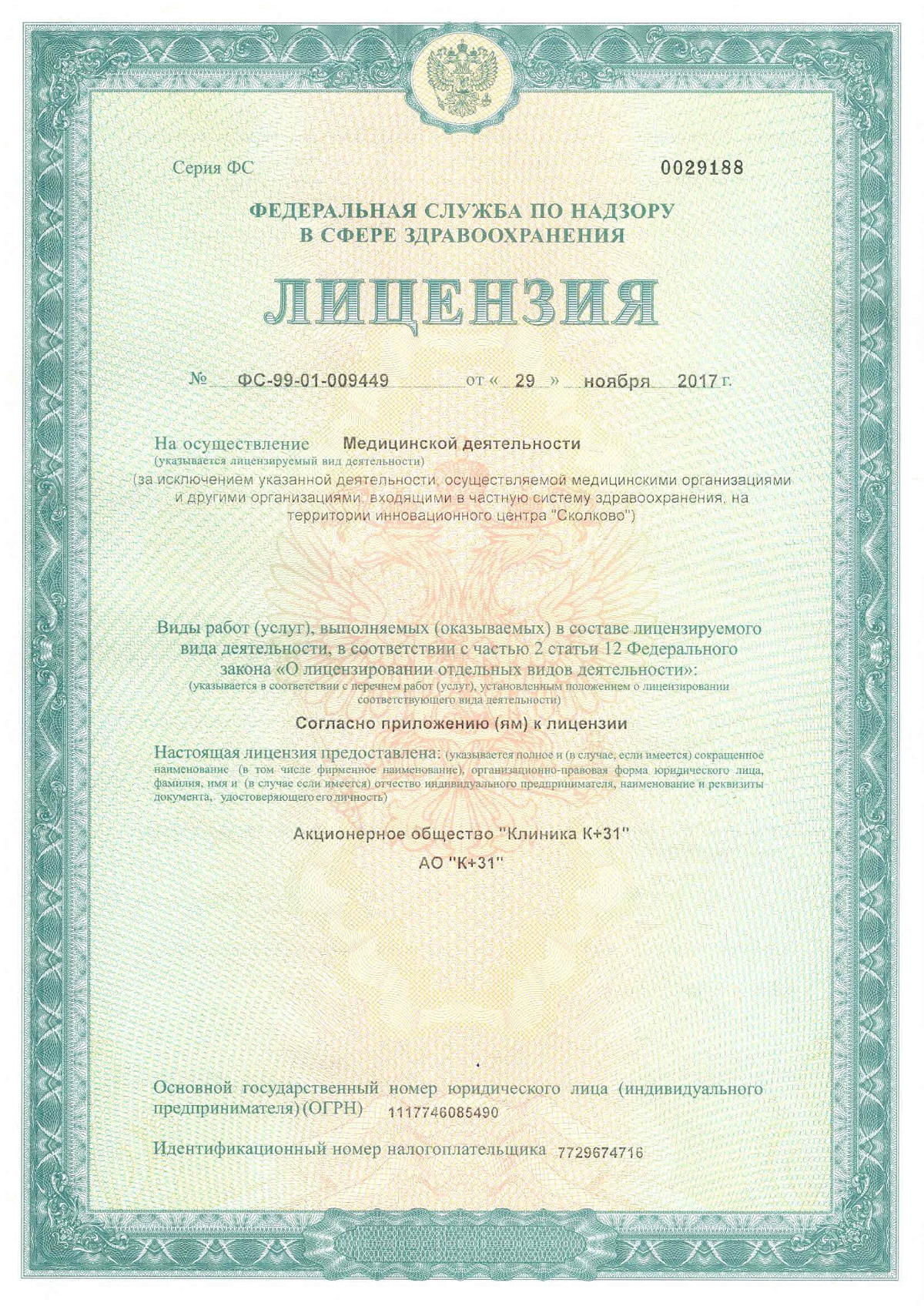
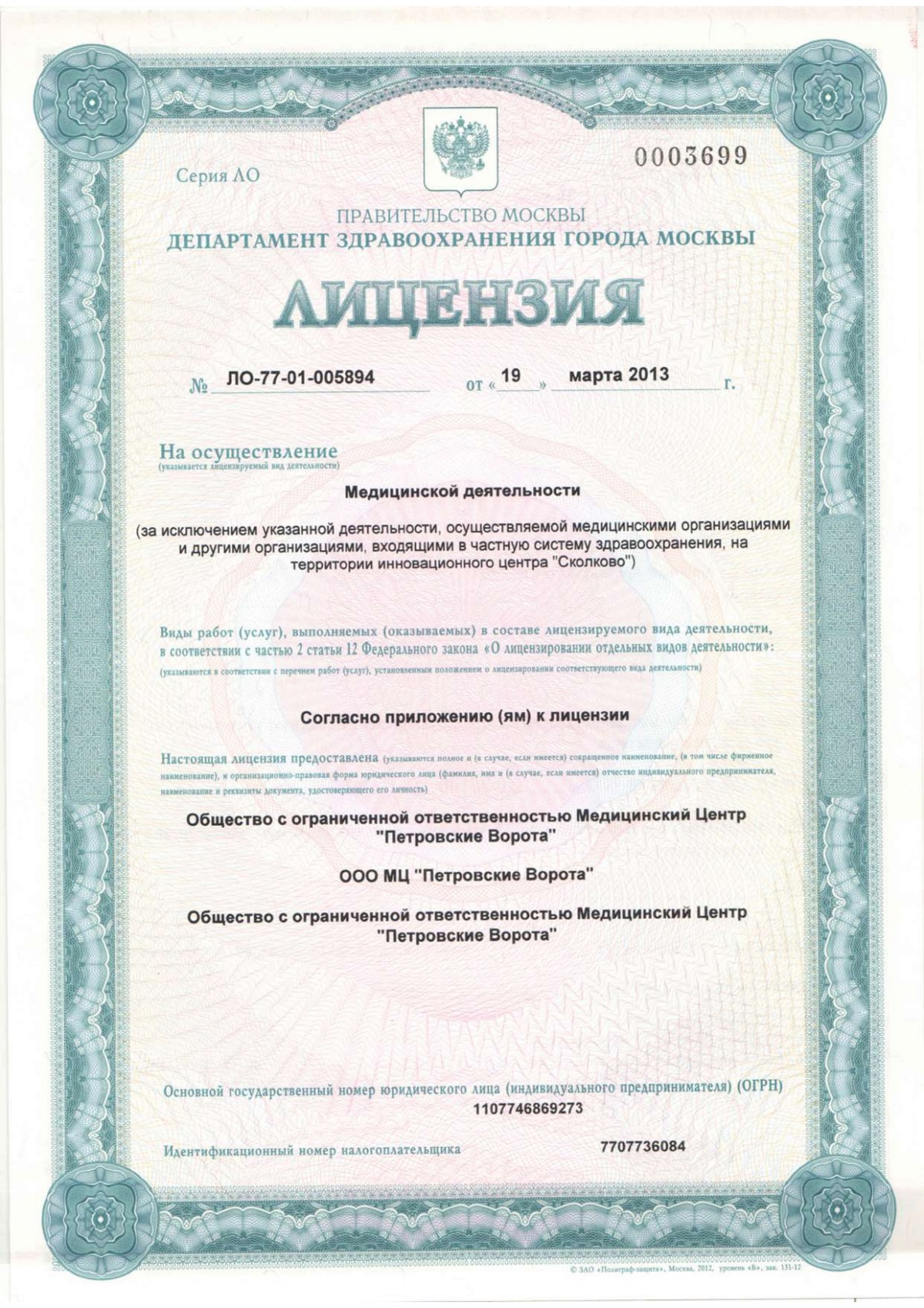
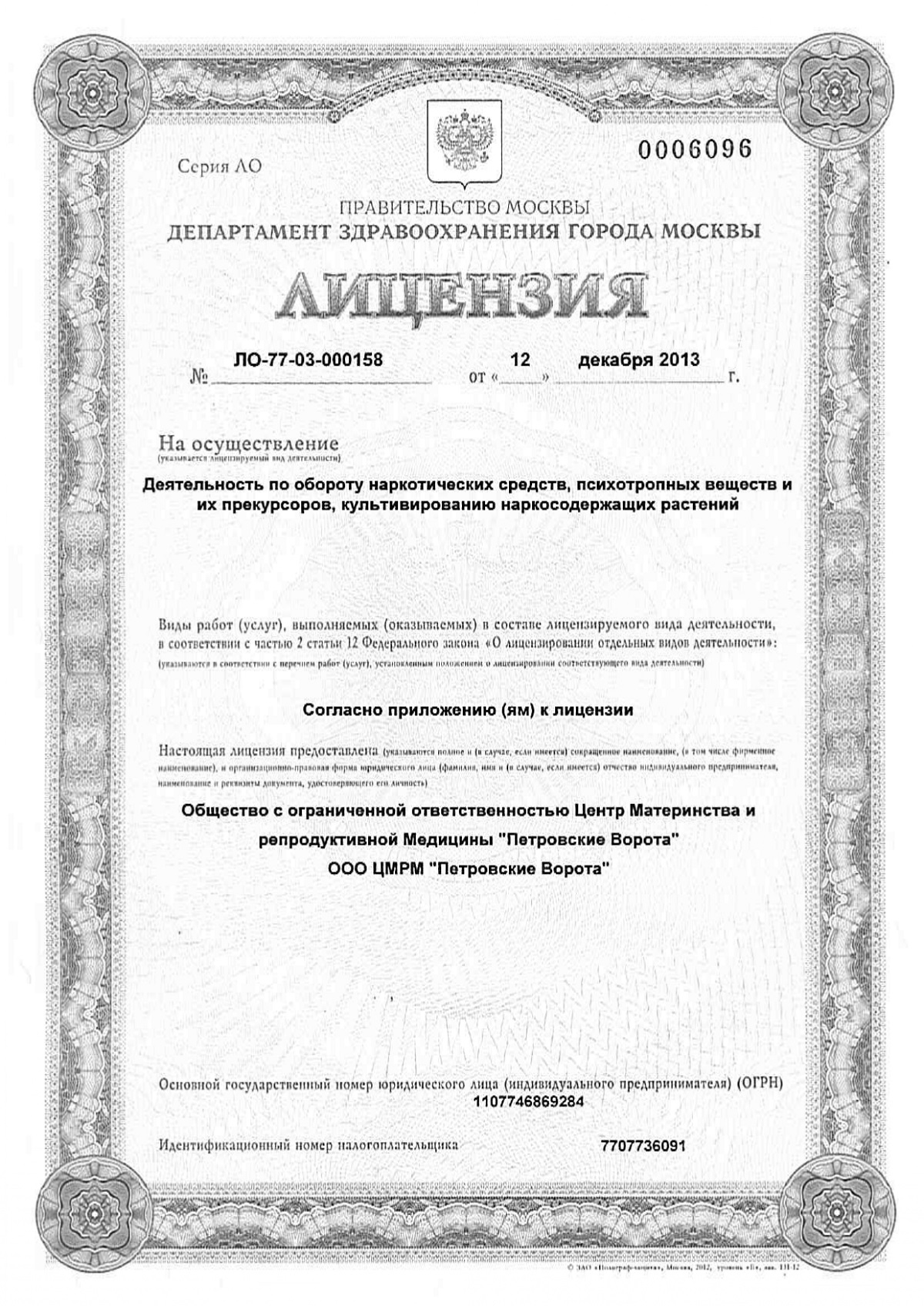
Our clinics


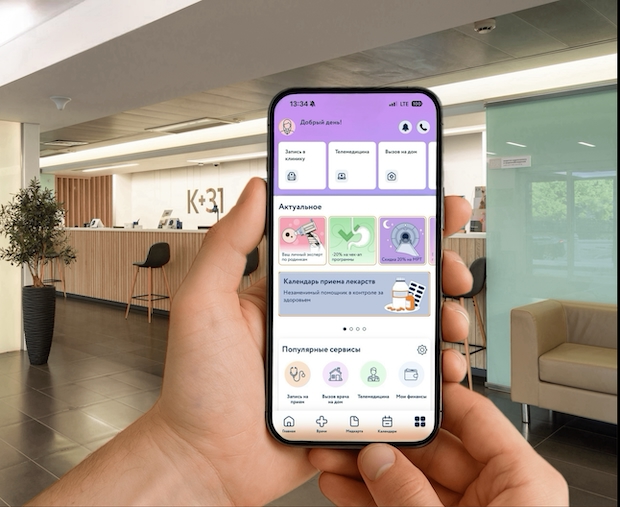
Application “Personal Account K+31”











General information about pediatric orthopedics
Pediatric orthopedics is a branch of medicine in which a pediatric orthopedist diagnoses, treats, and prevents musculoskeletal disorders in children. This specialist combines the skills of an orthopedist and a traumatologist, allowing them to treat both congenital bone and joint pathologies and injuries sustained in everyday life or during sports.
The main groups of diseases treated by a pediatric orthopedist include:
A key feature of pediatric orthopedics is the recognition that a child's body is constantly growing. Errors or delays in treatment can affect the development of bones, joints, and muscles, so a pediatric orthopedist is able to select safe methods of correction and rehabilitation. If necessary, a trauma surgeon is involved if surgery is required to restore limb function or correct severe deformities.
Contact a specialist immediately if you notice abnormal head, arm, or leg positioning, limited limb movement, or, conversely, hyperextension of the limbs.