
Probing of the lacrimal canal in newborns
In 70% of cases, the first half of a child's life is accompanied by a condition such as infantile seborrheic dermatitis. Parents often worry about how their baby feels, noticing the so-called milky crusts on his scalp. The doctors of the K+31 clinic perform gentle probing of the nasolacrimal canal in children with congenital lacrimal tract obstruction and recurrent dacryocystitis. We use modern atraumatic techniques, microscopic monitoring, and evidence-based treatment protocols. The procedure is performed in a gentle mode, under the careful supervision of a pediatrician, ophthalmologist and anesthesiologist, which guarantees safety for the baby.

specialists

equipment

treatment




The main causes of dacryocystitis
The main cause of congenital dacryocystitis in newborns is obstruction of the nasolacrimal canal. In a healthy baby, there is a thin natural film in the lower part of this canal at the time of birth. It is needed during intrauterine development to protect the respiratory tract from ingress of amniotic fluid. After the baby is born, this membrane should open on its own at the first breath or the first cry.
Sometimes it doesn't happen. The film remains in place, and the tear cannot flow freely from the eye into the nasal cavity, as intended by nature. Due to the stagnation of fluid in the lacrimal sac, discharge appears, inflammation and dacryocystitis develops.

There are other reasons why there is an obstruction of the lacrimal tract in newborns. The doctors of the K+31 clinic identify several main factors:
-
Persistent membrane (Hasner valve). This is a thin film that covers the lower exit of the nasolacrimal canal. If it does not rupture after birth, fluid begins to accumulate, causing stagnation and inflammation.
-
A viscous secret or a gelatinous plug. Sometimes babies have dense mucus in the canal, which blocks the way for tears. This condition is quite common and usually requires gentle intervention such as massage or probing.
-
An innately narrow lacrimal pathway. In some children, the canal itself is very narrow, so even a slight inflammation or swelling leads to its blockage. In such cases, the problem may occur periodically, especially during a cold.
-
Postinfectious edema of the nasal mucosa. If the child has recently suffered from acute respiratory viral infections or rhinitis, the mucosa in the area of the canal outlet may swell and block the outflow of tears. In this case, the lacrimal pathways may temporarily stop working normally, and the symptoms of dacryocystitis return.
All these reasons lead to the fact that the tear does not enter the nose, as it does in a healthy child, but accumulates in the tear sac. A warm and humid environment becomes favorable for the growth of bacteria, and after a few days, inflammation develops — dacryocystitis. That is why it is important to show the child to an ophthalmologist on time and start treatment before the process becomes chronic.
Symptoms of dacryocystitis
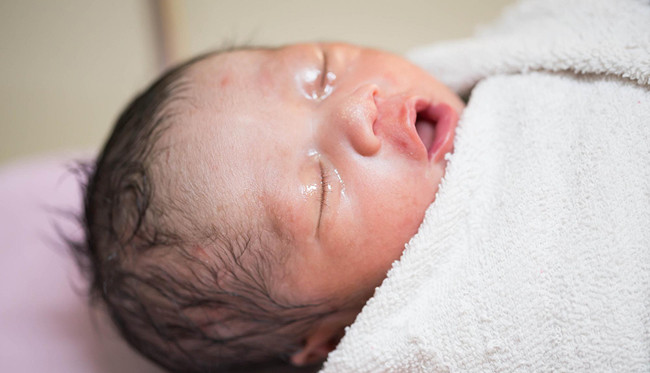
Parents often mistake the symptoms of obstruction for conjunctivitis. However, in dacryocystitis, the manifestations have their own characteristics:
- Constant lacrimation without crying
- Mucopurulent discharge from the eye
- Crusts on eyelashes after sleep
- Swelling at the inner corner of the eye
- Temporary improvement after washing
If the symptoms persist, it is necessary to consult an ophthalmologist, as self-treatment at home is rarely effective.

Indications for lacrimal canal probing
Lacrimal tract probing is performed after conservative treatment has failed. At the first stage, the doctor trains parents to perform a special massage of the lacrimal sac area and prescribes drops with antiseptic effect.
The procedure is shown if:
- There is no improvement during 2-4 weeks of regular massage
- Purulent discharge continues to be released from the eye
- Persistent obstruction of the canal has been diagnosed
- Complications develop (diseases such as abscess, acute inflammation)
The optimal age for probing is from 1 to 6 months, as long as the tissues are elastic and the probability of success is highest.

Contraindications to probing
The procedure is not performed:
- In acute purulent inflammation of the lacrimal sac
- Severe rhinitis or adenoiditis
- Increased body temperature
- Blood clotting disorders
- Severe congenital anomalies of the lacrimal tract structure
After the condition has stabilized, the doctor may recommend an intervention as planned.
General information
Advantages of probing at the K+31 clinic>
The procedure of probing the nasolacrimal canal in newborns requires precision, delicacy and deep knowledge of the baby's anatomy. Therefore, it is important to trust treatment only to experienced specialists and modern medical centers. All conditions have been created in the K+31 clinic for the safe and effective restoration of patency of the lacrimal tract in children.
- Experienced pediatric ophthalmologists specializing in the treatment of lacrimal tract obstruction in newborns
- Modern equipment and microscopic techniques that ensure accuracy and safety
- Individual approach — the procedure is carried out taking into account the age and condition of the child
- Teamwork of an ophthalmologist, ENT doctor and anesthesiologist
- Comfortable conditions for children and parents, no need for prolonged hospitalization
- Full support: training in massage, hygiene and prevention of re-inflammation
- The convenient location of the clinic in Moscow and the opportunity to undergo diagnosis and treatment in one day
Prices for lacrimal canal probing in newborns in Moscow
The cost of the procedure depends on the amount of intervention and related factors: the side of the lesion (unilateral or bilateral), the need for anesthesia, flushing and patency control.
The basic price includes:
- Ophthalmologist's appointment with diagnosis of canal patency
- Self-probing (of one or both eyes)
- Rinsing with antiseptic solution
- Appointment of postoperative treatment and massage training
- If necessary, the work of an anesthesiologist
You can check the current prices with the administrators of the K+31 clinic by phone or via an online appointment. We will tell you in detail how the procedure is carried out, what to take with you and when to come for an examination.
The K+31 clinic is a combination of professionalism, modern technology and caring for the youngest patients. Our specialists help infants to restore the patency of the lacrimal ducts, regain comfort and prevent complications without pain and stress.

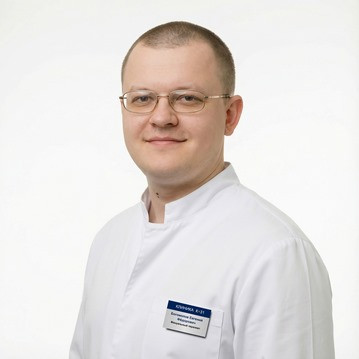
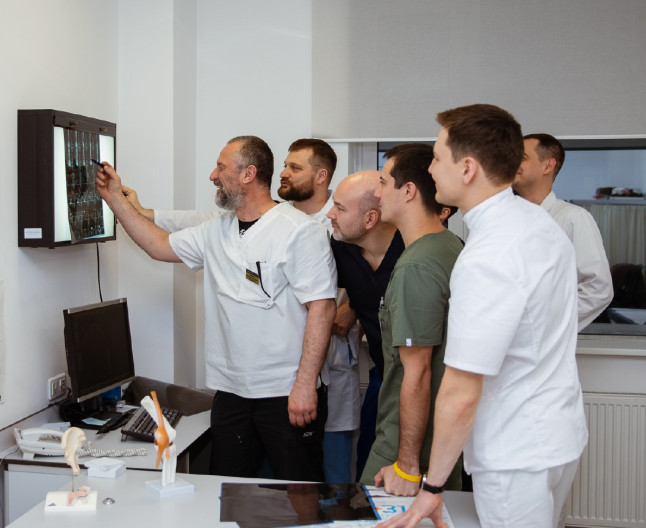
Our doctors







































This award is given to clinics with the highest ratings according to user ratings, a large number of requests from this site, and in the absence of critical violations.

This award is given to clinics with the highest ratings according to user ratings. It means that the place is known, loved, and definitely worth visiting.

The ProDoctors portal collected 500 thousand reviews, compiled a rating of doctors based on them and awarded the best. We are proud that our doctors are among those awarded.
Make an appointment at a convenient time on the nearest date
Price
Other services

Appointment to the doctor
Reviews








Our clinics


Application “Personal Account K+31”












What is lacrimal canal probing?
Probing is a low—trauma ophthalmological procedure that allows you to restore the natural outflow of tears in newborns. The doctor uses a thin probe to gently pass the tear tubules, tear sac and nasolacrimal canal, removing the film or plug that prevents the passage of fluid. As a result, the physiological outflow of tears into the nasal cavity is restored, inflammation is eliminated and the development of chronic dacryocystitis is prevented.
Sometimes parents call the procedure "canal puncture", but it is more correct to talk about probing — this is a careful passage and flushing without traumatic tissue damage. The procedure is performed on an outpatient basis, lasts only a few minutes and gives a quick effect.