
Meningitis Vaccination for Children
Since meningitis is a very dangerous infectious disease affecting the meninges and is especially severe in children, you can protect your child by vaccinating them. It can help protect against several of the most common types of the disease, but it is not recommended for everyone and not in all cases.

specialists

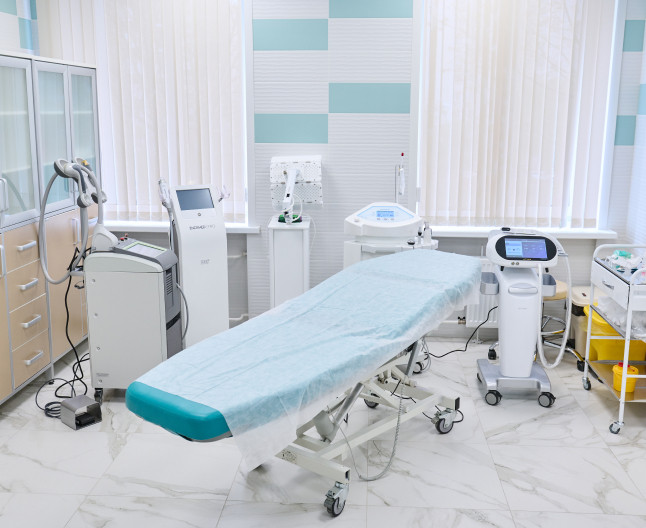
equipment

treatment



Types of vaccines against meningococcal infection
Menactra
This vaccine was developed in America and is made using a special method—by binding antigens to proteins, which helps the body better respond and remember the immune system. It works against four types of meningococci: groups A, C, W, and Y. After receiving the Menactra vaccine, approximately nine out of ten people achieve strong immunity. Side effects are almost nonexistent, except for mild redness of the skin where the vaccine was injected and sometimes a slight fever.
Bexero
It was developed by British scientists using genetically modified technologies. This vaccine targets exclusively the most insidious group of meningococci—serogroup B. Its effectiveness is slightly lower than that of Menactra—seven to eight out of ten people are successfully protected. However, Bexero stimulates local immunity much more actively, causing mild inflammation and pain at the injection site.
Trumenba
Another American development, created using a similar technology to Bexero. It also targets group B meningococci, but is administered to adolescents over ten years of age, with only two doses. The effect is good—eight out of ten people are reliably protected. Just like Bexero, this vaccine can cause slight discomfort at the injection site, but the discomfort wears off quickly and is well tolerated.
Meningococcal Vaccination Schedule
Meningococcal vaccinations are available at specialized private medical institutions, such as the K+31 clinic, where patients are offered high-quality vaccines.
The standard vaccination schedule depends on the child's age and the type of vaccine used:
| Age | Vaccine type | Features |
|---|---|---|
| From 2 months | Conjugate meningococcal vaccines (such as MenACWY) | 2-3 injections 1-2 months apart, then a booster dose after reaching 1 year of age. |
| Over 1 year | Single injection (e.g., MenACWY or MenB) | Immunity lasts for 3 to 5 years; booster shots are possible later. |
| Adolescents | One shot (recommended before visiting crowded places) | Protects the child against all major bacterial groups: A, C, W, Y, and B. |
When and how is vaccination administered?
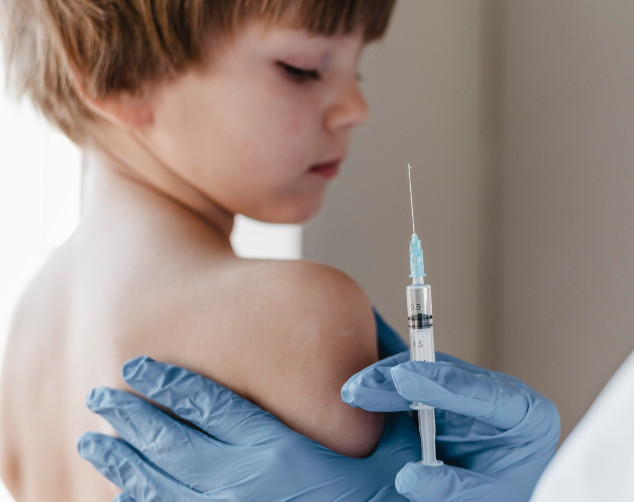
The first dose of meningococcal vaccine can be given to children as young as nine months old if there is a high risk of contracting the disease. However, full, lasting immunity is only developed after a full course of vaccinations, so most doctors recommend starting the full program closer to age two.
As for the timing and method of vaccination, a person's age determines a lot:
- For children aged 9 months to 2 years, a two-dose vaccination schedule is used, with an interval of two to three months between doses.
- For all other children aged two years and older and for adults, a single vaccination is sufficient.
During an epidemic surge in infection, additional vaccination is mandatory for patients who received their previous vaccination more than four years ago, as well as for those who were vaccinated for the first time or have never been vaccinated before.
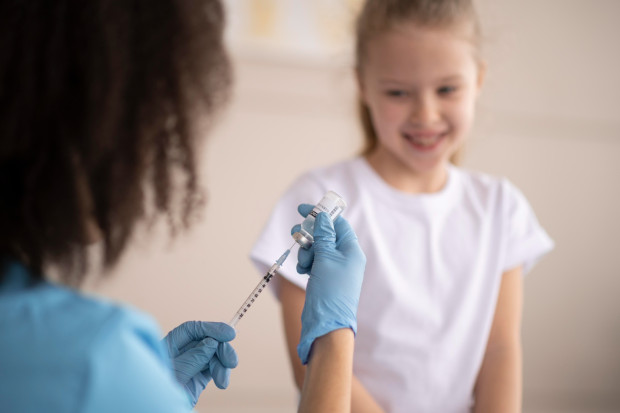
Preparing for the Vaccination
Before heading out for a meningitis vaccination, make sure your child is completely healthy and ready for this important event. To ensure everything goes smoothly, here's what to do in advance:
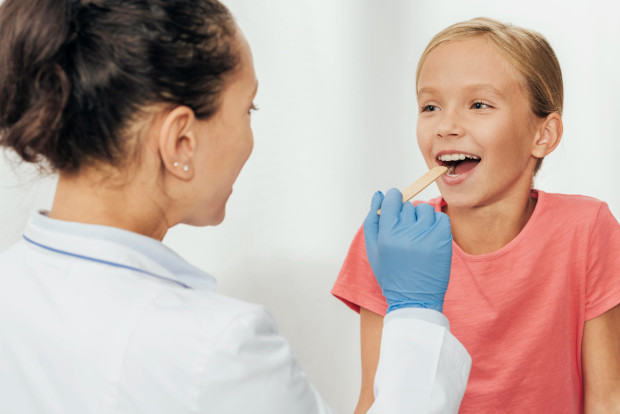
- Examination by the pediatrician. The doctor will carefully assess your child's general well-being: examine the throat, listen to the heart and lungs, and ask if your child has had any cold or allergy symptoms the day before. Any concerns about your child's health will be a reason to postpone the vaccination.
- Additional tests. Although standard guidelines allow vaccination without prior testing, there are situations when testing is actually beneficial. If your child has a chronic illness, is prone to allergies, or has recently undergone surgery, a specialist may refer you for a blood or urine test. This will provide a complete picture of your body's readiness to cope with the stress of vaccination.
It's important to remember: advance preparation will ensure safety and peace of mind for both you and your child. The more carefully you follow all your doctor's recommendations, the fewer risks will arise later.
General information
Why are children vaccinated against meningitis?
The best method of protecting against infection with meningococcal strains is the meningitis vaccine for children. Despite the absence of the meningococcal vaccine in the list of mandatory vaccines in the Russian National Calendar, pediatricians actively recommend its use, especially among preschoolers, schoolchildren, and individuals who are often in large crowds.
The main arguments in favor of vaccination:
- Critical mortality rate in the disease - without medical care, the probability of a fatal outcome is about half of cases, and even timely therapy can prevent death in only 85% of situations.
- Rapid development of pathology - signs of the disease appear quickly, often making it difficult for doctors to provide timely assistance.
- Dangerous consequences - recovery from an infection can be accompanied by serious consequences such as hearing loss and persistent nervous system disorders.
- Wide spectrum of strain coverage - the latest drugs provide protection against many dangerous varieties of pathogenic microorganisms (serotypes A, B, C, W, Y)
- Development of herd immunity – widespread vaccination contributes to a significant reduction in the spread of meningococci among the population.
A conscious choice by parents to voluntarily vaccinate their children ensures reliable prevention of meningococcal infection.
Questions and Answers
How is the vaccination tolerated?
Can you get meningococcal disease after vaccination?
What should you avoid after vaccination?
Our doctors


































This award is given to clinics with the highest ratings according to user ratings, a large number of requests from this site, and in the absence of critical violations.

This award is given to clinics with the highest ratings according to user ratings. It means that the place is known, loved, and definitely worth visiting.

The ProDoctors portal collected 500 thousand reviews, compiled a rating of doctors based on them and awarded the best. We are proud that our doctors are among those awarded.
Make an appointment at a convenient time on the nearest date
Price
Other services

Appointment to the doctor
Reviews

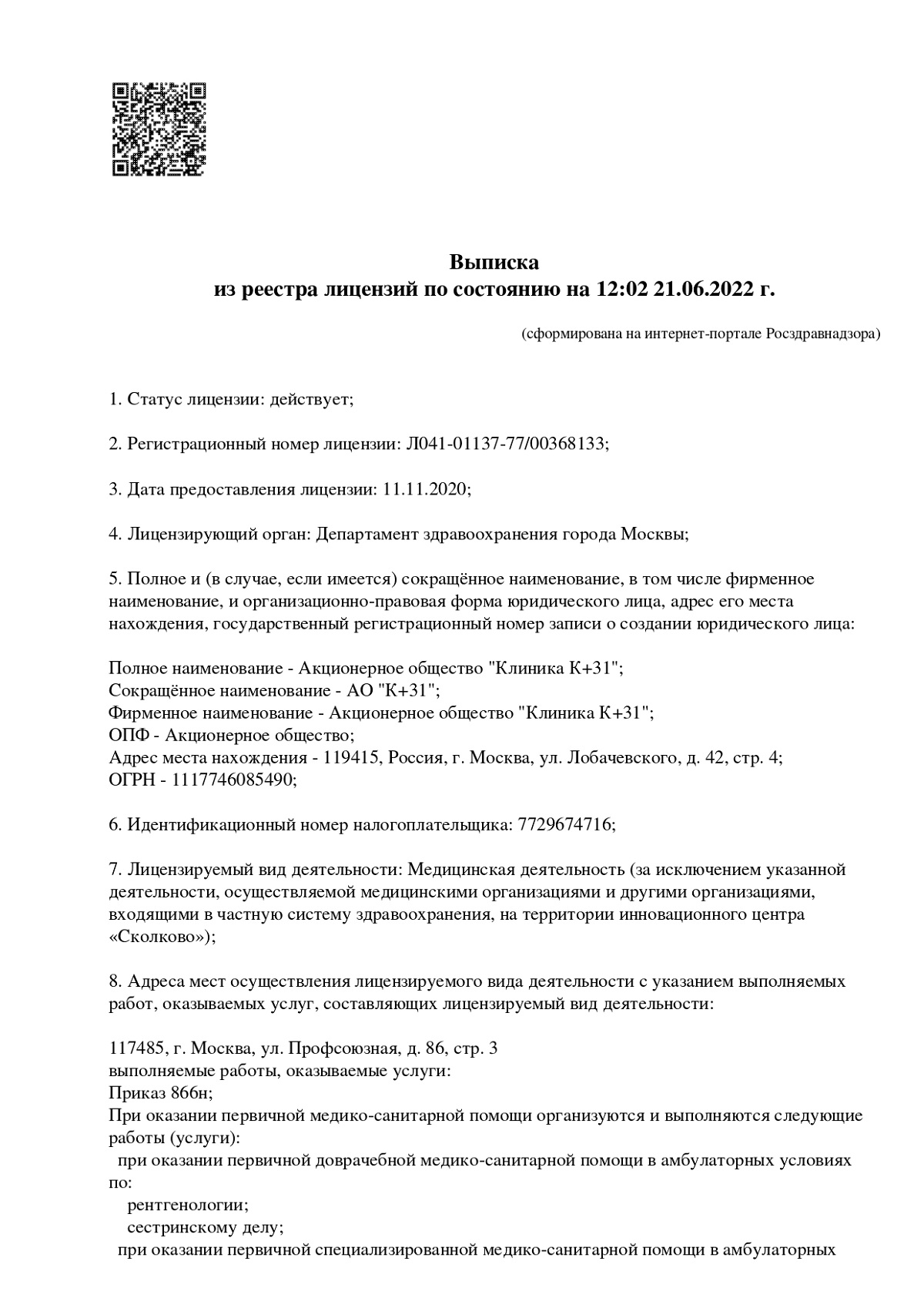
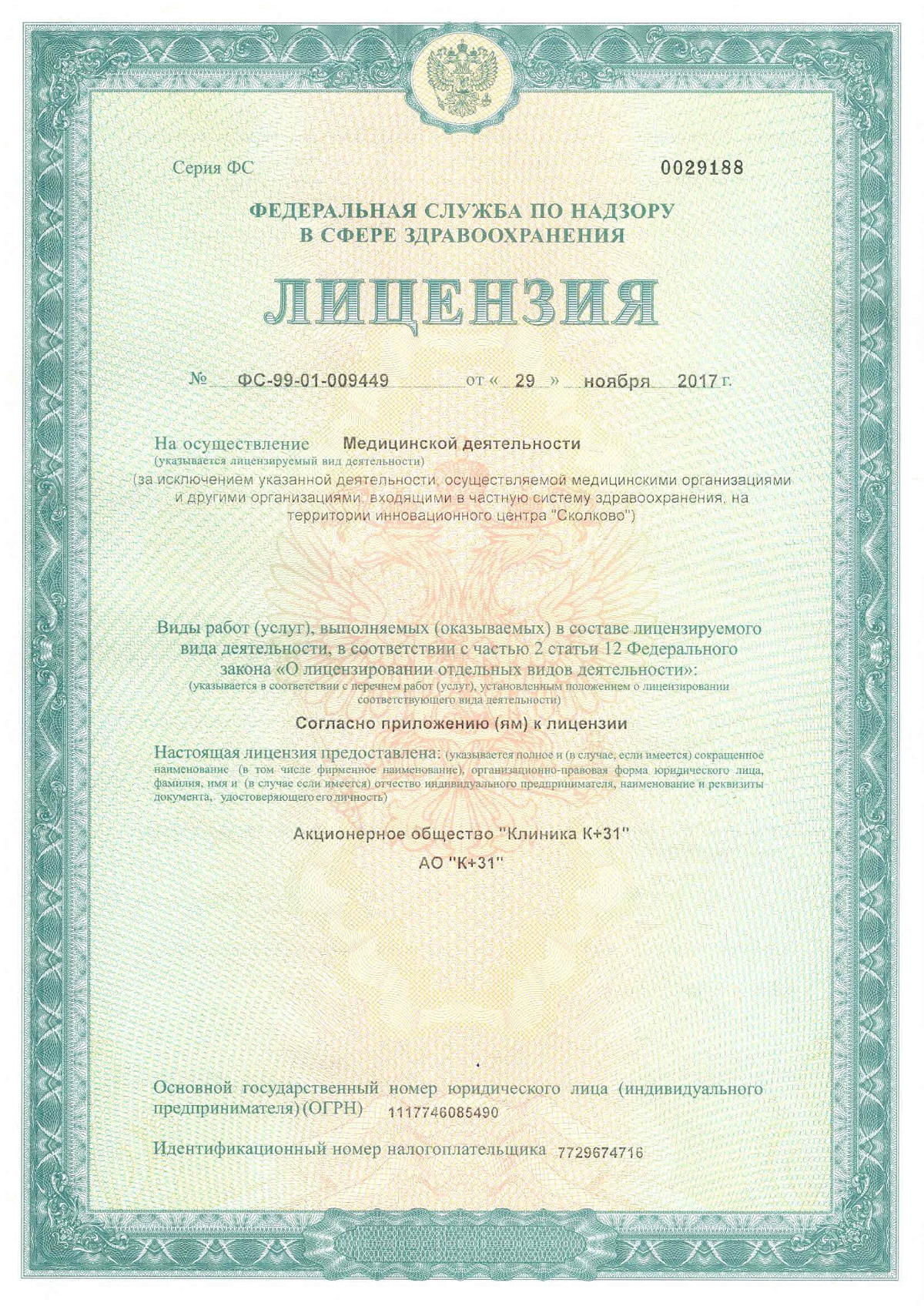
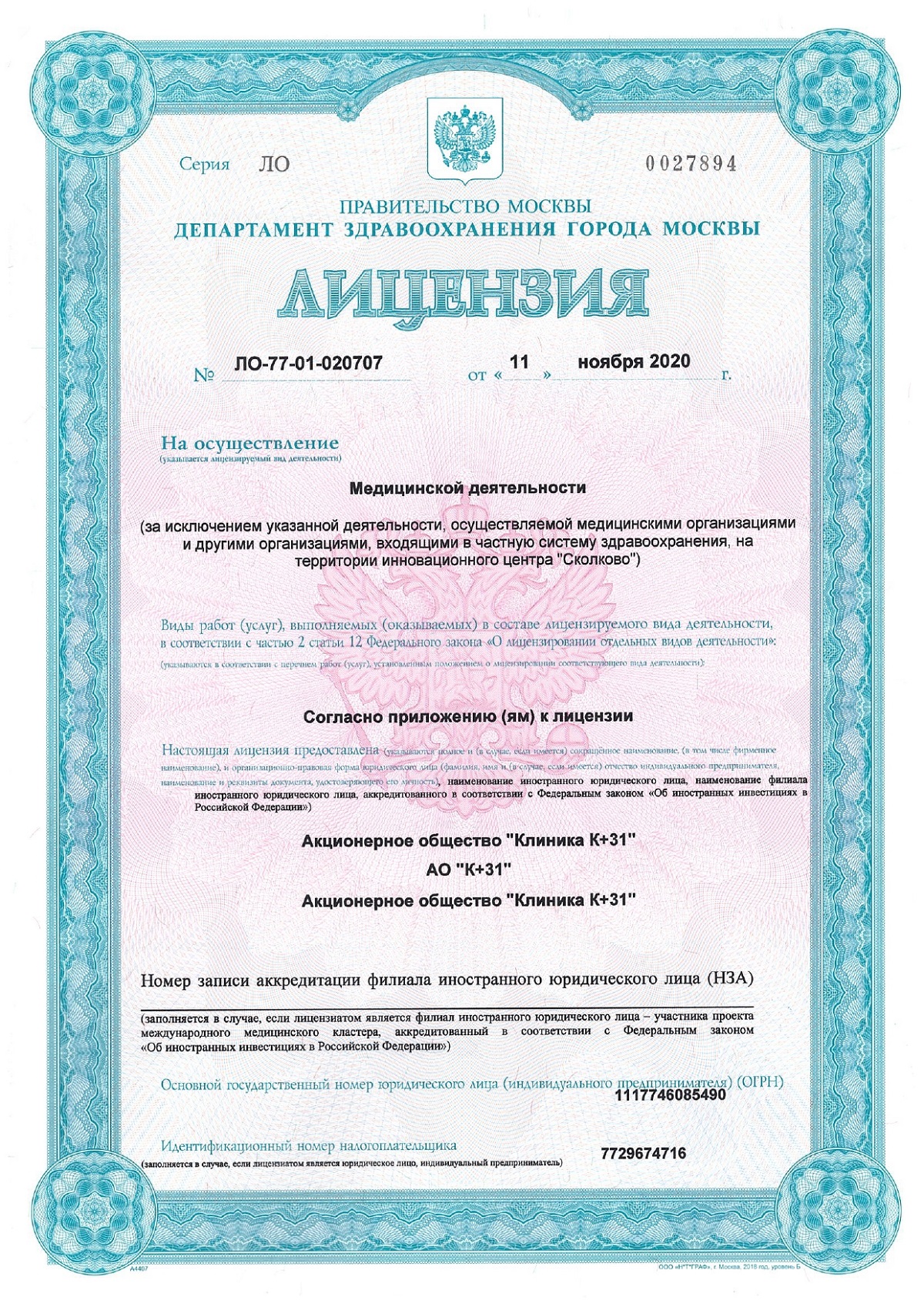
Our clinics


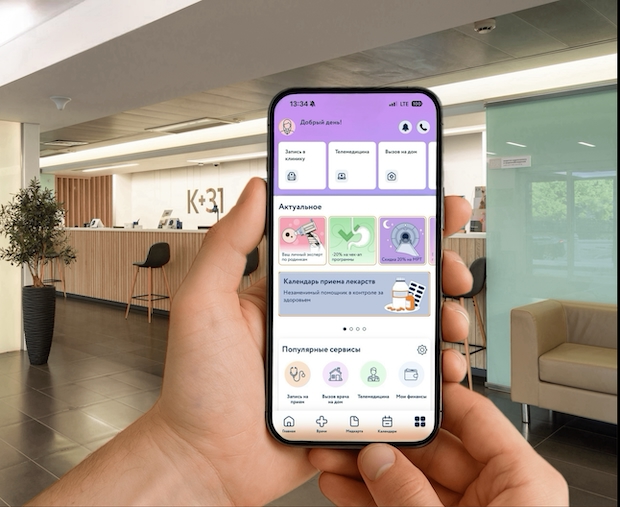
Application “Personal Account K+31”










General information about meningococcal infection
Meningococcal disease, commonly known as meningitis, is a serious infection caused by the microorganism Neisseria meningitidis. Transmission of the pathogen occurs primarily through aerosols and direct contact with an infected person or carrier, including close contact such as kissing, coughing, or sneezing.
Among the most dangerous manifestations of the disease are meningeal disease and meningococcal sepsis. The former is characterized by involvement of the meninges and spine, while the latter is characterized by the spread of bacteria through the bloodstream.
These conditions pose a significant health risk and can lead to death in just a few hours. A vaccine against meningococcal disease is effective in preventing severe disease and minimizing the risk of serious complications.