
Child Psychiatrist
A child psychiatrist is a specialist who diagnoses, treats, and corrects mental disorders in children and adolescents from birth to 18 years of age. This is one of the most complex areas of medicine: children's psychiatry is constantly developing, symptoms of disorders are often disguised as "difficult personality" or "age-related crisis," and children themselves are often unable to articulate their experiences.
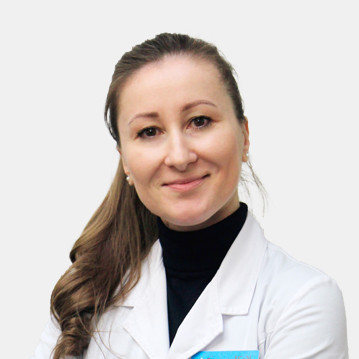
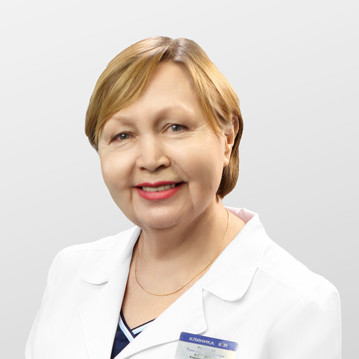
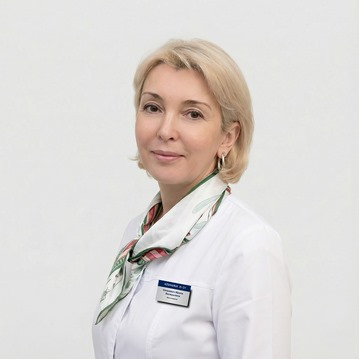
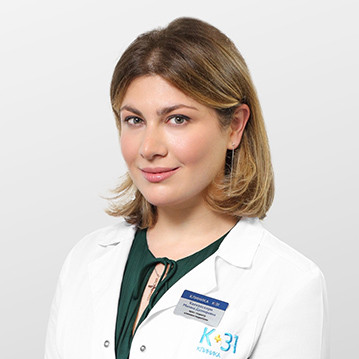
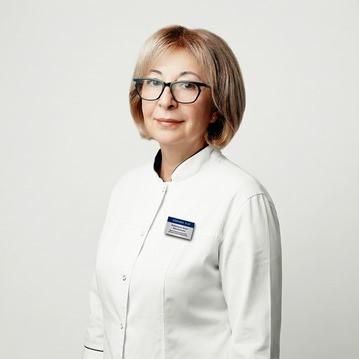
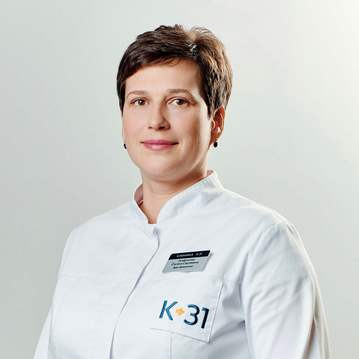
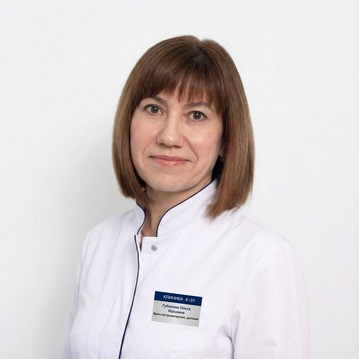
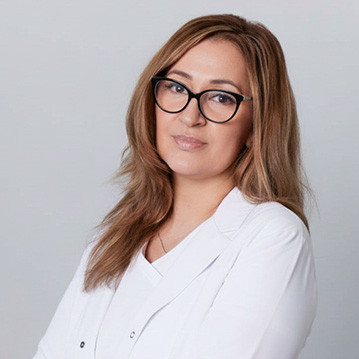
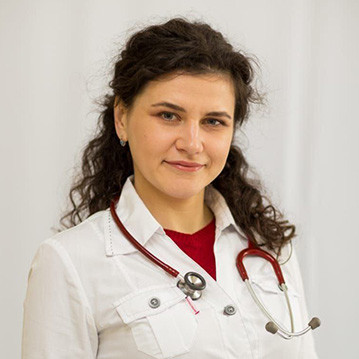
At the K+31 clinic, experienced child psychiatrists with many years of experience working with children of all ages provide consultations: from early neurodevelopmental disorders in infants to depression, anxiety disorders, and identity crises in adolescents. Consultations are completely confidential, and no registration is required.

specialists

equipment

treatment



When to see a child psychiatrist

Worrying Symptoms in Children Under 7 Years Old
- A noticeable delay in speech, psychomotor, or cognitive development compared to peers
- Absence or sharp decline in skills the child has already mastered (regression)
- Avoidance of contact with people: does not make eye contact, does not respond to being spoken to, does not respond to one's name
- Repetitive stereotypical actions, rituals, obsession with the same activities
- Severe eating difficulties: refusal of most foods, rituals around eating
- Severe and poorly controlled anxiety, night terrors, nightmares
- Enuresis and encopresis in otherwise healthy children – after the age when control should already be established
- Autoaggression: the child intentionally hurts themselves

Anxiety Symptoms in Children 7–12 Years Old
- Persistent difficulty concentrating, impulsiveness, restlessness, poor academic performance
- Frequent tantrums, aggressive outbursts, inability to cope with frustration
- Obsessive fears, rituals, and "magical" thinking interfere with daily life
- Persistent refusal to go to school not related to a physical illness
- Severe anxiety: panic attacks, complaints of pain without an organic cause
- Bullying: both the victim and the aggressor
- Notable decline in mood, apathy, loss of interest in usual activities

Anxiety Symptoms in Adolescents 12–18 Years Old
- Depressed mood, loss of meaning and interest in life, persistent apathy
- Self-harm: cutting, burning, other ways to hurt yourself
- Statements about not wanting to live, suicidal thoughts or intentions
- Dramatic changes in behavior and personality
- Eating disorders: strict diets, refusal to eat, binge eating with vomiting, obsessive fixation on weight
- Substance use
- Complete social isolation, refusal to communicate
- Uncontrollable outbursts of anger, aggression towards loved ones
- Fears, obsessive thoughts, or rituals that disrupt normal functioning life
Important: If you have suicidal thoughts, self-harm, or acute psychotic symptoms, seek immediate medical attention without delay.
General information
What does child psychiatrist K+31 work with?
| Group of disorders | Specific conditions |
|---|---|
| Neurodevelopmental disorders | Autism spectrum disorder (ASD), ADHD, speech and mental developmental delays, specific learning disorders |
| Anxiety disorders | Generalized anxiety, social anxiety, panic attacks, phobias, separation anxiety |
| Affective disorders | Depression, dysthymia, Bipolar disorder, mood dysregulation |
| Behavioral disorders | Oppositional defiant disorder, conduct disorder, aggression |
| OCD and related conditions | Obsessive-compulsive disorder, tics, Tourette syndrome |
| Eating disorders | Anorexia, bulimia, ARFID (selective eating) |
| Stress and trauma reactions | PTSD, acute stress reaction, adjustment disorders |
| Psychotic disorders | Schizophrenia, early psychotic episodes |
| Other | Enuresis, encopresis, sleep disorders, suicidal behavior |



Treatment Methods
Psychotherapy
A key tool for most childhood and adolescent disorders. K+31 uses:
- Cognitive behavioral therapy (CBT) — proven effective for anxiety, OCD, depression, and PTSD.
- Play therapy — for preschool and primary school-aged children.
- Art therapy — through drawing, sculpting, and creativity, children express what they cannot articulate.
- Family therapy — working with the entire family system; especially important for behavioral disorders and ASD.
- Parent training — teaching parents effective strategies for interacting with their child.
- Dialectical behavior therapy (DBT) — for adolescents with emotional instability and self-harm.
Drug Therapy
Prescribed only when there are clear clinical indications, in the minimum necessary doses, taking into account the child's age and individual characteristics. Possible drug groups include: antidepressants, anxiolytics, mood stabilizers, ADHD medications, and antipsychotics (for psychotic symptoms). All prescriptions are accompanied by an explanation for parents and ongoing monitoring.
Neurocorrectional Methods
- Biofeedback (BFB) therapy — self-regulation training for ADHD and anxiety disorders
- Transcranial micropolarization (TCMP) — for developmental delays and speech disorders
- Speech therapy and defectological correction — in the comprehensive management of children with ASD, mental retardation, and ADHD
Benefits of contacting K+31
- No registration required – Clinic K+31 is a private medical facility. Information about the visit and diagnosis is not shared with the school, kindergarten, district clinic, or state psychiatric services.
- Complete confidentiality – doctor-patient confidentiality is strictly observed.
- Multidisciplinary team – a child psychiatrist works together with a neurologist, pediatrician, speech therapist, special education teacher, and clinical psychologist.
- Comprehensive diagnostics – everything necessary: EEG, MRI, laboratory, neuropsychological testing – in one clinic.
- Individualized care plan – not a standard protocol, but a strategy tailored to the age, temperament, and situation of the individual child.
- Family engagement – parents are included in the treatment process: consultations, trainings, joint sessions.
- Safe atmosphere – offices are equipped to meet the needs of children, appointments are unhurried, in a trusting atmosphere.

Frequently Asked Questions (FAQ)
Will my child be registered with a psychiatrist?
How does a child psychiatrist differ from a psychologist or psychotherapist?
At what age can a child see a child psychiatrist?
Does my child need any special preparation for the appointment?
How long does treatment last?
Can I attend the consultation without my child—as a parent only?
Can I take my child to a psychiatrist without the other parent's knowledge?
Our doctors













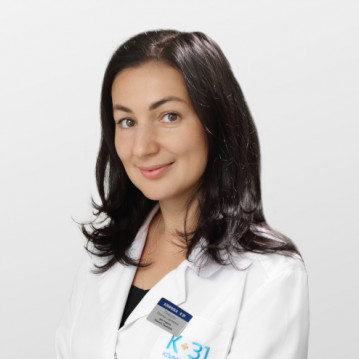
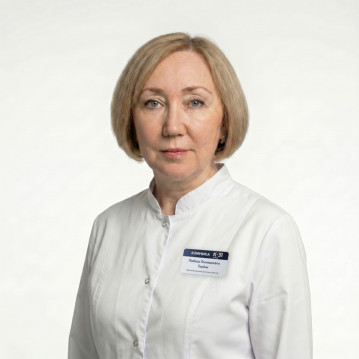
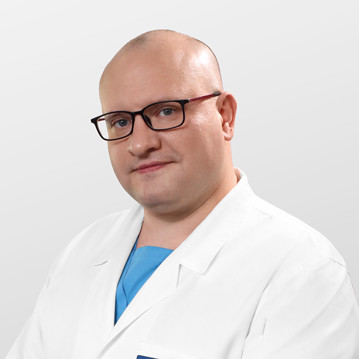
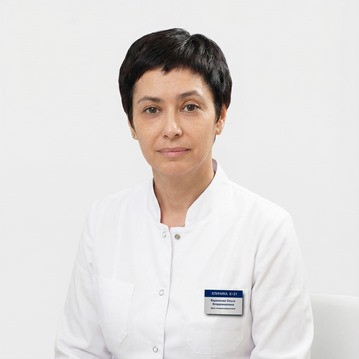

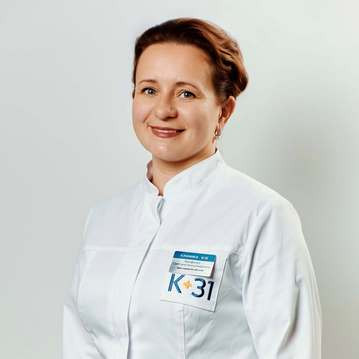
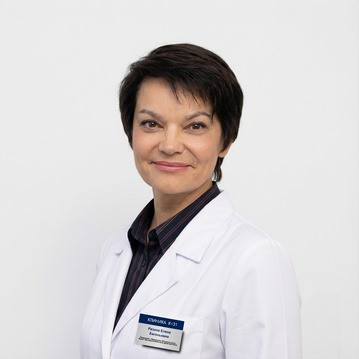

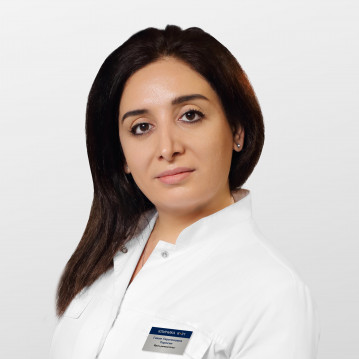
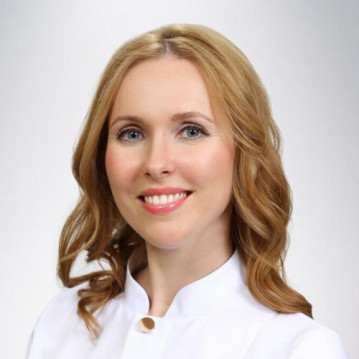











This award is given to clinics with the highest ratings according to user ratings, a large number of requests from this site, and in the absence of critical violations.

This award is given to clinics with the highest ratings according to user ratings. It means that the place is known, loved, and definitely worth visiting.

The ProDoctors portal collected 500 thousand reviews, compiled a rating of doctors based on them and awarded the best. We are proud that our doctors are among those awarded.
Make an appointment at a convenient time on the nearest date
Price
Other services

Appointment to the doctor
Reviews



















Our clinics


Application “Personal Account K+31”












Peculiarities of child psychiatry
A child's body is constantly developing, and the first signs of mental disorders often coincide with age-related crises—at ages 3, 7, and 12–15. During these periods, increased irritability, moodiness, and impulsivity can be both physiologically normal and a symptom requiring medical attention.
The situation is complicated by the fact that children are not always aware of their experiences and almost never speak about them directly. Parents often delay seeking professional help, fearing stigma or hoping that the problem will "go away on its own." Meanwhile, early intervention can significantly improve the prognosis: a disorder diagnosed at ages 5–7 is much easier to treat than the same disorder at 16.
The development of a child's psyche is influenced by the mother's pregnancy and childbirth, hereditary factors, upbringing and family atmosphere, social environment, previous somatic illnesses, and traumatic experiences.