
Plantar warts in children
Various types of warts are benign growths that are common in childhood. They can appear on any area of the skin. These growths are most often found on the feet—the soles, heels, and toes.
While a plantar wart may not be felt at first, over time, the growth can cause discomfort, so it's important to seek medical attention.

specialists

equipment

treatment






Symptoms of warts in children
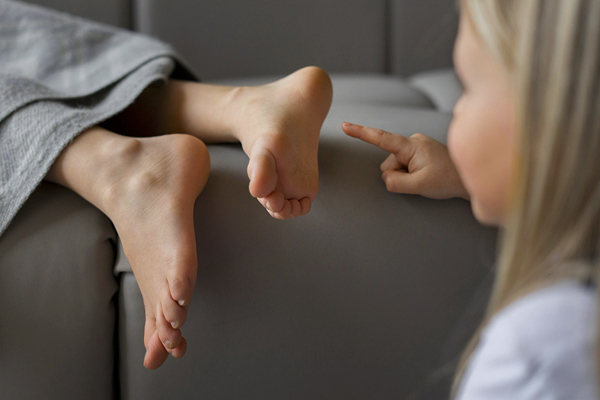
At first, an unusual, hard patch of skin, slightly lighter in color than the surrounding area, appears on a child's foot. Over time, the growth grows, hardens, and turns into a hard lump. A plantar or heel wart appears as a flat lump. The color changes to a dirty yellowish or brownish color, and dark spots—clogged capillaries—appear on top.
After a child notices one such unpleasant growth, other warts may appear nearby. Symptoms include painful walking—the child complains of sharp pain with each step, sometimes even limping. It's important to remember that a common callus may only cause discomfort when pressed from above, while a wart also hurts when pressed from the side.
Causes of warts on the foot
The human papillomavirus enters a child's body through close contact with the source of infection. Infection can occur when a child:
- Goes to a swimming pool
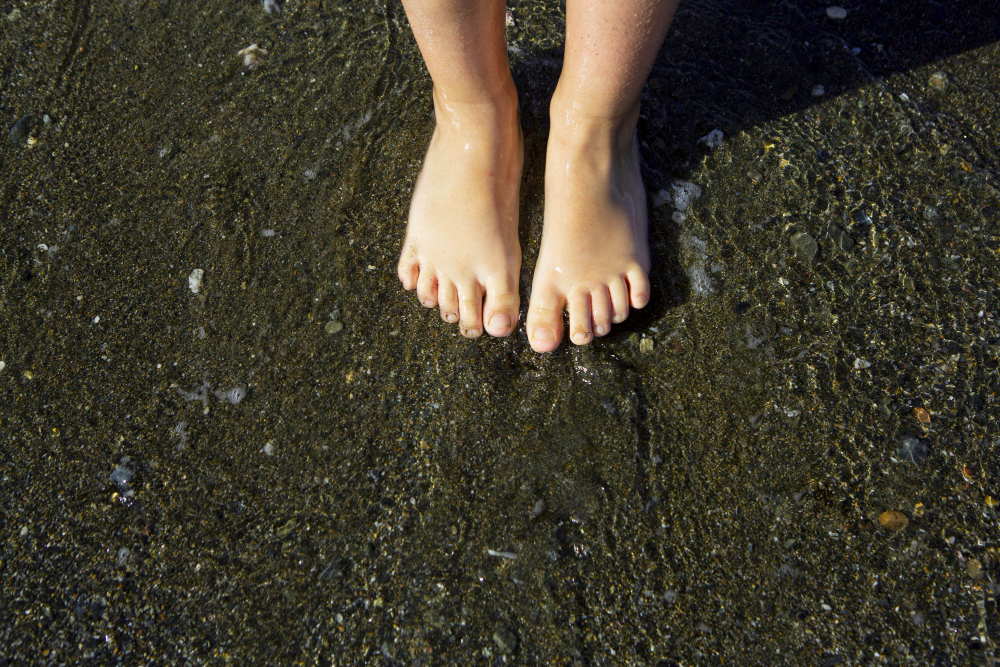
- Runs barefoot on a heated floor
- Plays with shared toys with friends
- Trys on someone else's slippers
Warts don't appear immediately after infection—the viruses patiently bide their time. Only a weakened immune system signals the onset of an attack. Various situations can act as triggers:
- Severe stress or overwork
- Cold or respiratory infection
- Endocrine system disorders
- Excessively damp or dry feet
- Exacerbation of old illnesses
The infection itself isn't so scary as long as the body's defenses are strong. Taking care of your health and hygiene is the best prevention against this uninvited guest.
Complications of warts in children
A wart is a small but powerful nuisance that interferes with a child's ability to move freely. A wart on a child's foot feels like a needle piercing the foot from the inside, forcing them to change their usual walking style. Furthermore, the muscles and joints, which are strained due to improper foot placement, can cause discomfort.
The removal procedure disrupts the integrity of the skin, leaving it vulnerable. After surgery, it is essential to carefully care for the wound using special solutions and creams; otherwise, there is a high risk of serious consequences, such as unsightly scars or inflammation.
The scar's appearance is associated with a profound disruption of the basement membrane—the thin boundary between the upper layer of skin and the underlying tissues. A new layer, consisting of lower-quality cells, forms in place of normal skin.

When to see a doctor
Attempts to combat the problem on your own often lead to tragic consequences: small annoyances can turn into a whole army of skin growths. Only an experienced specialist—a pediatric dermatologist—can properly remove a wart on a child's foot.
If you experience warning signs such as sharp pain when moving or the warts rapidly multiplying, you should see a doctor immediately. The doctor will conduct a thorough examination of your child's foot, asking you about all the important details. Examples of questions doctors ask:
- When was the strange lump first discovered?
- Have there been similar cases before?
- What illness has your child recently had?
These important details will help your doctor choose the most appropriate treatment. Most often, a diagnosis is made quickly and easily thanks to a specialist's professional opinion. However, sometimes the doctor decides to conduct additional tests to rule out the possibility of another illness.
Diagnosis of plantar warts
A pediatric dermatologist can easily recognize a plantar wart—a visual examination immediately dispels any doubts. Differences from a common callus are immediately apparent, allowing the doctor to accurately determine the nature of the problem. Special procedures are rarely necessary, but in severe cases, advanced diagnostic methods are used to rule out possible complications.
To confirm the diagnosis, a histological examination is performed: cells are examined in a special way, stained with a special substance that helps identify specific changes caused by the papillomavirus. This allows for confirmation of the infectious nature of the problem and a detailed study of the tissue structure. Molecular tests are also used to detect the viral genetic material directly in the tissue sample.
Sometimes a consultation with an immunologist is necessary, especially if plantar warts are large, numerous, or recurring. The specialist will assess the immune system, ordering tests to ensure the body's defenses are functioning normally. A detailed study of the cause of plantar warts and a thorough diagnosis guarantee the correct treatment method and successful resolution of the problem.
Treatment of plantar warts in children
Parents often underestimate the threat posed by small growths on their children's feet, dismissing them as harmless. However, untreated warts can significantly complicate a child's life, interfering with active movement and daily activities. It's crucial to take prompt action by consulting a qualified physician.
Conservative treatment methods
Treating plantar warts in children with pills is ineffective because there are simply no medications that kill the viral membrane itself. Doctors recommend boosting the child's immune system with special medications that stimulate the production of interferons, which fight infection. Interferons themselves are prohibited for young patients due to the risk of allergies.
Topical medications are wart-dissolving liquids containing safe concentrations of acids (acetic, lactic, or oxalic). These formulations cause virtually no side effects. Chemical removal is convenient and comfortable for children, as it is completely painless.
Surgical treatment methods
When plantar warts begin to grow rapidly, cause severe pain, and threaten to spread the virus, pediatric specialists recommend removing them as quickly as possible. Removal of these growths is generally recommended for adolescents over ten years of age, as they tolerate the procedure better.
Today, medicine offers four gentle methods for eliminating this unpleasant defect:
- Laser therapy. Using a special beam, the problem can be resolved in just one clinic visit.
- Electrocoagulation. An electric current is applied directly to the surface of the wart, burning it deeply and effectively.
- Freezing (cryodestruction). The wart tissue is instantly frozen by a cold gas. Soon, the dead cells exfoliate, revealing new, healthy skin without any traces of intervention.
- Radiosurgery. Using modern equipment provides precise control over the depth of instrument penetration, ensuring the careful removal of any large and deep-seated warts.
Modern techniques make treating plantar warts quick, safe, and comfortable for children of all ages.
Indications and contraindications for removal
Children often live comfortably with small growths on their feet, but if the situation worsens, parents should consider medical intervention. Here are key factors that indicate the need for wart removal:
- Walking has become a torture
- The growth's growth rate is off the charts
- The infection poses a threat to others
There are very few absolute obstacles to wart removal. The only exception is for very young children under four years old—for these children, surgery is often postponed. Furthermore, it's also beneficial to rest for about two weeks after vaccinations or colds. There are also general restrictions applicable to any wart removal method:
- Pustular processes on the skin and surrounding tissues
- Bleeding disorders
- Taking medications that affect the blood
- High tendency to form rough scars
- Worsening of chronic diseases
- Untreated diabetes
If a case requires a temporary pause, the doctor will explain in detail the waiting period and advise the best time to reschedule.
Preparing for removal
Before the procedure, your child will need some preparation. This begins with a visit to a reputable pediatric dermatologist, who will conduct an examination and, if necessary, refer you for additional testing. Three main steps are helpful:
- Dermoscopy – a special instrument allows you to look deeper into the skin and assess the true nature of the growth.
- Hospital examinations – doctors check the general condition of the body, identify hidden inflammatory processes.
- Complete blood count – shows the levels of white blood cells, red blood cells, and hemoglobin, confirming the absence of inflammatory reactions.
This preparatory work ensures the correct treatment strategy is chosen and ensures the entire process is safe and effective.
General information
Recovery after treatment
After a plantar wart has been successfully removed, an important stage of recovery begins. Of course, most procedures are easy and painless, but there are a few simple tips that will help your foot return to normal faster. It is necessary:
- Keep the wound clean – while it heals, it is important to protect it from dirt and water.
- Wear proper shoes made of natural materials.
- Leave the wound alone and allow it to heal naturally.
- Take foot baths – sometimes your doctor recommends soaking your foot in a saline solution or herbal infusion.
- Regularly treat the wound with antiseptics.
Remember – recovery will be quick and easy if you follow your doctor's recommendations.


FAQ
What happens if you accidentally pick off a wart?
Caution is advised, as damage can cause bleeding and increased pain. It also opens the door for new bacteria to enter, so if you damage the growth, it's important to see a doctor as soon as possible.
Do doctors always remove plantar warts surgically?
No, it's not necessary at all. Gentle methods are popular now: ointments, freezing with liquid nitrogen, or laser therapy.
Can my child pass their wart on to their friends?
Yes, the virus can be transmitted to other children, especially in pools, showers, and during shared play. It's best to keep your feet protected and dry.
Our doctors
















































This award is given to clinics with the highest ratings according to user ratings, a large number of requests from this site, and in the absence of critical violations.

This award is given to clinics with the highest ratings according to user ratings. It means that the place is known, loved, and definitely worth visiting.

The ProDoctors portal collected 500 thousand reviews, compiled a rating of doctors based on them and awarded the best. We are proud that our doctors are among those awarded.
Make an appointment at a convenient time on the nearest date
Price
Other services

Appointment to the doctor
Reviews









Our clinics


Application “Personal Account K+31”












What are plantar warts?
This small bump on the foot, commonly called a wart, is caused by the human papillomavirus (HPV), which infects damaged skin on the feet. The growth typically appears where shoes or the child's body weight often press. Warts often have tiny black dots inside—these are clogged blood capillaries.
Children often become infected in swimming pools, saunas, or sports school locker rooms. To reduce the risk of infection, it's important to practice good hygiene: wash your feet regularly, wear comfortable shoes, and avoid walking barefoot in public places.
Most plantar warts in children resolve on their own, but sometimes a doctor recommends treatment with special ointments or procedures like cryotherapy (freezing). If a child complains of pain when walking or appears nervous due to discomfort, it's best to consult a dermatologist.