
EEG (encephalogram) of the brain for a child
When a child experiences frequent headaches, sleep problems, fainting, seizures, or unexplained episodes of "freezing," a neurologist may prescribe an electroencephalogram (EEG). This is a safe, painless, and informative test that allows us to see how the child's brain is working in real time.
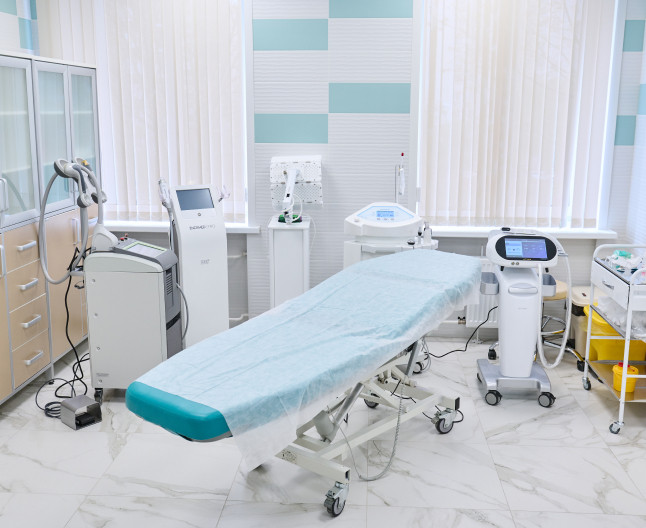
At the K+31 clinic, EEGs for children are performed taking into account age, temperament, and developmental characteristics. Neurophysiologists use modern equipment that records the smallest fluctuations in brain activity to accurately assess the functioning of the central nervous system.

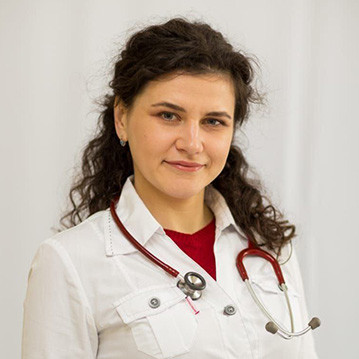
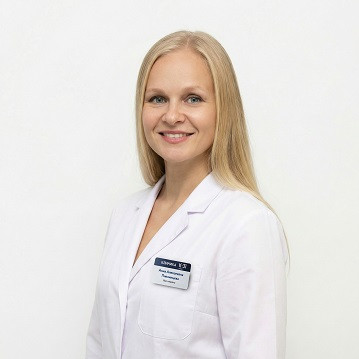
specialists

equipment

treatment




EEG wave types
On an electroencephalogram, the doctor sees a graphic image—rhythmic oscillations that reflect the activity of different areas of the brain. Each wave has its own frequency and amplitude, and therefore, its meaning.
- Alpha rhythm—is responsible for calm wakefulness. In a healthy child, it appears by 3–4 years of age and is most pronounced in a resting state with eyes closed.
- Beta rhythm—is associated with concentration, mental activity, and emotions. Its increase or decrease helps assess the level of anxiety and excitability.
- Theta rhythm—is characteristic of the sleep and relaxation phases. Excessive expression during wakefulness may indicate functional immaturity of the nervous system.
- Delta waves—slow oscillations that predominate during sleep. Their appearance during the day indicates pathological processes or the consequences of injuries.
When interpreting an EEG, the doctor evaluates the balance between these rhythms, their symmetry, and their response to stimuli. This helps to understand how harmoniously the child's brain is functioning.

Advantages and benefits of EEG
Electroencephalography remains one of the most popular methods of neurological diagnostics. Its advantages are particularly noticeable in pediatrics:
- Safety. The procedure is radiation-free and requires no injections or anesthesia.
- Informative. EEG records brain activity even in the absence of visible symptoms.
- Possibility of dynamic monitoring. The study can be repeated as many times as necessary without harm to the child.
- Flexible format. Daytime and nighttime EEG are available, as well as long-term video sleep monitoring, which allows for the detection of short-term changes in activity.
- Affordability. You can have your child's EEG performed at the K+31 clinic in Moscow without hospitalization—the procedure takes about an hour.
EEG is indispensable for selecting anticonvulsant therapy, monitoring the condition after injuries or surgeries, and assessing the development of premature babies.
Indications for EEG
An electroencephalogram is prescribed for a variety of reasons, both diagnostic and preventative.
Main indications:
- Seizures, convulsions, episodes of brief loss of consciousness
- Delayed speech or psychomotor development
- Difficulty falling asleep, nightmares, sleepwalking
- Headaches, dizziness, frequent complaints of fatigue
- Tics, increased excitability, neuroses
- History of traumatic brain injury
- Monitoring treatment for epilepsy or other neurological conditions
Sometimes an EEG is prescribed prophylactically—before entering school, during increased stress, or after infections—to ensure that brain activity has fully recovered.
General information
How is an EEG performed?
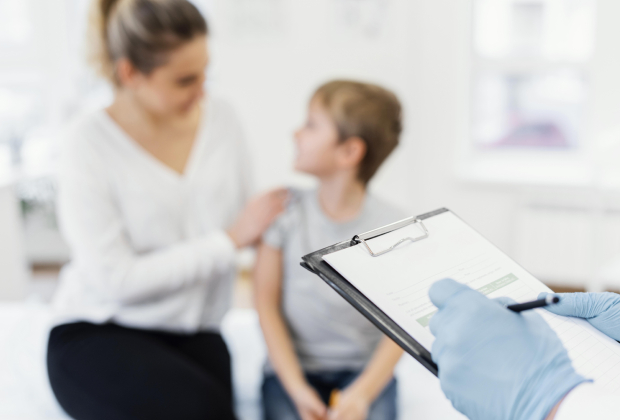
The test is performed in a special quiet room where the child can sit or lie quietly. A light mesh cap with electrodes is placed on the head, which detects electrical impulses from neurons. The skin under the electrodes is treated with gel to ensure better contact.
During the examination, the doctor asks the child to open and close their eyes, breathe more rapidly (hyperventilation test), and sometimes flashes of light. All this helps assess brain reactivity.
In children under one year old, an EEG is most often performed during sleep—natural sleep or after feeding. For older children, daytime or nighttime monitoring is possible, which records long-term brain activity along with a video recording of their behavior.
The procedure is completely painless. Most children tolerate the test well, and the data obtained is immediately transmitted to a neurologist.





FAQ
Can an EEG be performed at home?
Sometimes parents wonder if it's possible to have the test done without visiting a clinic. In theory, portable EEG devices can be used to record data at home, but the quality of such data is significantly inferior to that of stationary systems. At home, it's more difficult to ensure protection from electromagnetic interference and stable contact between the electrodes and the scalp. Therefore, for reliable results, testing at a medical center is preferable.
How does a child's emotional state affect the results?
A child's brain is very sensitive to stress. If a child is crying, afraid, or sleep-deprived, artifacts—false spikes in activity—appear in the recording. Therefore, before the procedure, it's important to reassure the child and explain that the EEG is simply a "magic cap" that helps the doctor see how their brain is working. At the K+31 clinic, the staff always tailors an individualized approach to ensure the little patient feels confident.
Can a child with a cold or fever have an EEG?
An acute illness can distort the results: the brain reacts differently during inflammation, and the child may be lethargic or irritable. If the child has a fever, the examination is postponed. If it's a mild cold without fever, the decision is made by a doctor after an examination.
How often are EEGs performed in children with epilepsy?
The frequency depends on the severity of the condition. On average, every 3-6 months, especially if medication dosages are adjusted. In stable remission, one test per year is sufficient. Regular testing helps the doctor monitor progress and adjust treatment.
What does a nighttime encephalogram reveal that isn't visible during the day?
During sleep, the brain functions differently: deep structures are activated, conscious control is reduced, and it is during this period that hidden foci of pathological activity become apparent. Nighttime monitoring allows us to identify nocturnal seizures, epileptic phenomena, sleep-disordered breathing, and behavioral disorders that aren't present during waking hours.
Are there any contraindications?
There are no absolute contraindications, as the method is safe. The examination should be postponed only in cases of purulent scalp lesions, fresh surgical incisions, or severe infections. After healing, EEG can be performed without restrictions.
Can EEG be combined with other brain studies?
Yes. EEG is often supplemented with neurosonography, MRI, or ultrasound of the neck vessels. These methods do not replace each other, but rather complement each other: EEG shows functional activity, and MRI shows brain structure. Combined analysis helps create a complete picture of the nervous system.
What should I do if my child is restless and unable to complete the procedure?
The doctors at K+31 Clinic have extensive experience working with active and emotional children. They use playful methods, short pauses, and story-like explanations. Sometimes breathing exercises or watching a cartoon can help. In most cases, we can obtain a high-quality recording without medication.
How do you know if an EEG reading is normal?
Parents don't need to interpret the graphs themselves—a neurophysiologist does this. The report always includes age-appropriate norms and a description of the characteristics. If any abnormalities are detected, the specialist will explain their meaning and advise whether therapy is needed or whether observation is sufficient.
Can I use results from another clinic?
Yes, if the recording was done on modern equipment and in the required mode. A K+31 doctor can re-interpret the results, compare the results, and recommend a repeat test if necessary.
An EEG helps us see what's invisible in regular images—the child's brain.
The key is to not be afraid of the examination and trust it to experienced specialists. At the K+31 Clinic, every patient receives attentive care and accurate results, based on which the doctor can select the optimal treatment and give parents confidence in their child's future.
The K+31 Medical Center has created all the necessary conditions to ensure a calm and safe diagnostic experience. Doctors pay attention not only to the technical aspects but also to the child's emotional state. You can schedule an appointment online or by phone—the administrators will help you choose a convenient time and format for the examination.
An EEG of the brain in a child is a reliable way to ensure that the nervous system is developing properly and the brain is functioning harmoniously.
Our doctors




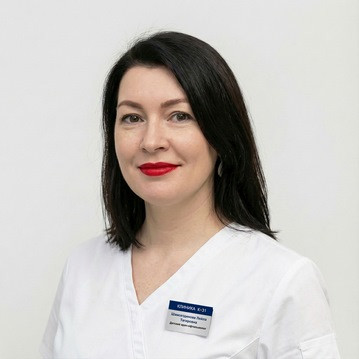
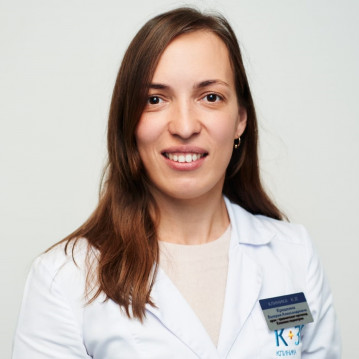
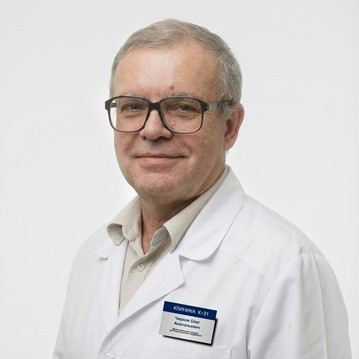
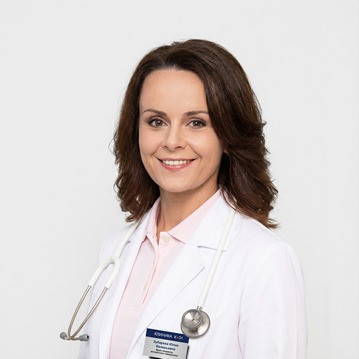
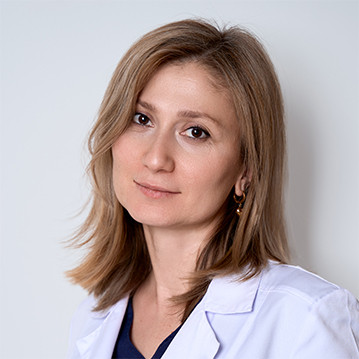
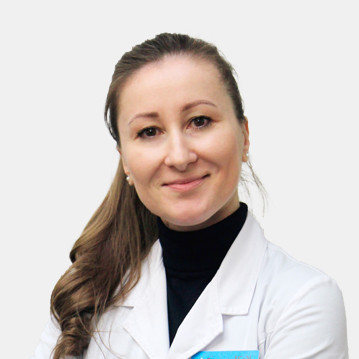
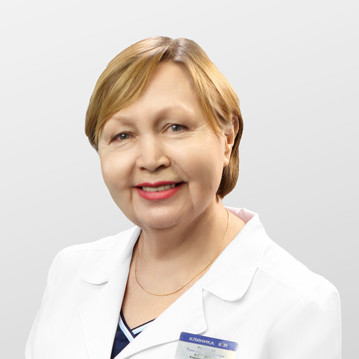
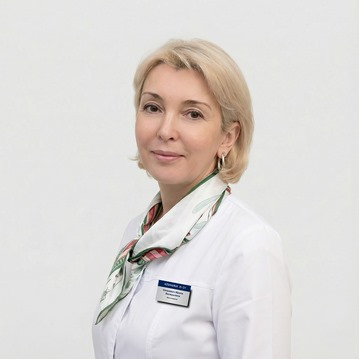






This award is given to clinics with the highest ratings according to user ratings, a large number of requests from this site, and in the absence of critical violations.

This award is given to clinics with the highest ratings according to user ratings. It means that the place is known, loved, and definitely worth visiting.

The ProDoctors portal collected 500 thousand reviews, compiled a rating of doctors based on them and awarded the best. We are proud that our doctors are among those awarded.
Make an appointment at a convenient time on the nearest date
Price
Other services

Appointment to the doctor
Reviews
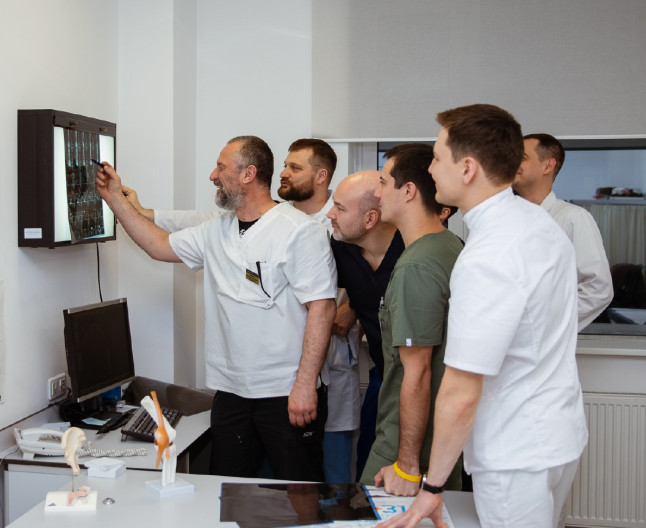







Our clinics


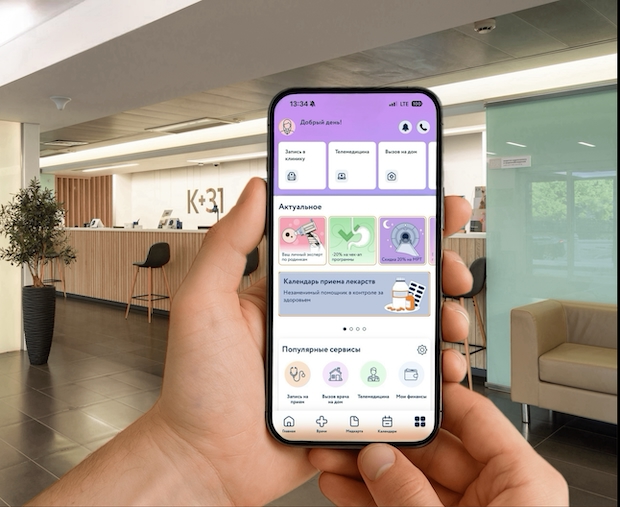
Application “Personal Account K+31”










Purpose of the study
Electroencephalography (EEG) is a method of recording the electrical activity of the brain. Each area of the cortex produces its own impulses, which reflect the level of wakefulness, concentration, or sleep.
EEG helps the doctor assess the state of neural networks and understand how different areas of the brain interact with each other.
The main goals of the study:
EEG is prescribed for children not only when neurological diseases are suspected. The study is also used for dynamic monitoring—for example, to ensure that development is age-appropriate and brain rhythms are forming correctly.