
Treatment of clubfoot in children
Clubfoot in children is one of the most common orthopedic conditions that parents encounter in the first days of their baby's life. According to statistics, clubfoot in newborns occurs in approximately two out of every thousand infants, more often in boys. This is a congenital pathology in which the child's foot is turned inward and downward, limited in movement, and does not bear weight on the entire surface. Without treatment, clubfoot leads to permanent deformity, gait disturbance, and problems with joints, the spine, and the development of the entire musculoskeletal system.
Modern orthopedics views the treatment of clubfoot in children not as a cosmetic correction, but as the restoration of the physiological position of the foot and normal biomechanics of movement. The sooner parents consult an orthopedist, the higher the chance of a full recovery without surgery. Treatment should begin within the first few weeks after birth – this is when the baby's tissues are most pliable and respond well to conservative correction.

specialists

equipment

treatment




Classification of сlubfoot
To help a doctor choose the optimal treatment method, it is important to accurately determine the type and severity of the deformity. Several classifications are used in orthopedics.
Bohm сlassification
Bohm's system divides clubfoot in children into flexible and rigid forms.
- Flexible (or pliable) form – typical for newborns. The foot easily returns to its correct position with passive movements.
- Rigid (rigid) form – the deformity is persistent, difficult to correct, and often requires surgical intervention.
Doctors note that flexible clubfoot, with early treatment, is completely corrected with conservative methods, especially in newborns.
Zatsepin's сlassification
Russian orthopedist Zatsepin proposed a classification based on severity, identifying four levels:
- Mild – slight deviation of the foot, corrected with massage and soft bandages.
- Moderate – requires long-term fixation with plaster casts and observation.
- Severe – severe deformity, accompanied by impaired bone growth.
- Extremely severe – combined with other congenital pathologies, often requires surgical correction.
This classification helps the doctor select an individual treatment method and assess the dynamics of foot development over the years.
Ponseti сlassification
American orthopedist Ignacio Ponseti proposed a practical classification based on tissue flexibility and deformity angles. The Ponseti method is now recognized as the gold standard for treating clubfoot in children. According to this system, each case is assessed on a Pirani scale, ranging from 0 to 6 points. The higher the score, the more severe the pathology and the more difficult the treatment.
Causes of clubfoot
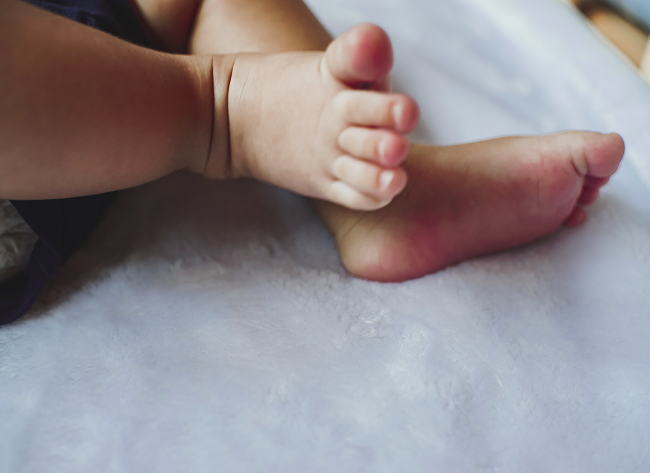
The causes of clubfoot are not fully understood, but doctors identify several factors that influence the development of the deformity.
Congenital Clubfoot
Congenital clubfoot develops in the womb. Causes include:
- Hereditary factors – if one of the parents had clubfoot, the risk increases.
- Abnormal intrauterine fetal position
- Anomalies in the development of the musculoskeletal system
- The effects of toxicosis, infections, and the use of certain medications during pregnancy.
In such cases, the foot deformity is present at birth, and treatment for clubfoot in children begins in the first weeks of life. Early diagnosis allows for conservative correction of the foot position, without surgery.

Acquired clubfoot
The acquired form is less common and develops in older age. Its causes include:
- Trauma to the lower leg or foot
- Neurological diseases (e.g., cerebral palsy)
- Burns, soft tissue scarring
- Consequences of improper shoe wear
In these cases, treatment requires a comprehensive approach—the participation of an orthopedist, neurologist, and physical therapist.
Symptoms of clubfoot
Clubfoot in newborns is easy to recognize. Key signs:
- The foot is turned inward and downward, with the outer edge higher than the inner edge.
- The toes are bent, the heel is raised.
- Movement is limited, and the foot appears to be "twisted" inward.
- When trying to stand the child upright, they lean on the outer edge of the foot rather than the entire foot.
In older children, an altered gait is noticeable: the child places their foot inward, tires quickly when walking, and may complain of pain in the calves or ankles.
If clubfoot is left untreated, pelvic asymmetry, spinal curvature, and joint arthrosis develop over time. This is why it is important to begin treatment immediately after diagnosis, while the deformity is still mild and easily corrected.
Diagnosis of clubfoot
Early diagnosis is the key to successful treatment of clubfoot in children. An experienced orthopedist can detect the deformity during the first examination of a newborn. It is important for parents to promptly seek treatment: the sooner treatment begins, the lower the risk of developing permanent foot pathology and gait disturbance.
Physical diagnosis
The basis of the initial examination is a physical examination. The orthopedist evaluates:
- Foot position at rest and during passive movement
- Symmetry of the shins and heels
- Joint mobility
- Muscle tone and development
If the foot easily returns to its correct position, it is considered a mild form of deformity. When movement is limited and the tissues are dense, the doctor suspects a more complex congenital form.
A correction test is also used: the specialist gently extends and rotates the foot, assessing tissue resistance. For clubfoot in newborns, this test helps determine whether conservative or surgical treatment is appropriate.
Instrumental diagnostics
To determine the degree of deformity and the involvement of bone structures, the following are prescribed:
- X-rays of the feet in several projections – helps assess the bone axes and the position of the talus and calcaneus
- Ultrasound of the joints – used in newborns, when X-rays are still uninformative
- Computer tomography or magnetic resonance imaging – in complex cases requiring precise visualization of all elements of the foot
Based on the examination results, the doctor determines the degree of deformity, selects an individual treatment plan, and assesses the prognosis for foot development as the child grows.
Differential diagnosis
Sometimes clubfoot in children is confused with other disorders, such as muscle contracture or congenital torticollis. It is important to rule out these conditions to avoid wasting time on ineffective treatment. Differential diagnosis is performed by an orthopedist in conjunction with a neurologist and, if necessary, a geneticist.
Parents should remember: an accurate diagnosis is not a formality, but the foundation of proper treatment. Even if it seems that the foot position will "correct itself with age," without medical supervision, the deformity usually progresses.
Clubfoot treatment methods
Modern approaches are based on the principles of gentle correction. The main goal is to restore the anatomical position of the foot and strengthen the muscles and ligaments without damaging the tissue. Doctors emphasize that treatment of clubfoot in children should begin immediately after diagnosis.
Conservative treatment
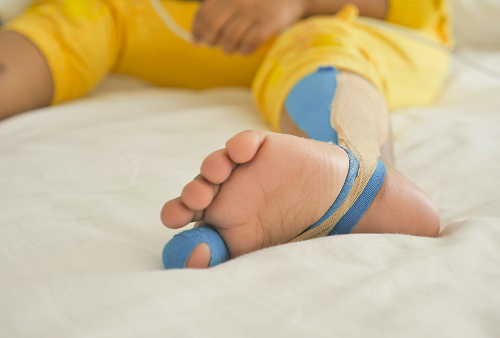
Conservative treatment is the mainstay of therapy for congenital clubfoot in newborns. It relies on gradual correction of the foot's position using plaster casts and special orthopedic devices.
The most effective method is the Ponseti method, recognized as the "gold standard" worldwide. It involves gradual, gentle correction of the foot with weekly plaster cast immobilization. Each week, the orthopedist slightly adjusts the foot's position, gradually restoring the correct alignment.
Ponseti method stages:
- Series of plaster cast corrections – usually 5–7 cast changes are required.
- Minor surgery (tenotomy) – if necessary, the Achilles tendon is cut under local anesthesia to relieve tension and return the heel to its proper position.
- Braising – after the cast is removed, the feet are fixed in orthoses (brace) for 23 hours a day for the first three months.
- Maintenance stage – from the 4th month, braces are worn only at night and during sleep until the child is 3–4 years old.
This approach allows for complete correction of the deformity without surgery. Parents must strictly follow the doctor's recommendations, otherwise there is a risk of relapse.
In addition to casting, the following are used:
- Physical therapy
- Massage
- Physiotherapy
The orthopedist monitors the results weekly. Positive changes are visible within a few weeks: the foot straightens, and movement becomes freer.
Surgical treatment
Surgical intervention is used only in severe or advanced cases when conservative correction has failed.
The surgery aims to restore the anatomical position of the bones and tendons, as well as to correct the rigid deformity.
Main types of surgeries:
- Lengthening of the Achilles tendon or flexor tendons
- Tendon grafting to restore balance between muscles
- Correction of foot bones – osteotomy (fracture and fixation of bones in the correct position)
Modern methods allow for minimally invasive interventions, with rapid recovery and good functional results. After surgery, the child must undergo a course of physiotherapy and rehabilitation under the supervision of an orthopedist.
Orthotics and supportive therapy
After the main treatment, it is important to consolidate the achieved results. For this purpose, the following are used:
- Orthopedic braces or shoes with fixing elements
- Custom-made insoles
- Regular check-ups
Parents should remember: even after complete correction of the child's foot shape, the muscles remain weakened for a long time. Therefore, an orthopedist may recommend swimming, gymnastics, and barefoot walking on uneven surfaces – all of these help develop the foot and prevent relapse.
General information
Possible complications of clubfoot
Delayed or incomplete treatment of clubfoot in children can lead to serious consequences. Without correction, not only the shape of the foot but also the overall development of the musculoskeletal system is disrupted.
If a child walks with this deformity, the load on the joints is distributed unevenly, the calf and thigh muscles develop improperly, and the gait becomes unsteady. Complications such as:
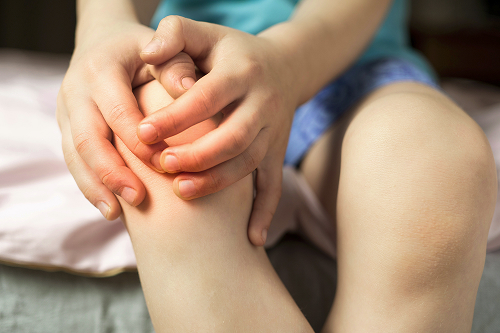
- Chronic pain in the feet and knees
- Corns and calluses due to constant pressure on the outer edge of the foot
- Secondary spinal deformity (scoliosis, lordosis)
- Early development of osteoarthritis
- Limited mobility and fatigue when walking
In severe cases, the pathology may be accompanied by delays in physical development: the child begins walking late, avoids active play, and tires quickly. This is not only a physical but also a psychological problem – children with clubfoot often feel self-conscious about their gait and shoes.
It is important to understand that such complications are preventable if treatment is started promptly. Even with severe deformities, modern methods, including conservative therapy using the Ponseti method, can achieve lasting results without surgery.
Why is it better to treat clubfoot in children at the K+31 clinic?
Treating clubfoot in children requires high precision, experience, and an individualized approach. The K+31 Clinic is a modern medical center where diagnosis and treatment of congenital and acquired foot deformities are performed according to international standards.
Comprehensive approach and accurate diagnostics
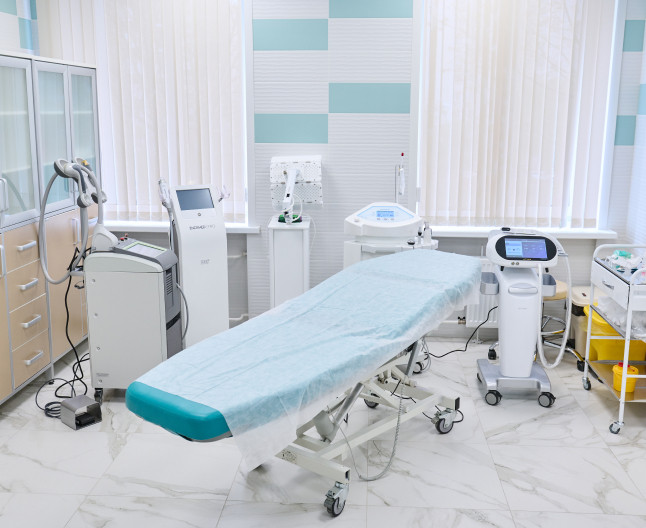
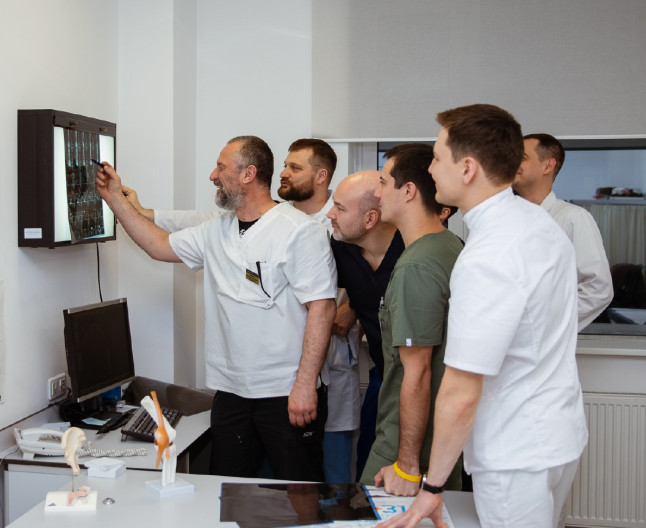
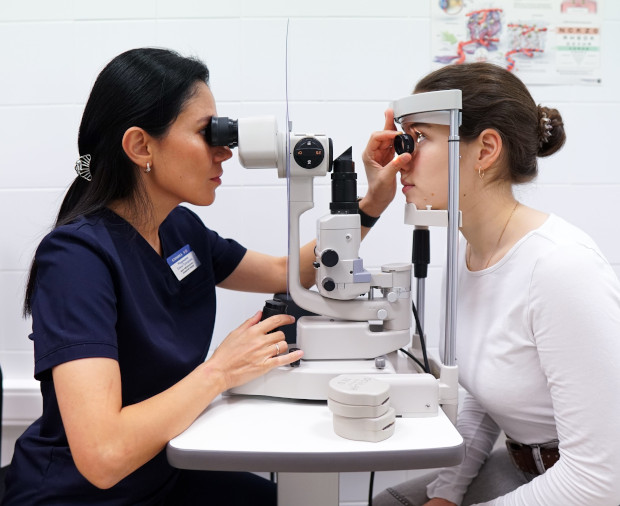
The clinic employs qualified orthopedic surgeons who conduct a complete examination of the child, including physical and instrumental methods. We use digital X-ray systems and ultrasound equipment, which is safe even for newborns.
Diagnosis is based on an assessment of not only the shape of the foot, but also the condition of the musculoskeletal system, gait, posture, and overall development. This approach allows us to identify even hidden forms of pathology and choose the optimal treatment.
Modern treatment methods
The main principle of K+31 doctors is gentle and safe foot restoration. When treating clubfoot in children, we use the international Ponseti method, recognized as the most effective and physiological. It allows for correction of the deformity without surgery, with minimal discomfort for the child.
An individual program is developed for each patient, including:
- Gradual correction with plaster casts
- Maintenance of the result with orthopedic braces
- Massage and exercise therapy under the supervision of a specialist
- Physiotherapy procedures to strengthen muscles
In severe cases, minimally invasive surgeries are performed, followed by rehabilitation. All procedures are performed in a comfortable environment, and parents receive detailed recommendations for care and prevention.
Experience and comfort
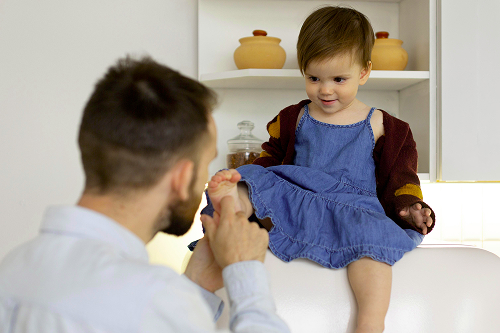
The K+31 Clinic places special emphasis on pediatric orthopedics. We create a relaxed environment for children: cozy offices, friendly staff, and the option for parents to be present during examinations.
Treatment is provided by experienced doctors specializing in pediatric orthopedics. Each case is assessed individually, taking into account the child's age, degree of deformity, and overall condition.
Parental support
Parents are key participants in the process. Therefore, the clinic's doctors teach them how to wear braces, exercise, and preventative measures. Family support makes treatment more effective and reduces the risk of relapse.
At K+31, we believe that the success of therapy depends on the trust between the doctor and parents. That's why all stages of treatment are transparent, from diagnosis to final rehabilitation.
Conclusion
Clubfoot in newborns is not a death sentence, but a correctable pathology. Modern methods, an experienced doctor, and the parents' attention can fully restore the shape and function of the foot. The key is to not delay a visit to an orthopedist and begin treatment promptly.
The K+31 Clinic offers comprehensive care for children with clubfoot: from accurate diagnosis to complete gait restoration. We combine international treatment standards with an individualized approach and care for each child.
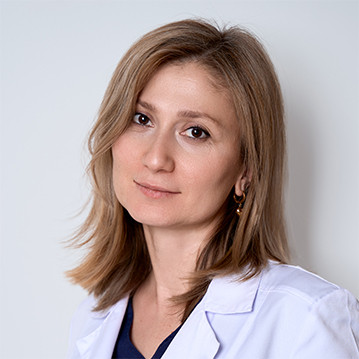
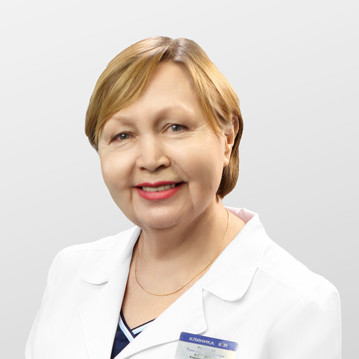
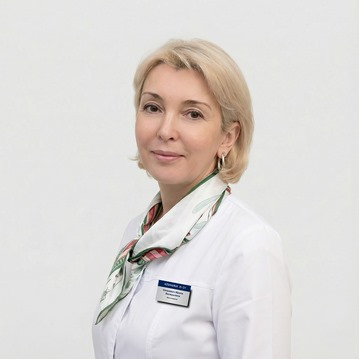
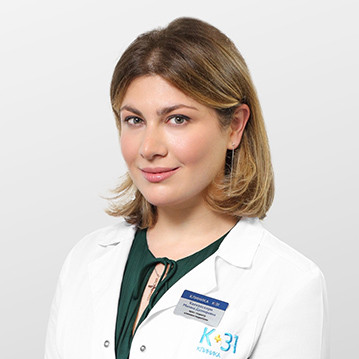
Our doctors




















This award is given to clinics with the highest ratings according to user ratings, a large number of requests from this site, and in the absence of critical violations.

This award is given to clinics with the highest ratings according to user ratings. It means that the place is known, loved, and definitely worth visiting.

The ProDoctors portal collected 500 thousand reviews, compiled a rating of doctors based on them and awarded the best. We are proud that our doctors are among those awarded.
Make an appointment at a convenient time on the nearest date
Price
Other services

Appointment to the doctor
Reviews




Our clinics


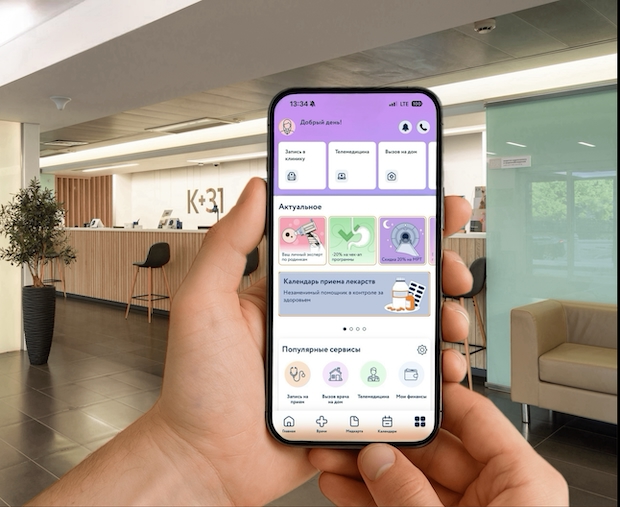
Application “Personal Account K+31”











General information about clubfoot
Clubfoot is a congenital deformity in which a child's foot deviates from its normal position in three planes: it is turned inward (supination), dropped downward (equinus), and brought toward the body's midline (adduction). Upon examination, the doctor notes that the foot appears shortened, with its outer edge convex and its inner edge concave. Depending on the severity of the pathology, the foot may be flexible or rigid.
It is important for parents to understand that clubfoot is not a consequence of abnormal foot positioning in the womb or a "developmental peculiarity," but a complex orthopedic pathology requiring systemic treatment. Without treatment, calf muscle development is impaired, gait changes, and the child begins to lean on the outer edge of the foot, leading to joint and spinal deformities.
Modern diagnostic methods make it possible to detect the condition in the maternity hospital. An orthopedist examines the newborn and evaluates the symmetry of the feet, range of motion, and position of the lower leg. If a congenital form is detected, treatment begins immediately – the younger the child, the softer the tissues and the better the correction results.