
Newborn Care
Newborn care is necessary to monitor the baby's condition in the first days and weeks of life after returning from the hospital. Our clinic organizes on-site check-ups. A doctor visits the young patient at home, examines them, checks on their adaptation, and provides practical recommendations on feeding, sleep, and hygiene. Parents do not need to go to the clinic immediately after discharge, as the check-up takes place at home.
The neonatologist or pediatrician also works with a visiting nurse, who can act as their substitute. They show the new mother how to safely care for the navel, how to care for the skin, and how to organize everyday life to make it easier for both mother and baby. The mobile format is a lifesaver for new parents, especially when their newborn is restless and it's crucial for parents to receive qualified care in the comfort of their own home.

specialists

equipment

treatment



Timing and frequency of patronage
The timing depends on the baby's condition and the post-natal care recommendations: ideally, the first contact with the doctor occurs as early as possible, and then the care schedule is adjusted based on the baby's weight, nutrition, and overall well-being. Some mothers only need a few visits, while others require more frequent monitoring—especially if the baby was born prematurely, there are feeding difficulties, or the mother requires support with caregiving.
Important: caregiving is not a formality, but a calm, regular monitoring that helps detect changes early and prevent emergency visits.
Initial (Baby Care)
The newborn's initial home care is usually conducted in the days following discharge to assess adaptation to home and check key parameters. During the initial visit, the doctor clarifies how the birth went, what was recommended for the maternity hospital, feeding and sleep arrangements, and performs a basic examination.
- Assessment of general condition, skin color, breathing, and temperature
- Monitoring body weight and feeding habits
- Examination of the umbilical cord, skin, and mucous membranes
- Assessment of reflexes and tone appropriate to age
- Recommendations for care, routine, and safe home organization
After this, parents receive clear guidelines: what is considered normal in the first weeks of life and signs that prompt them to contact the doctor before the next visit.
Second and Third Visits
The second and third visits are conducted to monitor the baby's progress: how the baby is gaining weight, how behavior is changing, and whether there are any complications with the skin, stomach, or sleep. Sometimes these visits are conducted by a pediatrician, and in some programs, a nurse is involved to reinforce care skills and answer everyday questions that usually arise after a few days.
Usually by this point, parents have a better understanding of their baby's routine, so the visit becomes more focused: they adjust recommendations, discuss colic prevention, skin care, and creating a safe space at home.
How is home care provided for a newborn baby?

Home visits for newborns are conducted in a calm environment and begin with a short conversation: how the last 24 hours have gone, how often feedings are taking place, how many wet diapers there are, and how the mother is sleeping. The doctor then moves on to an examination and records the baby's diapers to ensure consistent monitoring from visit to visit.
How parents can prepare for home visits
Preparation is simple, but it makes the visit as useful as possible. It's best to select a well-lit area in advance, prepare a diaper, clean wipes, and, if available, the hospital discharge letter and screening results. This way, the doctor will get a better picture and won't have to search around the house for documents.
- Ventilate the room and ensure a comfortable temperature.
- Prepare the examination area (flat surface, clean diaper).
- Collect questions about feeding, sleep, care, and daily routine.
- Prepare documents: discharge letter, recommendations, weight data (if recorded).
- Think about who will be present: the mother, the other parent, or a helper, so as not to be distracted.
After such a mini-plan, the home visit goes faster and more smoothly: the doctor has time to examine the baby and give specific recommendations, rather than waste time on organizational details.
What will the pediatrician check and examine?
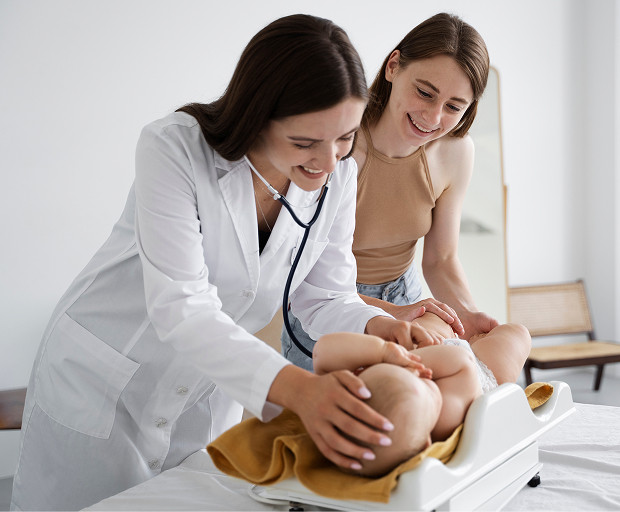
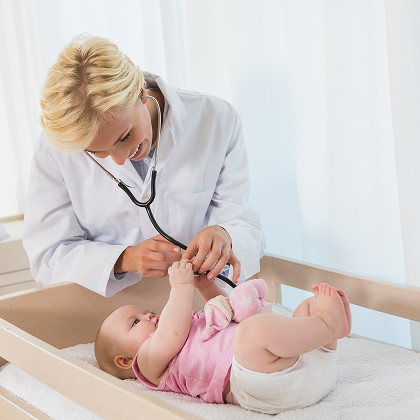
The pediatrician looks at the child holistically: not only whether there are any problems, but also how the child is adapting to life outside the maternity hospital. The doctor assesses the skin, breathing, heart rate, abdomen, reflexes, and tone, and also pays attention to behavior and response to stimuli—this is an important part of early monitoring.
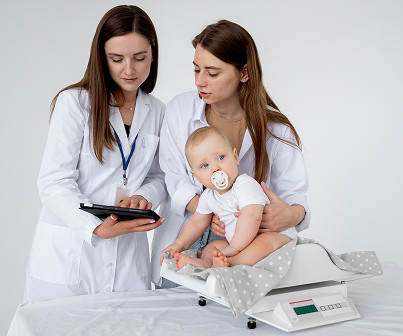
- Weight measurement
- Feeding and hydration assessment
- Skin examination: rash, irritation, jaundice, diaper rash
- Umbilical cord inspection and care recommendations
- Assessment of breathing, heart sounds, and temperature
- Approximate neurological assessment by age
After the examination, the doctor formulates a clear plan: what to do at home, what signs to consider alarming, when a follow-up visit is needed, and whether a nurse should be involved for care assistance. This is especially valuable in the first month, when parents have many questions and trips to the clinic can be difficult.
Why is it better to seek newborn care at the K+31 clinic?
When newborn care is needed, speed and convenience are key: quickly schedule an appointment, confirm the visit, and contact the doctor if the baby's condition changes. At K+31, this is made easier through our user-friendly home visit service and online booking.
Plus, the clinic is multidisciplinary: if additional consultations or tests are needed following the examination, we can arrange for monitoring in one location. Paid newborn care helps coordinate the day and time of the visit in advance, so the mother can plan her recovery with peace of mind.
Frequently asked questions and answers
Is well-child visitation mandatory for a newborn in the first month of life?
What should I do if a scheduled well-child visit doesn't take place?
How should I organize my child's care after well-child visits?
Our doctors












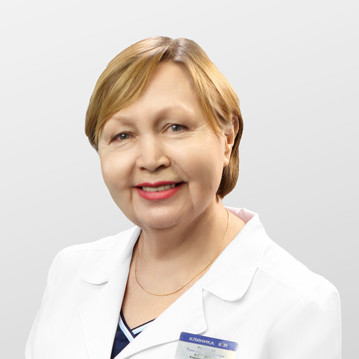
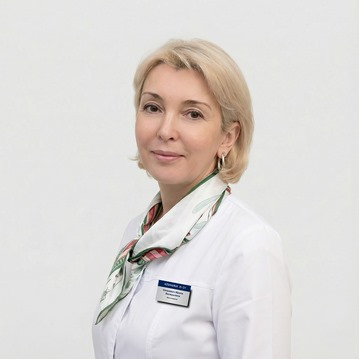

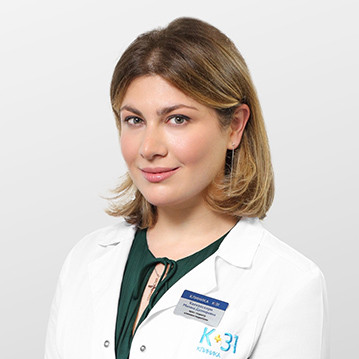
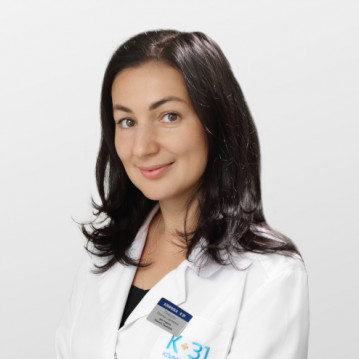
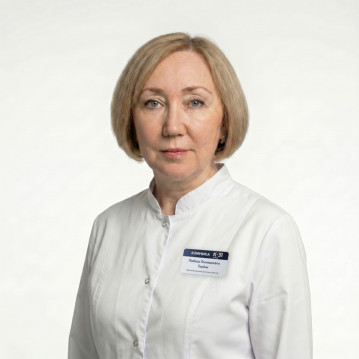
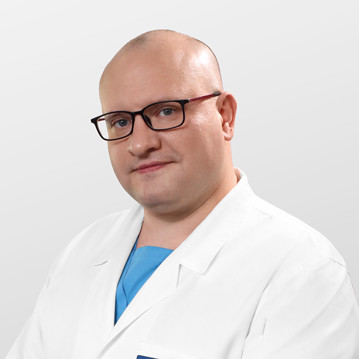

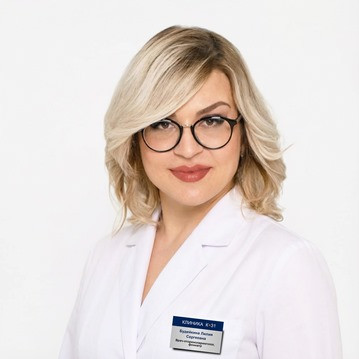

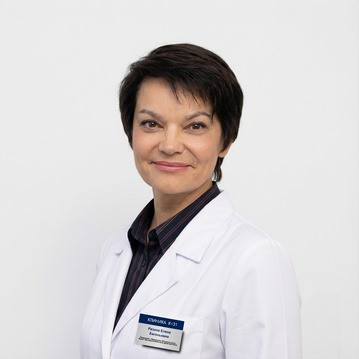










This award is given to clinics with the highest ratings according to user ratings, a large number of requests from this site, and in the absence of critical violations.

This award is given to clinics with the highest ratings according to user ratings. It means that the place is known, loved, and definitely worth visiting.

The ProDoctors portal collected 500 thousand reviews, compiled a rating of doctors based on them and awarded the best. We are proud that our doctors are among those awarded.
Make an appointment at a convenient time on the nearest date
Price
Other services

Appointment to the doctor
Reviews


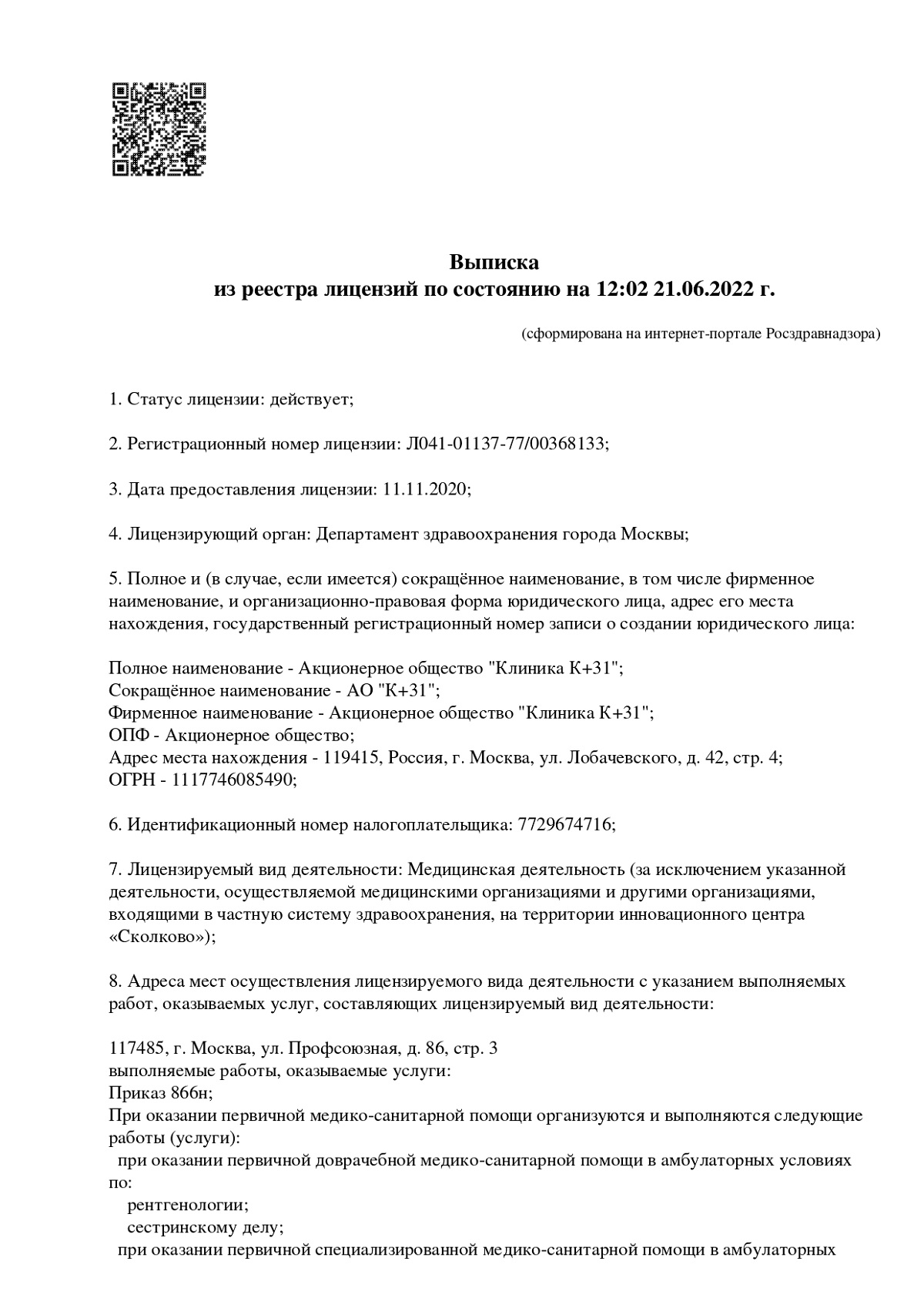
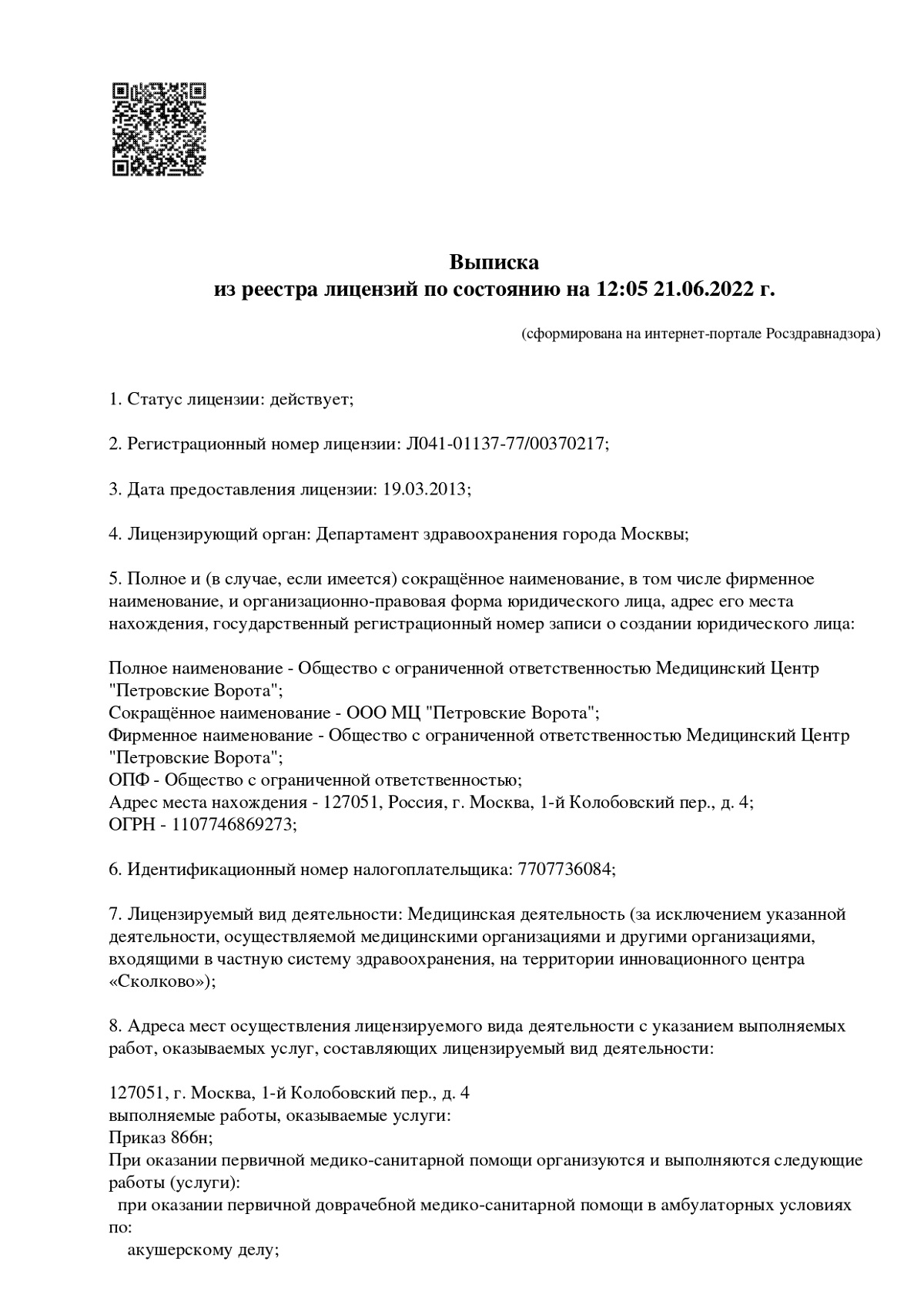
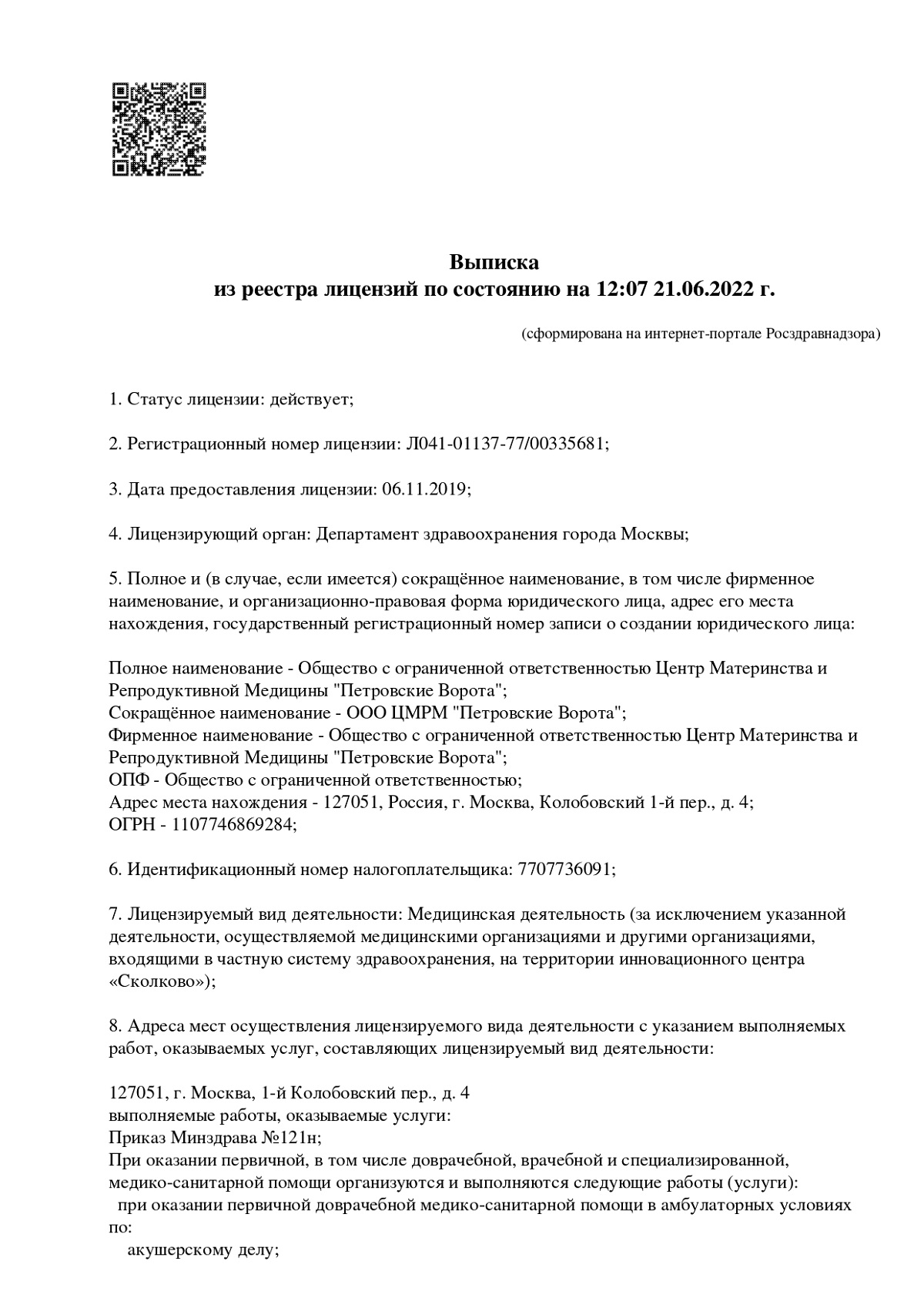
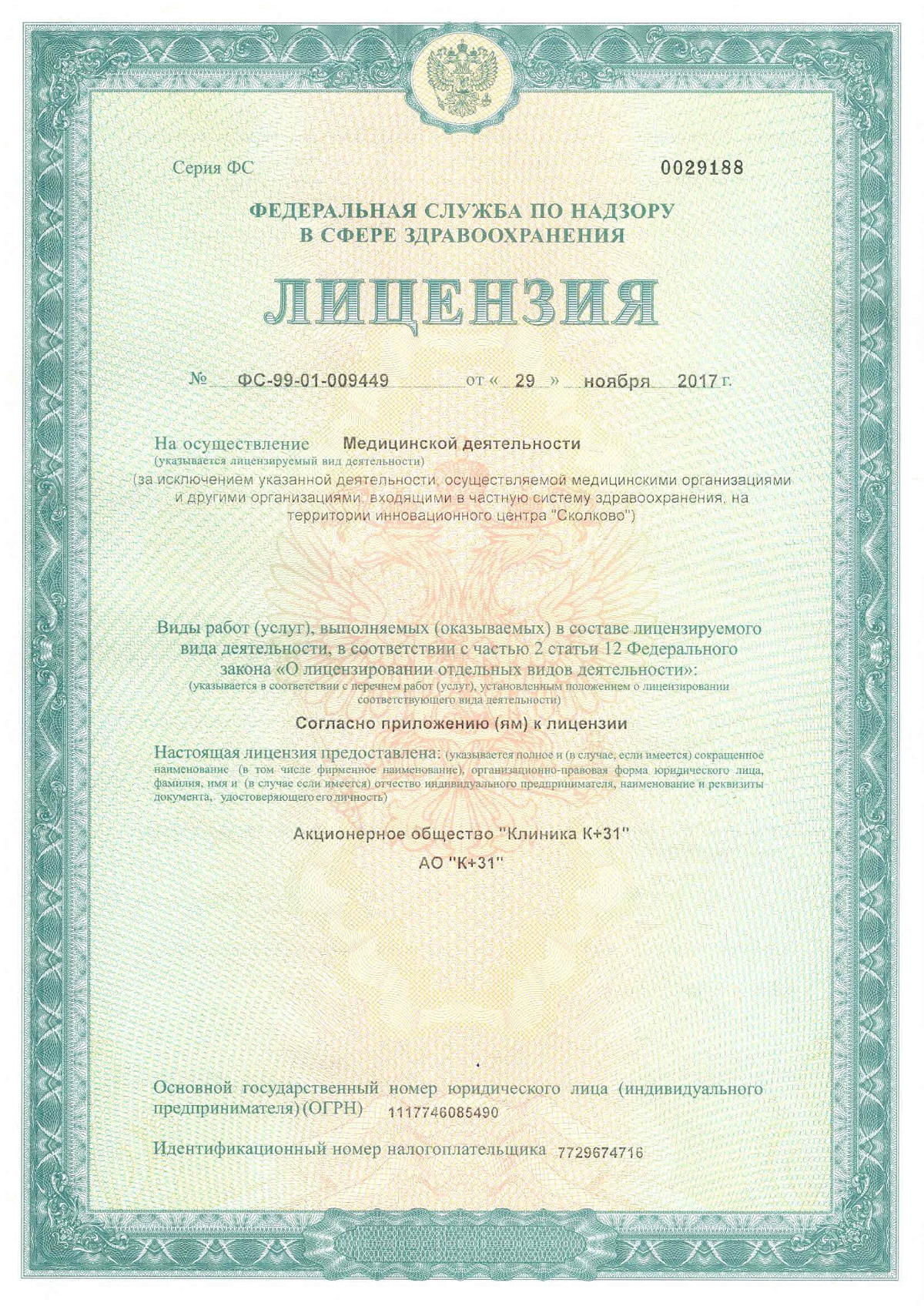
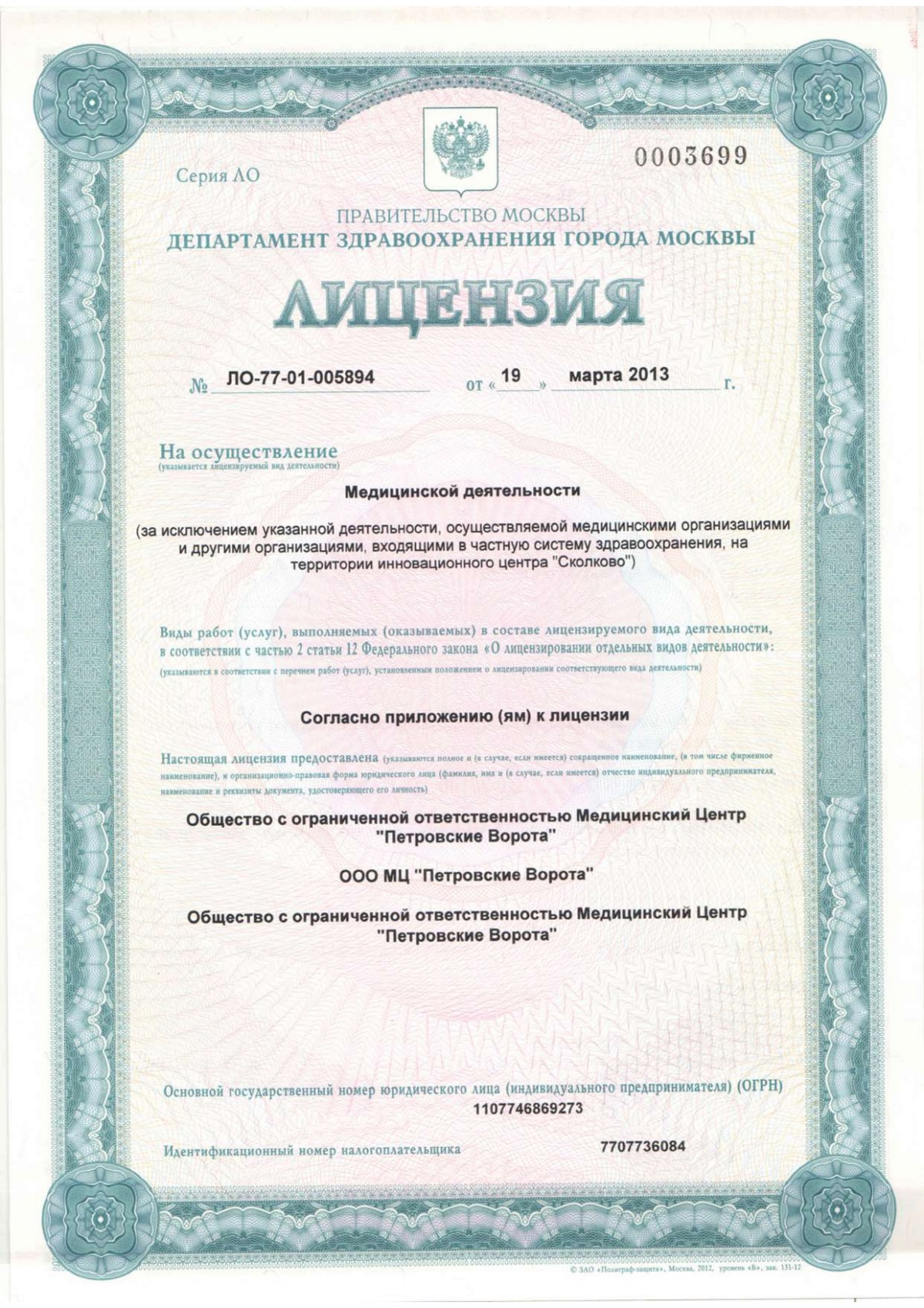
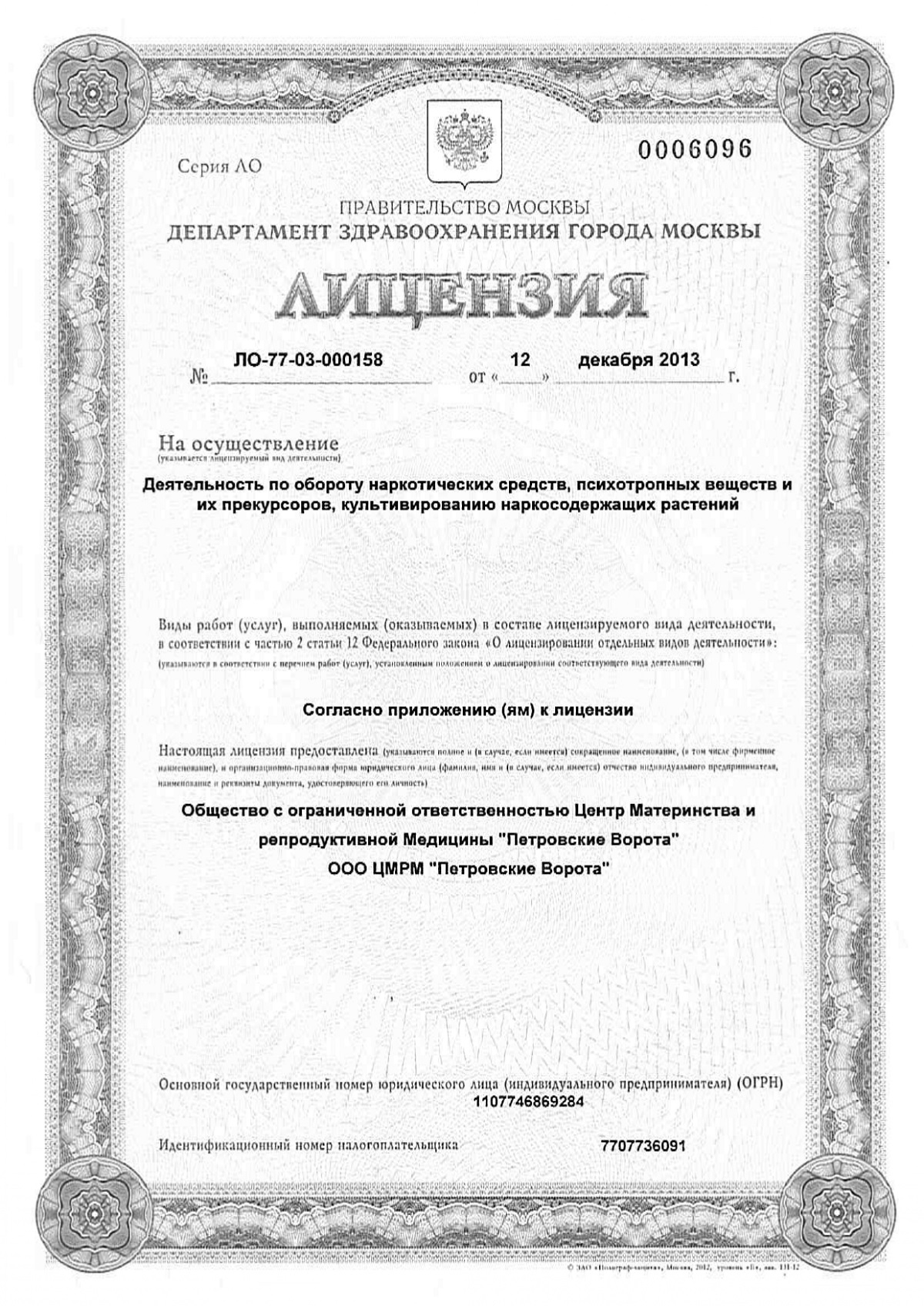
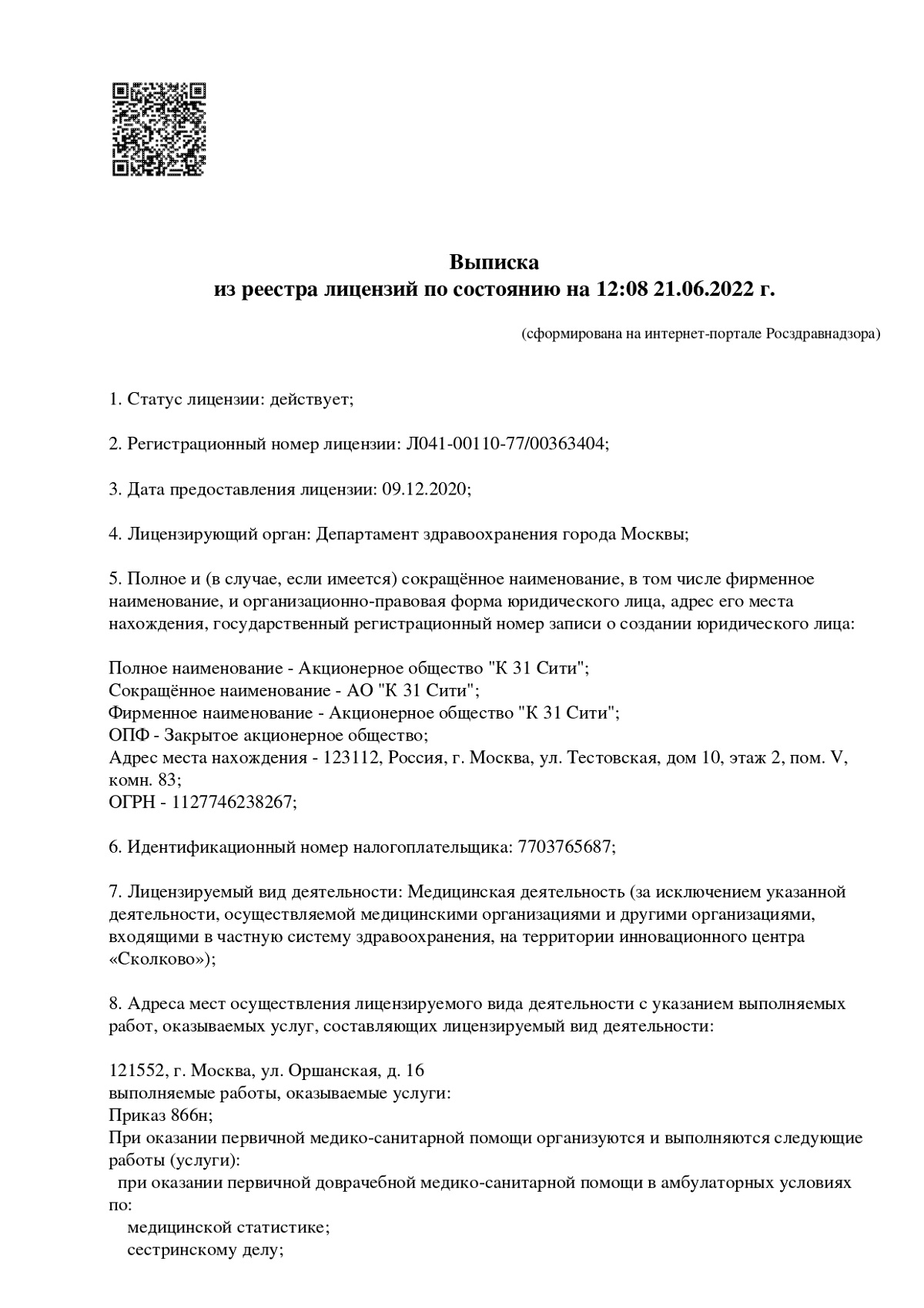
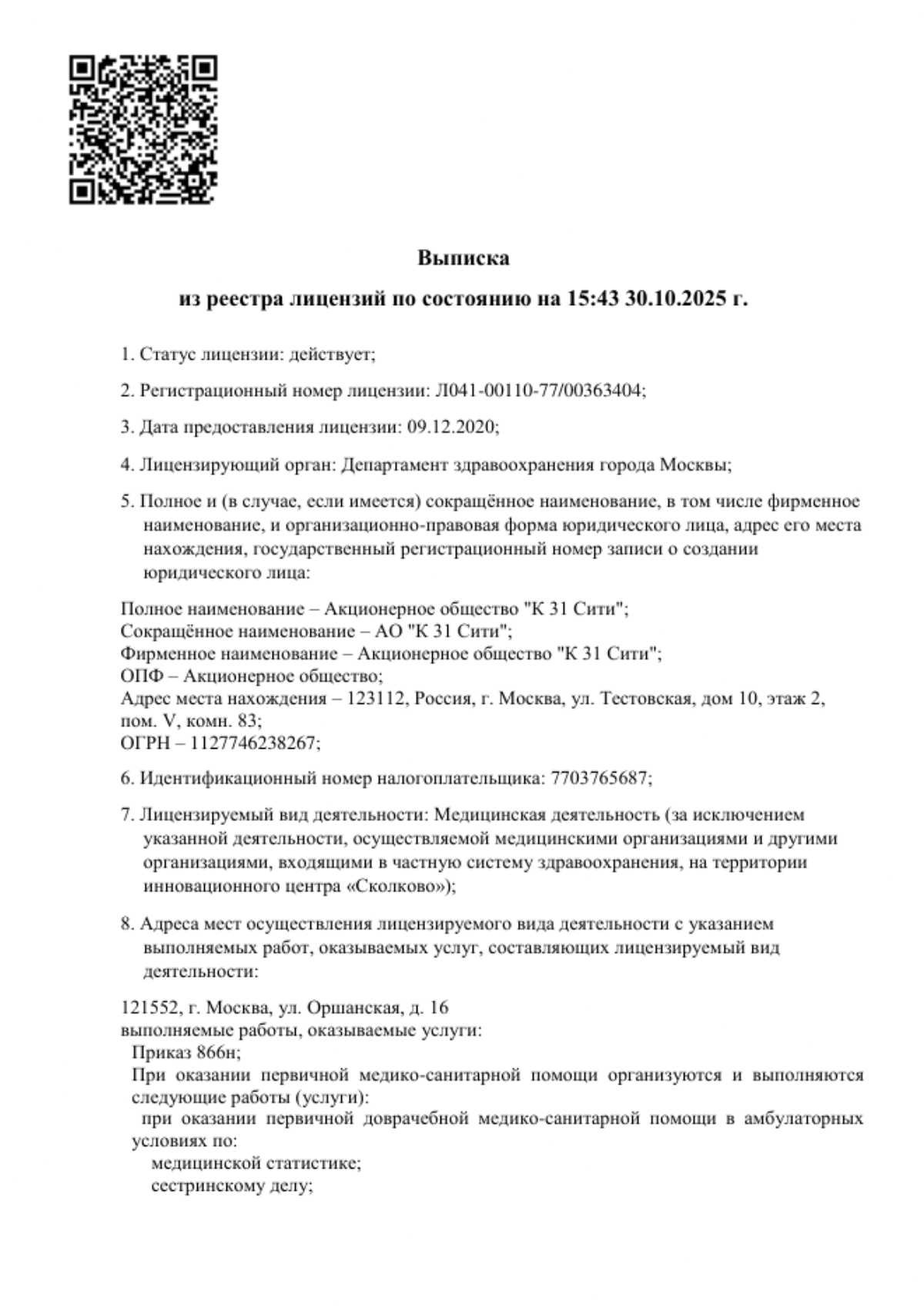
Our clinics


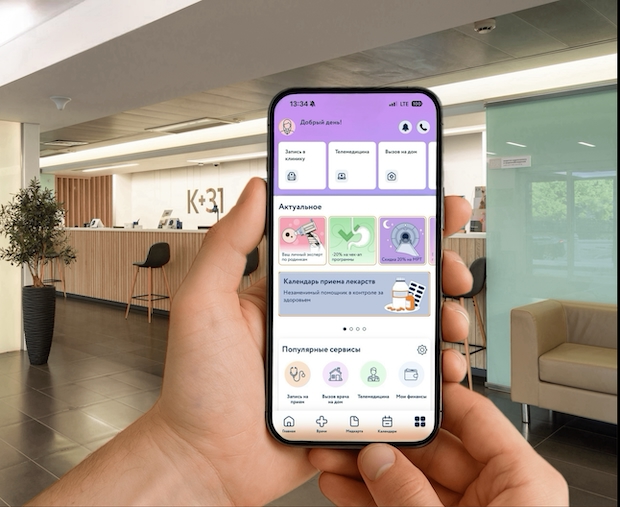
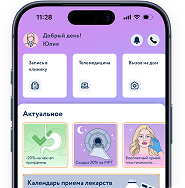
Application “Personal Account K+31”











When should you call a neonatologist to your home?
A neonatologist is needed when the question concerns the early neonatal period: weight, jaundice, skin characteristics, breathing, thermoregulation, and general well-being. During the first days and weeks, some changes are normal, but sometimes require closer monitoring – and it's best to discuss this immediately during a well-child visit.
After the examination, the specialist will explain how often and how often the newborn should be monitored and will create a clear monitoring plan for the next month – so that parents understand what to do next and when to return for a follow-up visit.