
Treatment of stomatitis in children
When a child's mouth is inflamed, any touch or sip of water can be painful. Parents are often confused: how to treat the sores, is the virus dangerous, and can they feed their baby? To understand the correct course of action, it's important to understand what stomatitis in children is, why it occurs, and how modern doctors treat it.

specialists

equipment

treatment



Causes of stomatitis in children
The main cause is an infection in the child's mouth. This can be a virus, bacteria, or fungus. Often, inflammation is caused by the herpes virus, candidiasis, or streptococcus.
But microbes aren't the only triggers. Injuries to the palate with a spoon, burns from hot food, allergies to food or toothpaste, and vitamin deficiencies can all weaken the mucous membrane.
Parents often notice that after a cold or antibiotic treatment, their child suddenly complains of mouth pain. This is easily explained – viral stomatitis in children often develops due to a weakened immune system, when the mucous membrane is unprotected. Risk factors:
- Weakened immunity, frequent colds
- Poor oral hygiene
- Contact with toys and objects containing germs
- Vitamin deficiency, especially a lack of vitamins B and C
- Allergies to foods or medications
- Mechanical trauma to the mucous membrane – bites, sharp teeth, a hard toothbrush
- Fever and dry mouth are typical companions of viral infections
If a child's immune system is weakened, inflammation of the oral mucosa develops more quickly, and recovery takes longer. Therefore, it is important for the doctor to understand not only the cause of stomatitis, but also the internal and external conditions that contributed to its occurrence.
Classification and types of stomatitis
Doctors distinguish several forms of the disease. Each requires its own approach to treatment. Correctly identifying the type is important, as it determines the medications the dentist will prescribe.
Herpetic stomatitis
The most common viral stomatitis in children. It is caused by the herpes simplex virus. The illness begins acutely: fever up to 38°C (100.4°F), weakness, and refusal to eat. Blisters appear on the mucous membranes, which quickly burst, forming painful erosions.
Herpetic stomatitis is especially severe in children under 3 years of age. In infants, stomatitis can affect the lips and skin around the mouth. Treatment includes antiviral medications, topical antiseptics, and drinking plenty of fluids.
Candidal stomatitis
It is caused by Candida fungi. It often appears in infants in the first months of life as a white coating on the tongue and inner cheeks. In these children, the mucous membranes appear as if covered in cottage cheese.
Treatment of thrush in children involves antifungal medications, as well as dietary and intestinal microflora adjustments. It is important not to confuse the fungal form with milk residue—the coating from a fungal infection is difficult to remove and leaves a red surface.
Aphthous stomatitis
Aphthous stomatitis in children is characterized by the formation of single or multiple ulcers—aphthae—with a red border and a white plaque in the center. The condition can be caused by allergies, viral infections, or systemic metabolic disorders.
Treatment of aphthous stomatitis in children requires a comprehensive approach: anti-inflammatory therapy, local anesthesia, antiseptics, and gastrointestinal monitoring. Without medical attention, the condition can become chronic.
Allergic stomatitis
It occurs in response to irritants such as food, medications, and hygiene products. It often develops after changing toothpaste or taking antibiotics. The child experiences redness, swelling, and a burning sensation in the mouth.
The main treatment is to eliminate the allergen. After this, the mucous membrane quickly recovers. The doctor prescribes antihistamines and mild antiseptics for oral hygiene.
Bacterial stomatitis
It often develops after a mucosal injury, when bacteria enter the wound. Due to a weakened immune system, the inflammation progresses: the mucosa becomes red, and purulent plaque appears.
Treatment includes topical antibacterial agents, antiseptic rinses, and sometimes a course of antibiotics.
Traumatic stomatitis
Occurs due to mechanical damage to the mucous membrane—bites, sharp teeth, or ill-fitting dentures in adolescents. If the cause of the injury is not addressed, the inflammation returns.
Enterovirus stomatitis
A rare but severe form caused by the Coxsackievirus. The disease is accompanied by a rash not only in the mouth but also on the palms and soles. The child has a high fever and pain when swallowing.
Treatment is aimed at relieving symptoms and preventing dehydration; there are no specific anti-enteroviral medications.
Symptoms of stomatitis in children
Symptoms vary depending on the form, but the general signs remain:
- Redness and swelling of the mucous membrane
- Mouth pain, especially when eating
- Fever
- Bad breath
- Loss of appetite, irritability
- Sometimes, swollen lymph nodes
In young children, the inflammation may be accompanied by drooling and tearfulness. Parents should pay attention to any complaints their child makes, especially if they refuse to eat – this is one of the early signs of the disease.

Diagnosis of stomatitis
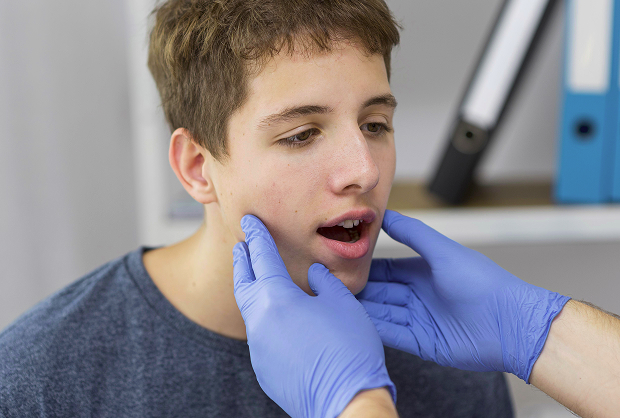
A dentist or pediatrician makes a diagnosis. An oral examination is usually sufficient: the nature of the rash, the location of the ulcers, and the condition of the mucous membrane allow for a precise determination of the type of inflammation.
In chronic cases or relapses, additional tests may be required, such as a smear test, a PCR test for viruses, or a blood test. This helps rule out systemic diseases and determine individualized treatment.
Methods for treating stomatitis in children
General principles of treatment
Treatment of stomatitis in children always has three goals:
- Eliminate the cause of the inflammation
- Relieve pain and inflammation of the mucous membrane
- Restore the oral microflora
The doctor's first rule is to accurately determine the type of disease. Viral stomatitis and aphthous stomatitis cannot be treated the same way: medications are selected strictly according to the pathogen. For viral stomatitis, antiviral medications are prescribed, for bacterial stomatitis, antiseptics and antibiotics, and for fungal stomatitis, antifungal medications.
It is important for parents to understand: self-medication is unacceptable. Even a harmless mouthwash or folk remedy can worsen the condition if the mucous membrane is already damaged. At the first symptoms, it is worth taking the child to the dentist – only a dentist can determine the type of disease and prescribe safe treatment.
In addition to medication, treatment includes:
- Regular oral hygiene with antiseptic solutions (Miramistin, Chlorhexidine, chamomile, sage)
- Pain-relieving gels (Cholisal, Metrogyl Denta, Kamistad)
- Gentle oral hygiene: soft toothbrush, no alcohol-containing rinses
- Maintaining hydration and a light diet
Treatment depending on the type of stomatitis
Herpetic stomatitis. Antiviral medications are prescribed: acyclovir, interferon, and sometimes immunomodulators. Drinking plenty of fluids and monitoring your temperature are important. The oral cavity is treated with antiseptics to prevent secondary bacterial infection.
Candidal stomatitis. Treatment is aimed at Candida fungus: baking soda solutions, nystatin preparations, Candid, and antifungal ointments. When breastfeeding, both the baby's mouth and the mother's nipples are treated to prevent re-infection.
Aphthous stomatitis. Treatment of aphthous stomatitis in children requires a comprehensive approach:
- Local anti-inflammatory agents (anesthetic gels)
- Treatment of aphthae with antiseptic solutions
- In severe cases, corticosteroid ointments as prescribed by a doctor
- Vitamin therapy and dietary adjustments
Allergic stomatitis. The main treatment is eliminating the allergen. After the irritant is eliminated, the mucous membrane quickly recovers. Antihistamines and gargles with chamomile or furacilin are prescribed.
Bacterial stomatitis. Requires antiseptic rinses and topical antibiotics. For purulent cases, a dentist may perform oral sanitation.
Traumatic stomatitis. Treatment involves removing the offending factor—tooth alignment, toothbrush replacement, and bite correction. The mucous membrane usually heals within 3–5 days.
Enterovirus stomatitis. There is no specific treatment. Antipyretics, plenty of fluids, and antiseptic rinses are prescribed. It is important to prevent dehydration—the child should receive enough fluids.
Treatment of stomatitis in infants
In infants, the disease is particularly sensitive: the mucous membranes are thin, and the immune system is still developing. The most common form is candidal stomatitis. Treatment includes:
- Regularly cleaning the mouth with a weak soda solution or antifungal drops
- Sterilizing pacifiers and bottles
- Maintaining good maternal hygiene
- Gentle nutrition, avoiding sugary formulas
If the doctor detects a viral infection, age-safe antiviral medications and immunostimulants are prescribed.
Treatment of stomatitis in children 1–3 years old
Viral and aphthous stomatitis are common at this age. The child is already actively eating adult food, so the inflammation is often associated with mucosal trauma or infection from other children.
Basic Treatment Principles:
- Antiseptic Rinses (Age-appropriate)
- Pain-relieving gels before meals
- Gentle Diet: Puréed Foods, Soups, and Cereals
- Monitor Temperature and Fluid Balance
The doctor may additionally prescribe vitamins, immunostimulants, and a course of relapse prevention.
Home treatment for stomatitis
Home therapy is only recommended after consulting a doctor. Basic measures:
- Maintaining oral hygiene, using antiseptics
- Using pain-relieving gels
- Drinking frequently
- Eating soft, non-irritating foods
- Regularly disinfecting toys and dishes
Folk remedies sometimes include chamomile, sage, and calendula infusions – they relieve mucosal inflammation. However, they should be used with caution to avoid causing an allergic reaction.
General information
Diet for stomatitis
Diet plays a crucial role in recovery for children with stomatitis. When the mucous membrane is inflamed, hot, sour, and salty foods increase pain and irritation. Therefore, the diet should be gentle:
- Warm, soft foods (porridge, purees, soups)
- Avoid citrus fruits, chocolate, nuts, and spices.
- Fermented milk products, boiled meat, and vegetable purees are preferred.
- Drinks – compotes, fruit drinks, water, weak tea.
For infants, it is important to continue breastfeeding if possible – breast milk helps restore the microflora and accelerates healing.

Why is it better to treat stomatitis in children at "K+31"
Treating stomatitis in children requires not only the right medications but also a gentle approach. The doctors at the K+31 clinic provide safe, painless, and stress-free treatment.
- Integrated approach. The dentist works collaboratively with a pediatrician and immunologist. This approach helps identify the cause of the illness—a virus, allergy, or weakened immune system—and select the appropriate treatment. If recurrences occur, diagnostics are performed, including tests, swabs, and PCR testing.
- Painless and fearless. The pediatric dentists at K+31 use gentle anesthesia, adapted to the child's age. They explain the procedure to the child, ensuring a calm and tear-free treatment.
- Modern technologies and medications. Safe antiviral and anti-inflammatory medications, laser, and ultrasound treatments are used. These methods accelerate mucosal healing and reduce pain.
- Family care. Parents can schedule online appointments, consult, and receive same-day care. The offices are equipped with children's chairs and a play area to help children associate treatment with care rather than fear.
The main goal is not only to eliminate mucosal inflammation but also to teach children to take care of their mouth without fear of the dentist.
Stomatitis is a common inflammatory disease of the oral mucosa in children, caused by viruses, bacteria, fungi, or trauma. It is accompanied by pain, difficulty eating, and decreased immunity.
Modern dentistry allows for quick and painless treatment. The main thing is to consult a specialist and avoid self-medication.
The K+31 Clinic offers safe, gentle, and effective treatment for stomatitis in children of all ages. We focus not only on symptomatic relief but also on prevention—so your child grows up healthy, smiles pain-free, and isn't afraid of the dentist.
FAQ from parents
How long does stomatitis last in children?
The duration of the illness depends on its type and severity. Mild viral stomatitis resolves in 5-7 days, while aphthous stomatitis resolves in 10-14 days. If the cause is a fungal infection, treatment can take up to three weeks.
With proper treatment, the mucous membrane is completely restored, and the child returns to normal eating and well-being.
Is stomatitis contagious?
Yes, some forms—especially viral and fungal stomatitis—can be transmitted through close contact: through toys, utensils, and kissing. Therefore, it's best to provide your child with a separate spoon, cup, and towel during illness.
Bacterial and traumatic forms are usually not contagious, but require careful hygiene to prevent the infection from spreading.
Can I take my child for a walk with stomatitis?
If the child's temperature is normal and their general condition is satisfactory, walks are not prohibited. Fresh air helps restore the immune system. However, hypothermia and contact with other children should be avoided to prevent transmission of the virus or the risk of contracting a new infection.
If the child has a fever, mouth pain, or weakness, it's best to limit activity and keep the child resting.
Our doctors















































This award is given to clinics with the highest ratings according to user ratings, a large number of requests from this site, and in the absence of critical violations.

This award is given to clinics with the highest ratings according to user ratings. It means that the place is known, loved, and definitely worth visiting.

The ProDoctors portal collected 500 thousand reviews, compiled a rating of doctors based on them and awarded the best. We are proud that our doctors are among those awarded.
Make an appointment at a convenient time on the nearest date
Price
Other services

Appointment to the doctor
Reviews




Our clinics


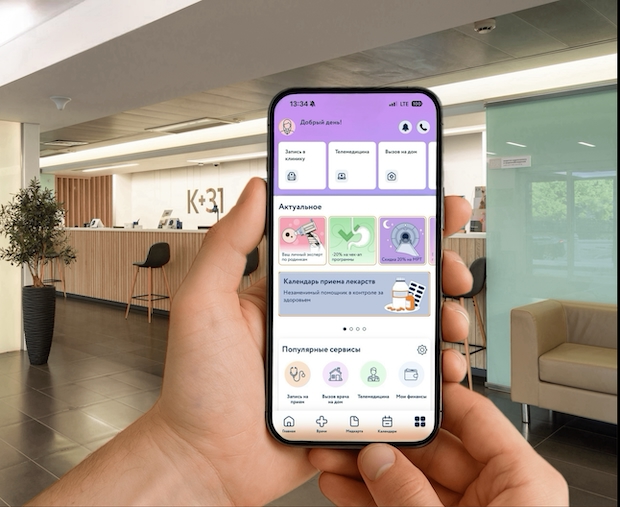
Application “Personal Account K+31”











General information about stomatitis
Stomatitis in children is one of the most common inflammatory diseases of the oral mucosa. It manifests as redness, swelling, and painful ulcers on the tongue, palate, cheeks, and lips. The child develops a fever, becomes cranky, and refuses to eat. The reason is simple: the inflamed oral mucosa makes eating painful.
Children's stomatitis is more than just a local problem. It is a signal from the body that the immune system is weakened and the oral mucosa is unable to fight off viruses and bacteria. This type of inflammation is less common in adults: their immune system is stronger and their hygiene habits are stable.
Pediatricians note that the disease most often manifests between the ages of 1 and 5, when children are actively exploring the world and putting objects in their mouths. It is during this period that the oral mucosa is most vulnerable, and viruses easily penetrate through microcracks.