Polio Vaccination for Children

Every parent strives to provide their child with maximum protection against disease. Vaccination is one of the most important ways to prevent dangerous infections, including polio. This disease affects the nervous system and can cause paralysis and serious complications, including disability and death. Since 1998, polio has been completely eradicated thanks to vaccination.

Best
specialists
Expert
equipment
Advanced diagnostic
treatment
Sign up
Fill out the entry form on the page and we will call you back
Sign up Позвонить
Download the application “Personal Account K+31”
Everything about your health in one click!
Subscribe to social networks K+31
To keep up to date with current offers and receive useful advice about your health.

General information about polio

The disease most often affects young children, although adults are also at risk. Polio is caused by an enterovirus, transmitted primarily by the fecal-oral route. Infection can occur through contaminated food, water, or shared objects.

Contact with an infected person also increases the risk of spreading the virus. Symptoms of polio range from mild forms (fever, headache, muscle weakness) to severe cases, accompanied by paralysis of the legs or arms. Severe forms of the disease lead to irreversible consequences, such as chronic disability and respiratory problems.

General information about polio

Why is polio vaccination necessary?

The main goal of vaccination is to develop a child's lasting immunity to the polio virus. Vaccinations allow the body to produce antibodies that protect the child even when exposed to the infection. This is especially important given that polio is transmitted through the air and by direct contact.

Types of polio vaccines

There are two types of polio vaccines:

  • Inactivated polio vaccine: administered intramuscularly, contains a killed virus and induces specific immunity without the risk of developing the disease.
  • Oral live polio vaccine: administered orally, stimulates local immunity in the intestinal mucosa, preventing the virus from reproducing in the body.

The choice of a specific vaccine depends on the pediatrician's recommendations and the child's individual health characteristics.

Inactivated polio vaccine (IPV)

This is a type of vaccine used to protect against polio. It is produced from weakened viruses that have lost their ability to cause infection but retain their immune-stimulating properties.

Advantages of IPV:

  • Safety: IPV does not cause vaccine-associated polio, as the viruses have been inactivated.
  • Efficacy: Develops strong humoral immunity, providing long-term protection against all three types of poliovirus.
  • Ease of administration: It is administered intramuscularly, a quick and painless procedure.

When the drug is administered, the body recognizes foreign antigens, producing specific antibodies capable of neutralizing the live virus upon entry. This results in long-term immunity to the disease. IPV is considered safe and rarely causes serious adverse events.

Comparison table of vaccines

Below is a comparative table of the two types of polio vaccines:

Characteristics

IPV

OPV

Virus Type

Inactivated

Live Attenuated

Protection

Development of General Immunity

Development of general and intestinal immunity

Risk of VAPP

None

Very low

Contraindications

Allergic reactions to drug components

HIV, immunodeficiency

At what age is it used in the Russian Federation?

3, 4.5 months

6 months, 1.5 years, and 6 years

The choice of vaccine type depends on the specific circumstances and the purpose of vaccination. OPV is considered more effective, but the risk of complications is somewhat higher than with IPV.

Polio Vaccination Schedule

Compliance with the established vaccination schedule plays a key role in developing strong immunity. Strict adherence to the recommended schedule minimizes the risk of complications and ensures effective protection for the child's body throughout life. Therefore, it is important to familiarize yourself with the details of the national vaccination schedule.

Polio vaccination schedule

The National Calendar provides the following program for protection against polio:

  • The first vaccination is administered at 3 months of age.
  • The second vaccination is administered 1.5 months later, at 4.5 months.
  • The third vaccination is administered at 6 months. The oral polio vaccine (OPV) is permitted from this age onward.
  • The initial booster vaccination is administered at 1.5 years.
  • The second booster vaccination is administered at 20 months.
  • The final third booster vaccination is administered at 14 years of age.

When using the inactivated polio vaccine (IPV), the protocol is modified as follows: children with a weakened immune system receive three doses, while other children receive two doses. The interval between the first and second vaccines is forty-five days. Twelve months after completing the primary course, an additional dose is administered to maintain immunity, and after five years, another dose is required.

Unscheduled polio vaccination

Circumstances often arise that require vaccinating patients outside the established timeframe. The most common cases include:

  • Lack of documentary evidence of previous immunization. Patients undergo the procedure in the same way as individuals who have not previously received preventive vaccinations.
  • Traveling to regions with an increased risk of infection. In this case, immunization with a single dose of oral vaccine is required. It is recommended to complete this procedure at least four months before travel.
  • A sharp increase in the number of cases above the epidemiological threshold. The number of necessary procedures is determined by the type of infectious agent causing the outbreak.

Timely and properly organized unscheduled vaccinations ensure reliable protection of the health of every child and prevent the spread of serious infectious diseases.

How is immunization carried out?

The method of immunization depends on the drug used. The oral vaccine is delivered into the mouth using a special medical IV or a sterile disposable syringe without a needle. The solution is applied directly to the surface of the tongue or tonsils.

The dosage of the solution varies depending on its composition: a standard single dose ranges from two to four drops. A young child's reaction to the administered drug can sometimes be manifested by a reflexive expulsion of stomach contents. If this occurs once, the procedure is immediately repeated.

The inactivated form of the vaccine is administered subcutaneously. For children under one and a half years old, the injection is given in the shoulder area, close to the scapula, while for older children, it is preferable to administer the drug into the thigh muscle. Since complications are extremely rare, the child's condition is assessed by a doctor immediately after the procedure, and the family can leave the medical facility almost immediately.

Indications and contraindications for vaccination

Doctors typically recommend that every parent vaccinate their child against polio, as it protects against a dangerous virus that causes paralysis and serious health problems. However, there are cases when vaccination should be temporarily postponed or avoided altogether.

A decision regarding contraindications is made solely by a doctor after a thorough examination.

It is prohibited to vaccinate if:

  • The baby is sick right now - first we need to wait for a full recovery
  • There had previously been a strong negative reaction of the body to previous vaccinations
  • There is an allergy to the components of the drug

General information

Why is it better to vaccinate your child against polio at K+31?

Want to be sure that the polio vaccine will be administered safely and efficiently? Then we recommend contacting the K+31 clinic. Experienced specialists on staff will carefully examine your child before the procedure and provide expert advice on post-vaccination care.

The center's modern offices are equipped with all the necessary equipment, and the vaccination itself is performed in sterile conditions to eliminate any risks. Convenient appointment times are available, allowing you to plan your visit without rushing or unnecessary fuss. Experienced nurses are ready to administer the injection or drops painlessly and with care for your child's comfort.


Side effects of the polio vaccine

Although most children tolerate the vaccine well, in exceptional situations some negative consequences are possible:

  • Immediately or shortly after the vaccine is administered, patients may experience symptoms such as nervousness, increased fatigue, tearfulness, emotional instability, and general weakness.
  • A temperature increase to 37-38 degrees Celsius is likely for about one to two days after vaccination.
  • Local inflammatory changes, such as skin redness, swelling, and pain at the injection site, often persist for the first two days after administration.
  • Allergic rashes, itchy skin reactions, and even bouts of elevated body temperature, accompanied by temporary muscle spasms, may be observed.
  • Migraine-like pain, mild tingling sensations in the arms and legs, temporary numbness in the extremities, and polyneuritis are rare.
  • Immediate allergic reactions, including serious life-threatening conditions such as anaphylactic shock, are possible.
  • Joint and muscle pain, temporary loss of limb mobility, and discomfort with movement are also possible.
  • Lymph nodes may become enlarged. This problem usually resolves on its own.
  • Particular attention should be paid to the condition of newborns born prematurely (before 28 weeks of pregnancy). After vaccination, these infants may experience temporary lengthening of the intervals between breaths./li>

It is important to remember that any side effects not listed in this guide require immediate consultation with a healthcare professional.

Preparing for and Aftercare of a Vaccination

While vaccination is a routine procedure for adults, it can be stressful and confusing for children. Therefore, it is crucial to explain the upcoming vaccination to your child before the doctor's appointment. The period after the vaccination is equally important—to minimize the risk of complications, it is essential to follow simple rules.

How to Prepare a Child for a Vaccination

Recommended steps for properly preparing your child for the procedure:

  • Visiting the Pediatrician. Before the vaccination, be sure to visit the doctor. The doctor will examine your child and ensure that they are healthy and ready for the vaccination.
  • Following a diet without new foods. Three to five days before the vaccination, eliminate unfamiliar foods and products from your child's diet. If your child is prone to allergies, your pediatrician will recommend special medications to reduce the likelihood of a reaction.
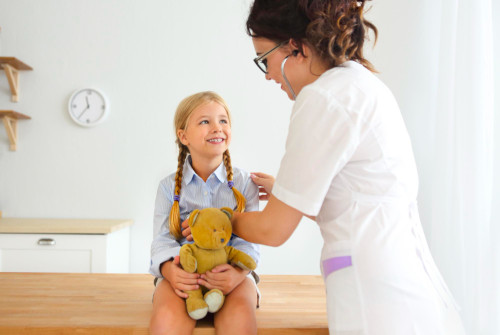
  • Remain calm and comfortable on the day of the vaccination. In the morning, make sure your child's temperature is normal and they are in a good mood. Feed them a light breakfast, without forcing them to eat more than usual. Bring your child's favorite toy—it will help calm and entertain them in the doctor's office.

Following these recommendations will ensure the vaccination process is as comfortable as possible for both the child and their parents.

Post-Vaccination Care

Immediately after vaccination, it's important to monitor your baby's well-being. It's important to follow a few simple guidelines:

  • Spend the first half hour with the doctor. Let the doctor observe the child's condition for a while - sometimes a rare reaction like an allergy can occur.
  • It's better to spend the first day or two more calmly than usual.
  • You can go for walks in quiet places.
  • It's also okay to wash yourself carefully - don't rub the injection site with a washcloth.
  • Kindergarten, school, and large stores should be postponed for a while to avoid catching a cold.
  • It is also recommended to temporarily limit saunas, hot baths, and new foods.

Don't be alarmed if:

  • A small redness or lump appears after the injection.
  • The temperature rises to a maximum of 38 degrees.
  • Loose stools and restless sleep are observed for a couple of days.

You should immediately consult a doctor. If:

  • The temperature has risen above 38.5 degrees Celsius and does not drop even after medication.
  • A rash has appeared, the face is swollen, and breathing is difficult—these are signs of an allergy.
  • The child has become very weak, lethargic, and has seizures.

These simple recommendations will help your child quickly return to normal life.

Polio vaccination prices for children in Moscow

The cost of a polio vaccination in Moscow depends on various factors. For example, the type of vaccine itself plays a role: a domestically produced vaccine is cheaper than an imported equivalent. The method of administration is also important: drops are less expensive than an injection.

A polio vaccine is available for a fee at the K+31 clinic, starting at 8,800 rubles. You can find out the exact cost by calling the clinic or during an appointment with the doctor. The price list, available for download on the clinic's website, can also help you find out how much the vaccination costs.

Frequently Asked Questions

Is the polio vaccine safe for children?

Polio vaccinations are a safe way to prevent this serious infectious disease, especially important for children. Modern medications are highly effective and minimize the risk of adverse effects. However, every person is unique, and parents should follow their doctor's recommendations regarding possible contraindications.

When is it better to postpone the vaccination?

It is recommended to postpone vaccination in cases of acute chronic illnesses, fever, exacerbation of neurological conditions, or other medical indications. The decision to postpone should be made in consultation with the pediatrician, taking into account the child's overall well-being.

Are children contagious after the polio vaccine?

Children who have received a live vaccine can theoretically shed the virus into the environment. Therefore, contact between these children and individuals with weakened immune systems, young children, or pregnant women should be limited for a short period of time after vaccination.

What should I do if I missed the vaccination deadline?

If a child misses a scheduled vaccination, their vaccination schedule is resumed based on their current age and previous vaccination history. The missed vaccination is usually made up by the earliest available method, adhering to the recommended intervals between doses. Before starting vaccinations, the doctor will always consult with parents about further steps.

Our doctors

Petina Olga Anatolievna
Experience 27 years
Make an appointment
Petina
Olga Anatolievna
Pediatrician
Tagoskina Natalya Anatolievna
Experience 31 year
Make an appointment
Tagoskina
Natalya Anatolievna
Leading pediatrician
Mamaev Eldar Imamutdinovich
Experience 16 years
Make an appointment
Mamaev
Eldar Imamutdinovich
Pediatrician, pediatric cardiologist
Genger Maria Andreevna
Experience 21 year
Make an appointment
Genger
Maria Andreevna
Psychologist
Negasheva Ekaterina Sergeevna
Experience 11 years
Make an appointment
Negasheva
Ekaterina Sergeevna
Dermatovenerologist
Bagaev Omar Makhachevich
Experience 19 years
Make an appointment
Bagaev
Omar Makhachevich
Dentist-therapist, pediatric
Shemetova Anastasia Alexandrovna
Experience 17 years
Make an appointment
Shemetova
Anastasia Alexandrovna
Neuropsychologist, pediatric
Nazarova Veronica Vladimirovna
Experience 20 years
Make an appointment
Nazarova
Veronica Vladimirovna
Dermatologist, pediatric
Ivanova Inga Alexandrovna
Experience 16 years
Make an appointment
Ivanova
Inga Alexandrovna
Masseur
Shamsetdinova Leila Tagirovna
Experience 16 years
Make an appointment
Shamsetdinova
Leila Tagirovna
Pediatric ophthalmologist
Polovnikova (Kroshkina) Valeria Alexandrovna
Experience 14 years
Make an appointment
Polovnikova (Kroshkina)
Valeria Alexandrovna
Traumatologist-orthopedist, pediatric
Chirkov Oleg Anatolevich
Experience 42 years
Make an appointment
Chirkov
Oleg Anatolevich
Doctor pediatric surgeon, pediatric urologist andrologist
Zubareva Yulia Valerievna
Experience 16 years
Make an appointment
Zubareva
Yulia Valerievna
Pediatrician, allergologist
Kubanova Madina Kubanovna
Experience 22 years
Make an appointment
Kubanova
Madina Kubanovna
Endocrinologist, pediatric
Krasova Anastasia Victorovna
Experience 23 years
Krasova
Anastasia Victorovna
Psychiatrist
Remezova Tatyana Vasilevna
Experience 49 years
Make an appointment
Remezova
Tatyana Vasilevna
Neurologist, pediatric
Opanevich Irina Valerievna
Experience 29 years
Make an appointment
Opanevich
Irina Valerievna
Pediatrician
Prokhorova Anastasia Dmitrievna
Experience 14 years
Make an appointment
Prokhorova
Anastasia Dmitrievna
Pediatrician
Kvekveskiri Milana Dazmirovna
Experience 10 years
Make an appointment
Kvekveskiri
Milana Dazmirovna
Pediatrician
Andrianova Svetlana Vladimirovna
Experience 17 years
Make an appointment
Andrianova
Svetlana Vladimirovna
Head of the pediatric department, leading pediatrician
Plinatus Natalya Sergeevna
Experience 10 years
Make an appointment
Plinatus
Natalya Sergeevna
Pediatrician, allergist-immunologist
Romashkova Lyudmila Borisovna
Experience 39 years
Make an appointment
Romashkova
Lyudmila Borisovna
Ultrasound doctor, pediatric
Lopatin Kirill Alexandrovich
Experience 15 years
Make an appointment
Lopatin
Kirill Alexandrovich
Traumatologist-orthopedist, pediatric
Varenkova Olga Vladimirovna
Experience 25 years
Make an appointment
Varenkova
Olga Vladimirovna
Otorhinolaryngologist
Budeikina Liliya Sergeevna
Experience 11 years
Make an appointment
Budeikina
Liliya Sergeevna
Otorhinolaryngologist, phoniatrist
Arefieva Svetlana Aleksandrovna
Experience 17 years
Make an appointment
Arefieva
Svetlana Aleksandrovna
Cardiologist, pediatric
Babakhanyan Anna Mikhailovna
Experience 33 years
Make an appointment
Babakhanyan
Anna Mikhailovna
Otolaryngologist, pediatric otolaryngologist
Agafonova Oksana Sergeevna
Experience 20 years
Make an appointment
Agafonova
Oksana Sergeevna
Ophthalmologist, pediatric
Turkey Lana Romanovna
Experience 2 years
Make an appointment
Turkey
Lana Romanovna
Cardiologist, pediatrician
Khachatryan Maria Edwardovna
Experience 6 years
Make an appointment
Khachatryan
Maria Edwardovna
Pediatrician
Gubanova Olga Yurievna
Experience 20 years
Make an appointment
Gubanova
Olga Yurievna
Gastroenterologist, pediatrician
Bogomolov Evgeny Fedorovich
Experience 15 years
Make an appointment
Bogomolov
Evgeny Fedorovich
Chiropractor
Leshko Olga Igorevna
Experience 10 years
Make an appointment
Leshko
Olga Igorevna
Ophthalmologist, pediatrician
Postarnakova Irina Alexandrovna
Experience 8 years
Make an appointment
Postarnakova
Irina Alexandrovna
Otolaryngologist, pediatric otolaryngologist
Koroleva Nina Yurievna
Experience 22 years
Make an appointment
Koroleva
Nina Yurievna
Ultrasound diagnostics doctor
Shchapov Nikolay Fedorovich
Experience 19 years
Make an appointment
Shchapov
Nikolay Fedorovich
Pediatric surgeon
All specialists
2GIS Award
2GIS Award

This award is given to clinics with the highest ratings according to user ratings, a large number of requests from this site, and in the absence of critical violations.

«Good place» according to Yandex

This award is given to clinics with the highest ratings according to user ratings. It means that the place is known, loved, and definitely worth visiting.

Our doctors are laureates of the ProDoctors Award
The ProDoctors portal collected 500 thousand reviews, compiled a rating of doctors based on them and awarded the best. We are proud that our doctors are among those awarded.
Make an appointment at a convenient time on the nearest date

Price

Initial appointment (examination, consultation) with a pediatrician
from 8 190 ₽
Follow-up appointment (examination, consultation) with a pediatrician
from 7 035 ₽

Appointment to the doctor

Fill out the form, our managers will contact you within 15 minutes

Reviews

We went to see gastroenterologist Olga Yuryevna Gubanova with our teenage daughter (we're overweight), because she explained clearly why we eat and what we eat. This is very important! She's a competent, beautiful, and personable doctor.
17.12.2025
P. Nina Vladimirovna

About doctor:

Gubanova Olga Yurievna

A wonderful doctor! Thank you so much and I bow low to you! We have a complicated medical history, and the doctor treated us with great care and attention!
09.12.2025
Z. Robert Dimitrievich
The doctor is very good.
08.12.2025
P. Sofia Serzhevna
Our favorite doctor. Our daughter has been going to him for several years since childhood.
02.12.2025
V. Elizaveta Vladislavovna

About doctor:

Bagaev Omar Makhachevich

We are very grateful to Kirill Aleksandrovich for his help.
02.12.2025
V. Elizaveta Vladislavovna
Olga Vladimirovna is a wonderful, attentive, and professional doctor. I was very pleased with my visit and received all the help and information I needed.
29.11.2025
Yu. Alexey Igorevich
My son is 3 years old, we had a great conversation, the doctor put me at ease with himself and the procedures. My first visit to the dentist went great!
29.11.2025
Ch. Roman Vitalievich

About doctor:

Bagaev Omar Makhachevich

I really liked the doctor, and I also really liked Zhanna Andreevna. You can tell she's experienced and competent, and the office had a wonderful, open atmosphere. Special thanks to Olesya, the administrator on the first floor. She's very friendly and helpful. Overall, I really liked the clinic.
23.11.2025
P. Daniil Vyacheslavovich
A very friendly and competent doctor.
26.10.2025
B. David Pavlovich
A pleasant and competent specialist.
21.10.2025
G. Yana Andreevna
Почему К+31?
К + 31 — full-cycle multidisciplinary medical centers, including the possibility of providing medical services of European quality level.
К + 31 — are leading doctors and diagnostics using high-tech equipment from world manufacturers (Karl Storz, Olympus, Siemens, Toshiba, Bausch&Lomb, Technolas, Zeiss, Topcon).

К + 31 — is ethical. The staff of K+31 clinics maintain open relationships with patients and partners. An individual approach to each patient is the basis of our service standards.
К + 31 — is modernity. On call 24/7: call center operators will answer your questions at any time and book you an appointment with doctors. Contact us by phone, through the feedback form on the website and Max.

Our clinics

K+31 on Lobachevskogo

st. Lobachevskogo, 42/4

+7 499 999-31-31

Subway
1
11
Prospect Vernadsky Station
By a car
Lobachevsky, we pass the first barrier (security post of the City Clinical Hospital No. 31), turn right at the second barrier (security post K+31)
Parking pass
Opening hours

Mon-Fri: 08:00 – 21:00
Saturday: 09:00 – 19:00
Sunday: 09:00 – 18:00
Didn't find the service you were looking for?

Экстренная помощь