Seborrheic Dermatitis in Children

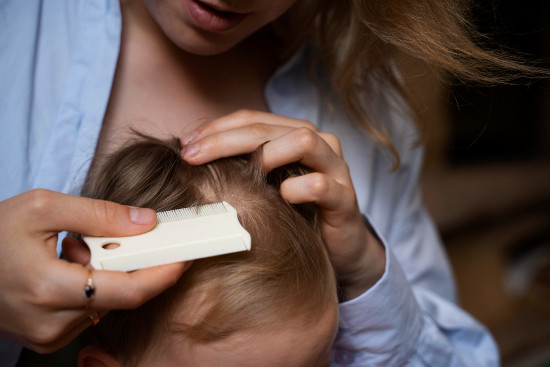
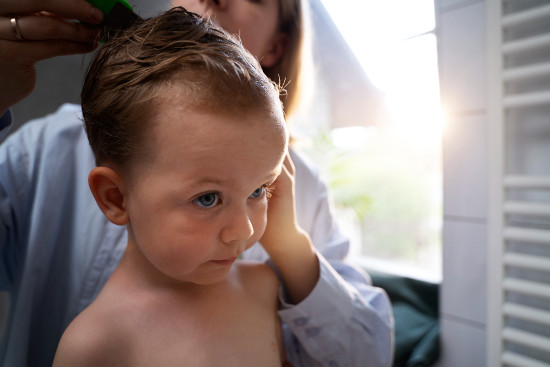
In the first six months of a child's life, 70% of cases are associated with a condition called infantile seborrheic dermatitis. Parents often worry about their baby's well-being, noticing so-called cradle cap on their scalp.

Best
specialists
Expert
equipment
Advanced diagnostic
treatment
Sign up
Fill out the entry form on the page and we will call you back
Sign up Позвонить
Download the application “Personal Account K+31”
Everything about your health in one click!
Subscribe to social networks K+31
To keep up to date with current offers and receive useful advice about your health.

What is seborrheic dermatitis?

Childhood seborrhea is a specific epidermal condition characterized by persistent dysfunction of the sebaceous glands and a pathological process of skin inflammation. In clinical practice, two disease patterns are distinguished: early manifestation (childhood type) and late development (adolescent type).

Seborrheic dermatitis in newborns is the most common childhood dermatological disorder, most often recorded in the first three months of life. The disease is predominantly seen in boys. This condition causes significant physical discomfort for patients and also causes emotional distress in older children and adolescents due to its aesthetically unappealing appearance.

What is seborrheic dermatitis?

Classification of seborrheic dermatitis in children

Seborrheic dermatitis in children is divided into two main types:

  • Neonatal - this form develops primarily during the first six months of life and is characterized by the appearance of dense yellowish formations on the scalp.
  • Juvenile - this form is diagnosed in adolescents aged 11 to 18 years, characterized by the formation of superficial deposits on the face and scalp.

The variety of clinical signs requires close medical observation and timely selection of individualized therapy to improve skin condition and reduce the risk of complications.

Depending on the specific location of the lesions, doctors classify individual types of seborrheic dermatitis:

  1. Otolaryngological: The tissues of the ear canals are affected, although the symptoms are somewhat similar to other outer ear diseases
  2. Chronic spotted: Characterized by its duration, alternating phases of remission and recurrence
  3. Asbestiform: Characterized by the formation of large clusters of whitish keratinized cells that form layered structures on the scalp

Causes of seborrheic dermatitis in children

The factors that contribute to seborrheic dermatitis vary depending on the specific stage of the disease. In early childhood, increased sebaceous gland volume and overactivity play a key role. Predisposing factors include high levels of maternal sex hormones delivered to the fetus in utero and excessive production of corticosteroids.

A comprehensive understanding of the mechanisms of seborrheic dermatitis development allows for timely diagnosis and effective treatment strategies.
As for the adolescent stage, the range of provoking factors includes:

  • Malassezia fungi Children's skin microflora is represented by a wide range of microorganisms, but members of the Malassezia genus play a key role in the development of inflammatory processes
  • Fat metabolism imbalance Research shows a clear link between the development of seborrheic dermatitis and changes in the blood lipid profile. Children with high cholesterol and triglyceride levels are much more susceptible to the disease
  • Hormonal changes Adolescence is characterized by sharp fluctuations in the concentration of key sex hormones, which lead to increased activity of the sebaceous glands, especially those located on the face, scalp, chest, and back. This imbalance leads to the formation of a greasy film on the skin, creating favorable conditions for the proliferation of pathogenic flora
  • Neurological component Patients with severe neurological diseases, such as cerebral palsy and myasthenia gravis, are prone to seborrheic dermatitis. Its manifestations are widespread, likely due to a lack of normal physical activity and the accompanying increase in sebum production
  • Immunodeficiencies Diseases that lead to a decrease in the body's immune defenses, including primary immune system disorders and human immunodeficiency virus infection, increase the risk of infection by 3-4 times. A weakened immune system allows pathogens to proliferate unchecked, causing the clinical signs of seborrheic dermatitis

General information

Symptoms of Seborrheic Dermatitis in Children

Seborrheic dermatitis in newborns, the treatment of which requires a comprehensive approach, often appears first on the scalp just a couple of weeks after birth. The resulting oily, golden-yellowish crusts are most intense on the forehead.

Redness and flaking of the skin behind the ears and in the area where hair begins to grow are also noted. Over time, the rash gradually migrates to other areas of the natural folds of the epidermis, such as the armpits and perineum. These areas are characterized by pinpoint rashes, skin irritation, and tissue swelling due to prolonged exposure to moisture.

Children's seborrheic dermatitis is characterized by minimal discomfort. Only when the rash is widespread may mild itching and discomfort occur. However, as the disease progresses to a severe form, the picture changes dramatically: in addition to redness and extensive peeling of the skin, digestive problems develop. The newborn refuses to breastfeed or bottle-feed, and body temperature rises.

As for the juvenile form of seborrheic dermatitis, it is most often localized in the face and hair area. This is where the sebaceous glands, sensitive to sex hormones, are located, whose function depends on fluctuations in endocrine levels. Unlike in younger age groups, the scalp of adolescents becomes covered with small, flake-like particles called dandruff, and the surface of the smooth skin exhibits patches of redness and swelling covered with a yellow coating.

During puberty, the disease is further complicated by a significant number of discomforts. Adolescent patients experience excruciating itching in the affected areas, often to the point of injuring the skin with nails. A burning sensation and pain may also occur. In addition to the traditional elements (crusts and redness), small bright red nodules appear on the face, shoulders and chest.


Complications and consequences

One of the serious complications of seborrheic dermatitis is Leiner-Moussou erythroderma. This pathology is observed exclusively in young children and is characterized by a number of severe clinical manifestations:

  • The appearance of dry, flaky patches and thick, grayish-yellow crusts across virtually the entire body.
  • Significant deterioration of gastrointestinal function.
  • Absolute refusal to eat when breastfeeding or bottle-feeding.
  • A persistent increase in body temperature.
  • Sharp pain centered directly in areas of active inflammation.

Another possible consequence of seborrheic dermatitis is secondary infection of damaged skin with bacteria, primarily staphylococcal and streptococcal. Through scratches and wounds, pathogens easily penetrate, causing inflammation accompanied by the formation of small abscesses. As a result, the child experiences severe pain.

Since infantile seborrheic dermatitis affects external areas of the body, such as the head and face, older patients and adolescents experience significant psychoemotional difficulties. Faced with negative changes in their appearance, children tend to isolate themselves from their peers, becoming withdrawn and suspicious.

Diagnosing Seborrheic Dermatitis in Children

The clinical manifestations of the disease are so clear that no additional laboratory or imaging tests are required. During a specialist visit, the doctor examines the entire skin surface of the body and scalp. If infection is suspected, a microscopic examination of the stratum corneum biopsy is performed before initiating treatment.

A detailed medical history is a crucial step in diagnosis, allowing for an accurate diagnosis. The infant's parents are asked about the onset of symptoms, dietary habits, behavioral changes, persistent restlessness, and sleep disturbances. When working with adolescent patients, it is important to study the family history and assess the correspondence of physical characteristics to age and body proportions.

In young children, differential diagnosis between seborrheic inflammation and atopic dermatitis is essential. Seborrheic dermatitis manifests when the baby reaches the age of several weeks or even days, while atopic dermatitis manifests later than three months of age.

Treatment of Seborrheic Dermatitis in Children

Treatment of childhood seborrheic dermatitis, regardless of the child's age, is based on uniform principles, including:

  • Preliminary softening. To facilitate the removal of scales, specialized medicated creams, compression bandages individually developed by the doctor, and specially selected cleansers (e.g., shampoo) are used.
  • Scale removal. After preliminary softening, dried epithelial fragments are gently removed without harsh mechanical intervention.
  • Intensive moisturizing. Maintaining optimal skin hydration levels helps accelerate regeneration processes.
  • Restoring normal skin function. A range of measures is aimed at restoring the natural protective hydrolipid mantle and optimizing sebaceous gland function.

The choice of specific medications and products for daily scalp and body care remains the sole prerogative of the physician. If the patient complains of severe itching, antiallergic medications are prescribed, and if an infection occurs, antibacterial medications may be administered. With a competent, comprehensive approach, the infant or older child will quickly be relieved of the negative symptoms of the disease.

Prognosis and Prevention

Most cases of the disease in infants resolve spontaneously before the end of the first year of life, ensuring a positive outcome. Early treatment of the adolescent form of the disease can successfully eliminate visual manifestations and relieve unpleasant subjective sensations.

The long-term persistence of the condition in adolescence is of greatest concern, as it can develop into the permanent adult form of seborrheic dermatitis. Among preventive measures, the leading role is played by rational hygiene procedures aimed at maintaining healthy skin, as well as minimizing the impact of adverse environmental factors. Regular monitoring by a specialist and following their recommendations contribute to effective skin monitoring and prevent the disease from becoming chronic.

Treatment prices for seborrheic dermatitis in children in Moscow

The cost of treating seborrheic dermatitis in children in Moscow depends on several factors, including:

  • The complexity of the case - the larger the affected area and the more complex the situation, the more expensive the treatment will be.
  • Therapies used - the doctor may prescribe special creams, ointments, physical therapy, or even laser treatment - the price of each drug and method varies.
  • A doctor's consultation - sometimes it is necessary to see not only a dermatologist, but also, for example, a gastroenterologist, nutritionist, or allergist.

We recommend treating seborrheic dermatitis at the K+31 Clinic - our experienced doctors will quickly identify the cause and select an effective treatment. You can find out the exact price for your child's treatment by calling +7 (495) 106-56-76 or by leaving a request on the clinic's website.

Treatment prices for seborrheic dermatitis in children in Moscow

Questions and Answers

Can adults catch seborrheic dermatitis from a child?

No, it's impossible to catch this condition: seborrhea cannot be transmitted from a child to an adult. The cause of this condition is the sebaceous glands and the skin's sensitivity, not viruses or microbes.

Is there a vaccine for childhood seborrheic dermatitis?

Seborrheic dermatitis in infants and older children cannot be prevented by vaccination, as this problem is caused by internal factors, not an infection.

Is it possible for a child to develop chronic seborrhea?

Yes, seborrhea in children can sometimes become chronic, especially if a doctor is not consulted promptly and skin care is improper.

Are there any home remedies for seborrheic dermatitis?

It's entirely possible to help your child at home—you can use moisturizing baby creams, gently wash their hair with a special shampoo, and monitor their diet and sleep schedule. But the most important rule is to consult a doctor before undertaking any home treatments.

Our doctors
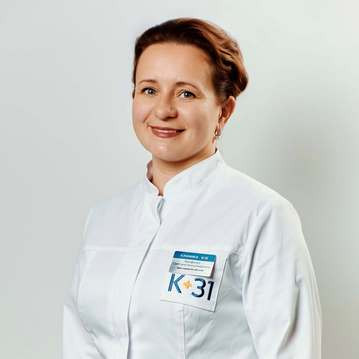
Petina Olga Anatolievna
Experience 27 years
Make an appointment
Petina
Olga Anatolievna
Pediatrician
Tagoskina Natalya Anatolievna
Experience 31 year
Make an appointment
Tagoskina
Natalya Anatolievna
Leading pediatrician
Mamaev Eldar Imamutdinovich
Experience 16 years
Make an appointment
Mamaev
Eldar Imamutdinovich
Pediatrician, pediatric cardiologist
Genger Maria Andreevna
Experience 21 year
Make an appointment
Genger
Maria Andreevna
Psychologist
Negasheva Ekaterina Sergeevna
Experience 11 years
Make an appointment
Negasheva
Ekaterina Sergeevna
Dermatovenerologist
Bagaev Omar Makhachevich
Experience 19 years
Make an appointment
Bagaev
Omar Makhachevich
Dentist-therapist, pediatric
Shemetova Anastasia Alexandrovna
Experience 17 years
Make an appointment
Shemetova
Anastasia Alexandrovna
Neuropsychologist, pediatric
Nazarova Veronica Vladimirovna
Experience 20 years
Make an appointment
Nazarova
Veronica Vladimirovna
Dermatologist, pediatric
Ivanova Inga Alexandrovna
Experience 16 years
Make an appointment
Ivanova
Inga Alexandrovna
Masseur
Shamsetdinova Leila Tagirovna
Experience 16 years
Make an appointment
Shamsetdinova
Leila Tagirovna
Pediatric ophthalmologist
Polovnikova (Kroshkina) Valeria Alexandrovna
Experience 14 years
Make an appointment
Polovnikova (Kroshkina)
Valeria Alexandrovna
Traumatologist-orthopedist, pediatric
Chirkov Oleg Anatolevich
Experience 42 years
Make an appointment
Chirkov
Oleg Anatolevich
Doctor pediatric surgeon, pediatric urologist andrologist
Zubareva Yulia Valerievna
Experience 16 years
Make an appointment
Zubareva
Yulia Valerievna
Pediatrician, allergologist
Kubanova Madina Kubanovna
Experience 22 years
Make an appointment
Kubanova
Madina Kubanovna
Endocrinologist, pediatric
Krasova Anastasia Victorovna
Experience 23 years
Krasova
Anastasia Victorovna
Psychiatrist
Remezova Tatyana Vasilevna
Experience 49 years
Make an appointment
Remezova
Tatyana Vasilevna
Neurologist, pediatric
Opanevich Irina Valerievna
Experience 29 years
Make an appointment
Opanevich
Irina Valerievna
Pediatrician
Prokhorova Anastasia Dmitrievna
Experience 14 years
Make an appointment
Prokhorova
Anastasia Dmitrievna
Pediatrician
Kvekveskiri Milana Dazmirovna
Experience 10 years
Make an appointment
Kvekveskiri
Milana Dazmirovna
Pediatrician
Andrianova Svetlana Vladimirovna
Experience 17 years
Make an appointment
Andrianova
Svetlana Vladimirovna
Head of the pediatric department, leading pediatrician
Plinatus Natalya Sergeevna
Experience 10 years
Make an appointment
Plinatus
Natalya Sergeevna
Pediatrician, allergist-immunologist
Romashkova Lyudmila Borisovna
Experience 39 years
Make an appointment
Romashkova
Lyudmila Borisovna
Ultrasound doctor, pediatric
Lopatin Kirill Alexandrovich
Experience 15 years
Make an appointment
Lopatin
Kirill Alexandrovich
Traumatologist-orthopedist, pediatric
Varenkova Olga Vladimirovna
Experience 25 years
Make an appointment
Varenkova
Olga Vladimirovna
Otorhinolaryngologist
Budeikina Liliya Sergeevna
Experience 11 years
Make an appointment
Budeikina
Liliya Sergeevna
Otorhinolaryngologist, phoniatrist
Arefieva Svetlana Aleksandrovna
Experience 17 years
Make an appointment
Arefieva
Svetlana Aleksandrovna
Cardiologist, pediatric
Babakhanyan Anna Mikhailovna
Experience 33 years
Make an appointment
Babakhanyan
Anna Mikhailovna
Otolaryngologist, pediatric otolaryngologist
Agafonova Oksana Sergeevna
Experience 20 years
Make an appointment
Agafonova
Oksana Sergeevna
Ophthalmologist, pediatric
Turkey Lana Romanovna
Experience 2 years
Make an appointment
Turkey
Lana Romanovna
Cardiologist, pediatrician
Khachatryan Maria Edwardovna
Experience 6 years
Make an appointment
Khachatryan
Maria Edwardovna
Pediatrician
Gubanova Olga Yurievna
Experience 20 years
Make an appointment
Gubanova
Olga Yurievna
Gastroenterologist, pediatrician
Bogomolov Evgeny Fedorovich
Experience 15 years
Make an appointment
Bogomolov
Evgeny Fedorovich
Chiropractor
Leshko Olga Igorevna
Experience 10 years
Make an appointment
Leshko
Olga Igorevna
Ophthalmologist, pediatrician
Postarnakova Irina Alexandrovna
Experience 8 years
Make an appointment
Postarnakova
Irina Alexandrovna
Otolaryngologist, pediatric otolaryngologist
Koroleva Nina Yurievna
Experience 22 years
Make an appointment
Koroleva
Nina Yurievna
Ultrasound diagnostics doctor
Shchapov Nikolay Fedorovich
Experience 19 years
Make an appointment
Shchapov
Nikolay Fedorovich
Pediatric surgeon
All specialists
2GIS Award
2GIS Award

This award is given to clinics with the highest ratings according to user ratings, a large number of requests from this site, and in the absence of critical violations.

«Good place» according to Yandex

This award is given to clinics with the highest ratings according to user ratings. It means that the place is known, loved, and definitely worth visiting.

Our doctors are laureates of the ProDoctors Award
The ProDoctors portal collected 500 thousand reviews, compiled a rating of doctors based on them and awarded the best. We are proud that our doctors are among those awarded.
Make an appointment at a convenient time on the nearest date

Price

Initial appointment (examination, consultation) with a pediatrician
from 8 190 ₽
Follow-up appointment (examination, consultation) with a pediatrician
from 7 035 ₽

Appointment to the doctor

Fill out the form, our managers will contact you within 15 minutes

Reviews

A wonderful doctor! Thank you so much and I bow low to you! We have a complicated medical history, and the doctor treated us with great care and attention!
09.12.2025
Z. Robert Dimitrievich
The doctor is very good.
08.12.2025
P. Sofia Serzhevna
Our favorite doctor. Our daughter has been going to him for several years since childhood.
02.12.2025
V. Elizaveta Vladislavovna

About doctor:

Bagaev Omar Makhachevich

We are very grateful to Kirill Aleksandrovich for his help.
02.12.2025
V. Elizaveta Vladislavovna
Olga Vladimirovna is a wonderful, attentive, and professional doctor. I was very pleased with my visit and received all the help and information I needed.
29.11.2025
Yu. Alexey Igorevich
My son is 3 years old, we had a great conversation, the doctor put me at ease with himself and the procedures. My first visit to the dentist went great!
29.11.2025
Ch. Roman Vitalievich

About doctor:

Bagaev Omar Makhachevich

I really liked the doctor, and I also really liked Zhanna Andreevna. You can tell she's experienced and competent, and the office had a wonderful, open atmosphere. Special thanks to Olesya, the administrator on the first floor. She's very friendly and helpful. Overall, I really liked the clinic.
23.11.2025
P. Daniil Vyacheslavovich
A very friendly and competent doctor.
26.10.2025
B. David Pavlovich
A pleasant and competent specialist.
21.10.2025
G. Yana Andreevna
Very attentive and professional doctor.
14.10.2025
R. Evgeniy Anatolyevich
Почему К+31?
К + 31 — full-cycle multidisciplinary medical centers, including the possibility of providing medical services of European quality level.
К + 31 — are leading doctors and diagnostics using high-tech equipment from world manufacturers (Karl Storz, Olympus, Siemens, Toshiba, Bausch&Lomb, Technolas, Zeiss, Topcon).
К + 31 — is ethical. The staff of K+31 clinics maintain open relationships with patients and partners. An individual approach to each patient is the basis of our service standards.
К + 31 — is modernity. On call 24/7: call center operators will answer your questions at any time and book you an appointment with doctors. Contact us by phone, through the feedback form on the website and WhatsApp.
Licenses

Our clinics

K+31 on Lobachevskogo

st. Lobachevskogo, 42/4

+7 499 999-31-31

Subway
1
11
Prospect Vernadsky Station
By a car
Lobachevsky, we pass the first barrier (security post of the City Clinical Hospital No. 31), turn right at the second barrier (security post K+31)
Parking pass
Opening hours
Mon-Fri: 08:00 – 21:00
Saturday: 09:00 – 19:00
Sunday: 09:00 – 18:00
Didn't find the service you were looking for?

Экстренная помощь