
Hallux valgus in children
Hallux valgus in children is a condition in which a child's foot collapses inward, and the arch flattens (becomes flatter), altering the position of the ankle joint and the distribution of weight when walking.

specialists

equipment

treatment



Classification and types of foot deformities
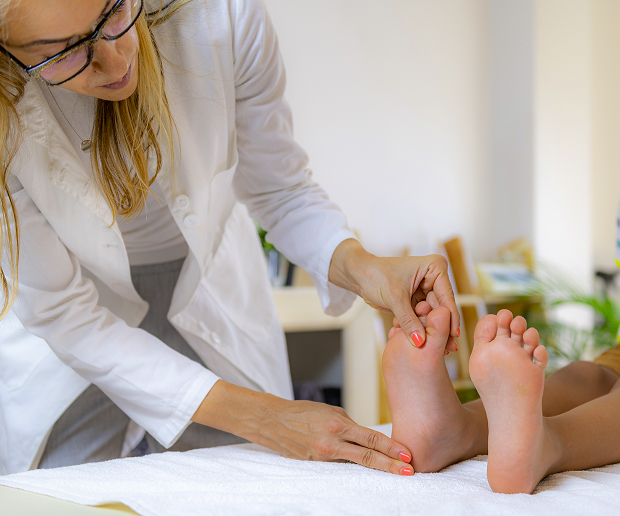
The classification helps the orthopedist choose the corrective method and understand the severity of the limb's arch and axis deformity. During the consultation, the doctor assesses whether the deformity is flexible (correctable) or more fixed, as well as whether the big toe and forefoot are involved.
In practice, the following variants are most often distinguished, and it's convenient to explain this to parents in simple categories:
- Functional (flexible): the foot changes position under load, and partially straightens out without load.
- Structural (less flexible): elements of deformity almost always persist, often requiring more active treatment.
- Posterior-predominant: the main collapse is in the heel and ankle area.
- Forefoot-predominant: the metatarsal position also changes, and the toe may be involved.
A final diagnosis is made not "from a photograph," but after examination and diagnostics, because similar symptoms can occur in different conditions.

Causes of hallux valgus
There is not always a single cause: the development of hallux valgus is influenced by heredity, muscle tone, footwear, weight, activity level, and growth rate. Sometimes the deformity is congenital, but more often it develops gradually as the child begins to walk, run, and jump for extended periods.
Predisposing factors
There are factors that more often promote the development of the deformity and make treatment more urgent. Typical situations are listed below, but each case is assessed individually.
- Weak ligaments and soft joints
- Rapid growth, when the muscles fail to support the arch
- Excess body weight and high impact loads
- Incorrectly fitted shoes (soft heels, lack of support)
- Low physical activity or, conversely, overexertion without preparation
- History of foot and ankle injuries
If several points match, this is not yet a diagnosis, but a good reason to see an orthopedist and discuss prevention.
Pathogenesis
The mechanism is usually related to the foot losing stable support: the arch drops, the heel goes into a valgus position, and the entire axis of the leg changes. Because of this, the musculoskeletal system functions differently, and the load is distributed to the joint in a manner not intended by nature. If the condition persists for a long time, incorrect walking patterns can become ingrained, making correction more difficult – so an early visit to the doctor is essential.
Symptoms of hallux valgus in children
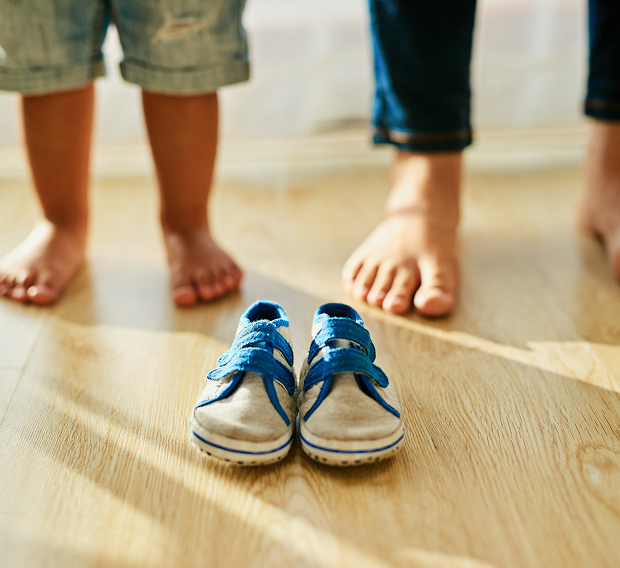
Symptoms depend on age and the severity of the deviation, but most often parents notice changes in gait and shoe wear. The child may tire more quickly on walks, ask to be picked up, and complain of discomfort in the feet or ankles, especially after an active day. Sometimes, the hallux valgus is only visible when standing, and at rest everything appears normal—this is a typical case of flexible deformity.
To determine what to look for at home, it's helpful to evaluate a few signs:
- The feet are in an "X" shape, the heels are pulled inward, and the position of the shins changes.
- The arch appears flat, especially under weight.
- Shoes wear down on the inside.
- The child frequently stumbles, and their gait becomes unsteady.
- Complaints of fatigue or pain in the feet/ankles appear.
- Discomfort in the knees or lower back may occur with prolonged walking.
If you notice several symptoms at once, it's best not to wait until they "outgrow it": early examination helps determine whether this is a developmental feature or the onset of a disease.
Diagnosing hallux valgus
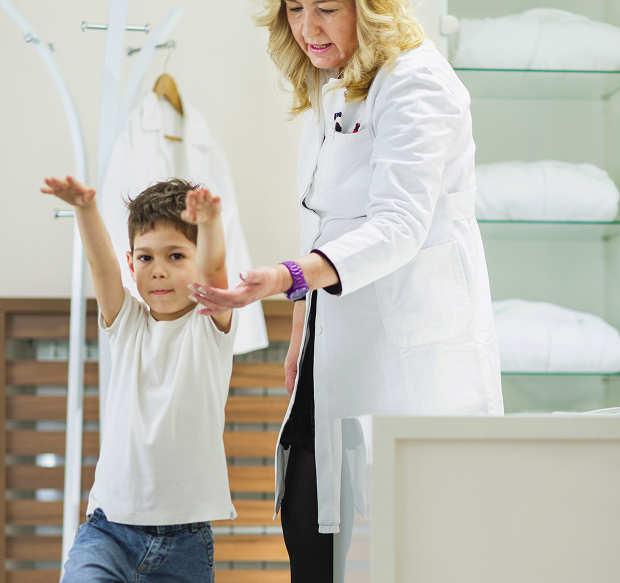
Diagnosis begins with an in-person examination: the doctor evaluates the limb's axis, heel position, arch function, joint mobility, and symmetry. The orthopedist will also ask when the child began walking, how the feet changed as they grew, whether there was an injury, what the child is currently doing, and how the shoes are selected. Important: the diagnosis of "hallux valgus" in children is not made based on a single photograph, as the angle of deviation and the degree of flat-valgus alignment must be measured.
Several approaches are typically used to select the appropriate treatment method and determine whether active correction is necessary:
- Physical examination while standing and moving (gait assessment, load distribution)
- Functional flexibility tests: does the foot align when unloaded?
- Plantography/podometry (assessment of support zones and arch)
- Radiography as indicated (if a fixed pathology or congenital variant is suspected)
- Assessment of muscle balance and tendon length affecting foot position
After diagnosis, the doctor explains to parents the cause of the deformity, the prognosis for development, and the treatment plan: from simple recommendations to a rehabilitation course.
Treatment of hallux valgus in children
Treatment is selected based on the child's age, the severity of the deviation, and how much the deformity affects them. The goal isn't to make the child look perfect, but to improve support, create a stable arch, relieve stress on the joints, and prevent progression. In most cases, conservative approaches are the first step: they are effective if recommendations are followed regularly, not sporadically.
Conservative methods
Conservative treatment is a complex process that involves habits, exercise, and properly selected foot support. Before we begin, here's an important point: orthopedic treatment is always individualized, and a "universal insole" from the store is no substitute for a doctor's consultation.
- Physical therapy: exercises to strengthen the foot and lower leg muscles, coordination, and balance
- Massage and myofascial techniques as prescribed
- Orthopedic regimen: proper shoe selection (rigid heel counter, correct last), sometimes custom insoles
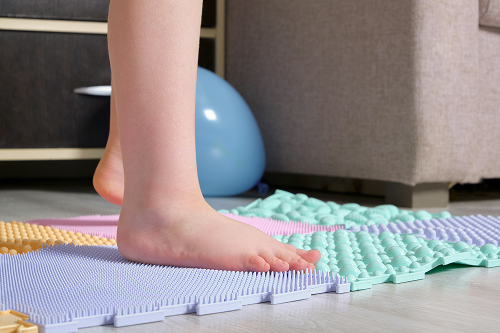
- Measured activity: walking on different surfaces, arch exercises, swimming
- Monitoring body weight and exercise, if relevant
- Follow-up: repeat diagnostics to assess improvement
After the course, the plan is usually reviewed: some measures are retained as preventative measures, others are strengthened if the foot continues to deviate into hallux valgus.
Surgical intervention
Surgery is rarely required and is considered when the deformity is severe, fixed, painful, or does not respond to conservative treatment. In such cases, the surgeon evaluates the anatomy of the feet, joint position, and limb axis to select the corrective method. Before the procedure, a thorough diagnosis and rehabilitation discussion are mandatory, as the correction itself is only part of the process.
- Soft tissue correction for severe imbalances (as indicated)
- Bone reconstruction for persistent anatomical changes
- Combined options if different parts of the foot and ankle are involved
After selecting the corrective approach, the doctor thoroughly explains the recovery timeline, limitations, and expected outcome to the family to ensure the treatment is predictable and safe for the child.
General information
Complications of hallux valgus
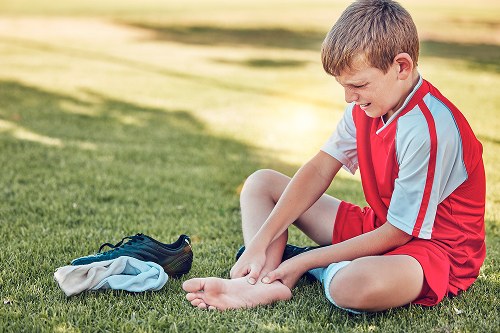
If severe foot deformity remains uncontrolled for a long time, the load is redistributed throughout the lower limb. This can lead to chronic fatigue, pain, decreased endurance, and the development of abnormal walking patterns. In some cases, the knee joints and spine become involved over time, and the child develops a persistent reluctance to walk long distances or participate in sports.
Most common complications include:
- Chronic overload of the feet and ankles
- Increased flat feet and decreased shock absorption
- Pain after exercise, limited activity
- Deterioration of posture and compensatory gait changes
The good news is that with timely diagnosis, many risks can be reduced without drastic interventions. The sooner a child begins regular exercise and a properly selected orthopedic regimen, the higher the chance of stabilizing the arch and stopping the progression of the deformity.
Why is it better to treat hallux valgus in children at K+31 clinics?
When it comes to pediatric orthopedics in Moscow, it's not just the consultation that's important, but also the opportunity to experience a complete, all-inclusive approach: an orthopedic appointment, diagnostics, selection of orthopedic support, and, if necessary, rehabilitation. K+31 offers pediatric traumatologist-orthopedist appointments and a specialized traumatology-orthopedic department, simplifying family referrals and treatment planning. The website also highlights orthopedic insoles and rehabilitation services, which are essential for the conservative management of flatfoot. Online booking and clear navigation through services make it easier for parents to schedule diagnostics and follow-up appointments.
FAQ
How to choose shoes for children with hallux valgus?
What should you do if your child has hallux valgus?
Our doctors















































This award is given to clinics with the highest ratings according to user ratings, a large number of requests from this site, and in the absence of critical violations.

This award is given to clinics with the highest ratings according to user ratings. It means that the place is known, loved, and definitely worth visiting.

The ProDoctors portal collected 500 thousand reviews, compiled a rating of doctors based on them and awarded the best. We are proud that our doctors are among those awarded.
Make an appointment at a convenient time on the nearest date
Price
Other services

Appointment to the doctor
Reviews











Our clinics


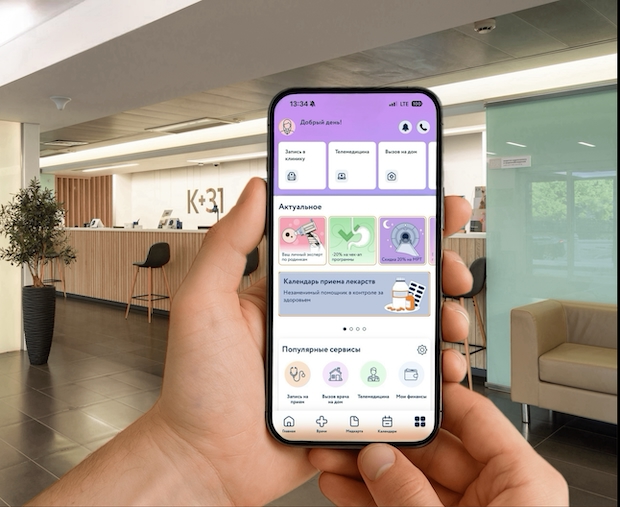
Application “Personal Account K+31”











What is hallux valgus in children?
Hallus hallux valgus in children is a condition in which a child's foot collapses inward, and the arch flattens (becomes flatter), altering the position of the ankle joint and the distribution of weight during walking. Parents often refer to this as "halgus," but it's important for a doctor to clarify whether this is a functional developmental condition or a pathology that requires treatment and monitoring. Feet can appear differently at different ages, so the same symptom at a 2-year-old child will be interpreted differently than at an 8-year-old child.
It's important to understand that hallux valgus is often associated with flat feet, but they are not always the same condition. Sometimes the deformity is normal for a certain age, while other times it's a sign that the ligaments and muscles are unable to cope with the load, and without correction, the condition may progress.