
Child Neuropsychologist in Moscow
When a child experiences learning, behavioral, or speech difficulties, it's important for parents to understand whether this is simply a developmental milestone or a sign that the child's brain is delayed. In such cases, a child neuropsychologist in Moscow can help—a specialist who evaluates how different parts of the brain interact and how this impacts the child's development.

specialists

equipment

treatment





When is the help of a child neuropsychologist needed?

A neuropsychologist is not just a “doctor for difficult cases.” His consultation can be useful for most children aged 3 to 12 years, especially during key developmental periods.
You should consult him if:
- The child tires quickly and has trouble maintaining attention
- The child is having difficulty reading, writing, or counting
- There is increased anxiety or impulsivity
- There is a suspicion of ADHD, mental retardation, ASD, dyslexia, or dysgraphia
- Speech development is slow, and speech therapy is ineffective
- After an illness, injury, or stressful situation, the child's behavior has changed
The earlier correction begins, the higher the chance of fully restoring brain function.
At the K+31 Clinic, consultations are conducted by specialists who use neuropsychology in conjunction with speech therapy and pediatrics. This comprehensive approach helps accurately identify the source of the problem and develop effective treatment.
Why is this important?
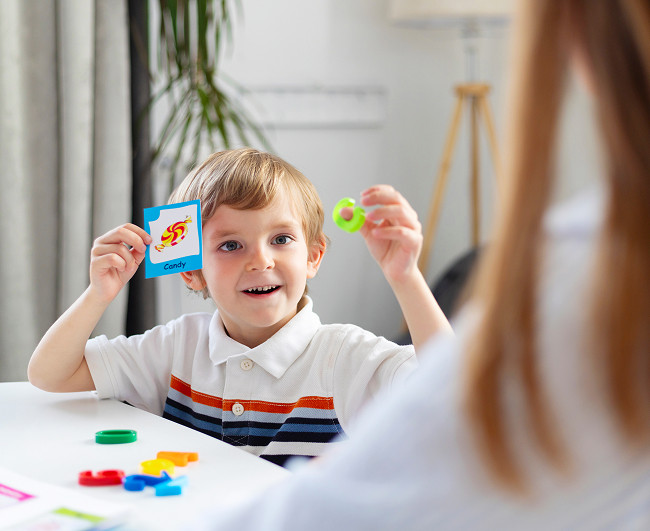
The child's brain is especially plastic. Before age 12, neural connections are actively forming, and it is during this period that it is important to help them develop correctly.
Mistakes unnoticed at an early age later develop into persistent difficulties – problems with concentration, self-esteem, and learning.
A neuropsychologist's work is not only treatment, but also prevention.
For example, even a healthy child aged 6–7 may experience a temporary "regression" in attention – and at this point, properly selected activities help the brain reach a new level of maturity.
A neuropsychologist helps:
- Increase the effectiveness of speech therapy and educational sessions
- Improve behavior and self-organization
- Build self-confidence
- Develop emotional intelligence
- Strengthen memory and thinking speed
This isn't just help—it's an investment in the child's future development.
Methods of work of a child neuropsychologist
Neuropsychological studies
A lesson is not a lecture or a lesson, but a series of exercises aimed at stimulating specific areas of the brain.
For example, coordination exercises develop interhemispheric connections, motor games develop the frontal lobes, and auditory perception tasks develop the temporal lobes.
Methods include:
- Kinesiology exercises
- Rhythmic and breathing techniques
- Games for developing memory and attention
- Sensorimotor tasks
- Body-oriented practices
The lesson is always individualized: the specialist adjusts the level of difficulty and format to the child's age and condition.
Neuropsychological Diagnostics
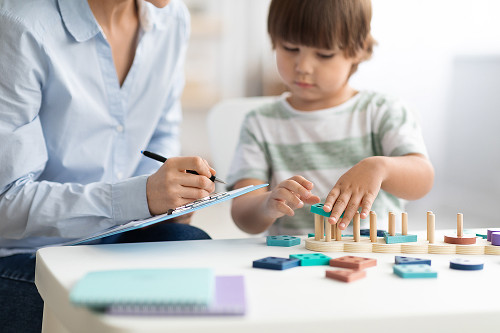
Before the course begins, a comprehensive diagnostic is conducted. It takes 1-2 hours and includes tests, observation, and anamnesis analysis.
The result is a detailed map of brain function—a kind of "neuroprofile" of the child.
This approach allows the neuropsychologist to pinpoint the child's weaknesses and develop a personalized correction plan.
Diagnostics often help identify causes that remain undetected even by experienced teachers or speech therapists.
General information
Treatment and Correction
After diagnosis, the neuropsychological correction phase begins.
The duration of the course depends on the child's age and the severity of the impairment. Typically, 10-20 sessions are required, 1-2 per week.
Corrective methods include:
- Neurogames and exercises to improve memory and thinking
- Sensorimotor correction – working with the body and movement
- Cognitive-behavioral techniques to help manage emotions
- Working with a speech therapist, psychologist, and pediatrician
The main result is that the child begins to better understand instructions, concentrate, and control behavior and emotions. After just a few sessions, parents notice that their child becomes calmer, more confident, and responds more quickly to adult requests. These changes indicate that the brain is beginning to function more smoothly, and new neural connections are being strengthened naturally.



Why is it better to choose a child neuropsychologist at K+31?
Choosing a clinic is just as important as choosing a specialist. At K+31, neuropsychology is part of a larger interdisciplinary system where not only psychologists but also doctors, speech therapists, neurologists, and teachers work on a child's development. Advantages of the K+31 center:
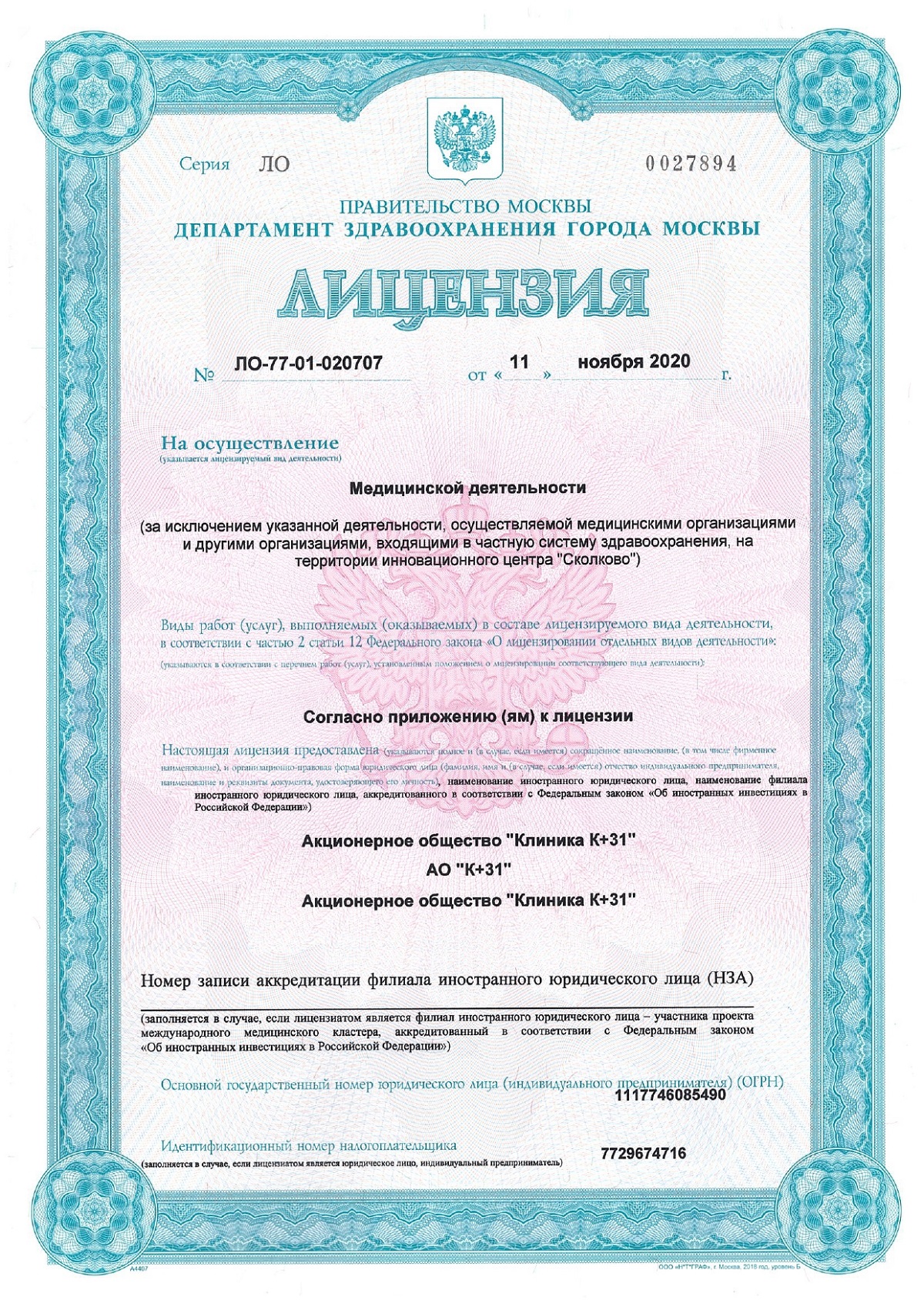
- Clinical approach. All neuropsychologists are medically accredited and work closely with doctors. This guarantees safe and accurate diagnostics.
- Comprehensive care. If neurological or speech therapy problems are detected during diagnosis, the child can immediately receive a consultation with a related specialist.
- Individualized programs. A personalized lesson plan is created for each child, which is adjusted as they progress.
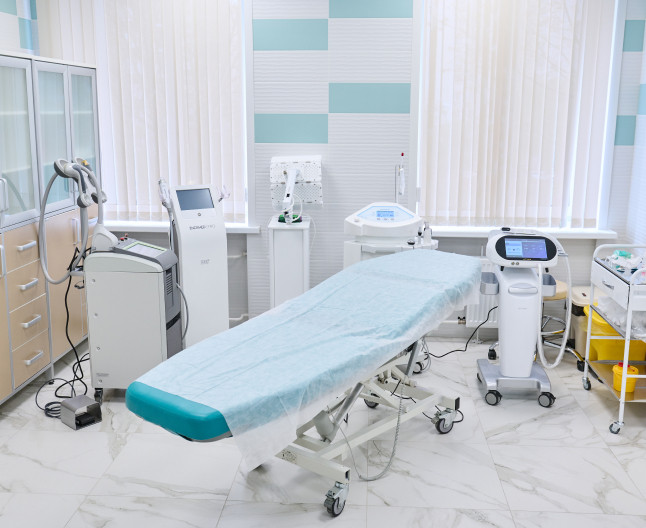
- Modern equipment. We use neuro-controlled simulators, sensory integration systems, and testing systems used in leading children's centers in Europe.
- Psychological comfort. The doctors and teachers at K+31 create a trusting atmosphere – the child perceives the process not as treatment, but as an exciting journey.
- Parental support. At every stage, parents receive feedback and recommendations on communication and child development.
Parents note in their reviews that classes at K+31 not only help improve behavior and attention, but also restore self-confidence and increase motivation for learning.
If you're looking for a neuropsychologist in Moscow who truly helps, K+31 is one of the few places that combines a clinical approach with personalized care for the child.

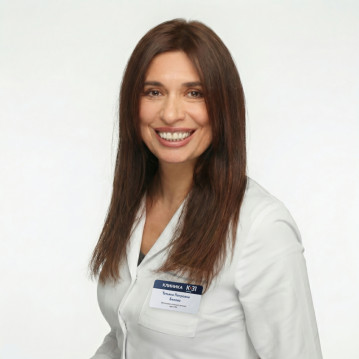
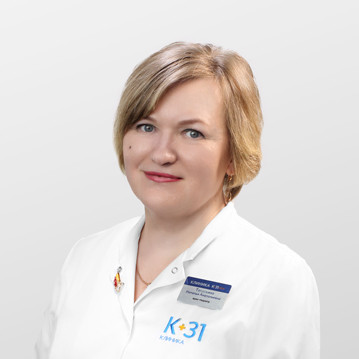
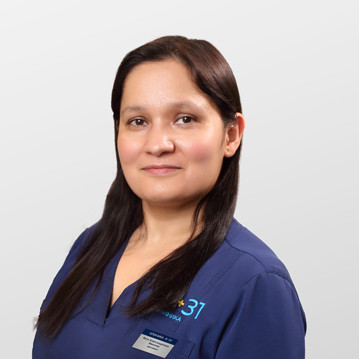
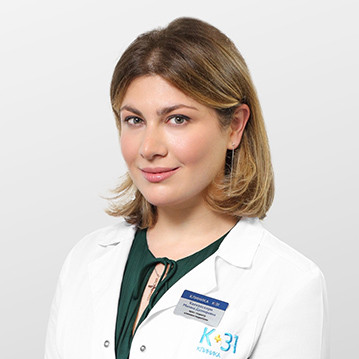
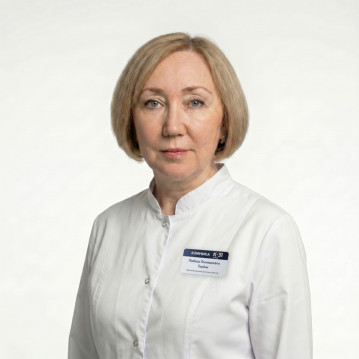
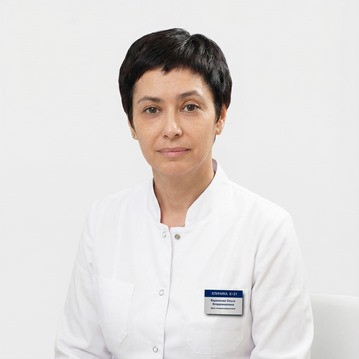
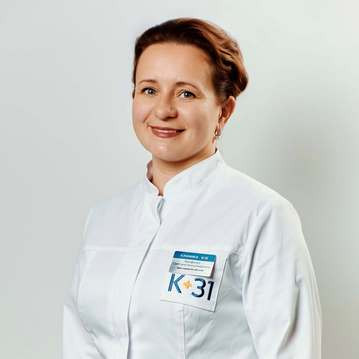
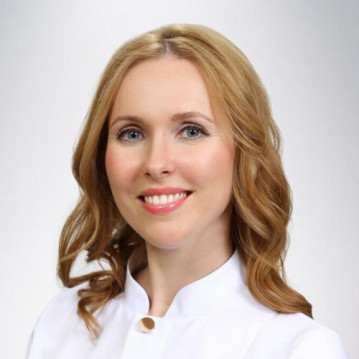
Our doctors



























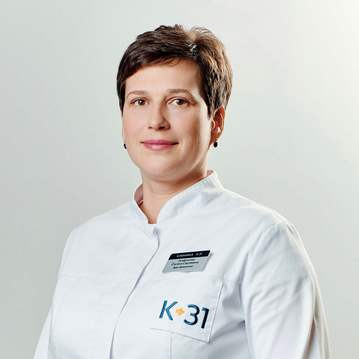





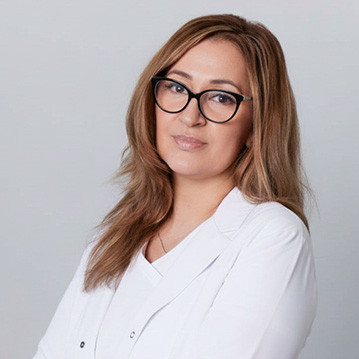
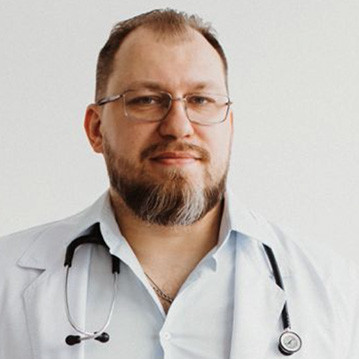





This award is given to clinics with the highest ratings according to user ratings, a large number of requests from this site, and in the absence of critical violations.

This award is given to clinics with the highest ratings according to user ratings. It means that the place is known, loved, and definitely worth visiting.

The ProDoctors portal collected 500 thousand reviews, compiled a rating of doctors based on them and awarded the best. We are proud that our doctors are among those awarded.
Make an appointment at a convenient time on the nearest date
Price
Other services

Appointment to the doctor
Reviews









Our clinics


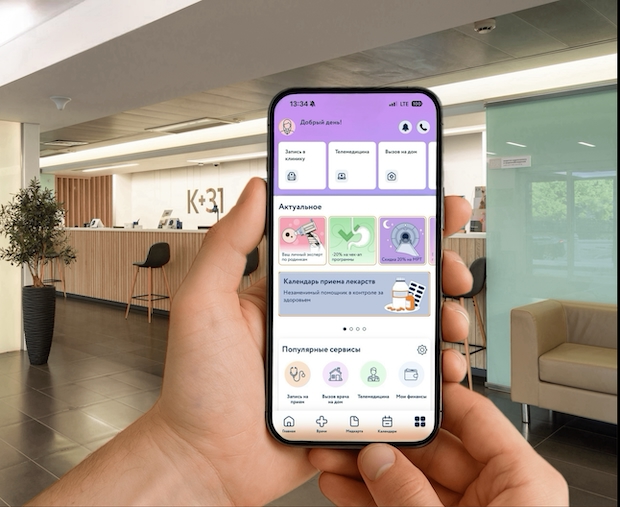
Application “Personal Account K+31”










What is child neuropsychology?
What is child neuropsychology?
Child neuropsychology is a field at the intersection of psychology and medicine that studies the relationship between brain function and a child's behavior.
The main goal of a neuropsychologist is to understand which areas of the brain need activation or correction to ensure harmonious development.
Unlike a regular psychologist, a clinical neuropsychologist uses a comprehensive diagnosis that focuses not on external manifestations, but on the causes—where exactly the brain is malfunctioning.
For example:
This diagnosis allows for the creation of an individualized lesson plan. aimed not just at learning, but at restoring neural connections responsible for attention, memory, speech, and motor skills.