
Pediatric Osteopath
Pediatric osteopathy is a manual therapy. The practitioner gently works with the child's tissues and body mobility, thereby helping the body adapt to growth and stress. This approach is used as a supportive aid, as well as when it is necessary to improve comfort of movement and reduce stress on specific areas of the child's spine.

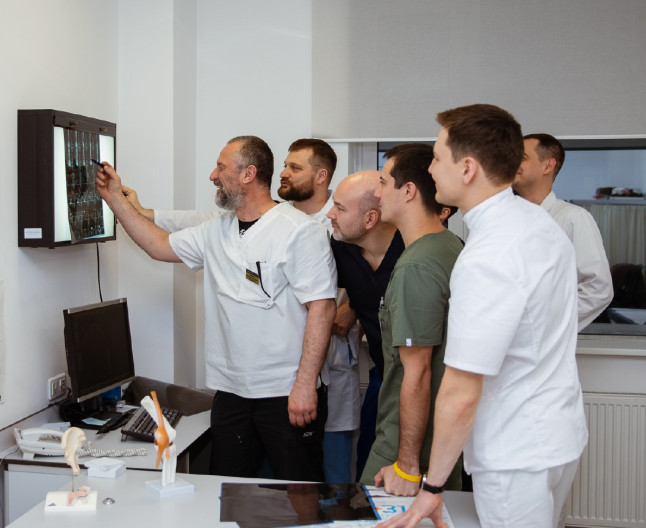
specialists

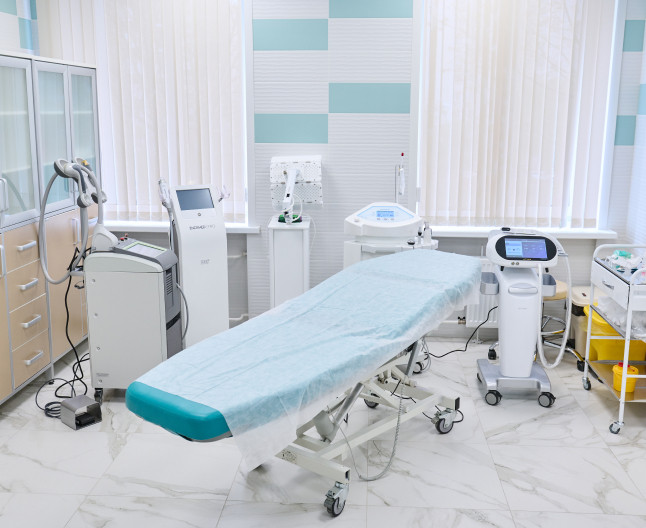
equipment

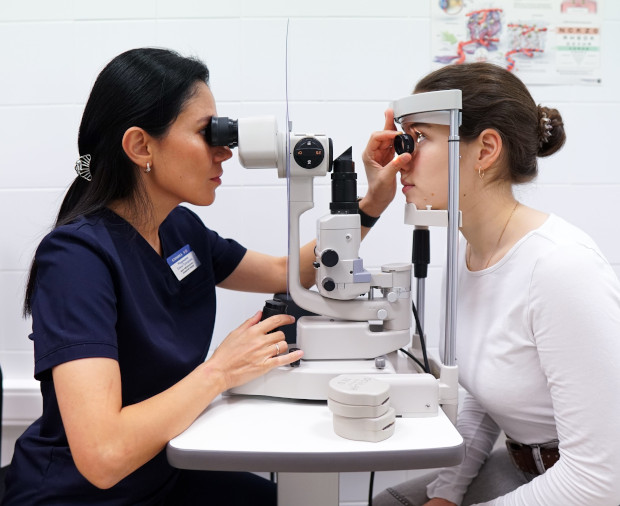
treatment




Indications for contacting a pediatric osteopath

Reasons for consulting a pediatric osteopath may include poor posture, strain due to injuries, or frequent complaints of discomfort. The decision on treatment strategy is made by a specialist, but always after an examination. In some cases, additional diagnostics from a specialized specialist are required.
The primary guideline is the specific goal of therapy. It is important to determine what needs to be improved and what problem needs to be addressed. Therefore, a comprehensive examination is first performed, taking into account the child's age and general health. Only then does the specialist select an appropriate and gentle treatment plan.
It is important to remember that a pediatric osteopath is useful as part of a comprehensive therapy. They can help with the following problems. For example, this may include anxiety in newborns, difficulties with adaptation, increased sensitivity to body position, functional sleep disorders, strain, or noticeable body asymmetry.
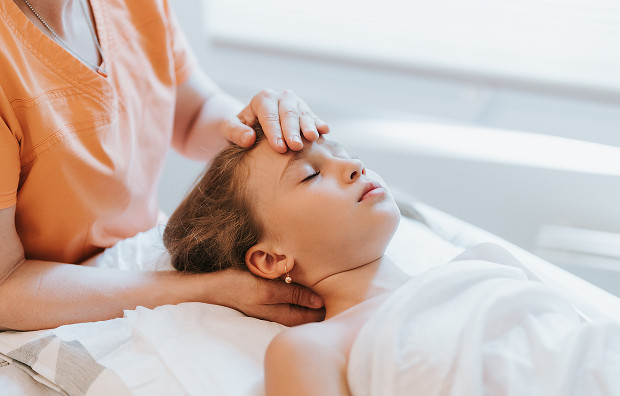
A child may also complain of headaches, increased fatigue, and stiffness after school or sports. An osteopath can help with problems caused by bruises, falls, and stress. This specialist provides posture and coordination correction therapy and helps with muscle problems. This specialist can also be helpful in supporting rehabilitation for certain musculoskeletal conditions. If a child has an acute condition, such as fever, severe pain, or neurological symptoms, they should first consult a specialist. An osteopath will refer them for the necessary diagnostics or join in later. This will ensure 100% safe treatment. This approach helps ensure the most important steps are taken, identifying all problems and then providing the child with comprehensive professional care. A specialist can also help with disease prevention.
Contraindications to therapy

Contraindications can be absolute or temporary: in some conditions, a manual approach is not used or postponed to avoid harming the child. Therefore, even if you are certain that "an osteopath is needed," it is best to begin with an in-person assessment and a brief medical history.
- Acute infection, high fever, severe general malaise
- Active inflammation, severe pain of unknown origin
- Recent injury with a suspected fracture, dislocation, or other serious injury
- Conditions that require initial treatment by a specialist or inpatient observation
- Any situation where the child cannot tolerate the examination or there is a risk of deterioration due to exposure
If in doubt, it is safer to first undergo diagnostic testing and get the green light from a doctor before planning osteopathic treatment. In such cases, a specialist may offer alternative assistance: gentle rehabilitation, dynamic observation, or referral to the appropriate specialist.
General information about the procedure
How does a pediatric osteopathic appointment work?
The initial appointment begins with a conversation. The osteopath asks the mother about the pregnancy, the birth, the baby's development, and any current concerns the young patient may have. They also ask about any previous examinations, any treatments, and any health restrictions.
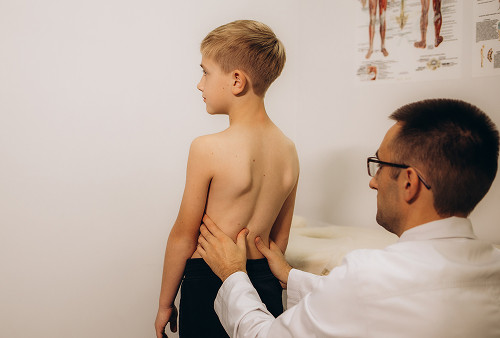
Afterward, the doctor conducts an examination, assessing the young patient's posture, symmetry, breathing, joint mobility, and tissue response. The doctor also learns about the child's usual body positions, which are most comfortable for them in everyday life.
Children under one year of age are examined while held by their parents. This way, the child is calmer during the examination and more responsive to the doctor.
Then, the specialist explains the treatment plan. He explains how many sessions may be needed to resolve a specific issue, what sensations are acceptable, how to monitor progress, and when supervision by another specialist is needed.
At our clinic, the therapy and counseling process is as transparent as possible. Patients understand the purpose of each step and the ultimate outcome they will achieve, receiving a specific treatment plan rather than an abstract, year-long plan.

Why is it better to make an appointment with a pediatric osteopath at the K+31 clinic?
When parents search for an osteopath for their children in Moscow, they value not only the specialist but also a convenient process: online booking, clear navigation through services, quick phone contact, and the ability to undergo examinations in one center if needed. At K+31, this is organized like a multidisciplinary clinic: you can combine an osteopathic appointment with consultations with related doctors if the problem requires a comprehensive approach, avoiding wasting time on separate visits.
A plus is the service's transparency: parents can see how the appointment process works, where to check the cost, and how to receive confirmation of the appointment. This is especially convenient when a one-time visit is needed, rather than a consistent treatment plan with progress monitoring and home care recommendations. If necessary, the clinic helps plan a route from the initial consultation to diagnostics and rehabilitation services, eliminating the need to search for everything at different locations. And if a child's symptoms change, it's easier to quickly reschedule and adjust the doctor's plan without falling behind schedule.
Frequently Asked Questions
How many sessions should I see an osteopath?
How to prepare a child for an osteopathic appointment?
Are there any contraindications to osteopathic treatment?


This award is given to clinics with the highest ratings according to user ratings, a large number of requests from this site, and in the absence of critical violations.

This award is given to clinics with the highest ratings according to user ratings. It means that the place is known, loved, and definitely worth visiting.

The ProDoctors portal collected 500 thousand reviews, compiled a rating of doctors based on them and awarded the best. We are proud that our doctors are among those awarded.
Make an appointment at a convenient time on the nearest date
Other services

Appointment to the doctor
Reviews
Our clinics


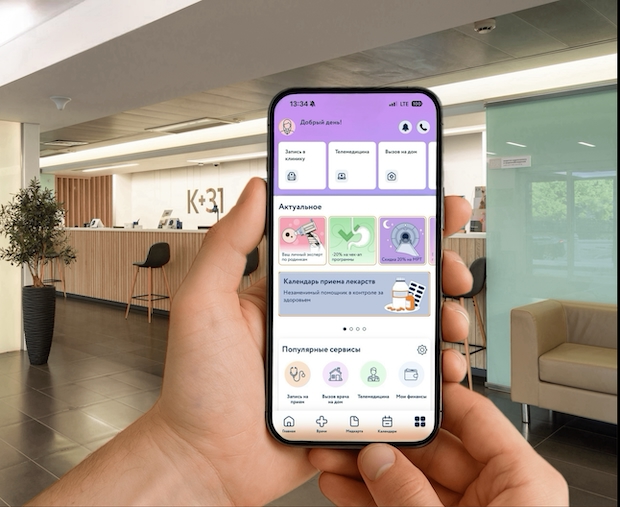
Application “Personal Account K+31”










What is pediatric osteopathy?
Pediatric osteopathy is a manual therapy. The therapist gently works with the tissues and mobility of the child's body, thereby helping the body adapt to growth and stress. This approach is used as a supportive aid, and also when it is necessary to improve comfort of movement and reduce stress on specific areas of the child's spine.
Osteopathy for children does not break or forcefully reset. It is a gentle approach. The specialist acts carefully, gently manipulating the body's tissues, assessing the child's reactions, and selecting a technique that is ideally suited to the young patient's age. An osteopath works with both newborns and adolescents. In practice, the therapy is calm, careful work with minimal pressure, where the young patient's initial reaction comes first.
An osteopath for children does not replace a pediatrician or specialist physician. An osteopath complements treatment and rehabilitation if functional problems exist. Osteopathy often works well in conjunction with physical therapy, exercise regimens, and home care recommendations. This results in more sustainable results. Therapy emphasizes comfort and safety. The osteopath works painlessly, avoiding sudden movements.
If pain symptoms arise during a therapy session, a different approach is required. In this case, the specialist recommends additional diagnostics or refers the child for a consultation with another specialist. This avoids blind treatment and allows for a tailored approach that truly suits your child.