
MRI of the brain and blood vessels for children
MRI of the brain and blood vessels in children is a safe and informative diagnostic method that helps identify congenital anomalies, the consequences of trauma, inflammation, tumors, and circulatory disorders. The procedure is painless and radiation-free, suitable even for young children. The examination allows the doctor to accurately assess the condition of the brain and blood vessels, and parents to get answers to important questions about their child's health.

specialists

equipment

treatment






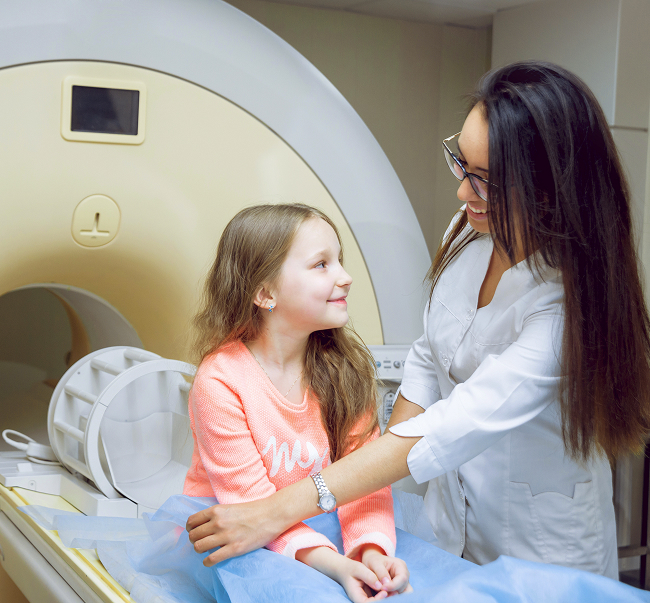
When do children get an MRI?
MRI is performed in children when a thorough and accurate examination of the brain structure, blood vessels, and soft tissues is necessary, especially when other methods (ultrasound, X-ray) do not provide a clear picture.
MRI is most often performed on children in the following cases:
- Developmental disorders - if a child is lagging behind in speech, psychoemotional, or motor development, MRI is used to diagnose congenital anomalies, underdevelopment of brain structures, or the presence of perinatal trauma.
- Consequences of traumatic brain injury - even in the absence of external symptoms, MRI can reveal brain damage, hemorrhages, and high-risk areas, which is important for further monitoring and treatment.
- Suspected tumors, aneurysms, hydrocephalus, cysts, inflammation, blood flow disorders, or congenital anomalies - MRI allows for an accurate diagnosis without radiation exposure.
- Preparation for surgery or postoperative observation - to assess the condition of the brain and blood vessels after surgery.
- Postoperative monitoring, trauma or when monitoring chronic diseases, when it is important to assess the dynamics of recovery and exclude relapses.
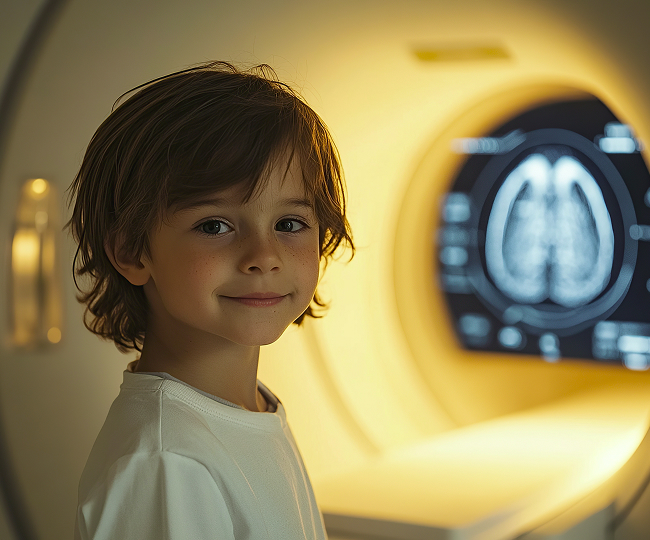
At what age is an MRI prescribed?
MRI can be performed from the first days of life. The method is performed without the use of X-rays, making it safe even for newborns. In infants, MRI is often performed while the child is asleep or under light sedation to ensure the child remains still and the images are as informative as possible. For children aged 5–6 years, the scan is usually performed without anesthesia—the main thing is that the child can lie quietly in the machine for 15–30 minutes.
How safe is MRI for children?
MRI is a non-invasive examination that, unlike X-rays and CT scans, does not use ionizing radiation. Therefore, the procedure is safe even for the youngest patients. The machine operates using a magnetic field and radio waves, without causing any harmful effects on tissues, organs, or the developing nervous system. MRI does not interfere with a child's growth, immunity, or overall well-being.
The examination can be repeated multiple times if necessary. However, like any complex medical procedure, MRI is performed only when indicated. Extra caution is required when using a contrast agent or when the procedure is performed under general anesthesia.
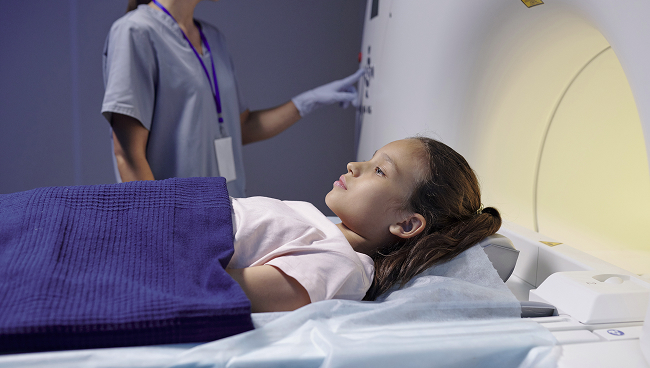
When anesthesia is needed
If a child is unable to lie still for several minutes due to age, anxiety, fear, hyperactivity, seizures, tics, or other neurological conditions, medication-induced sedation or general anesthesia is often used to obtain high-quality images.
Anesthesia is also used if the child experiences severe anxiety in the confined space of the CT scanner (claustrophobia), has previously reacted negatively to examinations, or the use of contrast is required.
In such cases, anesthesia ensures the child remains calm, motionless, and, as a result, produces clear, informative images, which is important for an accurate diagnosis.
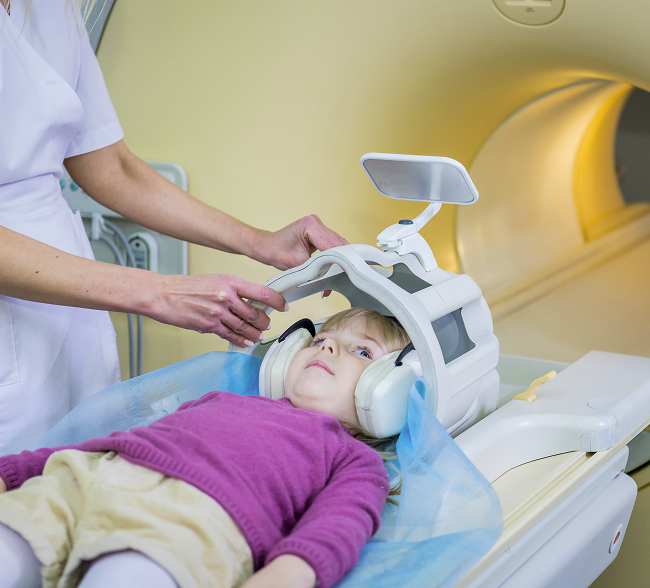
Specifics of MRI for Children
When conducting diagnostic tests, K+31 specialists always consider the age, psychological comfort, and physical characteristics of the young patient.
When preparing for an MRI, the doctor assesses whether the child can lie still for 20-40 minutes. Light sedation or general anesthesia is often used for young children, and the anesthesiologist closely monitors their condition during the procedure. After the procedure, time is given for the child to recover from the sedation. Leaving the clinic is permitted only after a doctor's examination. If contrast was used, we provide recommendations on fluid intake and monitoring the patient's condition for several days after the diagnosis.
MRI is performed by experienced, attentive staff who are able to find a common language with young patients, even in difficult situations. Soft headphones or earplugs are used to ensure reliable hearing protection.
All images are interpreted by an experienced pediatric radiologist. If necessary, neurologists or vascular surgeons are involved. Parents are provided with a detailed report, with clear explanations of the brain structure and blood vessels, as well as the presence or absence of abnormalities.
MRI at K+31 is a professional approach where the child's safety and quality of diagnostics always come first.
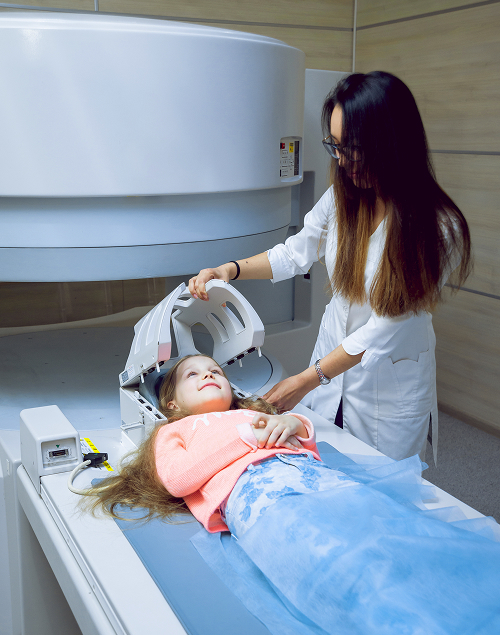
Preparing for the examination
Preparing for an MRI is an important step that affects your child's comfort and the quality of the images obtained. At the K+31 clinic, we recommend paying attention to several key points.
Explain to your child about the upcoming procedure, show them images of the machine, and explain that it resembles a "tube" or a "train tunnel." Warn them that loud noises, similar to knocking or humming, will be heard inside. If parents have difficulty calming their child on their own, they can always contact the clinic's specialists, who will clearly and competently explain the upcoming procedure to their little patient.
It's important to wear comfortable, loose clothing without fasteners, buttons, zippers, or other metal parts. Before entering the MRI room, remove all metal objects and any electronic devices.
If the scan is being performed without anesthesia, ensure that the child is well-rested the day before the MRI, has had a good night's sleep, and is willing to lie quietly for 20-40 minutes.
If an MRI is scheduled under sedation, it's important to follow the recommended time for last eating and drinking. It's generally recommended not to eat or drink for 4-6 hours before the procedure.
To ensure your child feels safe and comfortable, you can bring a blanket, a favorite pillow, or a stuffed animal with you to the clinic. It's important that these items do not contain any metal parts, as they could interfere with the equipment and lead to inaccurate results.
Parents' attitudes are equally important before the clinic visit. Children sense adults' anxiety. A calm, confident stance, kind words, and a willingness to support are essential parts of the preparation. Explain why an MRI is needed, that it's safe and painless, and that you'll be there. Support from loved ones reduces fear and helps ensure a stress-free examination.
Why is it better to have an MRI done for a child at K+31?
At K+31, we strive to make your child's MRI procedure as comfortable, safe, and informative as possible.
By choosing K+31 for your pediatric MRI, you receive comprehensive care: from preparation to results interpretation, taking into account all medical and psychological aspects.

Why is it better to have your child undergo an MRI with us?
- Modern, safe equipment Our equipment is configured to minimize noise and optimized for pediatric use, allowing us to scan even the youngest patients without unnecessary discomfort.
- Promptness MRIs are performed by appointment. You arrive at the clinic at your scheduled time and are immediately admitted to the procedure without long waits or lines.
- Radiation-free safety MRI uses a magnetic field and radio waves—no ionizing radiation, meaning the scan can be repeated multiple times, even on newborns.
- Experienced specialists K+31 employs qualified radiologists, anesthesiologists, and paramedics who know how to prepare a child and conduct the examination so that they feel calm and safe.
- Individualized approach and psychological comfort When performing the procedure, the doctor always takes into account the specific needs of the individual patient.
- Maximum precision Modern technology and detailed equipment settings allow us to obtain clear, detailed images.
- Transparent pricing The current price for the examination is announced when the diagnostic appointment is made. The price list for services is available on the clinic's website.
Prices for MRI scans for children in Moscow
The cost of pediatric MRI in Moscow depends on a number of factors:
- Type of examination: for example, standard brain MRI, vascular angiography, MRI with "special" protocols
- Use of contrast agent: the procedure cost is higher due to the drug and additional procedure time.
- Need for anesthesia or sedation
- Additional services: saving results to disk/USB, image forwarding, urgent doctor's interpretation, consultation with specialized specialists.
You can clarify the cost of pediatric MRI at our clinic after an in-person consultation with a doctor, during which the specialist will determine the complexity and type of examination. For a consultation, please call our contact number; our administrators will answer all your questions.
Our doctors















































This award is given to clinics with the highest ratings according to user ratings, a large number of requests from this site, and in the absence of critical violations.

This award is given to clinics with the highest ratings according to user ratings. It means that the place is known, loved, and definitely worth visiting.

The ProDoctors portal collected 500 thousand reviews, compiled a rating of doctors based on them and awarded the best. We are proud that our doctors are among those awarded.
Make an appointment at a convenient time on the nearest date
Price
Other services

Appointment to the doctor
Reviews

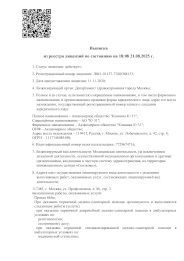

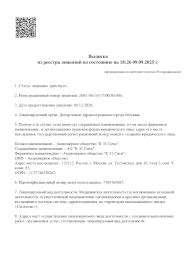

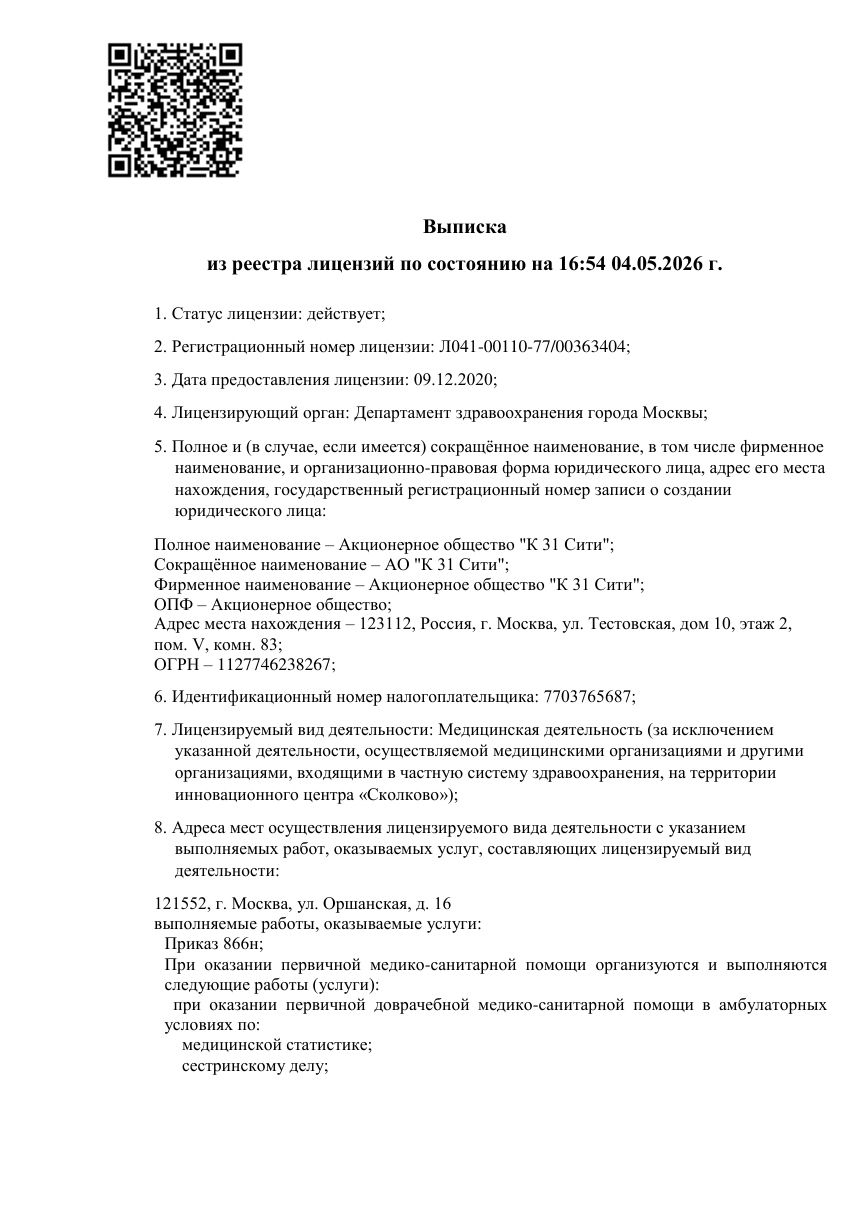
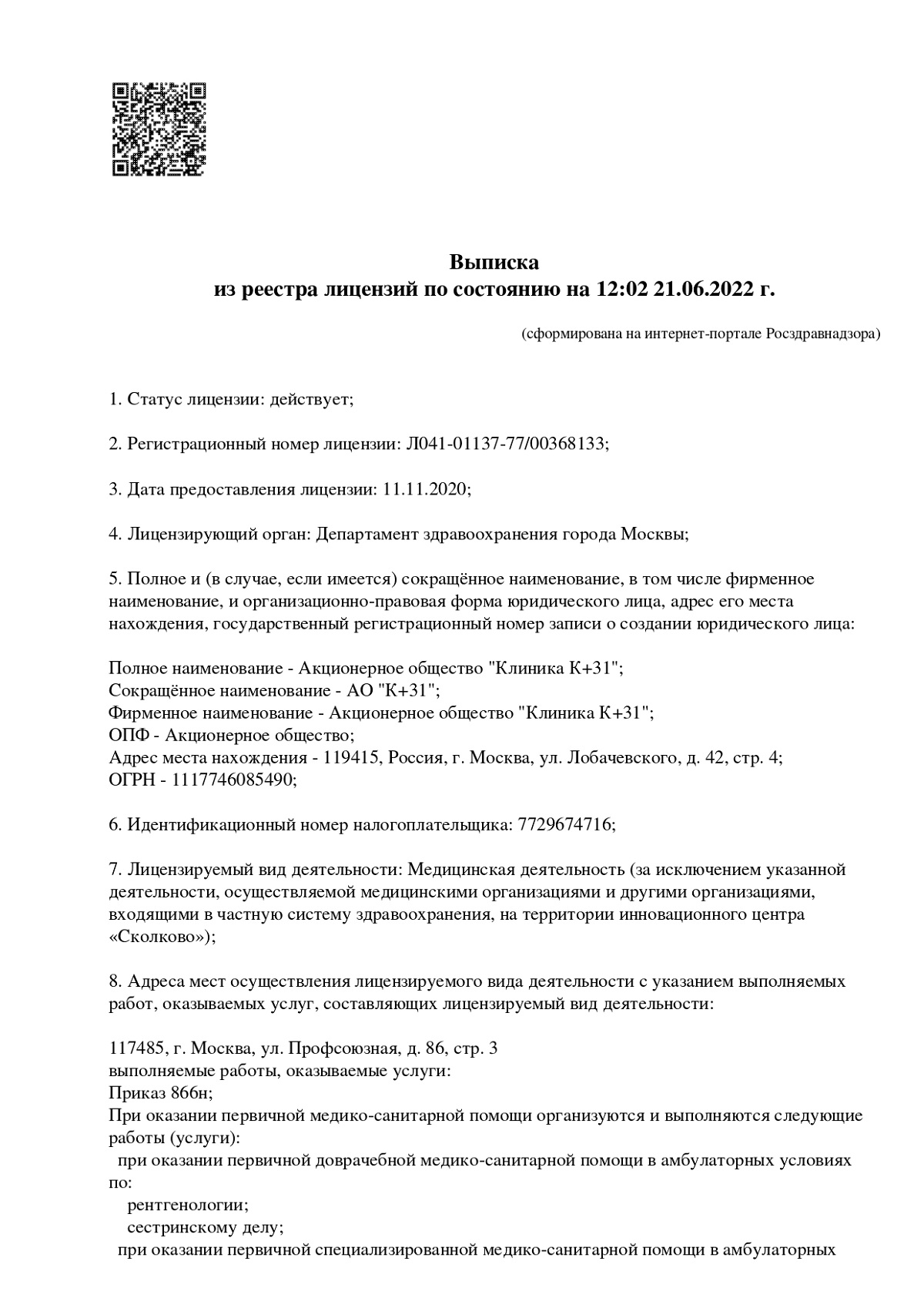
Our clinics


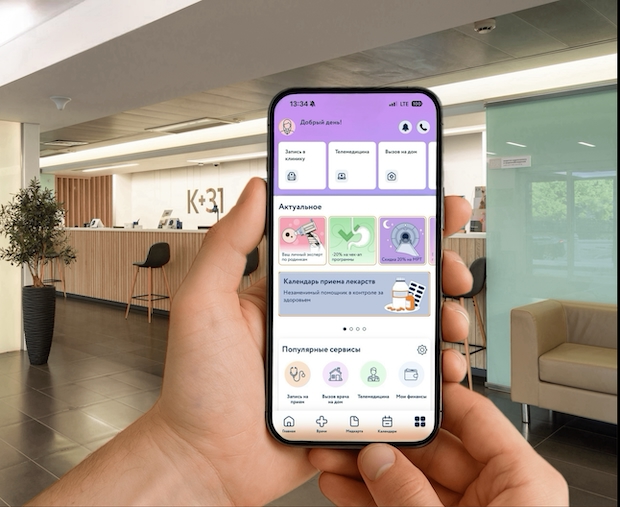
Application “Personal Account K+31”











Indications and contraindications for MRI
An MRI is recommended for children under the following conditions:
An absolute contraindication to MRI in a child is the presence of ferromagnetic implants, metal clips on blood vessels, pacemakers, and other devices sensitive to magnetic fields. MRI is also not performed if the patient has an insulin pump or hearing implant.
Relative contraindications to magnetic resonance imaging include severe claustrophobia, severe anxiety, and inability to remain still during the examination. In such cases, the procedure may require sedation. Contrast-enhanced MRI is not recommended for pediatric patients with an allergy to the contrast agent or severe renal impairment.