
Treatment of uterine fibroids with bleeding in a hospital setting
Fibroids are often accompanied by bleeding. In this situation, there's no time to waste; you need to contact your gynecologist immediately; waiting for a scheduled appointment is dangerous.
The best option is to be admitted to the hospital. There, doctors perform two tasks: first, they stop the bleeding, and then they stabilize the woman's condition. Inpatient treatment of uterine fibroids offers the opportunity to preserve life and fertility.

specialists

equipment

treatment






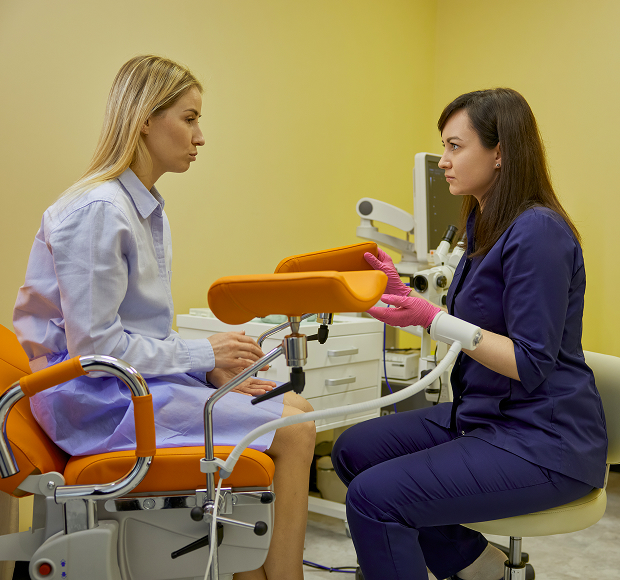
Indications for emergency and planned hospitalization
Patients are referred to the hospital either urgently or on a planned basis, depending on the situation.
When emergency care is needed:
- Bleeding is heavy, a pad becomes soaked within 1-2 hours
- Severe weakness, dizziness, or pre-syncope
- Pulse rate is increased, blood pressure is dropping
- There are signs of severe anemia
Elective hospitalization is usually necessary if:
- There are heavy menstrual periods with fibroids (not in every cycle)
- Bleeding appears mid-cycle
- The fibroids were detected on ultrasound, but they do not cause discomfort
- Hemoglobin is below normal and cannot be raised with medication
Self-medication for uterine bleeding is dangerous. Do not take hormones or herbs on your own. If the situation isn't urgent, see your gynecologist; they'll refer you to the hospital. If the bleeding is so heavy that you can't get out of bed, call an ambulance immediately.
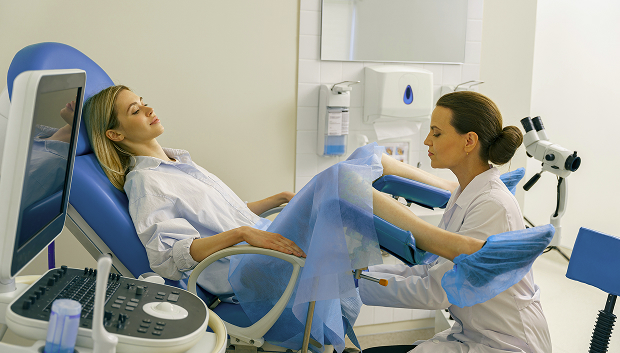
Diagnostics in a hospital setting
An examination is performed immediately in the hospital. The main goal is to determine the cause of the bleeding and eliminate it.
The following procedures are performed in the hospital:
- Examination on a chair
- Complete blood test, coagulation profile
- Ultrasound
These procedures are performed on all women. However, if there are additional complaints, the doctor may prescribe a more extensive examination.
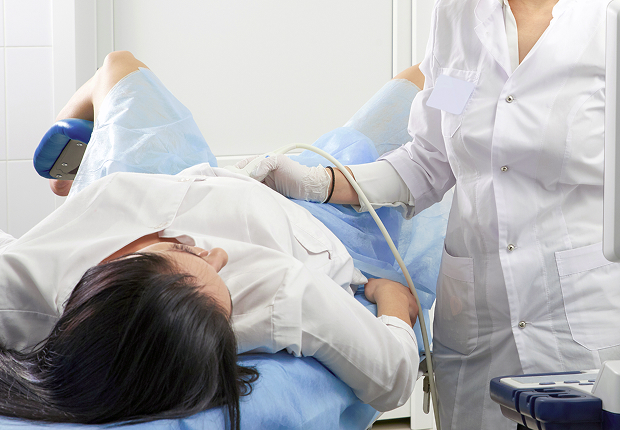
Ultrasound
Ultrasound reveals the size and location of nodules, the thickness of the lining, signs of polyps, and the condition of the ovaries. Inpatient treatment for uterine fibroids begins with an ultrasound, as it's impossible to choose the appropriate treatment strategy without an accurate picture.
Hysteroscopy and separate diagnostic curettage
Hysteroscopy is an examination of the uterus through a camera. This allows the doctor to see inside and, if necessary, remove a polyp or take tissue for analysis.
Diagnostic curettage for fibroids is performed to stop bleeding and perform a histological examination. Curettage does not cure fibroids; it is only a way to relieve symptoms.
Methods of treating fibroids in a hospital
Treatment depends on the woman's age, plans for pregnancy, the size of the fibroids, the amount of bleeding, and her overall health. Doctors always strive to preserve the uterus, even in women who no longer plan to have children. Removing the uterus immediately alters hormonal levels, so health is the priority.
Uterine bleeding due to fibroids and treatment are always aimed at maintaining the woman's quality of life.
Conservative hemostatic therapy
First, the bleeding must be stopped. Hormonal medications are prescribed for this. If anemia is present, iron supplements are given. Treatment doesn't always involve pills. IVs and injections are also prescribed.
Organ-preserving surgery (myomectomy)
Myomectomy is the removal of fibroids while preserving the uterus. This method is used when performing surgery on a woman planning a pregnancy.
Uterine fibroid removal in the hospital can be performed either laparoscopically or as an open surgery.
Minimally invasive methods: EMA and FUS ablation
UAE (uterine artery embolization) is another treatment option. In this case, the doctor unties the node and cuts off its oxygen supply. Over time, the node shrinks.
This is not a full-fledged operation. Yes, there is some surgical intervention, but it is minor. This is a good treatment option in situations where a woman has multiple nodes.
FUS ablation is an ultrasound treatment. It's a good method, but not suitable for everyone. The decision on this option is made by a hospital gynecologist after an examination.
Radical treatment (hysterectomy)
Hysterectomy is the removal of the uterus. It's a last resort, used when other methods have failed. Doctors always start with conservative treatment, regardless of the woman's status: even if the patient has had a child, they still try to preserve the uterus.
Rehabilitation and length of hospital stay
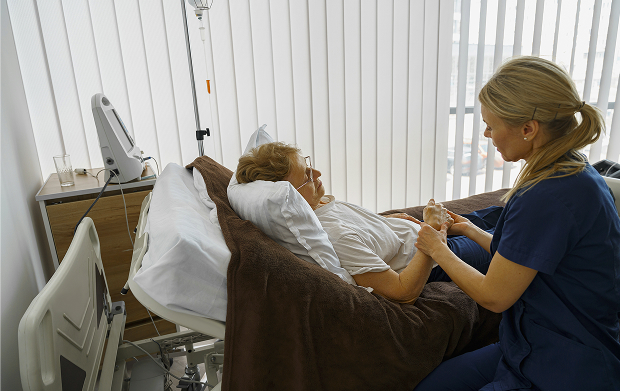
The length of hospitalization depends on the method. Conservative treatment for bleeding typically requires a hospital stay of 3-5 days.
If surgery was performed, including laparoscopy, the hospital stay is 5 to 7 days.
Rehabilitation is very simple:
- Monitor your general condition and the amount of discharge
- Prevent further anemia associated with uterine fibroids (get iron and ferritin levels tested)
- Limit physical activity
- Avoid sexual activity
- See a gynecologist at your place of residence
FAQ
Can I stop bleeding at home with pills?
Is the uterus always removed for fibroids?
Why do they still suggest an examination after the bleeding has stopped?
How long does recovery take?
Important: This information is for informational purposes only. Do not self-medicate. Consult your doctor if the wait to see a gynecologist is too long.
Our doctors






This award is given to clinics with the highest ratings according to user ratings, a large number of requests from this site, and in the absence of critical violations.

This award is given to clinics with the highest ratings according to user ratings. It means that the place is known, loved, and definitely worth visiting.

The ProDoctors portal collected 500 thousand reviews, compiled a rating of doctors based on them and awarded the best. We are proud that our doctors are among those awarded.
Make an appointment at a convenient time on the nearest date
Other services

Appointment to the doctor
Reviews










Our clinics


Application “Personal Account K+31”












Why does bleeding occur with fibroids and why is it dangerous?
Myomas are nodules in the wall of the uterus. They interfere with normal uterine contractions and disrupt the functioning of the endometrium.
In the beginning, the nodules cause no symptoms: menstrual cycles are normal and there is no pain. Symptoms of uterine fibroids include bleeding. This includes both mid-cycle bleeding and increased menstrual flow.
As the nodules enlarge, the cycle changes: in some women, it shortens, while in others, it lengthens.
Anemia almost always develops with uterine fibroids. A woman loses a lot of blood, resulting in a drop in iron levels. This results in constant fatigue, drowsiness, and a rapid heartbeat.
Bleeding from uterine fibroids is a reason to see a doctor. Most often, the nodules are removed surgically, so a local gynecologist won't be able to resolve this issue.