
Treatment of enuresis in a hospital setting
Bedwetting in children and adolescents is a medical problem that can only be addressed after a complete diagnosis. While the problem can be addressed on an outpatient basis, inpatient treatment of bedwetting offers the opportunity to control symptoms, quickly adjust therapy, and address the patient's psychological needs.

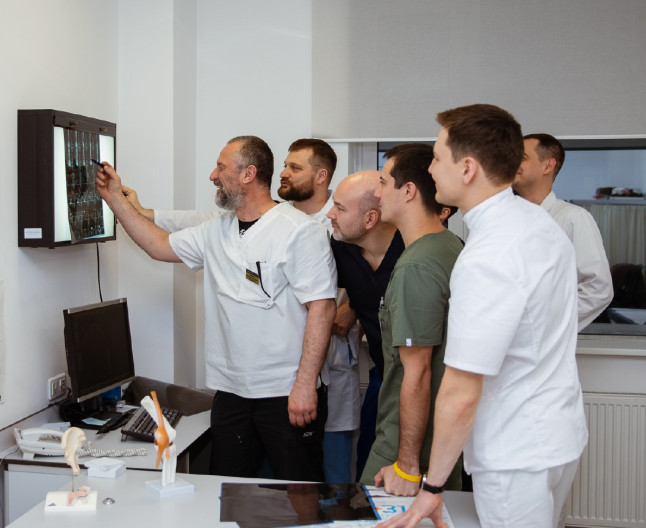
specialists

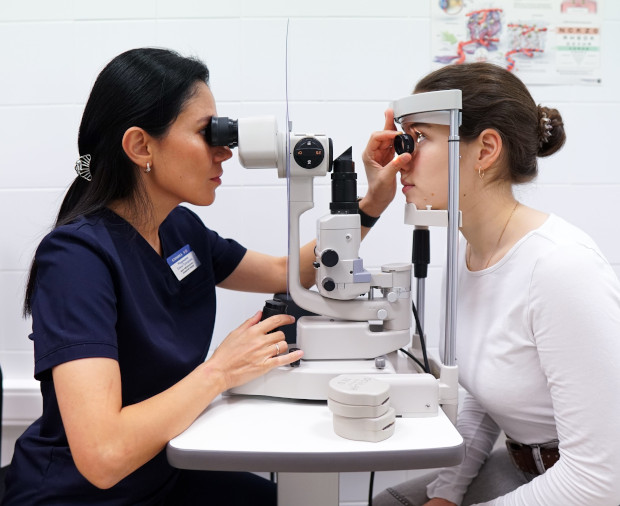
equipment

treatment






Indications for hospitalization for urinary incontinence
Not every urinary incontinence requires a hospital stay, but hospitalization for enuresis is a priority in the following cases:
- Incontinence is associated with infection (this issue is addressed by a nephrologist)
- There is a suspicion of organ developmental abnormalities (a urologist consultation is required)
- Outpatient treatment has been ineffective
Inpatient treatment is also recommended when a detailed examination of enuresis is necessary to identify its cause (this requires equipment not available in a clinic).
How is diagnostics carried out in hospital?
Diagnosing enuresis in the hospital is aimed at finding the underlying cause. This could be a small bladder capacity or neurological disorders.
Laboratory and instrumental examinations
On the first day of the patient's stay, they undergo comprehensive tests. At this stage, kidney function must be assessed: functional tests and biochemistry are prescribed.
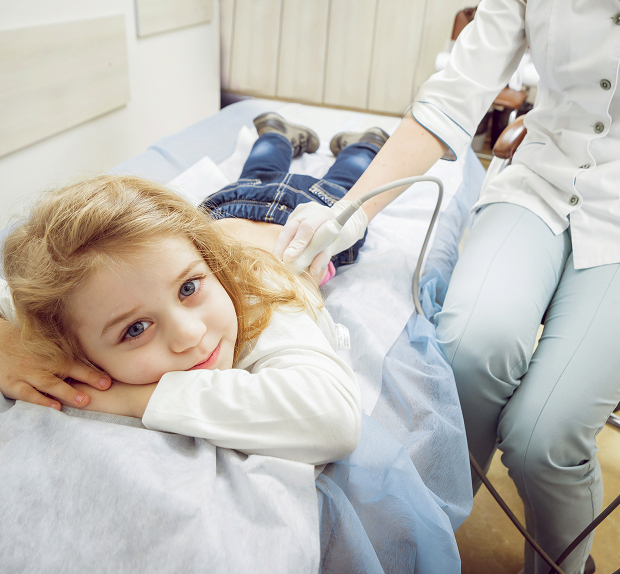
Then the doctor performs an ultrasound and determines the volume of residual urine: this helps rule out a recurrence of inflammatory processes.
Urodynamic tests and consultations with specialized specialists
The key test is uroflowmetry—an objective assessment of urination. In the hospital, the child is examined by a neurologist to assess the maturity of the central nervous system. Comprehensive therapy is impossible without the participation of specialists who assess the condition of the urinary tract and the innervation of the pelvic organs.
Basic methods of inpatient therapy
In the hospital, therapy is selected individually, based on the diagnostic data obtained.
Physiotherapy treatment
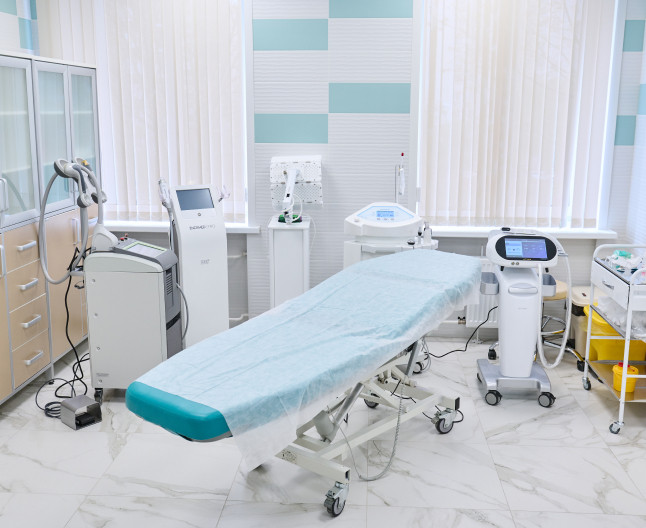
Physiotherapy for incontinence in a clinical setting includes modern hardware techniques. One of the most effective is biofeedback therapy (BFB). This method teaches children to consciously control the muscles that control urine flow. The device records muscle contractions and displays them on a screen as a game, making the learning process engaging and effective.
Medication correction and regimen
Treatment involves the use of medications that regulate the urinary system. New forms of desmopressin are now being used, which help compensate for the lack of natural antidiuretic hormone at night. Doctors also strictly monitor fluid intake, distributing the load so that the majority of water is consumed in the first half of the day.
Working with a psychotherapist
Psychological support is also important.
If the nephrologist or urologist doesn't find anything critical during the examination, a psychologist joins the treatment process. Their job is to understand what exactly caused the bedwetting.
Benefits of 24-hour medical supervision
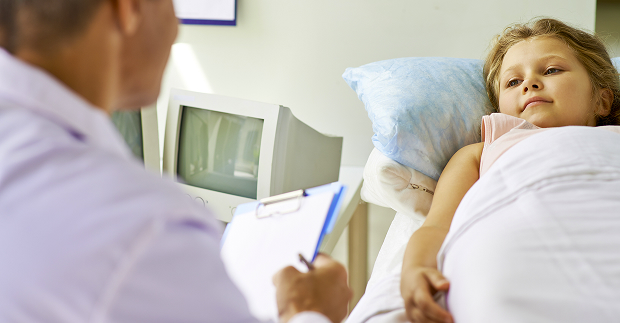
The main advantage of inpatient bedwetting treatment is safety and accuracy. Doctors can see how the child behaves during sleep, how often involuntary urination occurs, and what triggers it.
At home, it's impossible to accurately determine the underlying cause. The child may become withdrawn and avoid telling parents about their problems. It's easier to talk to a doctor: medical professionals are always associated with help and support.

Preparing for hospitalization: what you need to know
Hospitalization for enuresis is usually planned. This is not a condition that requires urgent treatment.
First, you need to undergo an examination at a clinic (outpatient clinic). The pediatrician will refer you for a complete blood count, urine analysis, and biochemistry. You can also schedule an ultrasound through your pediatrician.
Self-treatment of bedwetting or ignoring the problem leads to kidney infections and psychological trauma. Don't delay treatment: a comprehensive bedwetting diagnosis is completed in a hospital within 3 days. The child is monitored around the clock in a comfortable environment.
FAQ
Is it possible to cure bedwetting permanently?
Is biofeedback therapy painful?
How long will you need to stay in the hospital?
Does diet affect results?
Our doctors









This award is given to clinics with the highest ratings according to user ratings, a large number of requests from this site, and in the absence of critical violations.

This award is given to clinics with the highest ratings according to user ratings. It means that the place is known, loved, and definitely worth visiting.

The ProDoctors portal collected 500 thousand reviews, compiled a rating of doctors based on them and awarded the best. We are proud that our doctors are among those awarded.
Make an appointment at a convenient time on the nearest date
Other services

Appointment to the doctor
Reviews

















Our clinics


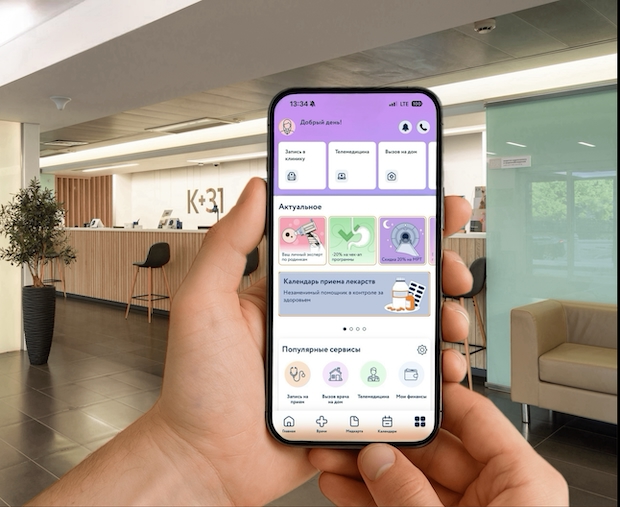
Application “Personal Account K+31”











Why is hospital treatment for bedwetting more effective than home treatment?
Treating bedwetting in children in a hospital requires 24/7 monitoring. No one can predict in advance how the body will react to a particular medication. In such situations, it's essential to observe the child closely. It's impossible to be present at home, but in the hospital, it's entirely possible.
There's no need to be embarrassed about the problem or afraid of being scolded for it. In a hospital, everyday stress is eliminated and a healthy daily routine is established: this is the foundation for restoring control over bodily functions.
Inpatient care offers conditions that cannot be recreated in outpatient settings: