
Inpatient treatment for intervertebral disc herniation and protrusions
Herniated discs and protrusions begin similarly: lower back pain, shooting pain in the leg. You have difficulty sitting, and even turning over in bed causes discomfort. Most people try to wait this out at home, but end up filling their shelves with painkillers, with no results.
Inpatient treatment for herniated discs and protrusions is best. Firstly, in the hospital, you can rest for most of the day. Secondly, the pain is controlled with strong medications, which should be supervised by a doctor.

specialists

equipment

treatment




Indications for hospitalization for hernias and protrusions
Hospitalization for a herniated disc is usually necessary when pain prevents movement or there are neurological symptoms.
Hospitalization is recommended in the following situations:
- Over-the-counter medications aren't helping with back pain
- The pain is causing numbness in your arms or legs, or muscle weakness
- Muscle spasms, making it difficult to walk
- Numbness in the groin area (this is an emergency)
- Vomiting or confusion
You should also go to the hospital to begin physical therapy, but this should be done after the symptoms have subsided.
Basic methods of conservative therapy in the hospital
The main goal is to relieve inflammation around the nerve root, reduce spasms, and restore activity. Treatment of a herniated disc is possible without surgery. The main thing is to relieve the acute condition and reduce inflammation.
Medication for pain relief
Inpatient spinal medication therapy is individualized. Some patients are prescribed anti-inflammatory medications, muscle relaxants, and medications for neuropathic pain, while others are prescribed infusions (IVs).
The dosage is determined by the doctor based on your weight and the severity of your pain.
If nausea or vomiting (the gag reflex is triggered) occurs during treatment, the doctor will assess for drug intolerance or overdose.
Inpatient treatment makes it easier to rule out drug intoxication. Doctors will take blood tests, check liver function tests, and monitor electrolytes.
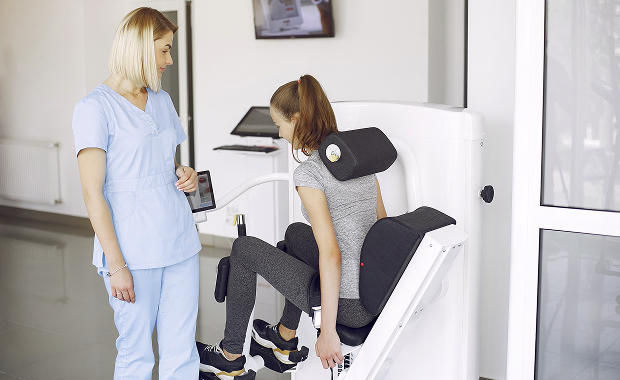
Physiotherapy and traction
Physiotherapy for hernias is not prescribed to everyone. It is contraindicated in cases of severe inflammation.
Magnets, lasers, and ultrasound are commonly used. The number and duration of sessions are determined by the doctor. The results of physiotherapy include reduced pain and spasms and improved microcirculation.
Some patients are prescribed traction, but this is also only when indicated.
Physiotherapy for hernias is a complementary treatment. It is only beneficial if prescribed correctly.
Stages of the treatment process in the department
Inpatient treatment is a clear plan of action: first diagnosis, then therapy, and then rehabilitation.
Diagnostics and initial examination
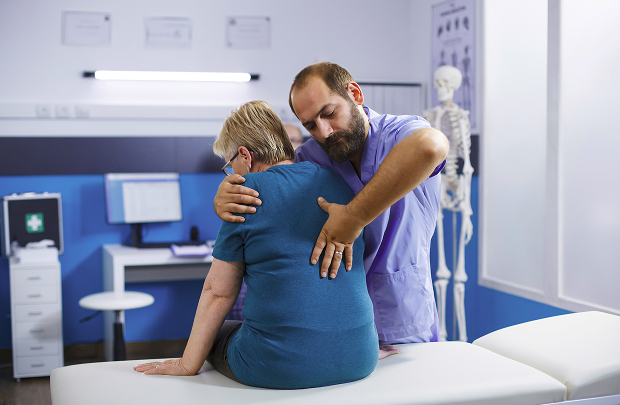
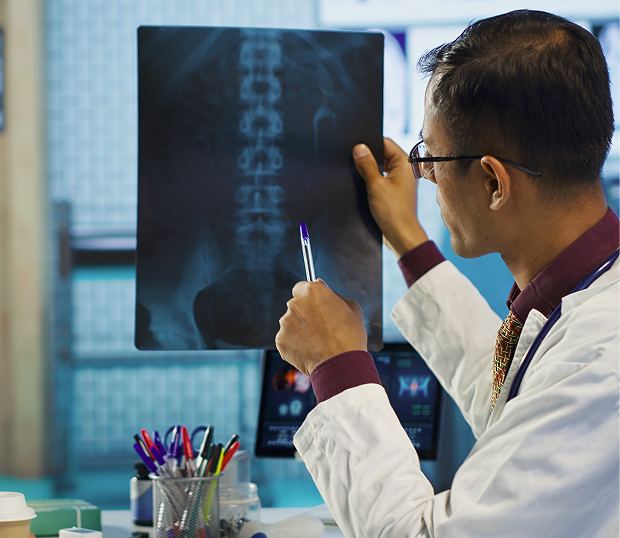
First, a doctor examines the patient, assessing muscle strength, sensitivity, reflexes, and gait. MRI/CT scans, X-rays, and laboratory tests are prescribed as needed to rule out inflammation, assess medication tolerance, and protect the liver and kidneys. If there are contraindications to any medications, an IV is administered.
Intensive course of therapy
Next comes several days of intensive care. This includes pain relief, spasm relief, and minimal activity.
Inpatient treatment for a herniated disc allows you to control the pain and monitor its progress. If adverse reactions to medications occur, the doctor will immediately adjust the treatment plan. This is impossible to do at home.
Early rehabilitation and exercise therapy
Once the pain has subsided, physical therapy is started. At this stage, muscle tone must be restored: this is necessary for core stabilization.
Rehabilitation after a hernia also involves exercise. However, the physical therapist will determine the appropriate load and program. You can schedule an appointment with your local general practitioner.

Expected results and duration of stay
Conservative treatment for a herniated disc takes 5-7 days. Doctors relieve pain and advise on lifelong care. If there is a protrusion, the treatment period may be longer.
If surgery was performed, the hospital stay is significantly longer: typically 14 days or more.

Prevention of relapse after discharge
After discharge, it's important not to fall apart. You need to take care of yourself.
Avoid lifting heavy objects, and if you must, be sure to wear a corset with metal plates.
Lying down is also not recommended: your body needs muscle. The stronger your core, the more protection your spine has.
What usually helps:
- Daily exercise for 10-20 minutes as recommended by your doctor
- Walking and other activities
- Learning how to lift heavy objects correctly
- Weight control
Rehabilitation after a hernia is primarily about movement. However, high-impact activities such as running and jumping should be avoided.
Table: Home treatment vs. Inpatient treatment
| Parameter | Home | Inpatient treatment |
|---|---|---|
| Physician monitoring | Limited to visits | 24-hour monitoring, daily adjustments |
| Pain management | More often, tablets; risk of errors | Selection of a regimen, IV if necessary, tolerance monitoring |
| Physiotherapy/exercise therapy | Irregular or unsupervised | A course of treatments and exercise therapy under supervision |
| Risk of complications from medications | Higher without testing | Minimized; laboratory and monitoring are available |
| Emergency care | Call an ambulance | Quick access to intensive care in case of a severe reaction |
FAQ
Is it possible to cure a herniated disc without surgery?
Why is hospitalization better for severe pain?
Is it true that traction is suitable for everyone?
When do you need urgent help?
This information is for informational purposes only. Self-medication with strong painkillers, diuretics, and injections on the advice of friends is dangerous.
Our doctors









This award is given to clinics with the highest ratings according to user ratings, a large number of requests from this site, and in the absence of critical violations.

This award is given to clinics with the highest ratings according to user ratings. It means that the place is known, loved, and definitely worth visiting.

The ProDoctors portal collected 500 thousand reviews, compiled a rating of doctors based on them and awarded the best. We are proud that our doctors are among those awarded.
Make an appointment at a convenient time on the nearest date
Other services

Appointment to the doctor
Reviews
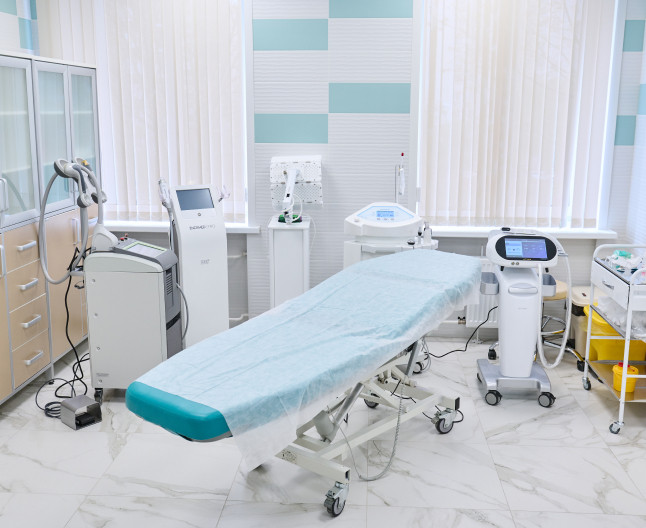
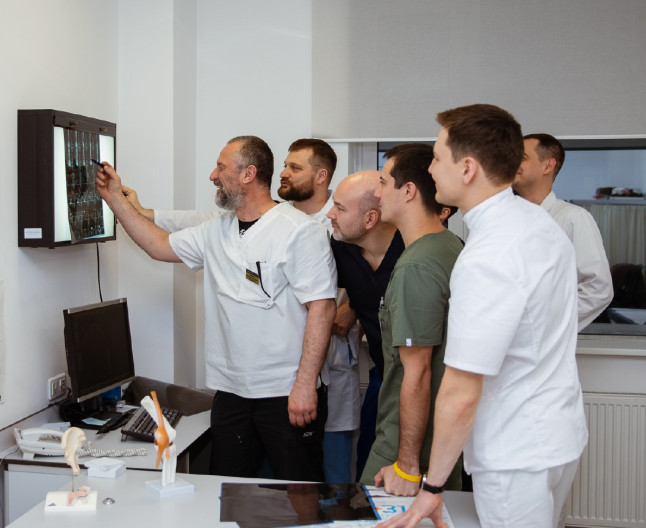





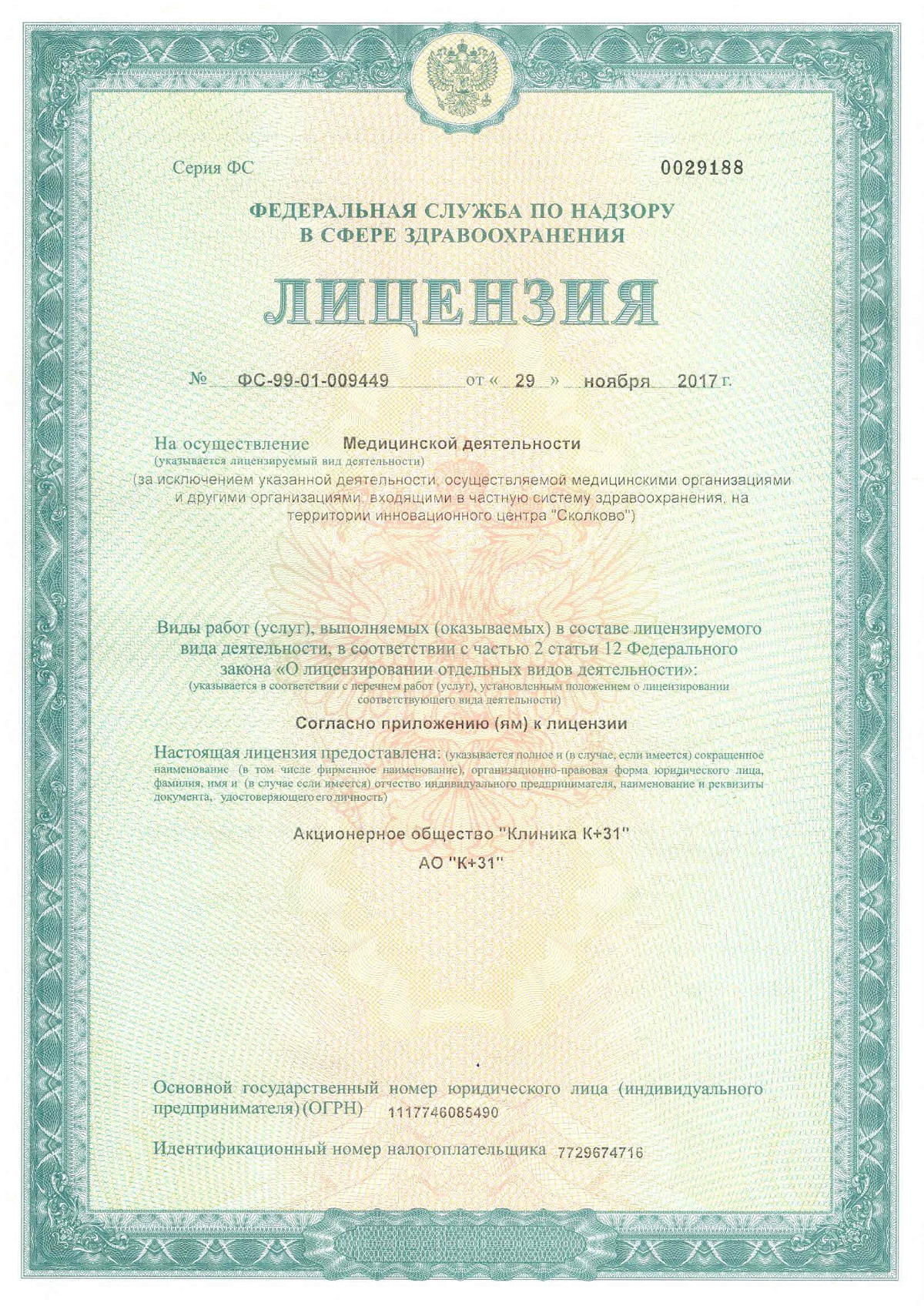
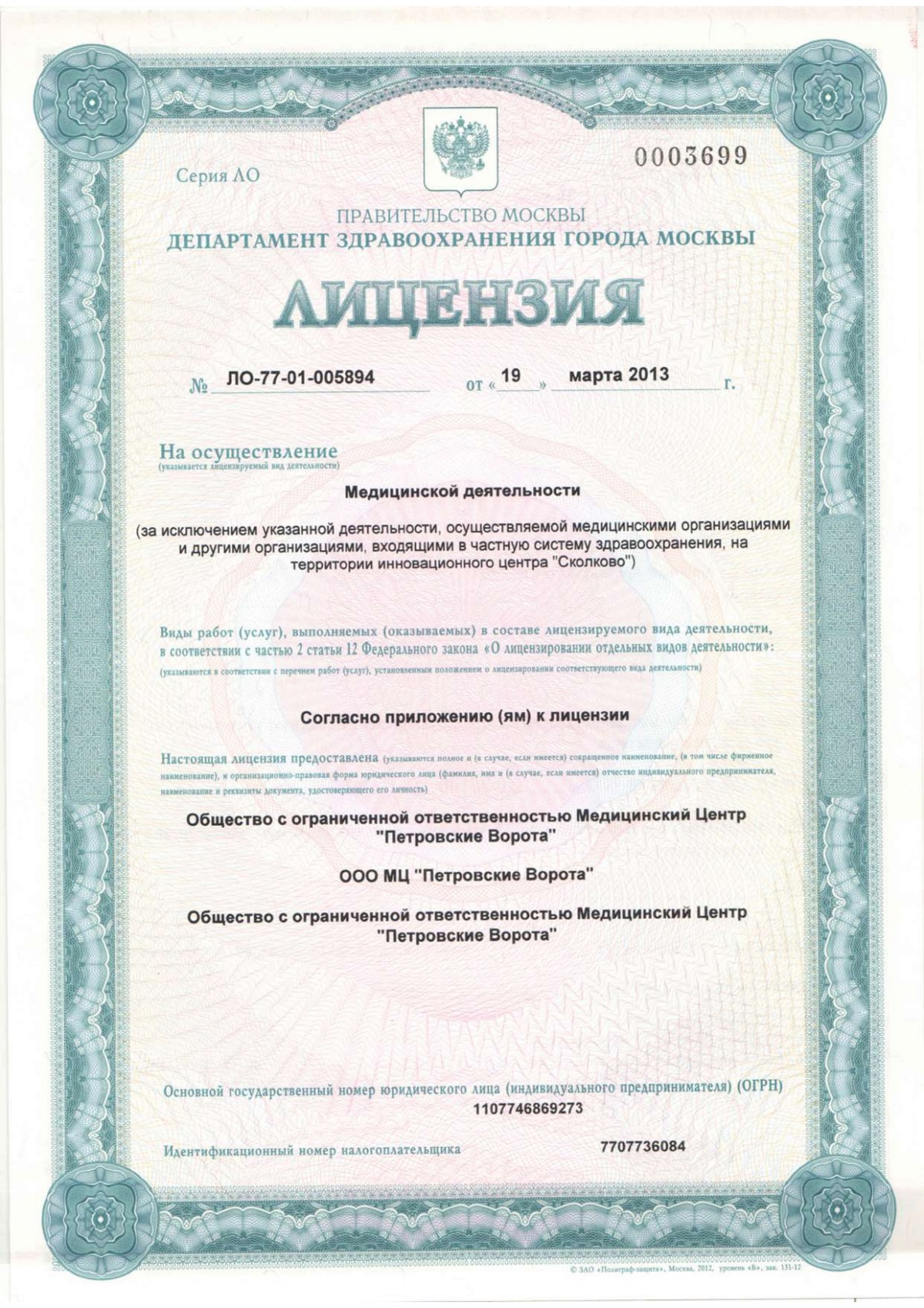
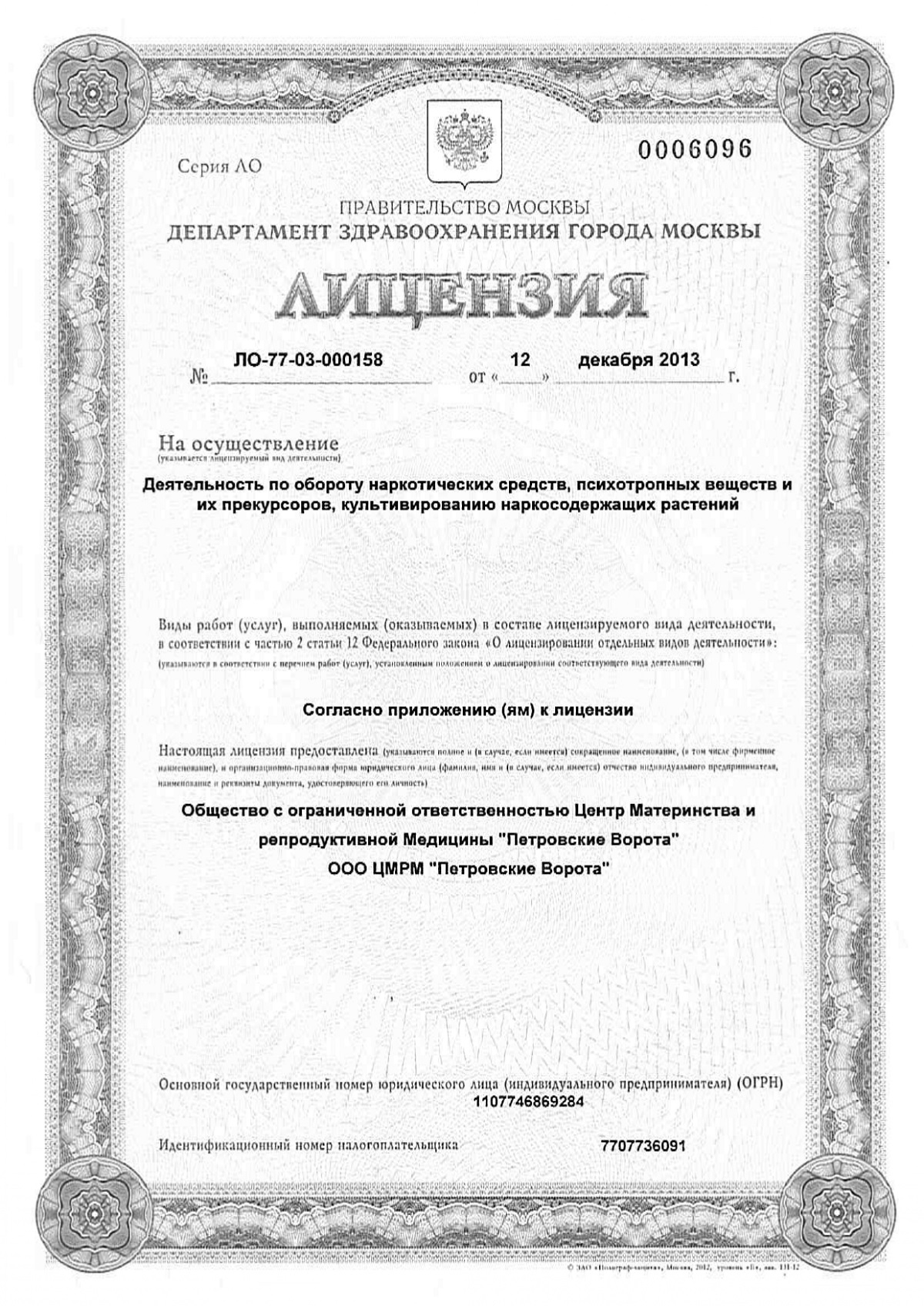
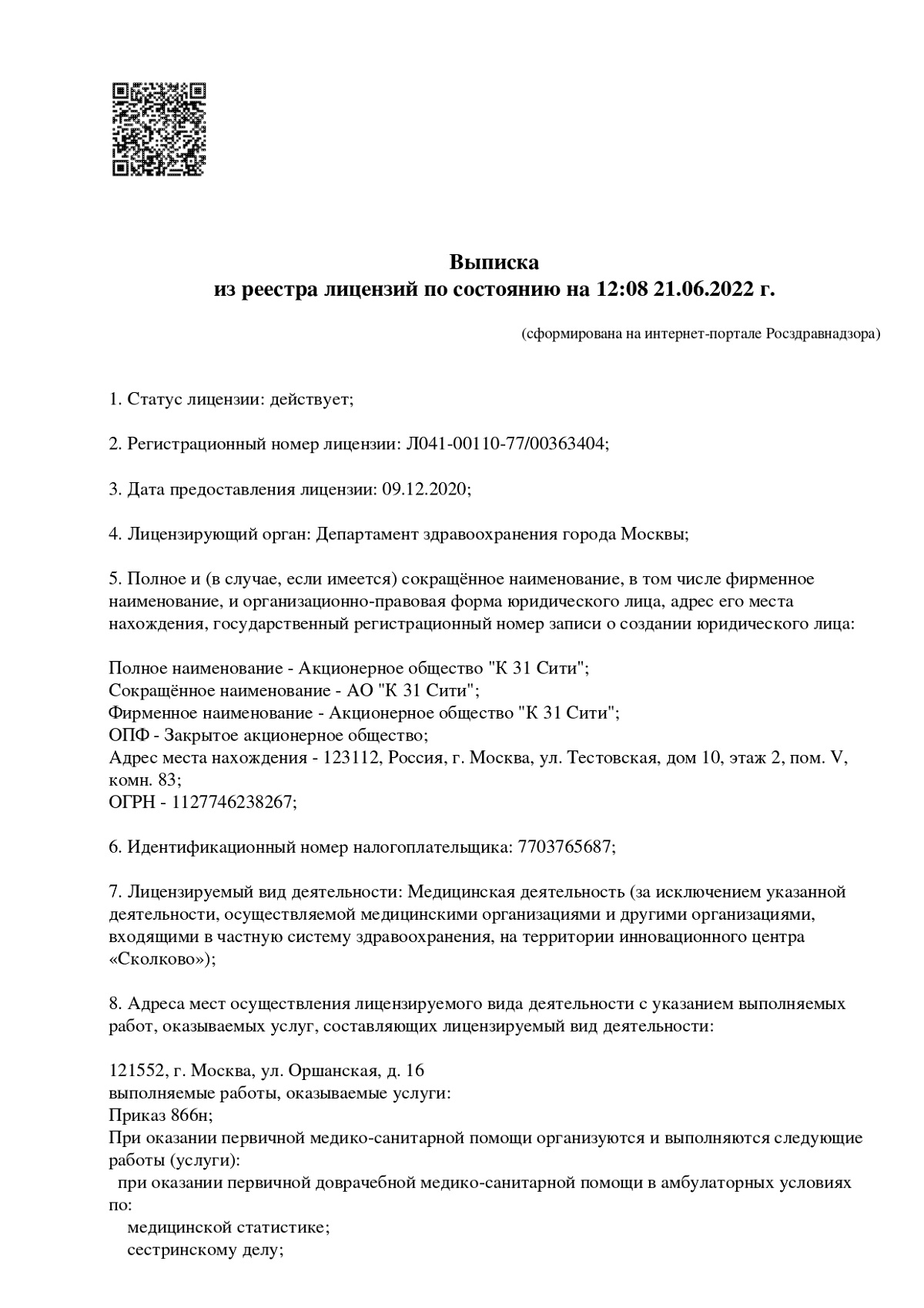
Our clinics


Application “Personal Account K+31”











Why choose inpatient treatment for spinal diseases?
Inpatient diagnosis is made on the first day of your visit. You can bring your MRI disks or undergo diagnostic testing in the hospital.
The first thing the doctors will do is relieve pain and inflammation. It's important to note that anti-inflammatory medications have many side effects. They are usually also prescribed stomach support medications.
This therapy also affects blood pressure and can cause nausea, dehydration, and liver failure. However, this doesn't mean all medications are dangerous; they simply need to be taken under a doctor's supervision.
Conservative treatment for a herniated disc is the best treatment option. Surgery is always considered a last resort if other treatments fail to stabilize the condition.