
Effective Treatment of Vision Impairments in a Hospital Setting
Gadgets, computers, and artificial lighting can trigger the development of pathologies even in those who have previously had no eye problems. When regular over-the-counter eye drops fail to relieve redness and tension, inpatient vision treatment is necessary.
In a hospital setting, the progression of dangerous diseases can be more quickly halted and retinal detachment or complete vision loss can be prevented. There are no universal vision treatment protocols; each treatment is developed individually.

specialists

equipment

treatment






When is hospitalization in the ophthalmology department necessary?
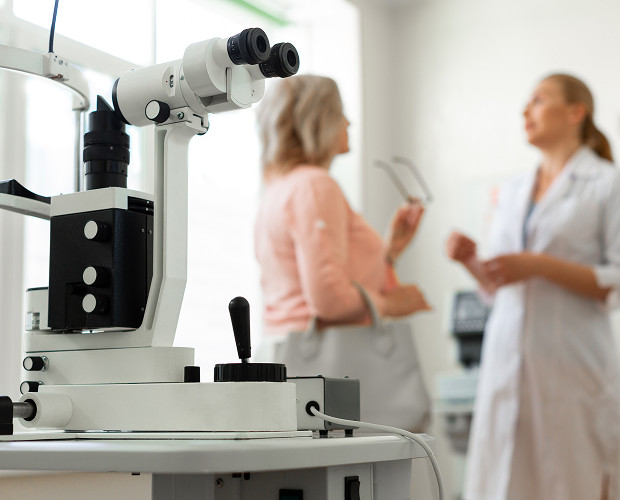
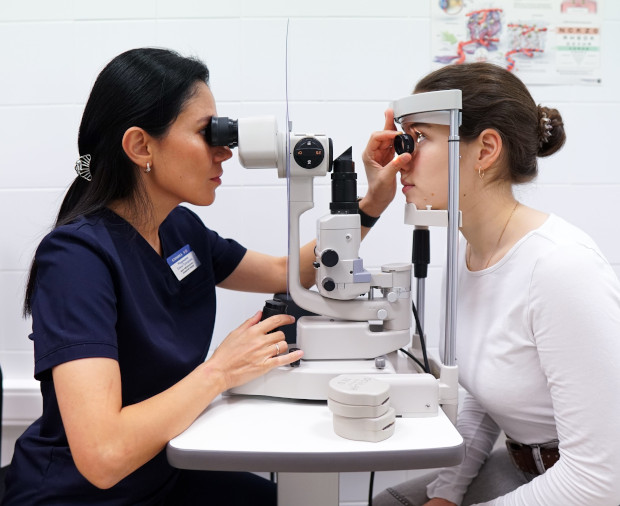
The decision to hospitalize a patient in an ophthalmology department is made based on a comprehensive diagnosis. Doctors first establish a diagnosis and only then prescribe treatment. The examination includes optical coherence tomography (OCT), computerized perimetry, and fundus examination using a digital fundus microscope.
Acute conditions and injuries
Urgent inpatient vision treatment is necessary when there is a threat to vision. We are talking about:
- Wound or contusion of the eyeball
- Chemical or thermal burn
- Increased intraocular pressure
- Suspected retinal detachment or tear
In these cases, every hour counts, and only a 24-hour ophthalmology hospital can ensure the necessary speed of medical procedures.
Planned Conservative Treatment for Chronic Pathologies
For many patients, visual impairments that require time-consuming treatment become a regular procedure. Planned hospitalization is necessary for the following diagnoses:
- Progressive high myopia (nearsightedness)
- Diabetic retinopathy (damage to the retinal vessels due to diabetes)
- Age-related macular degeneration
- Partial optic nerve atrophy
- Dystrophic changes in ocular tissues
Timely prevention of complications in these pathologies allows visual acuity to be maintained at a stable level for many years.
Main areas of inpatient therapy
Modern vision restoration in the clinic is based on the synergy of technology and pharmacology. The choice of methods is always individualized.
Hardware Methods for Vision Restoration
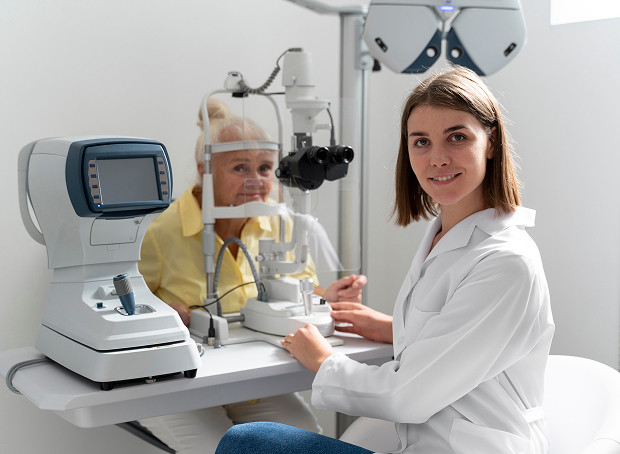
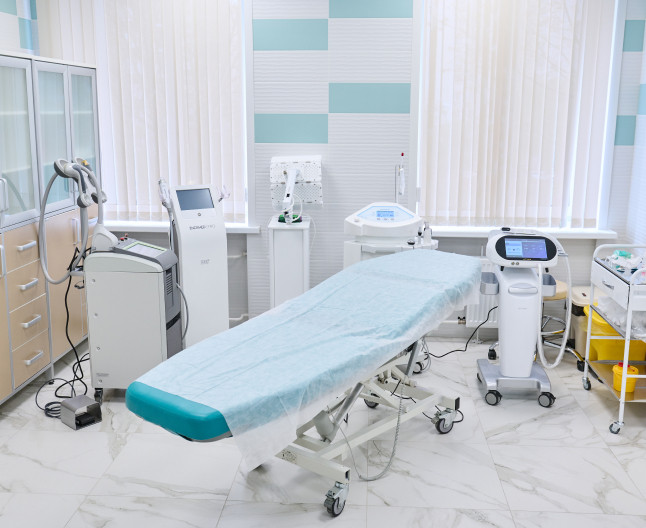
Hardware eye treatment in a hospital setting uses specialized computer programs and laser systems. Methods are used to train accommodation (the eye's ability to focus at different distances), which is particularly effective in treating myopia in children and adolescents. Laser stimulation of the ciliary muscle and retina helps improve blood circulation and tissue nutrition in the eye.
Drug and injection treatment
Conservative vision therapy involves treatment with medications or eye drops. IVs and injections are also used to improve overall blood flow to the brain and eyes.
Physiotherapy Procedures
Physiotherapy is a supplement to the main course of treatment. It enhances the effectiveness of medications. The following are widely used in ophthalmology:
- Electrical stimulation
- Magnetic therapy
- Phonophoresis (delivery of medications using ultrasound)
- Color pulse therapy
This helps relieve muscle spasms, reduce swelling, and accelerate cell regeneration.


Vision recovery in the clinic is quick if the diagnosis is correct. This requires screening. Standard pre-hospitalization examinations include:
- Blood and urine tests
- Sugar test
- ECG
- General practitioner consultation
If surgery is planned, a dentist and otolaryngologist's opinion is also required: if there are any inflammation lesions, the surgery will be postponed.
Conclusion and prognosis
Inpatient vision treatment is usually scheduled. Emergency cases are usually handled through the emergency room. High-quality equipment and the professionalism of the hospital's doctors ensure a quick recovery. Patients are typically discharged within 3-5 days. The prognosis for treatment is generally favorable: stabilization of the process, relief of spasms, and significant improvement in visual comfort are achieved.
Caution! Contraindications apply. This information is for informational purposes only. Consult a specialist before beginning any course of treatment.

Frequently Asked Questions
How long does inpatient treatment last?
Can hardware treatment be performed without hospitalization?
Will inpatient treatment completely eliminate glasses for people with high myopia?
Are eye injections painful?
Our doctors









This award is given to clinics with the highest ratings according to user ratings, a large number of requests from this site, and in the absence of critical violations.

This award is given to clinics with the highest ratings according to user ratings. It means that the place is known, loved, and definitely worth visiting.

The ProDoctors portal collected 500 thousand reviews, compiled a rating of doctors based on them and awarded the best. We are proud that our doctors are among those awarded.
Make an appointment at a convenient time on the nearest date
Other services

Appointment to the doctor
Reviews

















Our clinics


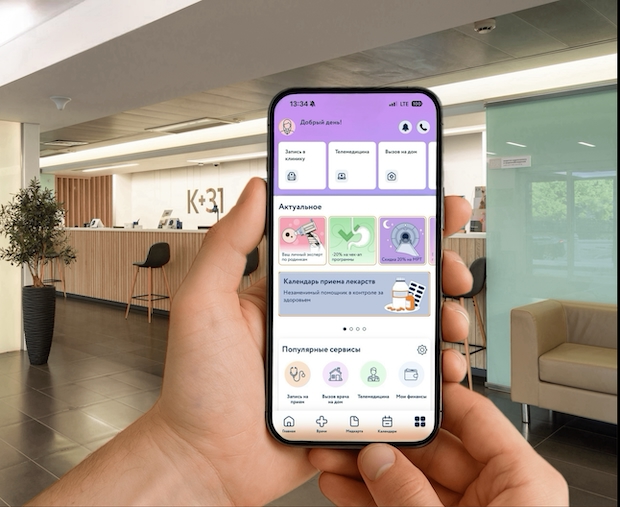
Application “Personal Account K+31”











Advantages of inpatient treatment over outpatient treatment
The choice of an inpatient setting is often driven by the ability to concentrate all the clinic's resources on a single patient.
In the hospital:
The hospital also has a daily routine: you eat at regular times and go to bed on time. This has a positive effect on your nervous system. You get enough sleep and can devote more time to your health.